
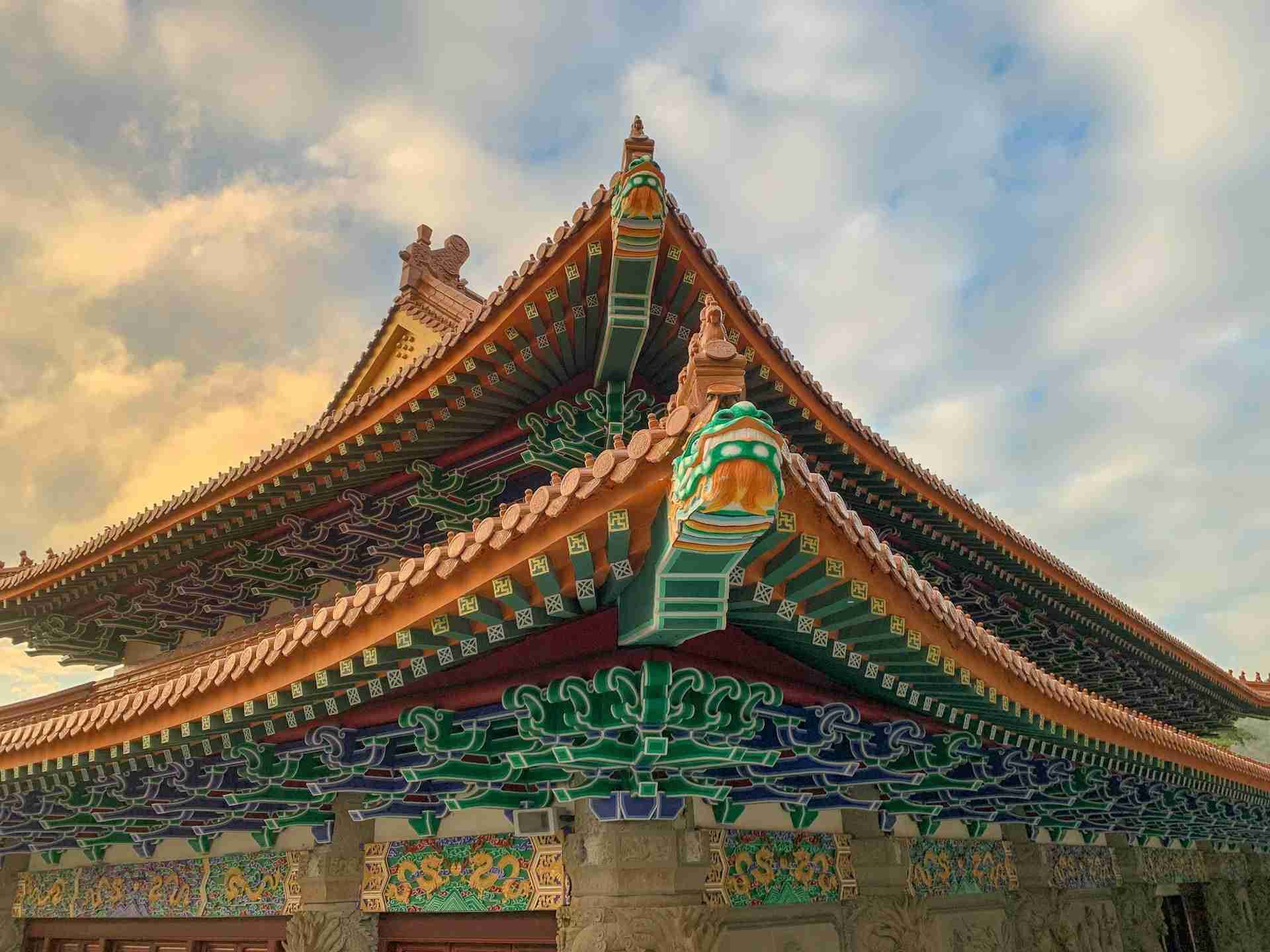
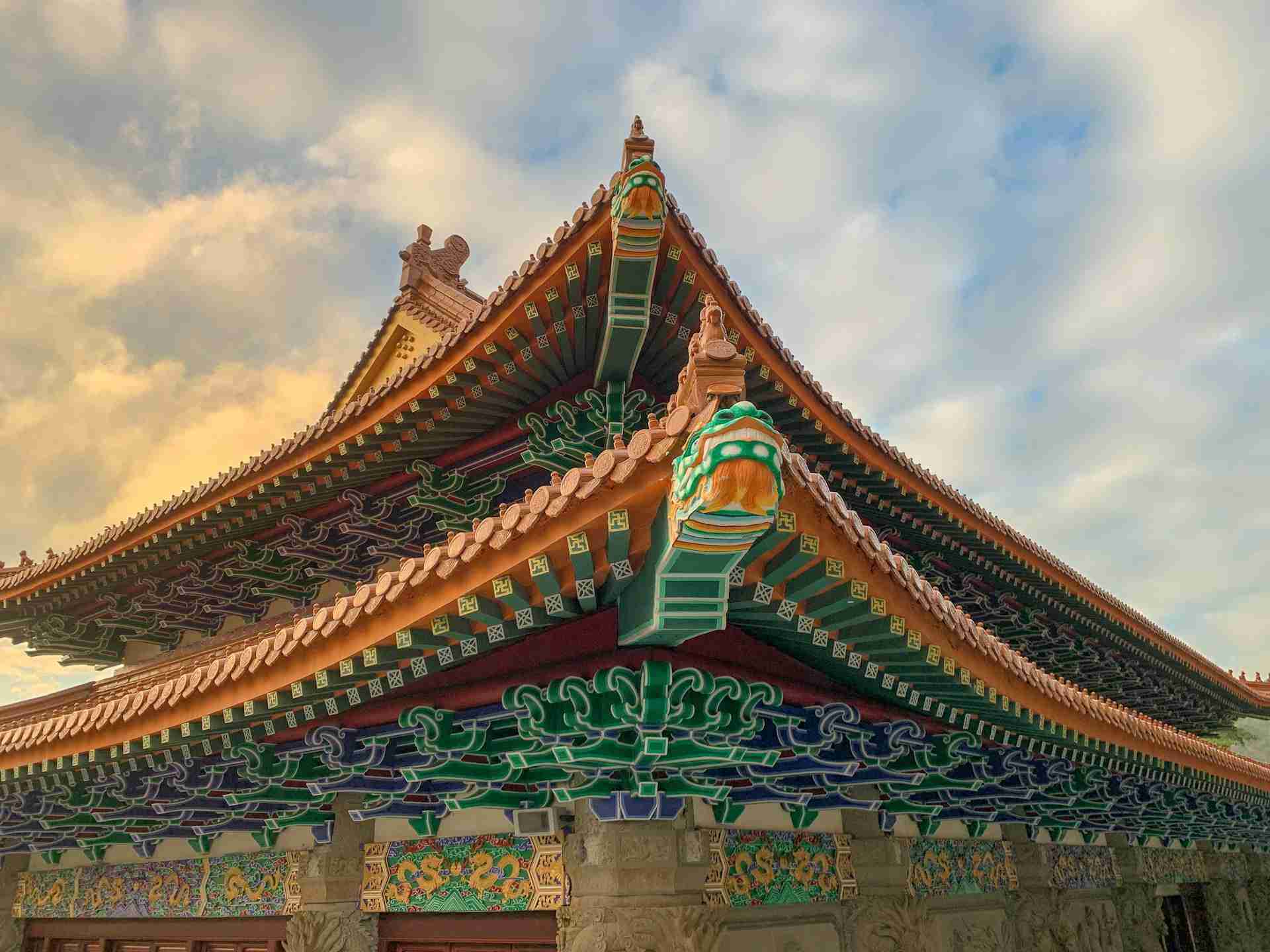
Situated high on the Ngong Ping Plateau on Lantau Island, Po Lin Monastery is a serene yet powerful photographic destination blending religious grandeur with mountain mist. Established in 1906, this working Buddhist monastery has evolved into a richly adorned complex with ornate temples, prayer halls, lotus ponds, and dramatic architectural symmetry—all set against a lush, subtropical backdrop. Its proximity to the famed Tian Tan Buddha makes it a magnet for visitors, but its own unique structures and tranquil ambiance offer photographic depth far beyond the usual tourist snapshot.
Best Photography Opportunities
• Main Shrine Hall of Buddha
The primary hall is a masterpiece of symmetry and ornate craftsmanship. Use a wide-angle lens to capture the richly painted columns, golden Buddha statues, and hanging lanterns. Early morning light filtering through open doors adds softness and spiritual ambiance to interior shots. Capture visitors in prayer for a human element, or focus in on textures of lacquered wood and gilded ornamentation. A polarizer can help manage reflective surfaces while enhancing the deep reds and golds. If allowed, a discreet tripod can support HDR brackets for dynamic range in dim interiors. Compositionally, you can also use the layered entry gates and interior arches to frame the central Buddha for added depth.
• Lotus Pond Reflections
Just outside the main hall is a tranquil lotus pond, ideal for reflective compositions. Frame the monastery's ornate roofs mirrored in the water alongside blooming lotus flowers. Early mornings offer still surfaces and soft light, perfect for layered foregrounds. Close-ups of lotus blooms juxtaposed against blurred temple roofs create poetic compositions. In the rainy season, water droplets on petals or lily pads add macro possibilities to your visit. Consider crouching to surface level for a mirror-like horizon or capturing dragonflies and koi to introduce natural life into the composition.
• Grand Staircase and Courtyard Perspectives
Approach the main temple via its large staircase and surrounding courtyards to play with geometric patterns and framing. Use leading lines from railings or tiles to guide the eye upward toward the hall. Wide shots work well for emphasizing the scale of the site, while longer lenses can isolate temple guardians or ornate carvings. Side lighting at dawn or dusk reveals textures and lends the stonework an almost sculptural quality. During the day, dynamic shadow play from overhanging eaves and columns helps build visual contrast. This area is ideal for environmental portraits and showcasing interactions between visitors and sacred space.
• Prayer Flags and Incense Smoke
Around the monastery's side structures, colorful prayer flags and large incense burners offer dynamic subjects. Capture the flutter of cloth in long exposures or shoot with a fast shutter to freeze motion. Incense smoke drifting through light shafts adds mood and symbolism—ideal for storytelling images. Move around the burners to catch backlit smoke or sunrays passing through the haze for a sense of ritual energy. For added impact, photograph from a low angle to silhouette the burners against morning sky or frame monks tending incense in profile. Color contrast between the flags and surrounding greenery also adds depth to wide-angle compositions.
• Surrounding Forest Trails and Misty Backdrops
The monastery is bordered by forested paths and ridges that offer atmospheric wide-angle scenes. Climb a short distance from the main site to shoot back down with temple roofs framed by mist-covered peaks. Fog is frequent in the mornings, especially during spring and early summer, helping to isolate temple spires and create visual mystery. Use these outer edges for contemplative compositions that show the monastery embedded in its environment. Incorporate winding paths or stone lanterns in the foreground to enhance the sense of journey and depth. This setting also invites black-and-white interpretations that focus on tone and contrast. The monastery is bordered by forested paths and ridges that offer atmospheric wide-angle scenes. Climb a short distance from the main site to shoot back down with temple roofs framed by mist-covered peaks. Fog is frequent in the mornings, especially during spring and early summer, helping to isolate temple spires and create visual mystery. Use these outer edges for contemplative compositions that show the monastery embedded in its environment.
Best Time to Visit
Po Lin Monastery can be photographed year-round, but weather and light conditions vary dramatically by season. Winter (December to February) offers the clearest skies and most reliable golden hour conditions, especially for wide architectural shots and distant views across Lantau Island. Early morning frost can sometimes add a subtle sparkle to tiled roofs and forest foliage, ideal for shooting intricate detail.
Spring (March to May) is known for mist and light rain, lending itself to soft, ethereal scenes and low-contrast lighting perfect for capturing the tranquil mood of the monastery. Cherry blossoms and vibrant greenery return to the landscape, offering fresh foreground elements and subtle color variations. Fog-laced trails and the interplay of humidity and sunlight create dreamlike layering in wide compositions.
Summer (June to August) is hot and humid with afternoon thunderstorms, which create dramatic cloud formations and often lead to sudden bursts of sunlight through fog or rain—a visual bonus for those willing to wait it out. Monsoon rains enhance reflections in stone courtyards and help to saturate colors throughout the grounds. Heat shimmer and haze can affect longer focal lengths but also enhance atmosphere when handled creatively.
Autumn (September to November) provides consistent lighting, lush greenery, and thinner crowds, making it one of the best times for both architectural and detail-oriented photography. The warm tones of early sunsets bathe the temple façades in golden light, while the lower angle of the sun provides longer shadows and better contrast for showcasing depth and texture.
Early mornings before tour groups arrive are ideal, offering both peacefulness and diffused lighting conditions. Blue hour and twilight can be especially moving, with golden temple interiors glowing beneath soft evening skies. Watch for fog rolling in after sundown—it can completely transform the site's atmosphere within minutes. Visiting during Buddhist festivals can add a vibrant layer of color and human interaction, though it requires patience and sensitivity to navigate larger crowds.
How to Get There
To reach Po Lin Monastery, most visitors take the Ngong Ping 360 cable car from Tung Chung MTR station, which offers spectacular views of the South China Sea and lush forest below. The ride itself is a photographic opportunity worth scheduling. Alternatively, buses from Tung Chung or Mui Wo ferry terminal serve Ngong Ping Village. From the drop-off point, it's a short walk to the monastery entrance.
Entrance to the monastery grounds is free, but access to specific temple halls may have restrictions or request a donation. Tripods may not be permitted inside indoor prayer areas, so check signage or ask a guide before setting up. Arrive early if you want to work undisturbed or photograph with fewer people in frame.
Recommended Gear for Photographing Po Lin Monastery
Bring a versatile zoom lens like a 24–105mm to move quickly between wide architectural shots and isolated detail compositions. A wide-angle lens (16–35mm) is ideal for capturing temple facades, interior spaces, and the expansive staircase views. A 70–200mm telephoto is excellent for compressing distant elements such as pagodas against the mountain backdrop or isolating prayer flags fluttering across courtyards. A fast prime lens (35mm or 50mm) will help in low-light interior settings and create shallow depth-of-field portraits with natural ambiance.
A circular polarizer is helpful in cutting glare on painted surfaces, tiled roofs, and the lotus pond while deepening sky color. Consider a variable ND filter if you want to experiment with long exposures of incense smoke or moving crowds. A lightweight tripod is useful for dawn and dusk shots, especially along quieter corners or outer trails, though interior use may be restricted. A travel-sized monopod can be a good alternative for stability where tripods aren't allowed.
Additional essentials include a lens cloth, air blower, and rain cover—weather can shift rapidly on the plateau, especially during spring and summer. An external battery pack or USB charger is wise if you're also using your phone for mapping or quick backup shots. Comfortable walking shoes and breathable clothing are essential if you plan to explore forest trails or spend long hours on site. Muted attire helps you stay discreet in this sacred space, and a small portable stool can be a welcome relief during longer wait times for fog or light conditions to align.
Nearby Photography Locations
: Just a short walk from the monastery, the towering seated bronze Buddha is a must-visit subject. Shoot from the base of the staircase for a symmetrical approach or from the top platform for sweeping views across the island. Visit early to catch rising mist and avoid heavy crowds.
: The panoramic gondola ride from Tung Chung offers high-altitude shots of Hong Kong's coastline, lush mountains, and the monastery complex itself. Consider using a telephoto through the glass to isolate ridgelines and abstract landscape elements.
: A serene trail lined with tall wooden pillars engraved with Buddhist texts, the Wisdom Path invites minimalist compositions and spiritual storytelling. Shoot with a wide aperture for foreground isolation or during misty conditions for a dreamlike effect.
: For adventurous landscape photographers, an early hike up Lantau Peak yields stunning sunrise views over Po Lin Monastery and the South China Sea. Use a wide lens for expansive vistas and time your descent to catch morning light hitting the temple complex.
: About 30 minutes away by bus, this historic stilt village offers contrast to the spiritual atmosphere of Po Lin. Capture colorful facades, drying seafood, and boats navigating tight canals for a more documentary-style set of images.
Po Lin Monastery offers more than ornate temples and incense trails—it's a place where light, elevation, and devotion come together to create quiet, powerful photographic moments. With careful planning and respect for the site's spiritual significance, this destination rewards those seeking deeper visual storytelling in one of Hong Kong's most sacred landscapes.
Comments
Loading comments…