
99 Domes Mosque: A Photographer's Guide to Makassar's Coastal Masterpiece
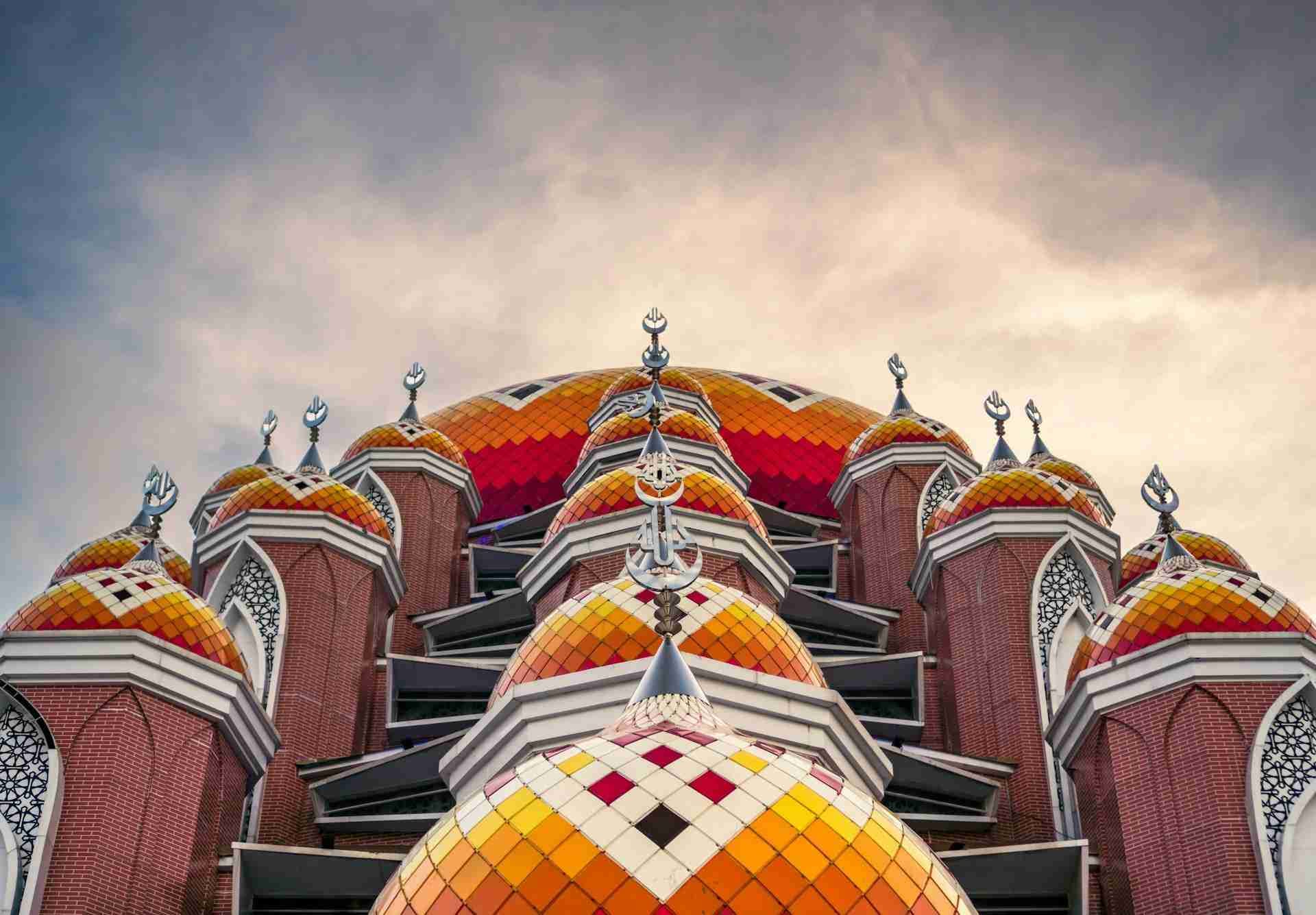
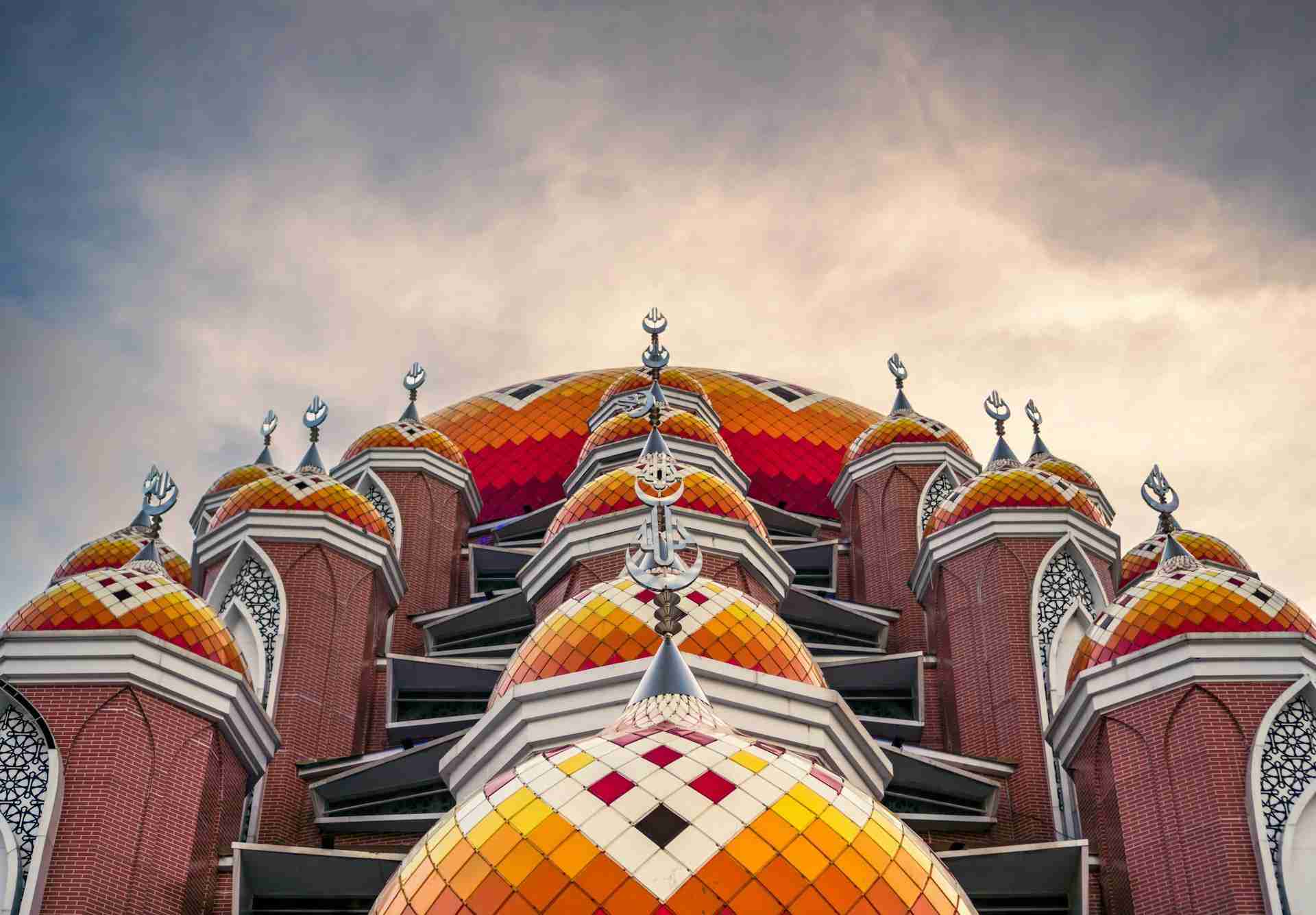
The 99 Domes Mosque, also known as Masjid Asmaul Husna, stands as a bold architectural marvel along the waterfront of Makassar, South Sulawesi. Designed with inspiration from the 99 names of Allah, this mosque features a cascading cluster of vibrant domes in a unique and symbolic pattern. Set beside Losari Beach and part of the larger Center Point of Indonesia development, it has quickly become one of the most recognizable landmarks in Indonesia. For photographers, the mosque offers an ideal mix of modern design, rich cultural meaning, and a coastal setting that changes mood with the light throughout the day.
Best Photography Opportunities
• Morning Light Across the Dome Clusters
Photographing the mosque at sunrise offers calm, quiet moments when the soft pastel colors of morning light reflect across the surfaces of the domes. The early hours often bring clear skies and fewer crowds, giving photographers time and space to try out different compositions. From the plaza, you can shoot up toward the layered domes to emphasize depth. Walk around the mosque to find angles that let the rising sun light up the structure from behind, casting beautiful golden edges across the domes and arches.
• Golden Hour Reflections and Angled Shadows
Late afternoon sunlight brings out the full richness of the mosque's colors. The golden hour is especially striking here, as long shadows stretch across the plaza and add drama to every frame. Use this time to experiment with foreground elements like the reflective ground tiles, or include surrounding trees and nearby walkways to give the composition a sense of place. Shooting during this window is also ideal for capturing visitors and worshippers as silhouettes or integrated figures within the broader architectural scene.
• Night Photography and Illuminated Domes
As darkness falls, the mosque transforms once again. Soft, integrated lighting turns each dome into a glowing orb. Long exposures with a tripod allow you to highlight this transformation, and the mosque's position near water often provides reflective surfaces to add even more interest to your shots. Include the mosque framed by surrounding urban lights, or step back far enough to contrast its bright profile against the night sky. This time of day is also a good opportunity to work with traffic trails or moving figures, adding a sense of energy and life.
• Interior Geometry and Patterned Arches
The mosque's interior, open to the public outside of prayer times, presents a tranquil and beautifully structured space. Graceful archways, polished floors, and elegant lighting create an inviting atmosphere for detailed shots. Use a mid-range zoom lens to capture the repeating arches and balance of light and shadow. As sunlight filters through upper windows, it casts angular beams across the floor that change by the minute, offering a peaceful but dynamic scene.
• Coastal Context from Losari Beach Promenade
One of the most powerful ways to capture the mosque is by showing it within its coastal setting. The Losari Beach promenade runs parallel to the structure and provides a number of perspectives. From here, the mosque can be framed with the sea, boats, or even palm trees lining the walkway. Use a telephoto lens to compress the scene and bring the mosque and background closer together. Including human figures—families walking, couples sitting, or fishermen by the edge—adds a documentary layer that brings the image to life.
Best Time to Visit
While the mosque can be photographed at any time of year, the dry season from May to September offers the most reliable conditions. During these months, skies are typically clearer and lighting more consistent throughout the day. This is especially beneficial for architectural photography, where control over shadows and reflections makes a significant difference.
Time of day plays an equally important role. Early morning visits provide peaceful conditions and soft, forgiving light, ideal for clean compositions and long exposures. Midday can be quite harsh, with strong sunlight creating overexposed areas and deep shadows, so if you're shooting at this time, use polarizing filters or seek out symmetrical, shaded compositions. Golden hour and twilight are when the mosque is at its most visually striking, with warm tones and smooth transitions in the sky adding mood and depth.
If you plan to enter the interior for photography, avoid prayer times and dress respectfully. Women should wear a headscarf, and all visitors should wear modest, loose-fitting clothing that covers arms and legs. These guidelines help ensure respectful engagement with the space while allowing for a more immersive and respectful experience.
How to Get There
The 99 Domes Mosque is located at the southern end of Losari Beach in Makassar and is easily accessible from anywhere in the city. Most visitors arrive by car, taxi, or motorbike. The roads are paved and well-marked, and parking is available close to the mosque entrance. Be aware that it can become crowded during weekends or holidays, so arriving early is recommended if you want more freedom to move around and set up your shots.
There is no formal admission fee to visit the mosque or walk around its outer courtyard. However, small donations for parking or facility maintenance may be requested. Facilities such as public restrooms, shaded rest areas, and nearby food stalls make this a convenient location for a longer photo session. Water and snacks are easy to find nearby, and shaded benches along the waterfront provide space to rest between shoots.
Essential Gear for Capturing the Mosque
Photographing the 99 Domes Mosque is all about flexibility and attention to changing light. A wide-angle lens, such as 16–35mm, is essential for capturing the full sweep of domes and spacious walkways. You will want this especially when shooting from up close or within the plaza. A mid-range zoom like a 24–70mm is excellent for picking out specific architectural elements or capturing environmental portraits with the mosque in the background. A telephoto lens, such as 70–200mm, comes in handy when shooting from farther away or compressing the scene from the beach or promenade.
Bring a tripod for sunrise, golden hour, and night shots to ensure clean exposures and sharp details. Polarizing filters are helpful for reducing glare on the dome tiles and intensifying sky contrast. For long exposures during the day, especially if capturing crowd movement or cloud streaks, a neutral density filter is useful. You will also want to pack lens cloths to clean off any sea spray or dust that may accumulate from wind.
Lightweight, comfortable shoes and sun protection such as a hat and sunscreen are important, as the courtyard gets hot and reflective. Extra batteries and high-capacity memory cards are necessary for a full day of shooting. A light rain cover or microfiber towel is good insurance in case of sudden weather shifts near the coast.
Nearby Photography Locations
A vibrant pedestrian walkway filled with families, food stalls, and coastal activity. Perfect for capturing daily life with the mosque rising in the background. Early morning and evening are ideal for soft natural light and shadow play.
• Makassar Harbor
Located west of the mosque, the harbor is a great spot for photographing boats, fishermen, and the bustle of a working coastline. Reflections and boat silhouettes during twilight add texture and depth to your compositions.
A well-preserved Dutch colonial fort that contrasts with the mosque's modern design. Use the fort's stone textures and symmetrical arches to frame a unique narrative combining history and progress.
• Center Point of Indonesia Lookouts
Within walking distance from the mosque, this area offers elevated views and geometric structures that make excellent compositional elements. Sunrise and blue hour are the best times to shoot from these high vantage points.
A smaller and quieter beach area just southwest of Losari. From here, you can shoot the mosque across the water with fewer crowds, open skies, and natural framing elements like palm trees and piers.
Comments
Loading comments…