
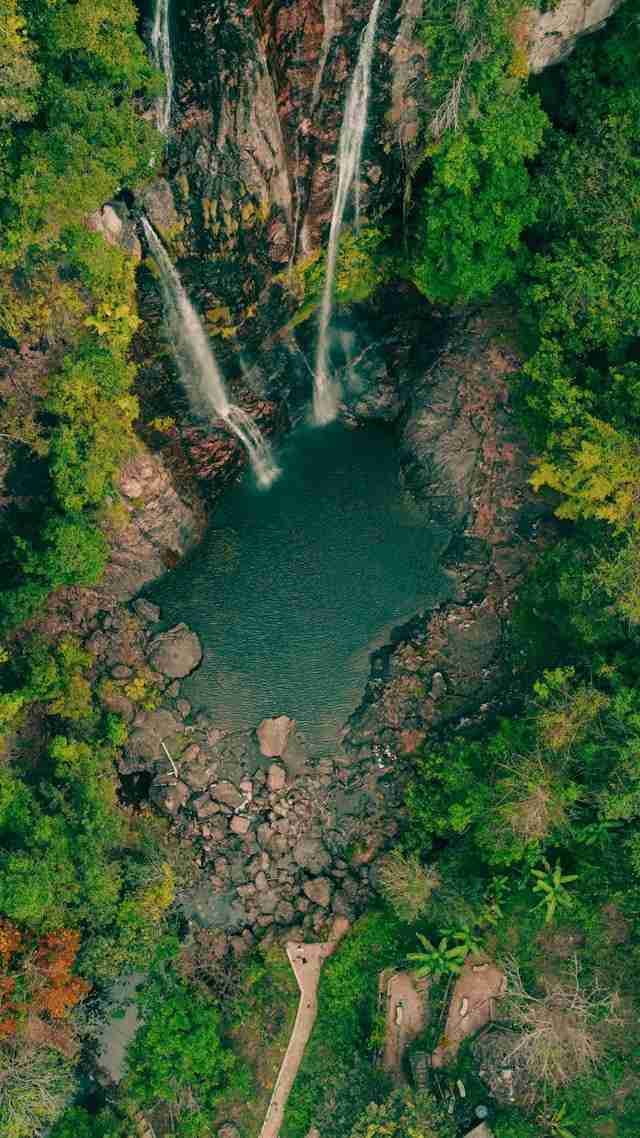
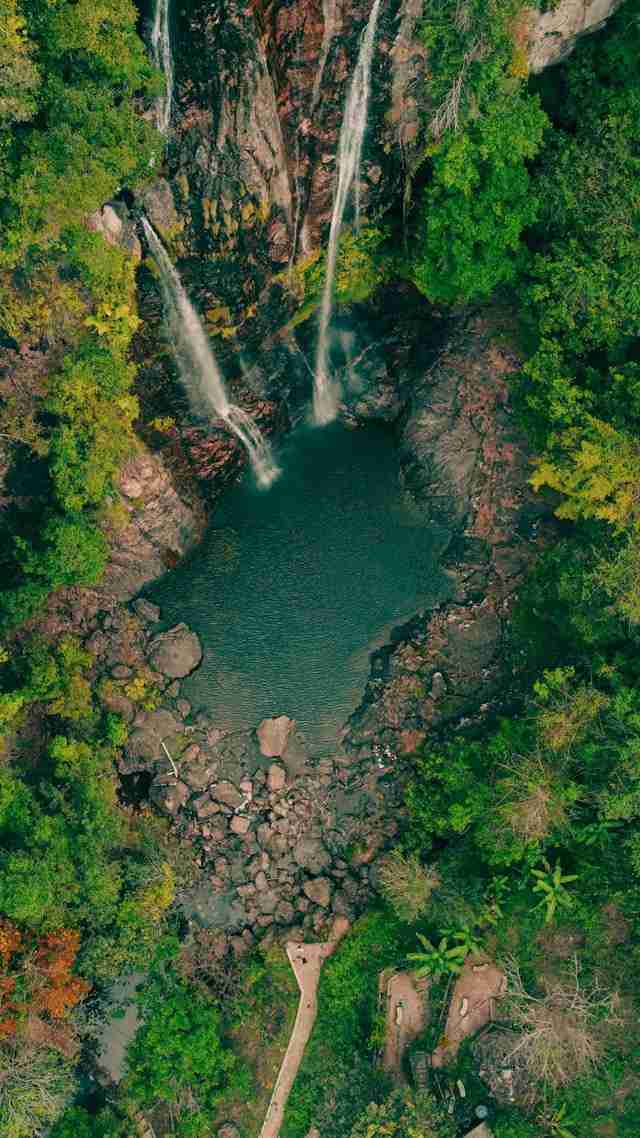
Cunca Rami Waterfall, located in the heart of Mbeliling Forest in West Manggarai Regency, East Nusa Tenggara, is a hidden jewel tucked deep in the jungle-covered hills of Flores. Surrounded by dense rainforest, terraced rice fields, and remote farming villages, this 30-meter-high waterfall offers a compelling subject for photographers seeking both raw natural drama and tranquil rainforest detail. The water descends in thick, continuous ribbons over a wide rock face into a clear, green-blue pool, all encased in lush tropical foliage. The setting feels untouched, wild, and intimately tied to the rhythms of local village life, making it one of the most rewarding photographic destinations in eastern Indonesia.
Best Photography Opportunities
View from the Base of the Falls
The primary and most commanding viewpoint is from the natural basin below the waterfall. Here, Cunca Rami reveals its full scale, with water rushing down over a rugged wall of rock into a broad pool surrounded by vegetation. This spot is perfect for capturing the full grandeur of the falls. A wide-angle lens enables you to include the arc of the pool in the foreground, textured boulders along the shoreline, and the vertical thrust of the falls all in one dramatic composition. Early in the morning or late in the afternoon, side light penetrates the forest canopy, lighting the mist around the falls and producing subtle backlighting that outlines the spray in gold or silver tones. Crouch low behind mossy foreground rocks to create layered compositions that move from foreground detail through to the mid-ground water and up to the leafy canopy.
Elevated Jungle Framing from the Side Trail
One of the most photogenic features of Cunca Rami is the dense jungle that surrounds it. From sections of the trail leading in or out, you can find slightly elevated views through the trees that frame the waterfall from above or the side. These vantages provide opportunities to use the surrounding vegetation as natural framing devices. Leaves, vines, and ferns form arched borders around the falls, directing the viewer's gaze into the heart of the scene. Use a mid-telephoto lens to compress the layers of foliage and focus attention on the contrast between the falling water and the dark forest shadows. When light filters through the leaves, a glowing green aura fills the frame, and occasional mist drifts upward from the pool, adding softness and dimension to your shots.
Mid-Level Rock Outcrops for Compressed Perspective
If you're comfortable navigating uneven ground, several outcrops along the trail provide mid-level perspectives slightly above the basin. These are excellent locations for capturing compressed compositions that emphasize the patterns and movement of the falling water. Using a telephoto lens, isolate bands of water and trace the intricate paths the streams take as they fan out over rocks and moss. You'll notice that water splits into ribbons at various angles, allowing for compositions rich in symmetry or movement. These perspectives are ideal for experimenting with different shutter speeds, from ultra-fast to freeze individual droplets to long exposures that transform the fall into a continuous sheet of light. The angles from here also provide a less common point of view compared to the base, giving your final set of images greater variety.
Rice Terraces and Village Scenes on the Approach
The journey to Cunca Rami is a visual feast in itself. The trail from the nearest village winds through a mosaic of rice paddies, coconut palms, and village gardens. These scenes, often overlooked in pursuit of the waterfall, are ideal for wide environmental portraits and cultural landscape photography. During golden hour, the rice terraces take on warm, golden hues, and morning mist often hangs in the hollows between fields. Capture locals tending to their crops, traditional thatched-roof houses, or water buffalo grazing. These scenes add narrative depth to your photo series, situating the waterfall within the broader ecological and cultural landscape of Flores.
Macro and Detail Shots of the Surrounding Rainforest
The humid rainforest around Cunca Rami is bursting with botanical and micro-ecological interest. For photographers inclined toward detail, this environment offers an abundance of textures and color. Look for close-up opportunities such as water droplets beading on banana leaves, colorful mushrooms sprouting from damp logs, and intricate bark patterns on towering trees. Use a macro or close-focusing lens to document these natural designs, and watch for forest insects, butterflies, and small birds flitting through shafts of light. The shallow depth of field in these situations allows you to isolate vibrant details against soft green or brown backgrounds, producing shots that pair well with the waterfall's grand vistas to create a well-rounded portfolio.
Best Time to Visit
The dry season, which extends from April through October, is the best time to visit Cunca Rami for photography. During these months, rainfall is infrequent, which ensures that trails remain firm and accessible and the waterfall maintains a balanced flow that is powerful but not overwhelmingly torrential. The air is clearer, which reduces haze and allows for greater clarity in both wide landscapes and telephoto compositions. Water in the pool tends to be clearer and exhibits a turquoise tone that enhances compositions with reflections and contrast.
Mornings offer the softest and most diffused light. Arriving shortly after sunrise means fewer people on the trail and mist still rising from the forest floor, which often catches the light in delicate beams. Morning shadows are long and cast an ethereal glow that works well with both motion-filled waterfall exposures and forest detail shots. The light quality shifts by mid-morning, becoming more direct, which is still usable but demands careful metering or the use of filters. In the late afternoon, the sun begins to dip behind the forest canopy, giving a warm golden hue that brings out the rich browns and deep greens in the landscape.
During the shoulder months of March and November, intermittent rain can swell the waterfall to more dramatic levels. This adds energy to your compositions but can also introduce more sediment into the water, reducing clarity. These months are useful if you're after moodier, darker compositions with storm clouds or rain-washed forest paths. The rainy season, from December to February, transforms the trail into a challenging, muddy trek and should be approached only with care. Water flow during this time can be impressive, but photography becomes more difficult due to clouded water and frequent mist covering the lens. Nonetheless, dramatic weather lovers might find this a time for capturing raw, powerful images with a darker palette and brooding atmosphere.
How to Get There
Cunca Rami is located approximately 30 kilometers from Labuan Bajo, the primary travel hub in western Flores. The drive takes between 60 to 90 minutes depending on road conditions. From Labuan Bajo, head east along the Trans-Flores Highway in the direction of Ruteng. At the junction near the villages of Roe or Wae Lolos, signage will direct you toward the trailhead. The final leg of the journey includes narrow gravel or dirt roads that may be affected by rain and erosion, so it is advisable to use a four-wheel-drive vehicle or hire a driver familiar with the route.
Once at the village closest to the falls, visitors typically embark on a 30- to 45-minute hike through rice fields, coconut groves, and secondary jungle. The trail is mostly downhill and passes through terrain that shifts from open agricultural land to shaded forest. Sections of the path involve crossing small streams and navigating mossy stones, so caution and proper footwear are essential. Guides are available and highly recommended not only for safety but also for their local knowledge, which can lead to lesser-known viewpoints or culturally significant locations along the trail.
There is a modest entrance fee collected by local village cooperatives, which helps maintain the trail and viewing platforms. There are no formal facilities at the falls themselves, so prepare for a rustic visit. Swimming in the pool is allowed, although conditions vary by season. Photographers planning to shoot during golden hour should bring headlamps or flashlights for the return trek and confirm weather conditions beforehand, as sudden rainfall can alter the trail quickly.
Essential Photography Gear for Cunca Rami
Photographing Cunca Rami Waterfall and its surroundings requires a well-prepared gear setup capable of handling humidity, moisture, and the varied light conditions of tropical rainforest environments. Your core setup should include a weather-sealed camera body with excellent dynamic range, which is especially valuable for dealing with the contrast between bright sky and shaded jungle. A wide-angle zoom, such as a 16–35mm lens, will allow you to capture the full breadth of the waterfall, the basin, and the surrounding forest in immersive landscape shots. Pair this with a 24–70mm lens for more versatile shooting when working mid-range scenes or environmental portraits along the trail.
A 70–200mm telephoto lens is ideal for isolating sections of the falls, compressing the perspective between foreground vegetation and distant cliffs, or capturing birds and wildlife along the trail. For macro work, bring a close-focusing lens or extension tubes to shoot jungle textures, insects, or raindrops. A solid tripod is essential for slow shutter exposures, particularly near the waterfall where longer times will be needed to blur motion and control depth. Choose a tripod with waterproof leg locks and spiked or rubberized feet for grip on wet rock and muddy paths.
In terms of filters, a circular polarizer is invaluable for cutting through glare on wet foliage and the water's surface while also enhancing the natural saturation of the greens and blues. Graduated neutral density filters are especially helpful when composing with bright skies above the falls and darker ground in the frame. A 6-stop or 10-stop ND filter allows you to stretch shutter speeds into multi-second territory even during daytime, smoothing water and emphasizing movement.
Additional accessories should include a remote shutter release, microfiber cloths for clearing spray from your lens, and waterproof covers or dry bags for protecting gear in transit. A lens hood will help reduce flare and protect against mist when shooting directly at the waterfall. Because of the long trek and humid conditions, consider a lightweight camera backpack with ventilation and rain protection. Extra batteries and memory cards are a must, as changing conditions often lead to high shooting volume. Finally, wear quick-drying clothing and waterproof boots to stay comfortable and mobile throughout the hike and shoot.
Nearby Photography Locations
Located not far from Cunca Rami, this waterfall offers a different scale and composition, with dramatic gorges, narrow rock formations, and deep emerald pools. The canyon-like setting invites vertical compositions and reflections. It is ideal for photographers interested in capturing contrasting textures and enclosed natural space, as well as long-exposure water photography in a more intimate setting.
Spider-Web Rice Fields in Cancar
Roughly an hour and a half east of Cunca Rami, these uniquely patterned rice terraces spread like spider webs across the valley floor, best viewed from surrounding hills. Early morning light casts long shadows that enhance the radial geometry, creating compelling aerial and landscape opportunities that contrast dramatically with the enclosed jungle environment around the falls.
This massive volcanic lake, surrounded by dense hills and forest, offers peaceful waters, thermal features, and sunrise mist ideal for minimalistic landscape work. Shoreline vegetation and occasional birdlife provide detail shots to complement sweeping water scenes. The mood here shifts throughout the day, making it a tranquil and rewarding destination for extended exploration.
Located high in the hills and accessible via a full-day trek, this remote Manggarai village is known for its circular, thatched-roof houses and cultural preservation. Early morning fog and golden light often wrap the village in a mysterious ambiance, and portraits of villagers or architectural studies here add a strong cultural dimension to any photographic journey.
As the gateway to Komodo National Park, Labuan Bajo itself offers beautiful coastal sunsets, fishing boat scenes, and vibrant markets. The interplay of modern development with traditional maritime life creates compelling contrasts. Sunset over the harbor, with boats silhouetted against layered island backdrops, provides classic golden hour scenes perfect for closing a Flores portfolio.
Cunca Rami rewards patience and exploration, offering photographers a journey that spans not just a single waterfall, but an entire ecosystem. From grand, sweeping vistas of falling water to quiet details in misty forest undergrowth, the area surrounding this jungle gem encourages photographers to slow down, immerse themselves, and build a visual narrative that reflects both power and peace.
Comments
Loading comments…