
Tucked into the heart of Shinjuku, one of Tokyo's busiest districts, Hanazono Shrine offers photographers a moment of stillness in the middle of the city's noise. Surrounded by office towers, department stores, and neon-lit streets, the shrine grounds feel unexpectedly peaceful, marked by traditional torii gates, lanterns, and striking red buildings that seem to glow against the concrete and glass skyline. This Shinto shrine dates back centuries and serves both as a functioning place of worship and a visual reminder of the layers of Tokyo's history. Whether you are drawn to cultural details, symmetrical compositions, or the contrast between old and new, Hanazono Shrine provides a compact but rich space for image-making.
Best Photography Opportunities
Main Torii Gate Framed by Urban Backdrop
The large vermilion torii at the shrine's entrance is one of the most compelling compositions on site. Standing at street level, the gate frames a central path that leads into the inner grounds, offering a strong leading line that pulls the viewer's eye toward the shrine's main hall. Skyscrapers rise on either side, contrasting sharply with the simplicity of the gate and gravel path. A 35mm or 50mm lens allows for natural perspective while giving enough width to include the surrounding buildings. Early morning light, especially when it strikes the side of the gate, highlights its color and creates depth between foreground and background. Including a single figure walking through the gate adds a layer of scale and narrative.
Approach to the Haiden (Main Hall)
The shrine's main hall sits on a raised platform beyond a flight of steps, flanked by lanterns and flagpoles. From the lower courtyard, you can frame the haiden with vertical elements on either side, using the stairs and open space as visual guides. Late afternoon provides warm, raking light across the courtyard, illuminating the red structure while casting soft shadows on the stone. A standard zoom lens is ideal here, allowing you to adjust composition quickly as the light changes. This angle works especially well with symmetrical framing and benefits from clean lines and minimal distraction. It is a good moment to wait for changing light or interaction from visitors.
Lanterns and Small Shrines on the Side Path
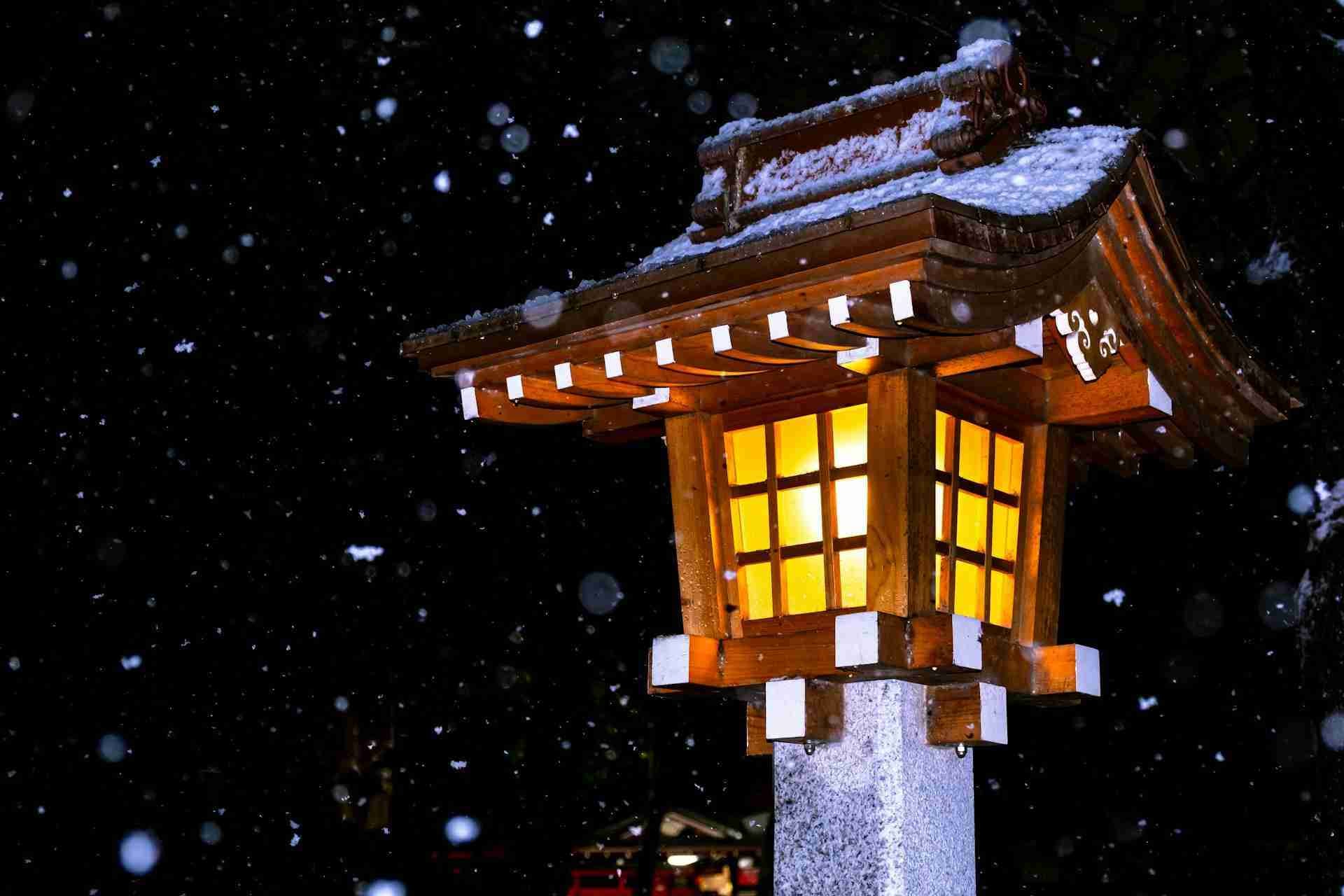
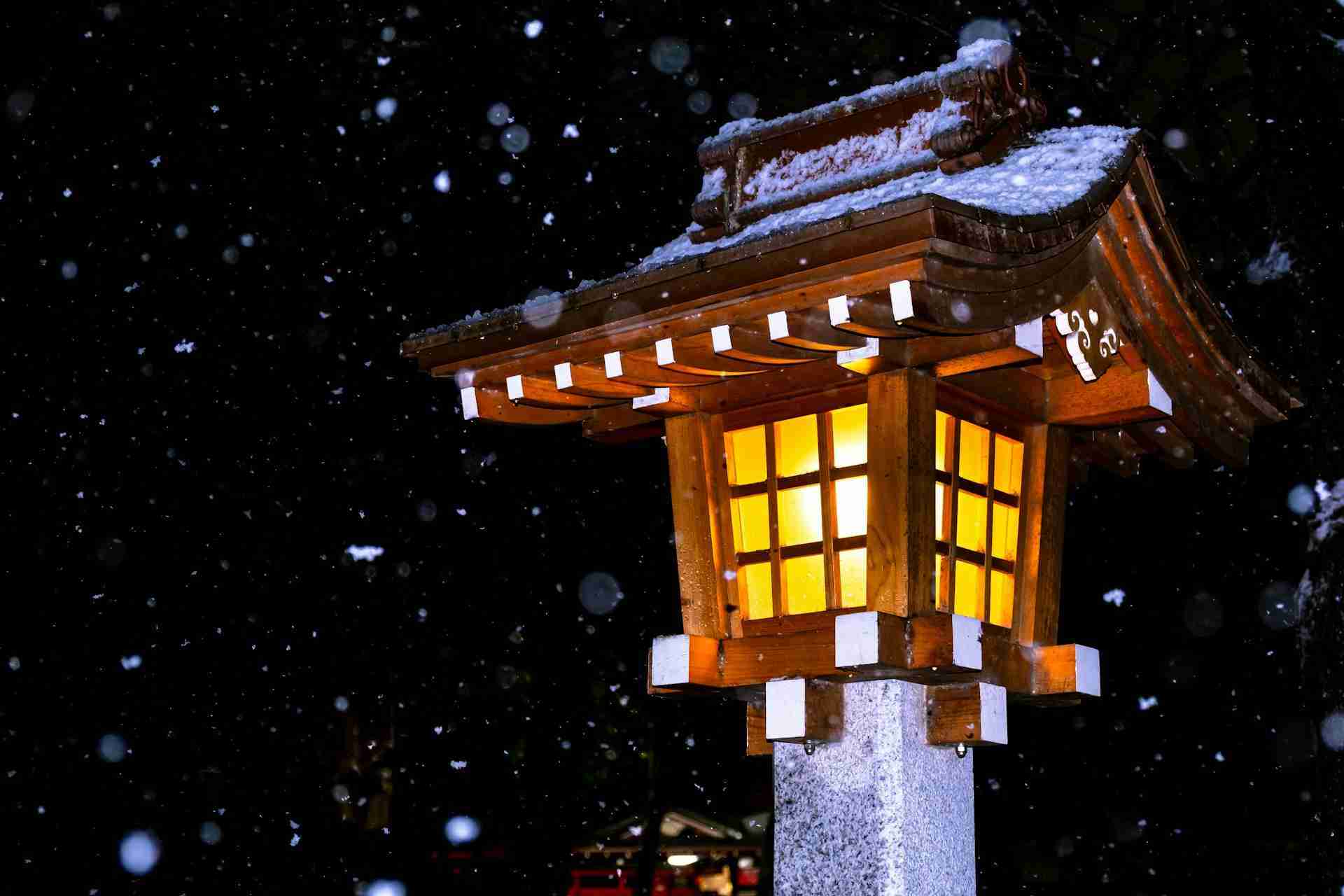
On the outer edges of Hanazono Shrine, tucked beneath tree cover, are smaller altars and stone lanterns that offer quiet photographic moments. These scenes are ideal for tighter framing and detail work, including moss-covered surfaces, weathered wood, and flickering votive candles. Overcast conditions or dappled light through leaves create soft, even illumination that reveals texture without flattening the scene. A fast prime lens like an 85mm allows for shallow depth of field to isolate a specific shrine or lantern while maintaining background context. These images often feel more personal and intimate, offering contrast to the open views at the entrance.
Festival Decorations and Temporary Structures
If your visit coincides with a local festival, especially the Tori-no-Ichi in November, the shrine transforms visually. Stalls line the approach selling good-luck rakes called kumade, and colorful banners, lights, and decorations fill the space. This setting offers more complex, dynamic compositions with movement, pattern, and vibrant color. A 24–70mm zoom is especially useful for navigating crowded areas and shooting both wide context and tighter portraits. Festival scenes benefit from handheld shooting at twilight, when the ambient light blends with lanterns and shop lights. Including background elements like the torii or haiden helps anchor the cultural context of the image.
Contrasts of Tradition and Towering Cityscape
Hanazono Shrine is surrounded on nearly all sides by high-rise buildings, offering multiple chances to contrast traditional Japanese architecture with modern Tokyo skylines. From the rear of the shrine, it is possible to frame the red eaves of the main hall or side structures against mirrored glass towers. These compositions highlight the layered character of the city and are especially effective when shot at twilight or during blue hour, when building lights begin to glow and the shrine's red tones stand out even more. Use a tripod and a longer exposure to capture a quiet, clear frame while the city continues to move in the background. This mix of old structure and new scale is one of the most memorable photographic pairings in central Tokyo.
Best Time to Visit
Hanazono Shrine is open and accessible year-round, but certain times of day and season significantly improve photographic conditions. Early morning, just after sunrise, is often the best time to visit for both light and atmosphere. The first light of day enters the shrine courtyard from the southeast, casting long shadows and bringing out the red tones of the torii and buildings without overwhelming the scene. This is also when the shrine is at its quietest, making it easier to frame clean compositions and work at your own pace.
Late afternoon into blue hour offers another excellent window. The surrounding buildings begin to light up, but the shrine remains a warm, calm space. Shooting at this time creates strong contrast between the traditional structures and the glowing city beyond, especially on overcast days or during winter months when twilight comes earlier. Autumn is particularly strong here. Late November brings fall color to the trees around the shrine, while the Tori-no-Ichi festival adds vibrancy, energy, and layered compositions.
Spring offers soft light and milder weather, though the shrine does not have as many cherry blossoms as other parts of the city. In summer, shooting is best kept to early morning or just before sunset, as the midday light can be harsh and flatten the textures of the architecture. Rainy days, common during Japan's summer season, are not to be avoided. The wet stone paths, misty air, and deeper color saturation make for atmospheric frames that add a different visual tone to the location. Carrying weather protection for your gear is essential, but conditions are very workable if you are prepared.
How to Get There
Hanazono Shrine is located in the heart of Shinjuku City, just a few minutes' walk from Shinjuku-sanchome Station on the Tokyo Metro Marunouchi, Fukutoshin, and Shinjuku lines. The shrine is also within walking distance of the main Shinjuku Station, making it one of the most accessible shrines in Tokyo for both local and international visitors.
The shrine is open to the public at all hours, though the main hall is typically open for worship and visits during daylight. There is no entrance fee, and tripods are allowed on the grounds with care, though it is recommended to use discretion and avoid obstructing pathways or visitors. Photography is allowed throughout the site, but interior shots inside the haiden are not permitted. The grounds are fully paved and compact, allowing for easy navigation even in wet weather or low light. As with many active shrines, be respectful when shooting during ceremonies or festivals and avoid interfering with those there to pray or make offerings.
Recommended Photography Gear
Given its compact layout and urban surroundings, Hanazono Shrine is best photographed with a lightweight and flexible kit. A fast standard zoom lens like a 24–70mm is a strong all-around choice, allowing you to frame wide compositions of the gate and main hall while also zooming in on details such as lanterns and decorative motifs. A 35mm prime is ideal for hand-held shooting in low light and for preserving natural perspective when photographing people or quiet architectural scenes.
A short telephoto lens, such as an 85mm or 70–200mm, is useful for compressing the shrine against its urban backdrop or isolating features like the torii gate framed by high-rise buildings. A small tripod is helpful for low-light and blue hour work, especially when capturing long exposures during festivals or twilight scenes. A circular polarizer can reduce glare on stone paths and roof tiles, particularly useful after rain. A microfiber cloth is recommended, as Tokyo's humidity and city air can quickly leave residue on your lens surfaces.
Because the location involves minimal walking, photographers can afford to carry a bit more gear. An additional lens, compact video setup, or even a small light panel can be useful if working on a short documentary project. That said, maintaining a quiet footprint is important. The shrine is small and active, and working quickly and respectfully will ensure access and comfort for both you and other visitors.
Nearby Photography Locations
Just a five-minute walk from Hanazono Shrine, Golden Gai is a maze of tiny alleyways filled with historic bars, vintage signage, and glowing lanterns. It is perfect for nighttime street photography and handheld detail shots, especially when capturing the warm atmosphere and narrow architectural forms.
Located near the west exit of Shinjuku Station, this alleyway of food stalls and izakayas offers a completely different tone. It is gritty, colorful, and busy. It photographs well at night, with steam rising from kitchens and reflections in wet pavement adding visual energy.
A short walk or metro ride away, this sprawling park offers seasonal landscape scenes, including cherry blossoms in spring and vibrant foliage in autumn. Its traditional bridges, ponds, and garden layouts are ideal for wide-angle landscape or soft-focus detail photography.
For high-elevation shots, head to the top of this nearby skyscraper for panoramic views over Shinjuku and the rest of the city. In clear weather, Mount Fuji is visible in the distance. Dusk and early evening are particularly good times to shoot the grid of Tokyo's lights from above.
Located just south of Shinjuku, Meiji Shrine offers a larger and more wooded shrine environment. The towering torii, long forested paths, and seasonal ceremonies make it an excellent location to complement the more compact and urban feel of Hanazono Shrine.
Photographing Hanazono Shrine is as much about balance as it is about subject. The setting allows for a dialogue between old and new, simplicity and energy, structure and spontaneity. Whether you visit in the quiet of dawn or the buzz of festival night, this small corner of Shinjuku offers images that reflect Tokyo's broader rhythm, layered, composed, and always in motion.
Comments
Loading comments…