
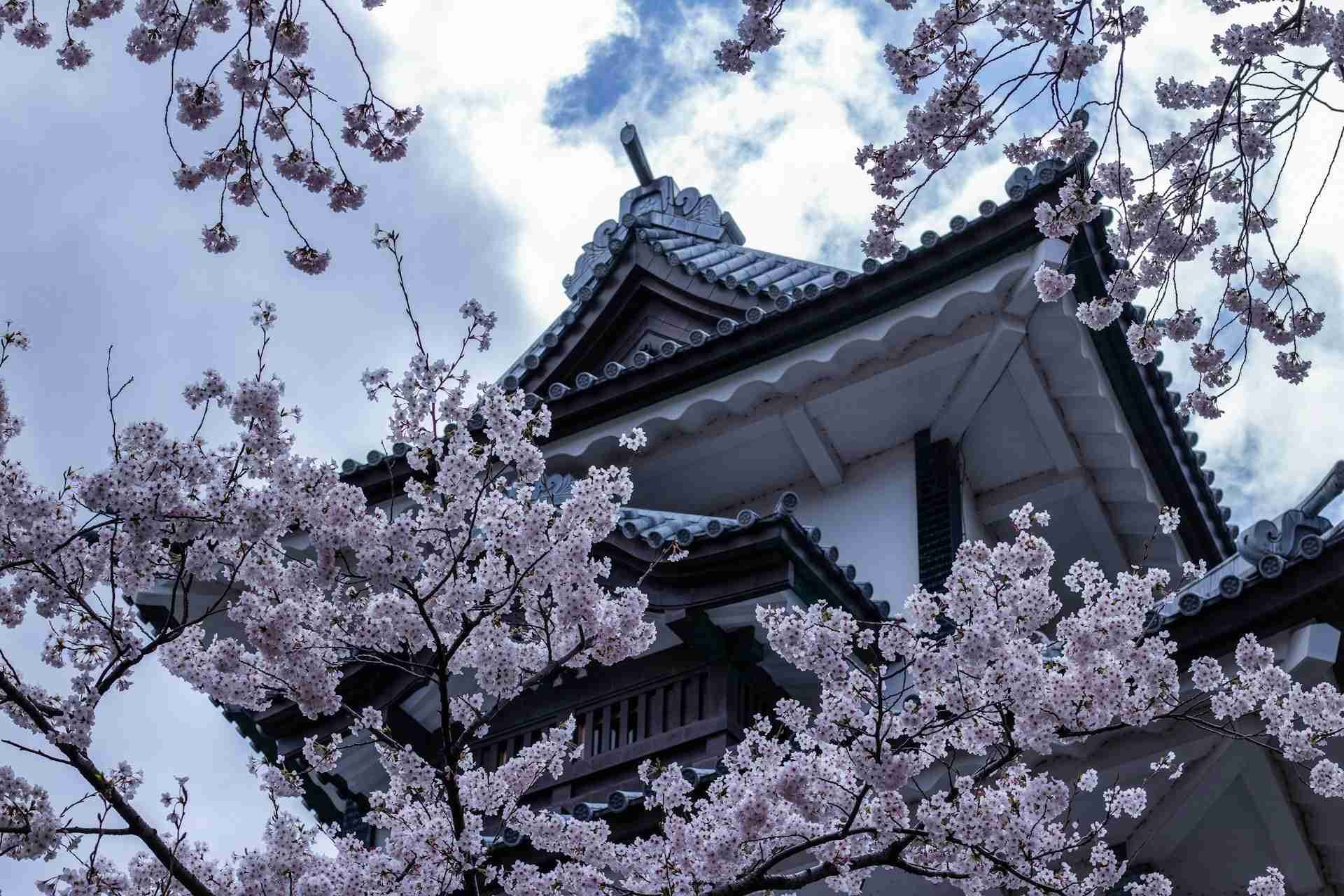
Kanazawa Castle is one of the most refined examples of Japanese feudal architecture, surrounded by manicured gardens, moats, and traditional gates that blend seamlessly with the city's historic core. Unlike other castles in Japan that dominate with height, Kanazawa Castle stretches across a gentle rise, offering long horizontal compositions, precise angles, and a variety of lighting scenarios throughout the day. The combination of pale white walls, intricate tile roofing, and expansive stone foundations gives photographers plenty to explore across seasons and weather conditions. It's a location that rewards patience and careful alignment, with every section of the structure revealing small shifts in tone, line, and balance.
Best Photography Opportunities
• Ishikawamon Gate at Golden Hour
The eastern entrance of Kanazawa Castle is marked by the Ishikawamon Gate, a two-story structure that combines timber framing, white plaster walls, and stone foundation work. During golden hour, warm side light falls across the gate's textured surfaces, bringing out subtle contrast and revealing the joinery of the beams. Frame your shot from just outside the gate's approach, allowing the low sun to skim across the stonework and into the entryway. A wide-angle lens helps include the outer moat and bridge, while a standard zoom lets you pick out textures and shadow detail. On overcast days, the gate takes on a more graphic tone, which works well for black-and-white conversions.
• Panoramic Composition from the Castle Park Grounds
From the expansive lawn inside the castle grounds, photographers can create wide panoramic images that capture the layout of Kanazawa Castle's central structures, including the Hishi Yagura turret and the Gojukken Nagaya storehouse. These long, low buildings align neatly against the slope, and a wide-angle or panorama-stitched sequence offers a sweeping view without distortion. Midday light is cleanest for maintaining even tones across the white walls, but early morning or late afternoon adds shadow relief that can enhance texture. Keep your horizon level, and use a tripod to align frames if stitching. This viewpoint is also excellent for observing seasonal color shifts in the surrounding trees.
• Detail Studies of Tile Rooflines and Joinery
The castle's distinctive lead-tiled roofs are engineered not only for snow but also for visual harmony, with subtle curvature and layered patterns that catch directional light beautifully. A short telephoto lens allows you to isolate these rooflines, capturing the interplay of shadow, texture, and angle. Focus on edge corners where curved ridges meet, or sections where sunlight grazes the tile surface. Rainy or misty days enhance the tile's tone and sheen, giving your images more dimension. These compositions work well as abstracts or as quiet interludes between wider, more formal shots.
• Night Photography with Lit Structures
Selective nighttime lighting across the castle grounds creates dramatic highlights on the main gates, turrets, and inner walls. Using a tripod and low ISO, you can capture the illuminated sections while retaining shadow depth in the surrounding lawns and moats. The warm artificial lighting complements the white plaster and dark wood beams, particularly when reflected in nearby puddles or water surfaces. Focus stacking can help maintain sharpness across the scene if you're composing with both foreground and architectural detail. Blue hour is ideal for balancing ambient sky color with the internal lighting scheme.
• Cherry Blossoms and Reflections at Kahokumon Gate
On the western side of the complex, the Kahokumon Gate sits near a small garden area with cherry trees and reflective water surfaces. In early April, the blossoms form a soft canopy around the gate, offering natural framing that contrasts with the gate's defined geometry. Use a medium focal length to compress the gate with the trees, or a wide-angle to place reflections and petals in the foreground. Shoot on calm days for clean water surfaces, or immediately after rain to capture petal patterns floating in small puddles. A polarizer can help with glare, and a tripod allows for slower shutter speeds in low light.
Best Time to Visit
Kanazawa Castle can be photographed year-round, with each season offering a distinct visual personality. Spring begins in late March with plum blossoms, followed by cherry blossoms in early April. This is one of the most popular times to visit, and early mornings are ideal for soft light, fresh petals, and crowd-free images.
Summer brings lush green foliage that frames the white walls and gray tiles in high contrast, although midday light can be harsh. Shooting in early morning or late evening provides more flattering angles and cooler tones. Rainy days in June and July also offer dramatic skies and saturated tones that emphasize texture in stone and tile.
Autumn typically peaks in mid to late November. Maple trees across the grounds turn crimson and gold, offering vivid backdrops and layered compositions. The western side of the grounds is particularly rich in fall color, and the late afternoon sun backlights the foliage beautifully.
Winter is quiet but photogenic. Snowfall coats the rooftops and lawns, emphasizing line and contrast. The lead-tiled roofs shine with a subtle luster under gray skies, and light snow creates minimalist scenes with rich tonal range. Be prepared for cold conditions and low light, and consider manual exposure adjustments to preserve snow detail.
How to Get There
Kanazawa Castle is centrally located in Kanazawa city, directly adjacent to Kenroku-en Garden. From Kanazawa Station, local buses connect to the Owari-cho stop, which is a five-minute walk from the Ishikawamon Gate. The Kanazawa Loop Bus also offers easy access and is popular among visitors using day passes.
If walking from the station, the castle grounds are about 30 minutes on foot through the city's historic shopping and museum districts. The site has multiple entrances, including Ishikawamon Gate to the east and Kahokumon Gate to the west.
Entrance to the castle park grounds is free, though interior access to some restored areas like the turrets and storehouses may require a small fee. Tripods are allowed in outdoor areas, though use discretion when crowds are present. Drone photography is not permitted without special permission from city authorities, as the site is designated a cultural heritage location.
Recommended Photography Gear
A full-frame camera with solid low-light performance is ideal, especially if you plan to shoot in varied weather or at night. A standard zoom lens (24 to 70 millimeters) will cover most scenes, from gates to interiors. For wider compositions, such as panoramic views or architectural symmetry, bring a lens in the 14 to 24 millimeter range. A short telephoto (70 to 135 millimeters) is useful for isolating architectural details or capturing compressed angles of rooflines.
A tripod is necessary for night shots, golden hour landscapes, and stitched panoramas. A polarizer helps with reflections in the moat and enhances sky and foliage tones, especially during spring and fall. ND filters can be useful on overcast days or when attempting long exposures near moving clouds or people.
Because the site is largely open-air, dress for the season, and bring protective covers for your gear during rain or snow. A remote shutter and extra batteries will help during long sessions or low-light shoots, and a microfiber cloth is useful for clearing lens fog or mist. Travel light but bring a lens cloth and small weatherproof bag if you plan to walk the full perimeter.
Nearby Photography Locations
Directly next to the castle, this famous garden offers year-round seasonal photography. It's particularly rewarding during cherry blossom season and in winter when yukitsuri ropes are installed on the trees.
A preserved geisha district east of the castle, featuring wooden townhouses, narrow lanes, and soft lighting that is especially photogenic in the early evening. The area provides strong contrasts to the open scale of the castle grounds.
Just west of the castle grounds, this shrine includes a distinctive gate blending Japanese and Western architectural elements. It's often less crowded and has excellent soft light in the morning.
For a change in subject matter, this modern circular museum offers reflective surfaces, geometric structure, and interior lighting that contrasts sharply with the castle's historical detail.
The futuristic wooden and glass dome structure above the station is a dramatic framing subject, ideal for wide-angle city compositions. It is especially effective during rain or twilight.
Photographing Kanazawa Castle is about balance and structure. Unlike more vertical or imposing castles, this site invites horizontal exploration and nuanced framing. Whether you are drawn to its clean rooflines, historical texture, or the way light moves across its white walls, the castle rewards return visits in every season.
Comments
Loading comments…