
Koishikawa Korakuen Garden is one of Tokyo's most atmospheric escapes, a landscaped retreat where centuries of design and tradition meet the changing light of the seasons. Built during the Edo period and influenced by both Japanese and Chinese garden philosophies, it is a place where ponds, arched bridges, stone lanterns, and meandering paths come together to form deliberate views at every turn. What makes it especially compelling for photographers is how the entire garden shifts character throughout the year: plum blossoms in late winter, cherry trees in spring, lotus blooms and deep greenery in summer, and vibrant red and gold foliage in autumn. Despite its location in the center of the city, the garden creates the illusion of timelessness, and each visit reveals fresh photographic opportunities. Walking its paths with a camera is as much about patience and rhythm as it is about composition, with every corner offering a chance to frame nature and structure in balance.
Best Photography Opportunities
• Reflections on the Central Pond
The garden's heart is Daisensui Pond, a broad expanse of water designed to anchor the entire landscape. It provides endless opportunities for reflection photography, from cherry blossoms drifting across its surface to lanterns and bridges mirrored in still water. Wide lenses capture the harmony of pond and shoreline, while telephoto work isolates ripples, colour, and subtle interactions between light and shadow. Early morning calm often produces perfect reflections, while late afternoon light adds warmth to the surrounding foliage.
• Cherry Blossoms in Spring
In late March and early April, Koishikawa Korakuen becomes one of Tokyo's celebrated hanami locations. Sakura branches lean over pathways and frame bridges in soft white and pink. For photographers, this is a chance to work with both broad scenes and close details. Shooting wide includes crowds of blossoms arched over water, while tighter compositions capture individual clusters glowing against a blurred background. Because cherry season is crowded, arriving early is essential to secure the most peaceful frames.
• Plum Blossoms Before Spring
Plum trees bloom in February, weeks before the cherry blossoms appear, and their subtle colours make them an underappreciated subject. These blossoms often appear with bare branches around them, giving compositions a contrast between winter's sparseness and the promise of new growth. Their location near stone lanterns and pathways makes them particularly photogenic, and the lower visitor numbers during this season allow for unhurried shooting.
• Autumn Colour
Late November brings one of the most striking transformations of the garden. Maples turn crimson, ginkgo trees glow yellow, and the pond reflects layers of colour. Wide shots of maples arched over the water are some of the most rewarding compositions of the year, while telephotos capture the details of individual leaves lit by sidelight. Even on cloudy days, the saturated tones remain strong, and rain intensifies the palette further.
• Bridges, Stones, and Pathways
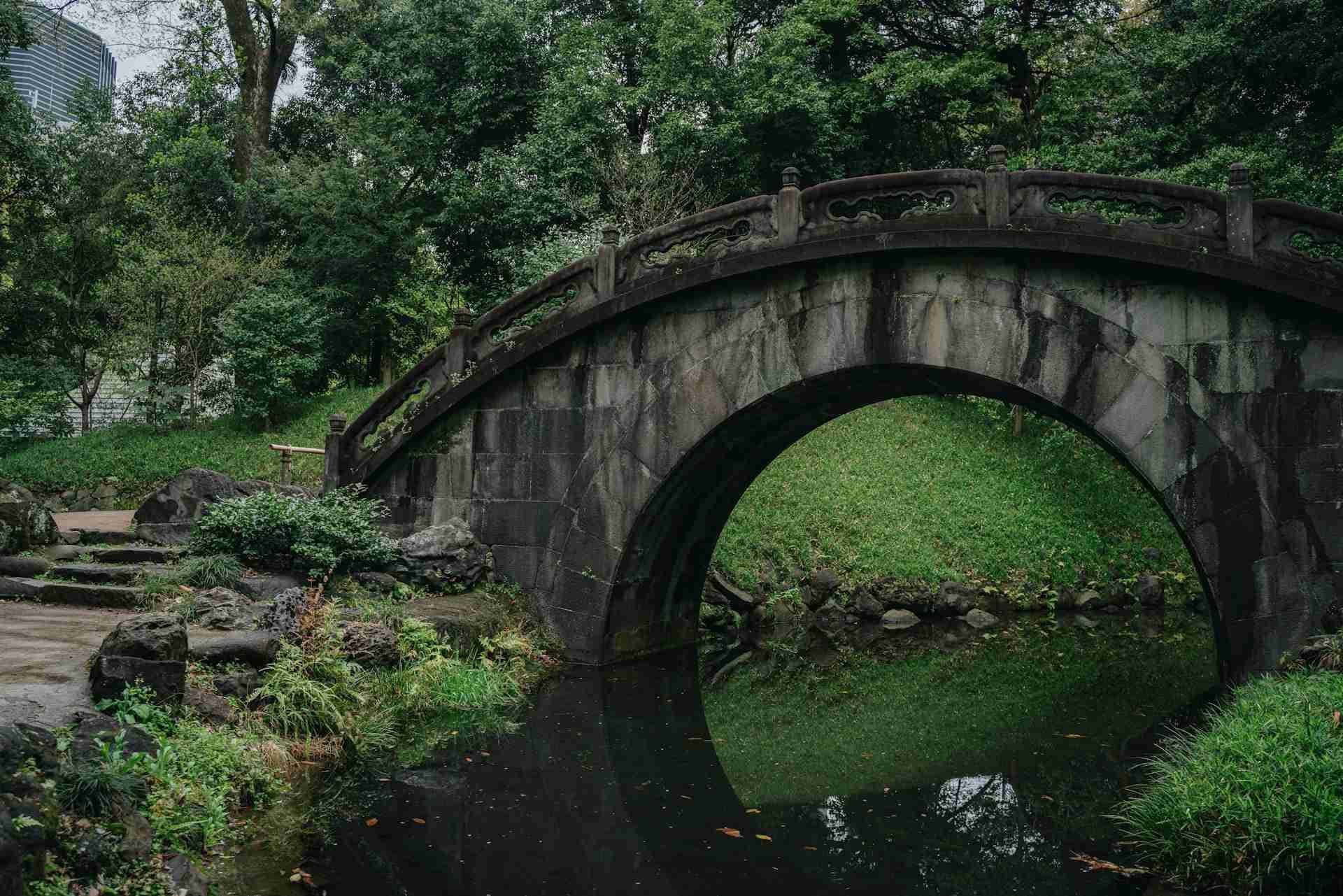
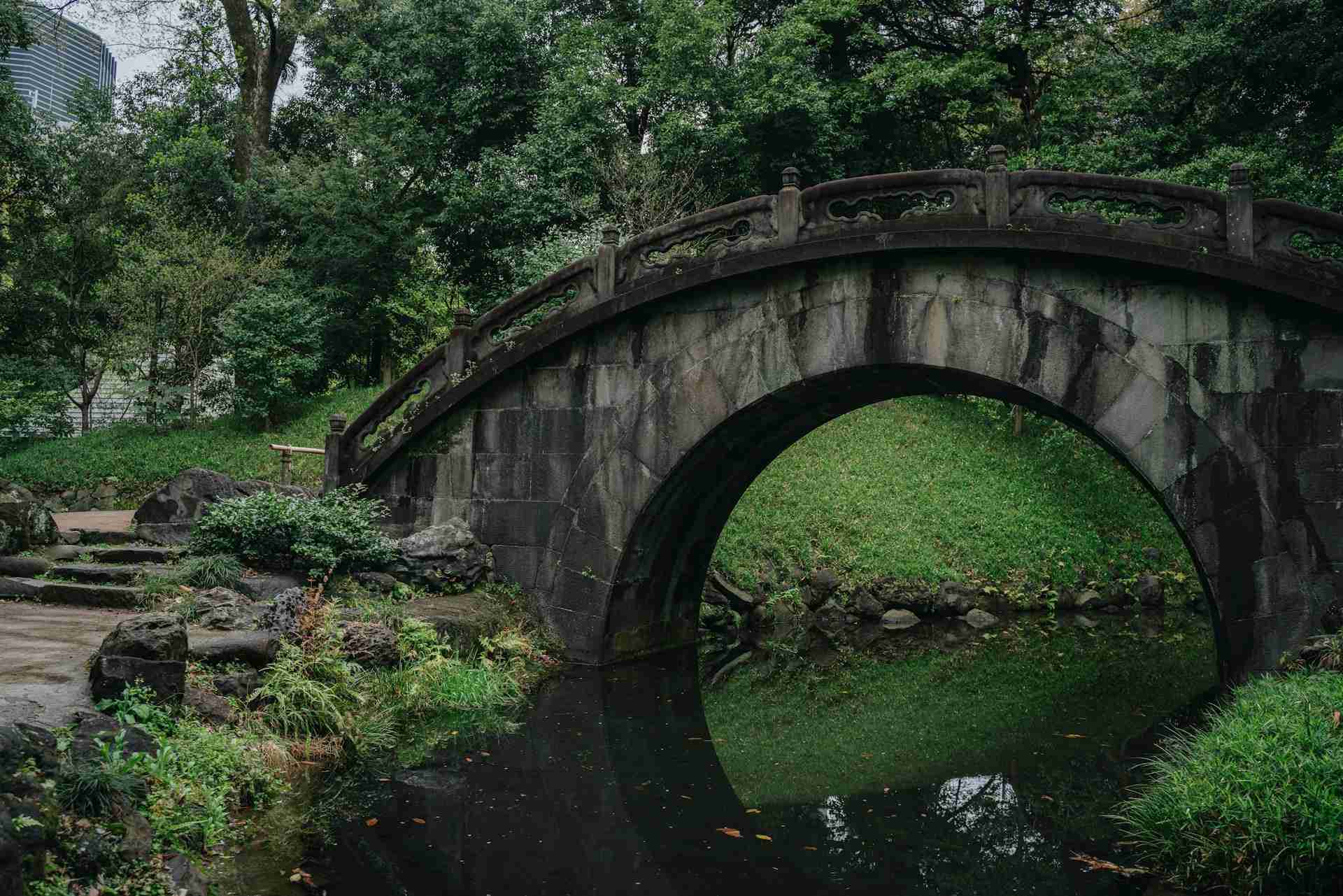
Throughout the garden, stone bridges, lanterns, and winding paths provide architectural anchors for your compositions. The most famous is the full-moon bridge, its perfect arc forming a circle when reflected in water. Shooting low along paths creates depth and perspective, while the play of shadow on stone gives texture and contrast. Including visitors when dressed in traditional attire adds scale and cultural connection to these scenes.
• Summer Lotus Blooms and Greenery
During summer, the pond fills with lotus blossoms that rise above broad green leaves. These flowers are best photographed early in the day before they close under the sun. Macro lenses highlight their delicate structures, while wide shots place them against reflections of bridges or foliage. Even beyond the lotus, the sheer density of summer greenery makes the garden a refreshing photographic subject, though midday light can be harsh.
Best Time to Visit
The garden's design highlights seasonal transitions, and each time of year has something distinct to offer. Plum blossoms in February are the first major event, followed by cherry blossoms in late March to early April. Summer brings lotus blooms and vibrant greens, while autumn in late November delivers the richest palette of red and gold. Winter strips the garden back to stone and water, creating minimalist compositions with long shadows and subdued tones.
Timing within the day also matters. Early morning brings calm reflections and thinner crowds, while midday can be challenging except under the shade of trees. Late afternoons often provide the most rewarding light, with warm tones across bridges and trees. Rainy or overcast days are particularly productive, as wet surfaces enrich colours and umbrellas become part of the story.
How to Get There
Koishikawa Korakuen Garden is located in Tokyo's Bunkyo ward, next to Tokyo Dome. The nearest stations are Iidabashi and Korakuen, both within a short walk of the garden entrance. Because of its central location, it is easy to combine with other sites in the city. Entry requires a small admission fee, and hours are generally from morning until late afternoon. Tripods are not permitted, so photographers must work handheld or use fast lenses to manage low light under the canopy. The garden is compact and can be fully explored in a single visit, though at peak cherry blossom and autumn seasons it can become crowded, making early arrival the best strategy.
Recommended Photography Gear
With tripods not allowed, fast lenses are particularly valuable for shooting in shaded areas. A wide-angle lens is ideal for capturing pond reflections and broad scenes that combine blossoms, bridges, and water. A mid-range zoom such as a 24 to 70 millimetre lens provides flexibility for balanced compositions that include both natural and architectural features. A telephoto lens isolates blossoms, compresses reflections, and captures detail across the pond. Macro lenses are useful for close studies of cherry or plum blossoms, lotus flowers, and the textures of stone lanterns. A polarising filter helps reduce glare on water and deepens colour saturation. Because the paths are narrow and crowded during peak seasons, lightweight gear and efficient packing make movement through the garden easier.
Nearby Photography Locations
Another Edo-period garden nearby, Rikugien is especially celebrated for its autumn foliage. Its larger pond and tea houses provide compositions that complement Koishikawa Korakuen, making it an excellent second stop in the same day.
This expansive garden offers a blend of Japanese, English, and French styles. It is particularly rewarding in spring for its cherry blossoms and in autumn for broad lawns framed by colourful trees.
Directly next to the garden, Tokyo Dome City contrasts dramatically with its neon lights, amusement rides, and modern architecture. Photographing both on the same outing highlights Tokyo's blend of historic and contemporary.
Near the Imperial Palace, this moat lined with cherry blossoms is one of Tokyo's most famous hanami locations. Boats drifting among the blossoms add motion and storytelling to spring compositions.
On Tokyo's eastern side, Kiyosumi Garden provides another traditional landscaped pond garden, quieter than Koishikawa Korakuen and ideal for those seeking a less crowded but equally photogenic alternative.
Koishikawa Korakuen may sit in the middle of Tokyo, but once inside its gates you step into a carefully crafted world where every path leads to a framed view. The garden's appeal lies in its ability to change character with the seasons, rewarding return visits with new palettes and moods. For photographers, it offers the chance to capture Japan's traditions of design and its rhythms of nature, all within a setting where blossoms, stones, and reflections tell a story that feels timeless.
Comments
Loading comments…