
Kyoto Gyoen National Garden is a vast public park in the heart of Kyoto, surrounding the Kyoto Imperial Palace with an elegant mixture of wide gravel paths, structured groves, stone bridges, and carefully managed open lawns. Despite its central location, the garden offers a quiet, spacious atmosphere rarely found in urban parks, making it ideal for photographers seeking balance, simplicity, and subtle seasonal change. Rather than focusing on a single landmark, Kyoto Gyoen invites thoughtful composition across shifting textures, understated architecture, and the meditative rhythm of shadows, trees, and traditional enclosures. It rewards a slower pace and a refined eye for tonal variation, particularly in soft light and transitional seasons.
Best Photography Opportunities
• Seasonal Tree Framing Along the Outer Paths
The garden is lined with long, straight gravel paths flanked by mature trees, including cherry, plum, and gingko. In spring, these trees offer soft, pastel blossoms, while autumn brings strong color shifts in the foliage. The linear structure of the paths combined with the texture of the gravel and tree trunks creates a natural leading-line composition that is simple but highly effective. A wide-angle lens lets you emphasize perspective and draw the viewer's eye down the corridor, while a longer focal length compresses the rows of trees for a more graphic effect. These scenes are especially effective in soft morning light, which creates long shadows and muted contrast. Shooting just after rain adds gloss to the leaves and darkens the gravel, increasing the tonal range of the composition.
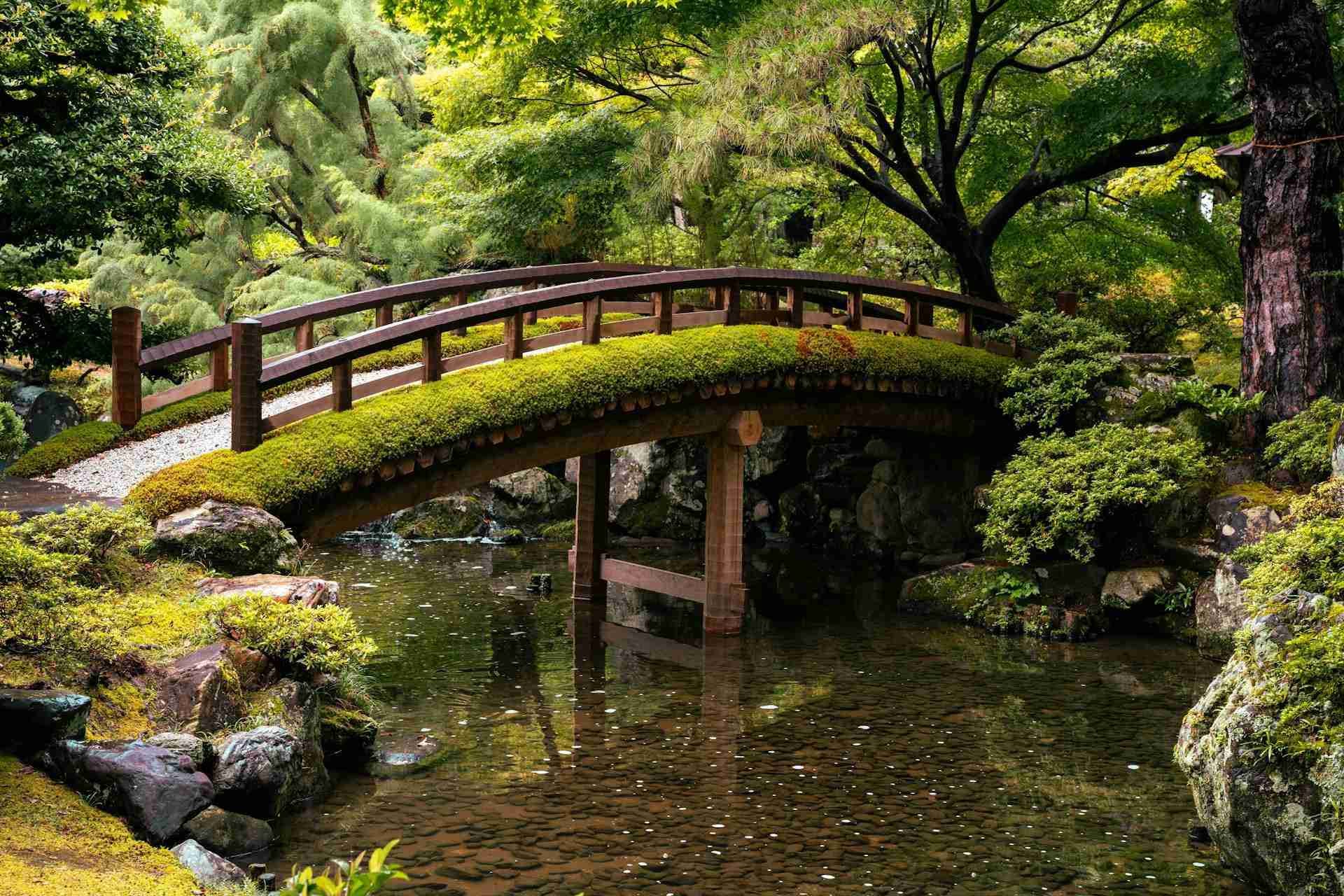
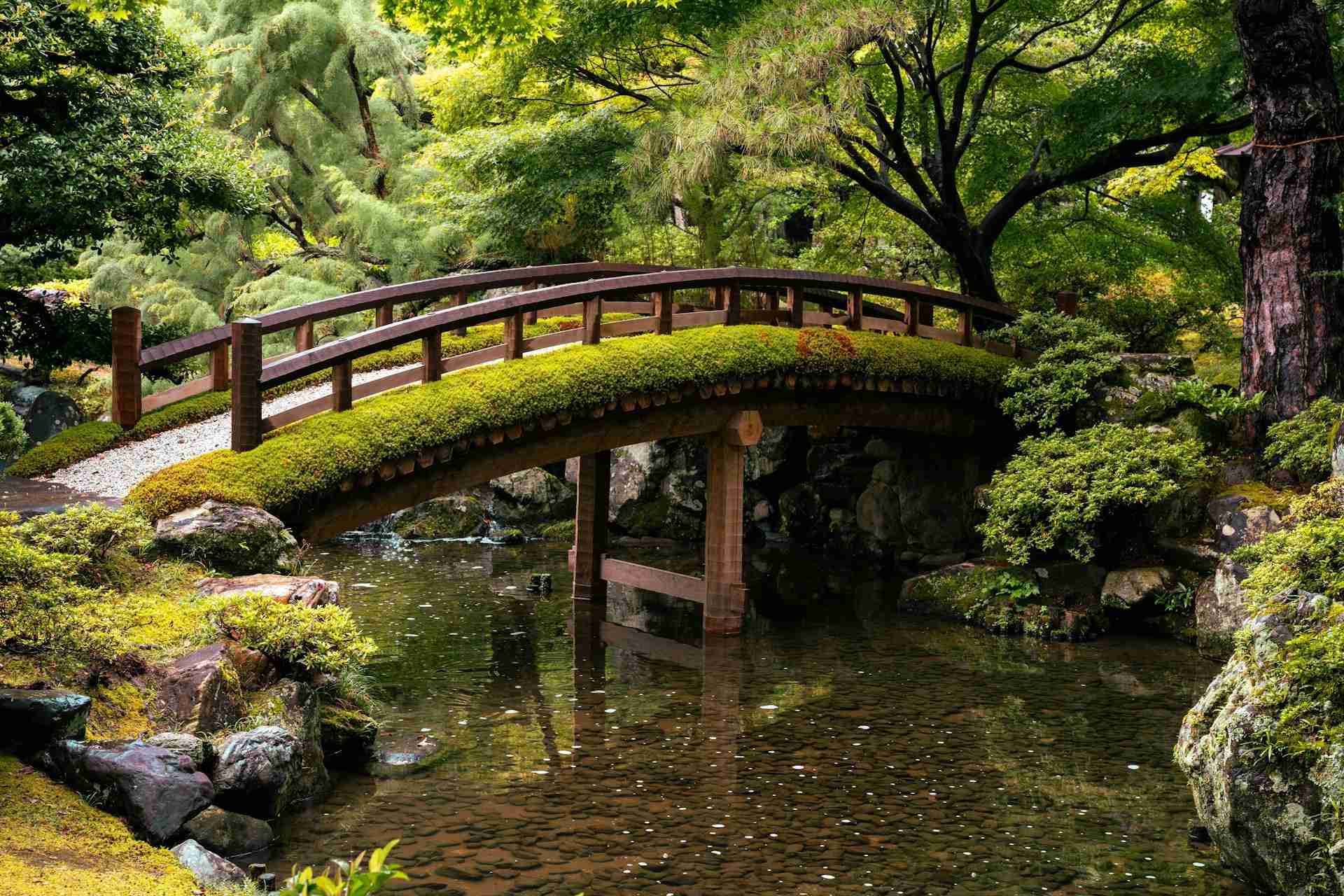
• Traditional Wooden Bridges Over Still Water
Several small streams and ponds break up the open lawns and woodlands, many crossed by simple wooden bridges with gentle arches and natural handrails. These bridges are excellent focal points, offering opportunities for framing reflections, capturing symmetry, or isolating small human elements such as walkers or cyclists. A standard zoom lens from a low angle can highlight both the bridge structure and its mirrored shape in the water. Early morning or late afternoon offers the best light, especially when sunlight filters through the surrounding trees. Use a polarizer to manage surface glare and help bring out subtle colors in the water and foliage.
• Minimalist Compositions with Open Gravel Areas
Large open spaces covered in pale gravel dominate portions of the park, particularly around the Imperial Palace walls. These spaces allow for minimalist compositions, where the geometry of the scene becomes more important than detail. Single trees, stone lanterns, or distant figures walking through these fields can become quiet subjects against an otherwise empty backdrop. These images benefit from overcast skies, which reduce shadow clutter and emphasize shape over texture. Use a mid-range lens to compress the space slightly, and experiment with central or off-balance framing depending on your intent. The neutral tone of the gravel provides an excellent base for black-and-white conversions.
• Plum Grove in Early Spring Light
Before the cherry blossoms arrive, Kyoto Gyoen's plum grove begins to bloom in soft whites, pinks, and purples, often under cooler light and without the crowds associated with sakura season. These early blossoms appear in tighter clusters and against bare branches, creating a more intimate and detailed floral subject. Use a short telephoto lens to isolate blossoms or create layered compositions with the imperial wall or distant figures in the background. Because plum blossoms appear in February and early March, you may also find frost or leftover snow around the base of the trees, adding a unique seasonal contrast.
• Symmetry and Texture Around the Imperial Palace Gates
The outer gates and walls of Kyoto Imperial Palace provide a strong architectural counterpoint to the garden's natural forms. The dark wood of the gates, tiled roofs, and whitewashed walls create clean, graphic backgrounds for environmental portraits, still life, or studies in symmetry. Reflections in puddles near the stone foundations or fallen leaves against white plaster offer simple but effective compositions. The repetition of rooflines and the rhythmic gaps between gates and walls can be used to guide the viewer's eye or anchor an otherwise soft natural scene with harder detail. Tripods are useful here for exact symmetry, especially when working in lower light.
Best Time to Visit
Kyoto Gyoen National Garden offers distinct photographic moods throughout the year, making it a valuable location for repeat visits. Spring is divided into two main phases: plum blossoms in February and early March, and cherry blossoms from late March through early April. Both events bring light, color, and a sense of renewal to the otherwise muted tones of the park.
Autumn peaks from late October into mid-November, when the gingko trees turn gold and maples shift to deep crimson and orange. During this time, the soft grass lawns are scattered with fallen leaves, and the low sun angle highlights textures in tree bark and old walls. Early morning is best to catch golden light and to avoid both foot traffic and harsh contrast.
Summer is the least visually rewarding season for most compositions due to dense green foliage and strong overhead light. However, this can be an interesting time to focus on symmetry, shade patterns, and minimalist studies of the gravel paths and shadow play. Rainy days offer rich tonality and reflective surfaces that simplify the scene.
Winter strips the park to its structure, revealing the bones of the landscape. Trees become silhouettes, and the large open areas feel even more expansive. Snowfall is rare but possible and transforms the scene into one of simplicity and muted contrast. Midday light can work well in this season due to the low angle and softer sky.
How to Get There
Kyoto Gyoen National Garden sits at the heart of Kyoto city, easily reached from multiple transit points. The closest subway stations are Marutamachi and Imadegawa on the Karasuma Line, with entrances to the garden located near each station. Walking from Kyoto Station takes around 30 minutes, but the park is easily accessed by city buses as well, with frequent service to the palace-side perimeter.
There are multiple gates to the garden, and all are free to enter year-round. The park is open from early morning until sunset. Wide gravel paths make it easy to navigate with gear, and benches and shaded rest areas are scattered throughout. Photography is allowed without restriction in the park grounds, but access to the Imperial Palace interior is limited to scheduled tours and may not allow professional equipment.
Tripods are permitted, but be mindful of pedestrian traffic and avoid blocking major paths. Drones are not allowed within the park or over the palace grounds. Most areas are level and accessible, though weather conditions such as rain can make gravel paths slippery or muddy.
Recommended Photography Gear
A versatile camera setup will serve you well in Kyoto Gyoen. A full-frame body with good tonal control allows you to capture the subtle variations in light and texture throughout the park. A 24 to 70 millimeter zoom is ideal for covering a wide range of scenes, from architectural framing to soft portraits of seasonal trees. A wide-angle lens is helpful when shooting long tree-lined paths or symmetrical gates, while a short telephoto is perfect for isolating blossoms, textures, or architectural detail.
A tripod is recommended for symmetry work, early morning low light, or night festival shots, especially during seasonal events. A polarizing filter helps with contrast on overcast days and brings out tones in gravel, tree trunks, and water reflections. In spring and autumn, a lens hood and cleaning cloth are helpful for managing petal and leaf debris or sudden mist.
Carry extra batteries and a weather-resistant bag, especially in early spring and late autumn when sudden showers are common. A remote shutter is helpful for deliberate compositions near the palace gates or reflections where small movements matter. Travel light if you plan to walk the entire garden circuit, but make sure to bring your most versatile lenses to adapt to the wide range of scenes.
Nearby Photography Locations
Located within the garden itself, the palace offers traditional architecture with rich textures, wooden beams, and sweeping tiled roofs. Though interior access is limited, the exterior walls and gates are strong subjects in their own right.
Just north of the main park grounds, this grove becomes a quiet floral zone in February and March, offering softer compositions and gentler light than the more crowded cherry blossom areas.
Bordering the northern side of the park, this campus combines Western-style buildings with Japanese landscaping. It provides a contrast in architecture and can serve as a unique framing device in compositions looking south toward the garden.
A short walk east, this street is lined with small temples, quiet alleyways, and traditional signage. It is ideal for low-light or texture-rich compositions, especially early or late in the day.
A short subway ride north, this expansive garden offers seasonal plants, greenhouses, and open lawns for macro photography or layered landscape studies. It pairs well with Kyoto Gyoen for a full-day nature-focused itinerary.
Photographing Kyoto Gyoen National Garden is an exercise in attention and subtlety. While the park does not overwhelm with spectacle, it provides a quiet stage for studying light, texture, and composition in a way few urban landscapes can. By approaching it with care and patience, photographers can draw something new from its paths every time they return.
Comments
Loading comments…