
In the heart of Tokyo's bustling Shinjuku district, Shinjuku Gyoen National Garden offers an unexpected shift in pace, a calm, expansive park where formal gardens, reflective ponds, and mature trees create a haven for quiet photography. Originally built as a feudal lord's estate, the grounds now blend Japanese, English, and French garden styles across over 140 acres. Wide lawns meet carefully pruned pines, winding stone paths, and seasonal plantings that shift the park's palette throughout the year. For photographers, this site is all about timing, framing, and subtle control of light. The range of textures, open shade, and still water scenes make it a rewarding location for everything from classic landscapes to detail studies and street-style candids in a natural setting.
Best Photography Opportunities
• Framing the Japanese Garden and Tea Pavilion
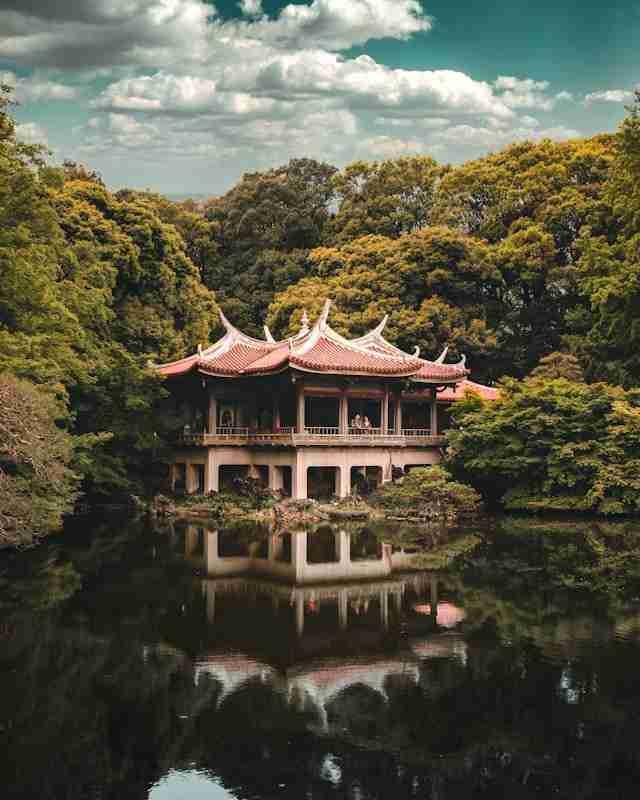
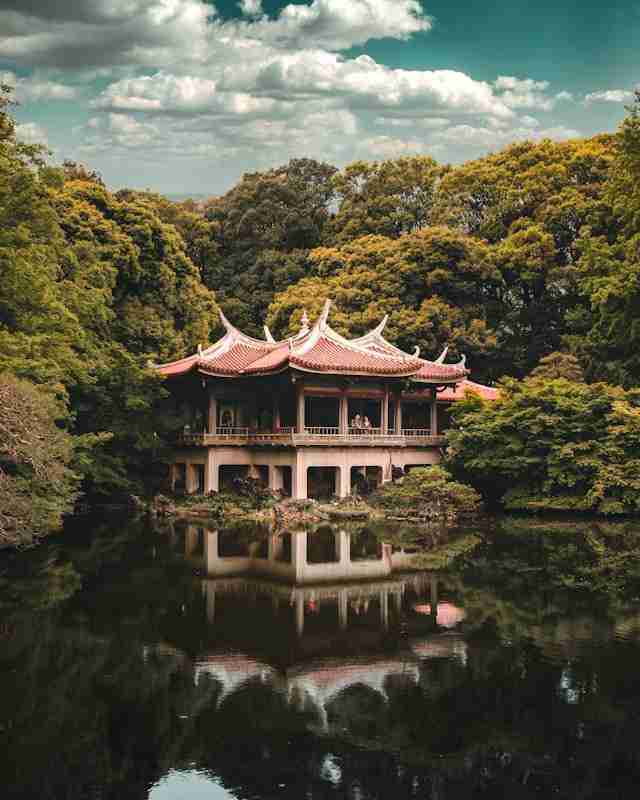
One of the most visually refined areas in the park is the traditional Japanese garden, anchored by a wooden tea house that sits quietly above a still pond. The reflections here are nearly perfect on calm days, especially in the early morning before wind or foot traffic stirs the surface. Frame with overhanging branches or trimmed shrubs to lead the viewer into the scene. A circular polarizer helps manage glare and strengthen reflections. The best compositions come from low angles along the pond edge where stone and water meet.
• Cherry Blossom and Seasonal Transitions
Shinjuku Gyoen is one of Tokyo's most celebrated cherry blossom sites, with multiple varieties that bloom in staggered waves between late March and early April. The scale and spacing of the trees create ideal shooting conditions for clean framing without crowding. Use a longer lens to isolate individual branches against soft backgrounds or go wide to capture groups of people under the petals for natural storytelling. In autumn, the park's maple trees shift into deep red and orange tones. Look for leaf-strewn paths and use backlighting to highlight texture in the foliage.
• Pond Reflections and Bridge Compositions
The central pond areas offer balanced compositions with bridges, shrubs, and trees all reflected in calm water. Shoot early in the morning when the light is soft and the paths are quiet. Reflections can be symmetrical or offset depending on your position. A 24 to 70mm lens gives you the flexibility to adapt as people pass through the scene. In mist or light rain, the atmosphere deepens, and color saturation improves, great conditions for moodier landscape frames.
• Greenhouse and Architectural Detail
The park's large greenhouse contains tropical and subtropical plants, offering a different visual experience with tight leaf patterns, soft natural diffusion, and interior light control. Macro lenses work well here, and there are several angles where light filters through layered glass or misting systems. The exterior of the greenhouse and the nearby rest pavilions offer simple architectural shapes and textures that sit well in black-and-white frames or high-key edits.
• People in the Landscape
Although Shinjuku Gyoen is not a traditional street photography setting, it provides strong opportunities for including people as visual elements. Look for moments of stillness, a figure reading on a bench, a group walking beneath branches, or someone sketching the scenery. These quiet gestures can be framed in long lens layers, with trees and plants forming a soft separation between the subject and background. Use a silent shutter if your camera allows, and work respectfully from a distance.
Best Time to Visit
The park is beautiful year-round, but each season shifts its photographic character. Spring, particularly late March to mid-April, brings cherry blossoms in both the Japanese and English gardens. This is the busiest time for visitors, but the early morning hours offer quiet windows with perfect low light and fewer distractions. Visit on a weekday and arrive when the park opens to secure better shooting conditions.
Summer fills the landscape with dense green textures and strong sunlight, especially around midday. Early morning or just before closing offers the best lighting for portraits or pond work, when shadows lengthen and the air cools. The greenhouse provides useful shade and soft light throughout the day if outdoor contrast becomes difficult.
Autumn is a highlight here, from late October through November, when the maples and ginkgos turn into layers of gold and red. Backlight is essential for catching color and contrast. Afternoon light falling through trees near the Japanese garden offers some of the park's richest frames.
In winter, the color fades but structure comes forward. Bare branches, moss-covered stones, and low sun angles create a quiet, minimal environment. Snow is rare but impactful when it does arrive. Cloudy days are great for flat light and simple tonal range studies. Avoid midday in winter when the sun sits low and shadows cut sharply across open lawns.
The park opens at 9:00 a.m. and closes at 4:00 p.m. (last entry at 3:30 p.m.). These fixed hours make timing especially important for catching morning light or working efficiently in the afternoon. Tripods are not allowed, so prepare for handheld shooting or use stabilized lenses and high ISO settings when needed.
How to Get There
Shinjuku Gyoen is located in Shinjuku City, Tokyo, and is easily accessible via public transit. The closest station is Shinjuku-gyoemmae Station on the Tokyo Metro Marunouchi Line, which is about a 5-minute walk from the Okido Gate. Shinjuku Station, one of Tokyo's main transport hubs, is a 10-minute walk to the Shinjuku Gate. There are three main gates to the park: Shinjuku Gate (west), Okido Gate (east), and Sendagaya Gate (south), each with its own access path and flow.
Entry requires a small admission fee, which can be paid at any of the gates. Payment is accepted in cash or by card. The park is open year-round but closed on Mondays, or the following weekday if Monday is a national holiday. Security and staff are present, and photography is allowed as long as it does not interfere with the enjoyment of others. Tripods, lighting stands, and commercial shoots require special permission and are typically restricted.
Plan your route based on where you want to begin shooting. The Japanese garden is closest to Shinjuku Gate, while the greenhouse is more accessible from the Okido Gate. Signs throughout the park are bilingual, and walking paths are well maintained and clearly marked.
Recommended Photography Gear
Because tripods are not permitted, bring gear optimized for handheld work. A mirrorless or DSLR camera with in-body stabilization or stabilized lenses is ideal. A 24 to 70mm lens will handle the majority of compositions throughout the park, giving you the flexibility to shoot wide scenes and isolate details. For tighter compositions, portraits, or layered views across water, a 70 to 200mm lens is extremely useful.
In the greenhouse or shaded areas, a fast 35mm or 50mm prime lens allows for clean, handheld shots in low light. A polarizing filter helps manage glare on water or wet leaves, especially after rain. If you are working with high contrast scenes or reflections, consider using exposure bracketing to merge frames later.
Extra batteries and memory cards are a must, especially if you're shooting during peak seasonal changes. A microfiber cloth is useful during light rain or for managing condensation in the greenhouse. Because you'll be on foot the entire time, keep your kit light and mobile. A small shoulder bag or backpack with rain protection is best.
Comfortable shoes and a water bottle will make a full-day visit manageable. Bring a small notebook or voice recorder if you want to remember shot locations for seasonal return trips, as compositions change dramatically across the year.
Nearby Photography Locations
Located just south of Shinjuku Gyoen, this large shrine complex features wide gravel paths, towering torii gates, and dense forested trails. Early morning is the best time for quiet compositions and subtle light through trees.
These free public observatories offer panoramic views over Tokyo and are particularly good in the late afternoon as light cuts across the skyline. On clear days, Mount Fuji may be visible in the distance.
• Omoide Yokocho and Kabukicho
A short walk from Shinjuku Station, these neighborhoods offer high-energy street photography with narrow alleys, neon signs, and contrasting light conditions. Visit at dusk or after dark to make the most of artificial lighting.
One of Tokyo's largest city parks, Yoyogi offers wide-open lawns, long tree-lined paths, and great people-watching opportunities. It is especially good in the fall when ginkgos and maples line the walkways with color.
Located west of Shinjuku Station, this urban park is smaller but more structured, with clear views of nearby skyscrapers and sculptural elements. It works well for architectural context shots and city-versus-nature juxtapositions.
Shinjuku Gyoen is more than a park. It is a space where the city slows down, where every season brings a new structure to the light, and where quiet scenes reveal themselves to photographers who are willing to wait, walk, and pay close attention. In a city defined by speed and sound, this is where stillness becomes part of the frame.
Comments
Loading comments…