
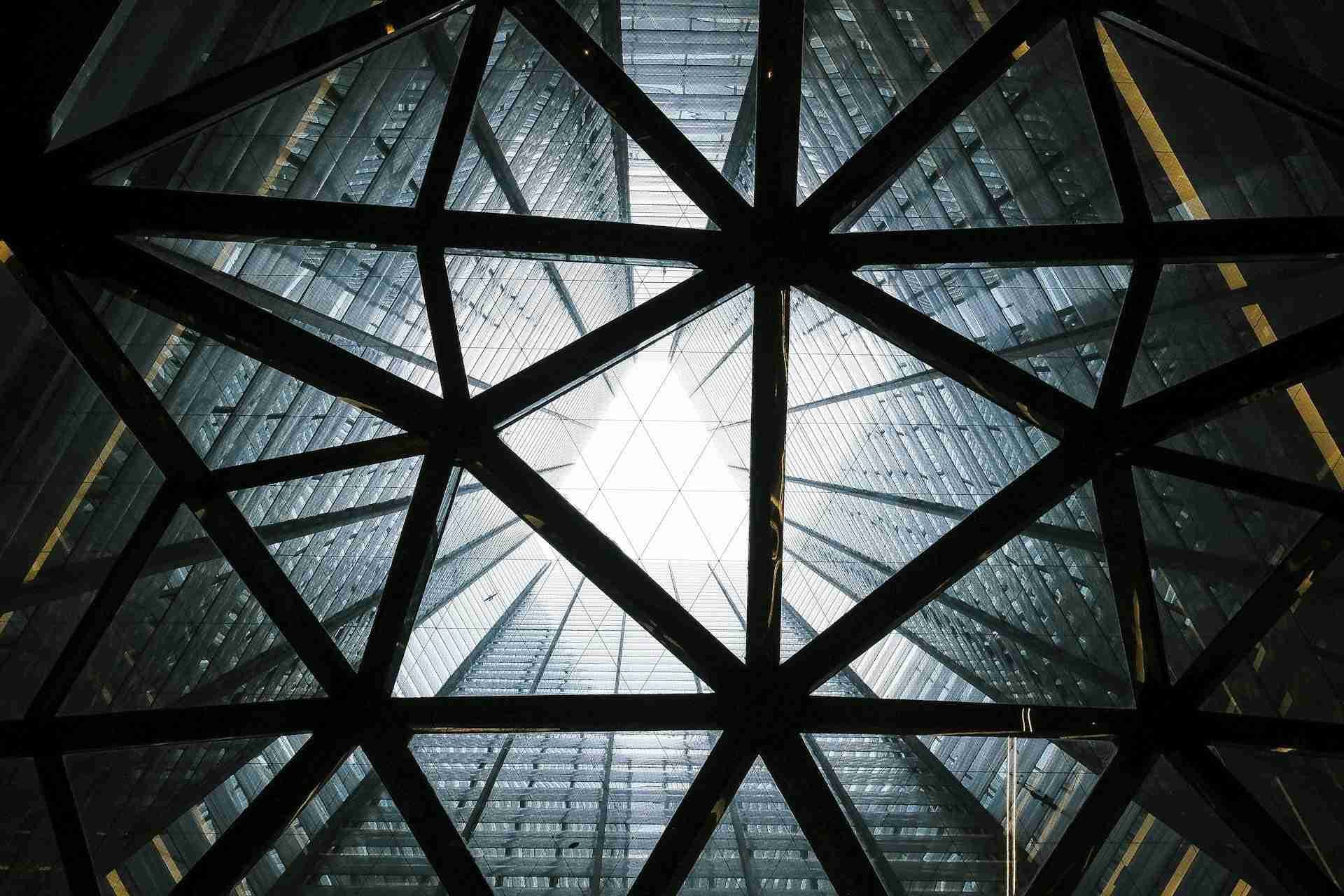
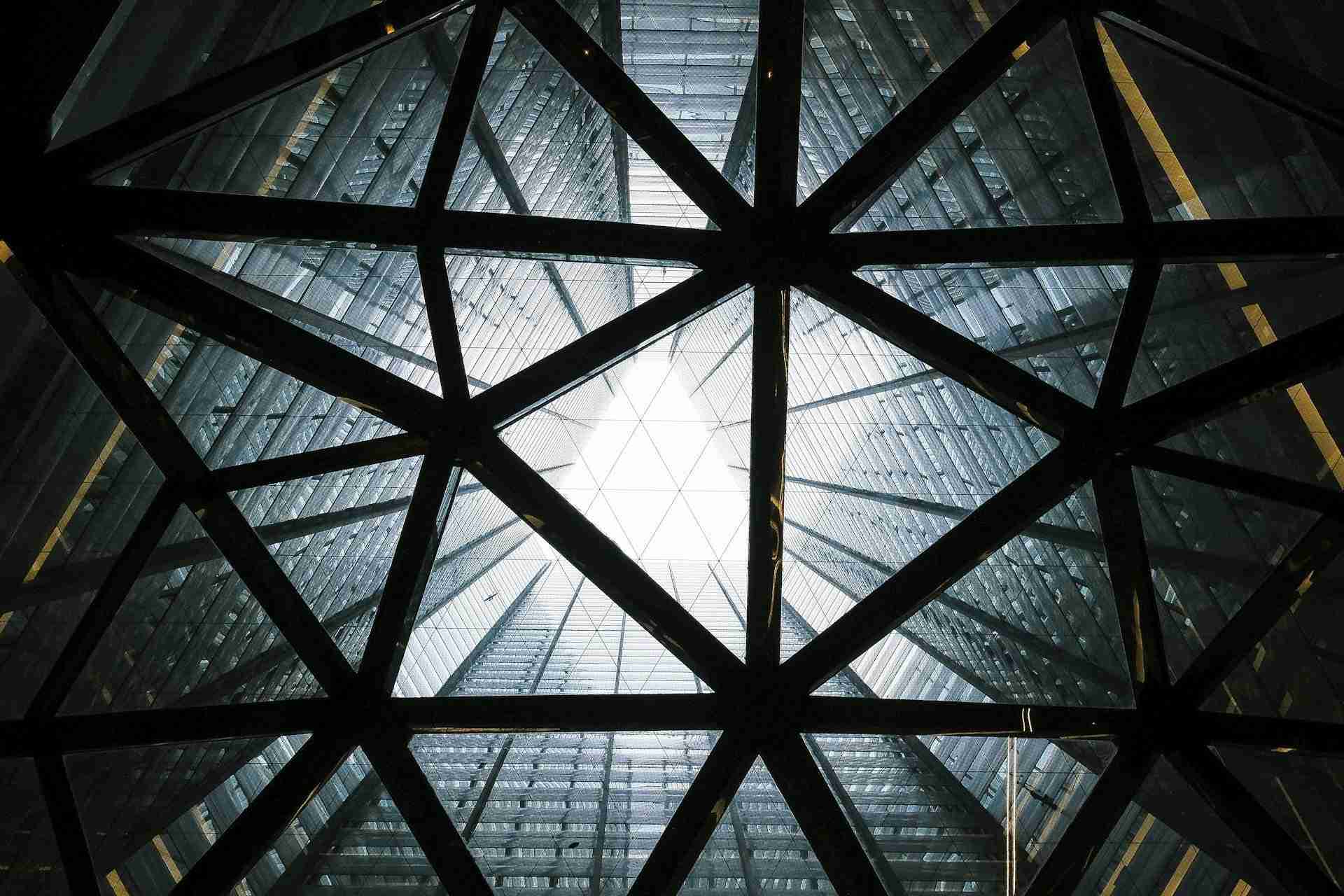
One of the most iconic towers in Tokyo's skyline, the Shinjuku Sumitomo Building stands as a monolithic reminder of the city's postwar modernist boom. Completed in 1974, this 210-meter-tall skyscraper was once the tallest in Japan and remains a striking subject for architectural photography today. Most notable for its bold triangular footprint and massive open atrium, the building's design draws photographers seeking strong symmetry, dynamic vanishing lines, and high-contrast urban imagery. Situated in the heart of Shinjuku's skyscraper district, the Sumitomo Building is surrounded by a rich mix of older high-rises and gleaming new glass towers, creating layers of architectural interest both from ground level and nearby vantage points.
Best Photography Opportunities
• Frontal symmetry from the plaza below
: One of the most powerful ways to capture the Shinjuku Sumitomo Building is from directly beneath the main atrium on the western side. Shooting straight up between the vertical flanks reveals a stunning triangle of sky framed by the building's concrete and glass walls. A wide-angle lens is essential to take in the full geometry of this unique architectural space. Visiting at midday, when the sun is high, ensures even lighting between the sides of the triangle, emphasizing the hard lines and bold shadow play. A vertical orientation emphasizes the depth and height of the structure.
• Detail studies of facade patterns and windows
: The building's repetitive window grid and concrete surfaces offer plenty of material for minimalist architectural compositions. Use a mid-range zoom to isolate sections of the facade, focusing on texture, rhythm, and contrast between glass and concrete. Overcast days are excellent for this style of photography, muting reflections and allowing for flat, high-detail renderings. Alternatively, early morning light brings subtle shadow angles that enhance depth across the window patterns.
• Reflections and layering from adjacent towers
: Shinjuku's skyscraper district includes several modern glass buildings that reflect the Sumitomo Building's angular form. Position yourself to shoot from across the street or nearby pedestrian bridges to capture its reflection among newer architectural styles. Including foreground elements like signage, trees, or street activity adds a narrative layer that connects the structure to the life of the city around it. Twilight offers especially effective conditions for this, when building lights begin to glow but ambient light still holds.
• Interior lines and atrium perspectives
: The interior of the building, particularly the public areas around the lower floors and the massive ground-level atrium, provide excellent opportunities for capturing strong diagonal lines and industrial materials. Shooting wide and low lets you emphasize the sharp angles and the vast volume of the open lobby. Midday light filtering through high windows creates shafts of illumination that cut across the concrete and stone, lending drama to an otherwise minimal palette.
• High vantage point views from the nearby Tokyo Metropolitan Government Building
: While the Sumitomo Building itself does not offer an observation deck, its proximity to the Tokyo Metropolitan Government Building means it can be captured from above. From this free observation deck, use a telephoto lens to isolate the triangular footprint of the Sumitomo Building below, surrounded by the layered texture of Shinjuku's dense cityscape. This angle is especially rewarding at dusk, when the surrounding buildings glow and the triangular shadow of Sumitomo stretches across the grid of streets below.
Best Time to Visit
The Shinjuku Sumitomo Building can be photographed year-round, but certain times of day and weather conditions create more dramatic imagery. Midday light works well for shooting the building's upward perspectives, especially when the sun is directly overhead and illuminates the interior triangle evenly. Early morning and late afternoon provide long shadows and golden highlights that enhance the geometry of the structure.
Twilight is particularly good for exterior scenes that incorporate reflections, street activity, or urban lighting. The combination of artificial light from surrounding towers and the fading ambient sky makes for a high-contrast, cinematic mood, especially when combined with long exposures of moving traffic or people.
Rainy or overcast days are excellent for flat, detail-oriented architectural studies, eliminating glare and allowing textures to come through cleanly. Even light is ideal for capturing the building's material palette of concrete and glass without distractions from harsh sun.
How to Get There
The Shinjuku Sumitomo Building is located in the Nishi-Shinjuku district of Tokyo, within walking distance of Shinjuku Station—one of the busiest transportation hubs in the world. From the station's west exit, it's about a 10-minute walk through the skyscraper district.
The nearest subway station is Tochōmae Station on the Toei Oedo Line, which connects directly to the basement level of the building. Once inside, signs and escalators guide visitors to the ground level, where the open plaza and atrium are located.
The surrounding district is pedestrian-friendly, with wide sidewalks, overpasses, and open plazas that offer excellent access for photographers without the need for permits or special credentials. As always in Tokyo, be respectful of building security and posted signage when photographing interiors or private areas.
Recommended Gear and Shooting Tips
A wide-angle lens is essential for photographing the building from below or within the atrium space. A mid-range zoom works well for capturing exterior details, patterns, and street-level scenes, while a telephoto lens is useful if shooting from the nearby government observation deck or isolating building reflections from a distance.
A tripod is helpful for twilight or long-exposure work but may not be allowed in certain public or interior spaces. For those situations, rely on handheld low-light settings and image stabilization. A polarizing filter helps reduce glare when shooting glass surfaces or reflections from adjacent buildings during the day.
Scout your compositions at different times of day to understand how light plays across the structure. The building's stark geometry reacts strongly to directional lighting, so subtle shifts in sun position can create entirely new compositions.
Nearby Photography Locations
• Tokyo Metropolitan Government Building
: Just a short walk away, this building offers a free observation deck with sweeping views over all of Shinjuku and Mount Fuji on clear days. It's ideal for elevated cityscapes and long-lens studies of Shinjuku's skyscrapers.
: Nestled between the tall buildings, this small urban green space provides a nice contrast between soft, organic elements and hard architecture. Reflections of the Sumitomo Building and others can be found in puddles and sculpture installations.
• Mode Gakuen Cocoon Tower
: A short walk to the southeast, this architectural landmark features a futuristic curved facade that makes for excellent contrast with the rigid forms of Sumitomo. It's a strong subject for minimalist and abstract architectural compositions.
: On the opposite side of Shinjuku Station, Kabukicho is Tokyo's liveliest nightlife district. Neon signs, narrow alleys, and dense crowds create opportunities for gritty, cinematic street photography that pairs well with the clean lines of the Sumitomo Building.
: Just west of the station, this narrow alley packed with izakayas and lantern-lit storefronts offers a totally different visual experience—perfect for low-light handheld work and classic Tokyo street scenes.
The Shinjuku Sumitomo Building is a masterclass in geometric form and visual rhythm—a subject that invites careful observation and rewards creative angles. Whether you're working with hard midday light or waiting for the glow of dusk to highlight its edges, this architectural icon remains a cornerstone for Tokyo-based urban photography.
Comments
Loading comments…