
Nestled in the forested hills of Hakone in Kanagawa Prefecture, the Hakone Open-Air Museum is Japan's first outdoor art museum and one of its most photogenic cultural destinations. Opened in 1969, the museum stretches across a wide expanse of rolling lawns, groves, and terraces, all dotted with sculptures by artists from Japan and around the world. The works range from monumental modernist forms to delicate abstract pieces, each positioned carefully in relation to the landscape. For photographers, the museum offers a rare chance to explore art, architecture, and environment in harmony. The surrounding mountains rise above the gardens, seasonal color transforms the mood of the grounds, and glass structures like the Symphonic Sculpture tower bring interior and exterior photography together in a single location. Every turn of the path presents a new composition where sculpture and scenery interact under shifting natural light.
Best Photography Opportunities
• Symphonic Sculpture Tower
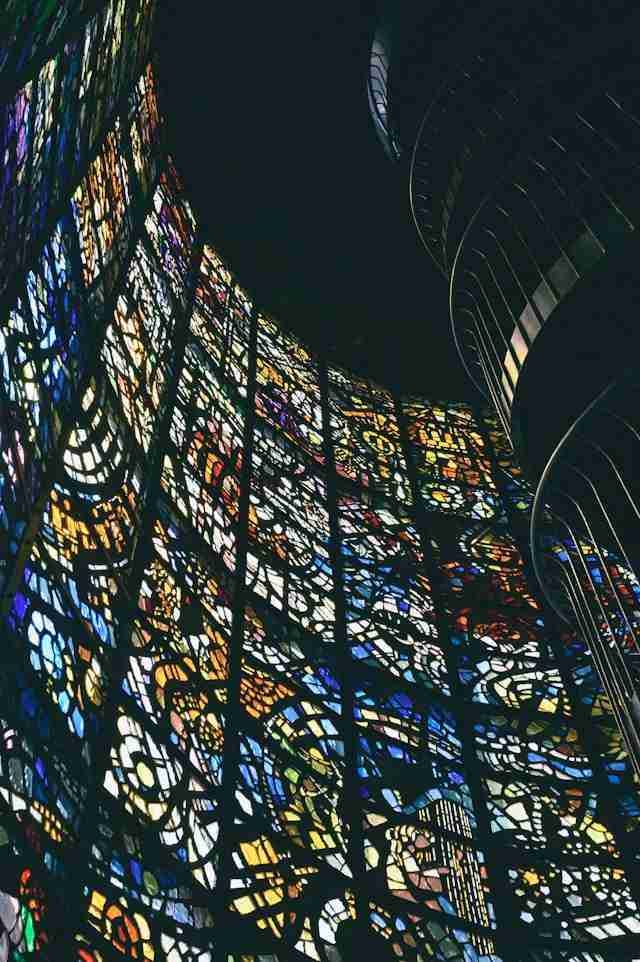
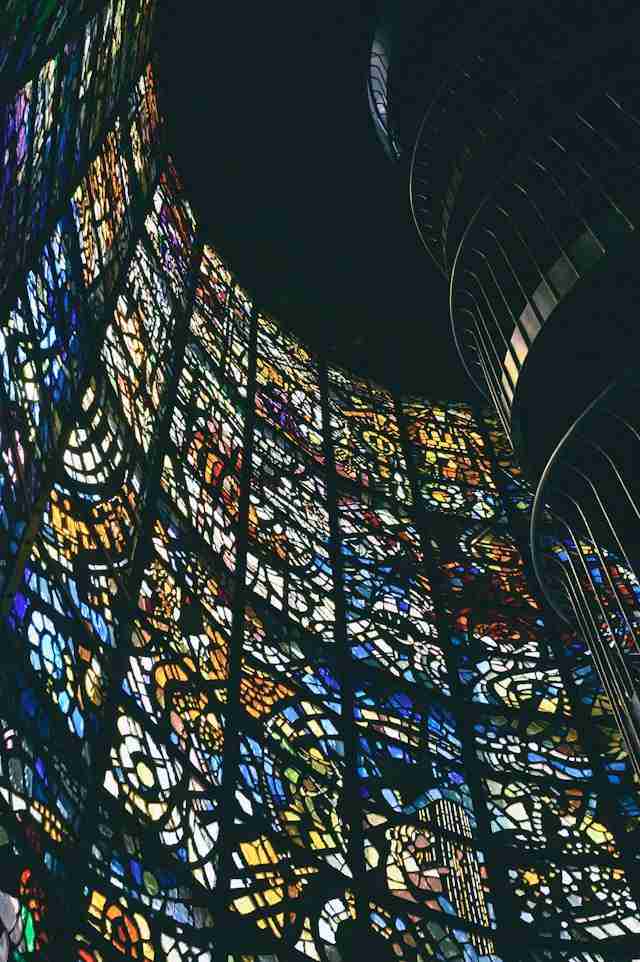
This towering cylinder of stained glass is one of the museum's most celebrated features. From the outside, the glass glows with color when sunlight passes through, creating a jewel-like effect against the sky. Inside, a spiral staircase winds upward through walls of colored glass, bathing the entire space in kaleidoscopic light. Wide-angle lenses capture the soaring height and immersive color of the interior, while details of the glass panels work well for close-up compositions. Morning and midday light produce the strongest color intensity, though late afternoon adds warmer tones to the glass.
• Picasso Pavilion
The museum houses one of the world's largest Picasso collections in a dedicated indoor gallery. For photographers, the attraction here lies less in the works themselves, which may have restrictions on photography, and more in the pavilion's architecture and atmosphere. Clean lines, open sightlines, and carefully balanced lighting create opportunities for interior architectural photography. The exterior also offers minimalist compositions, especially when framed against the surrounding hills.
• Sculpture Park Lawns
The museum's lawns hold dozens of large-scale sculptures by artists such as Henry Moore, Barbara Hepworth, and Antoine Bourdelle. These works are set in wide open spaces where light shifts constantly through the day. Morning light is gentle and directional, giving sculptures defined form, while afternoon light stretches shadows across the grass. Wide compositions can capture both artwork and mountains, while tighter frames allow you to explore the interaction between individual pieces and the landscape. Seasonal changes in the trees and lawns provide added variation, from spring blossoms to autumn reds and yellows.
• Forest and Hillside Installations
Several sculptures are tucked into wooded groves or placed along hillside paths where they interact more subtly with the environment. These are ideal for compositions that layer sculpture, vegetation, and filtered light. In autumn, fallen leaves create textural carpets that contrast with metal or stone forms. On cloudy days, the soft diffused light in these groves reduces contrast and enhances detail, making it easier to capture both the artwork and its setting.
• Children's Pavilion and Interactive Works
Some of the installations are designed for playful interaction, including colorful climbing structures and immersive environments. These provide a different photographic challenge, as the subject becomes both the structure and the people engaging with it. Candid shots here capture energy and scale, while detail shots highlight the vibrant forms and surfaces. These areas are best photographed in bright daylight when colors are at their most vivid.
Best Time to Visit
The Hakone Open-Air Museum is rewarding in every season, with each offering distinct qualities for photography. Spring brings cherry blossoms and fresh greenery that frame sculptures with delicate color. Summer offers lush, deep greens and long days with strong overhead light that works well for stained glass interiors. Autumn is the most dramatic season, when fiery reds and oranges sweep across the hills, creating rich backdrops for the museum's outdoor works. Winter, though quieter, offers crisp air, long shadows, and the chance of snow, which transforms the grounds into a minimalist landscape where sculptures stand in stark contrast. For the best light, mornings provide soft illumination and fewer visitors, while late afternoon creates warm directional light and long shadows. Overcast days should not be overlooked, as diffused skies make it easier to capture detail in both sculpture and environment without harsh highlights.
How to Get There
The Hakone Open-Air Museum is located in the Gora area of Hakone, about two hours from central Tokyo. Visitors traveling by train can take the Odakyu Line from Shinjuku Station to Hakone-Yumoto, then transfer to the Hakone Tozan Railway, which climbs into the mountains. The museum is a short walk from Chokoku-no-Mori Station on this line. For those arriving by car, the museum offers parking near the entrance. Access requires an admission ticket, which includes all outdoor areas and most indoor exhibits. Tripods are generally not permitted inside the indoor galleries, but they are allowed on the outdoor grounds as long as they do not obstruct paths. Drones are prohibited. The museum is open daily, with hours extending from morning to late afternoon, which allows for both early light and sunset sessions depending on the season.
Recommended Photography Gear
A flexible setup is best for photographing the Hakone Open-Air Museum. A wide-angle lens is essential for capturing the scale of sculptures in relation to their environment and for working inside the Symphonic Sculpture tower. A mid-range zoom between 24 and 70 millimeters will cover most outdoor compositions and provide the ability to isolate artworks against the backdrop of trees and mountains. A telephoto lens around 70 to 200 millimeters is helpful for compressing layers of sculpture, hills, and seasonal foliage, as well as for capturing candid interactions in busier spaces. A polarizing filter can help manage reflections on metal or glass surfaces and deepen sky and foliage colors. A lightweight tripod is useful for long exposure work in outdoor areas, particularly for evening sessions, though handheld shooting will be more practical in busier spaces. Pack extra batteries and a microfiber cloth, especially in humid months when condensation can be an issue. Comfortable walking shoes and weather protection are essential, as the grounds are extensive and the weather in Hakone can shift quickly.
Nearby Photography Locations
This mountain railway winds through forests, valleys, and bridges on its way up to Gora. The trains themselves are photogenic, with red and cream-colored carriages, and the line offers seasonal views, especially during cherry blossom and autumn foliage.
The aerial ropeway connects Sounzan to Togendai and passes over the volcanic valley of Owakudani, where steam vents rise from the earth. This area is excellent for wide landscape compositions with dramatic geological detail and distant views toward Mount Fuji on clear days.
South of the museum, Hakone Shrine sits at the edge of Lake Ashi with its famous red torii gate standing in the water. This is one of Hakone's most photographed sites and is particularly striking in the early morning when the lake is calm and reflections are visible.
Located nearby, this museum blends modern architecture with a surrounding forest environment. The building's glass walls and subtle integration into the landscape provide excellent material for architectural and environmental photography.
Accessible via a ropeway from Lake Ashi, this peak provides sweeping views across Hakone and, on clear days, toward Mount Fuji. Sunrise and sunset sessions here offer expansive sky color and layered mountain silhouettes.
The Hakone Open-Air Museum is more than an exhibition of sculpture. It is a carefully curated landscape where art and nature merge into a living, shifting gallery of light, form, and season. For photographers, it offers a blend of architectural precision, artistic creativity, and natural beauty that rewards both planned compositions and spontaneous discoveries along its winding paths.
Comments
Loading comments…