
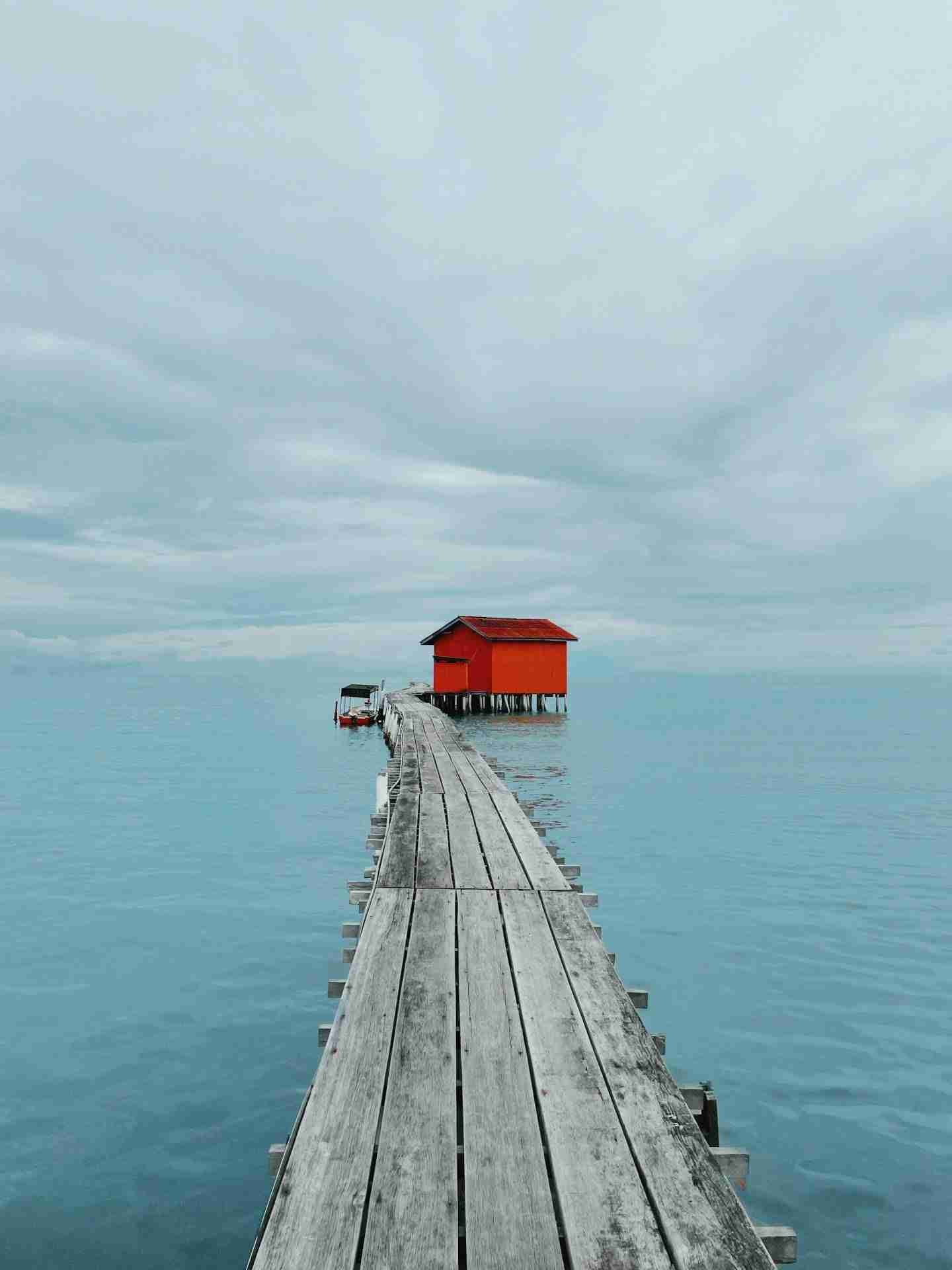
Located along the historic waterfront of George Town on Penang Island, Tan Jetty is one of the oldest and most visually compelling of the Clan Jetties—a network of stilt-house communities built by Chinese immigrants over a century ago. Extending out into the Strait of Malacca, the wooden boardwalk of Tan Jetty offers a linear, vanishing-point composition that draws the eye toward the water, often accompanied by spectacular sunrises and minimalist seascapes. With weathered textures, low-rise stilt homes, and the distant urban silhouette of George Town as a backdrop, this site offers photographers a rare blend of calm, cultural narrative, and scenic depth.
Best Photography Opportunities
• Boardwalk Leading Lines at Sunrise
: The long, narrow wooden jetty creates a powerful leading line that directs the eye straight toward the horizon, especially at first light. Shooting at dawn rewards you with pastel skies and the soft glow of sunlight reflecting off the still water. The boardwalk's weathered planks and gently leaning edges add character to wide-angle compositions, while calm seas and open skies create minimalist balance in the background.
• Silhouettes and Golden Reflections
: Early morning and blue hour light provide excellent conditions for capturing silhouettes of fishermen, residents, or birds perched on mooring posts. The low angle of the sun casts golden reflections across the water and enhances the warm tones of the wood and nearby dwellings. These conditions are ideal for storytelling shots that combine human presence with environmental quiet.
• Stilt Houses and Cultural Detail
: The homes lining the entrance to Tan Jetty are built on wooden stilts above the tidal flats, offering a glimpse into the living history of the Chinese immigrant communities. Use a medium focal length to isolate architectural details—wooden shutters, rusting tin roofs, red lanterns, and hanging laundry. These elements bring cultural depth to the scene and work well in both color and monochrome treatments.
• Reflections on Tidal Water
: During high tide, the water rises nearly to the level of the boardwalk, creating reflective surfaces that mirror the sky and surrounding structures. When combined with soft light or light mist, these reflections offer opportunities for symmetry and mood. During low tide, the exposed mudflats and stilts provide texture and contrast, adding visual interest to detail-focused frames.
• Night Photography and City Glow
: Although not heavily lit, Tan Jetty offers intriguing low-light possibilities in the blue hour or just after nightfall. With George Town's skyline visible in the distance, longer exposures can capture light trails on the water or highlight the glowing windows of nearby homes. For those with a tripod and time, this setting can create serene urban seascapes with subtle light-play across calm surfaces.
Best Time to Visit
The best time to photograph Tan Jetty is just before and during sunrise, when the tide is high and the sea is calm. The orientation of the jetty facing east over the Strait of Malacca makes it ideal for capturing the warm glow of the rising sun, with the boardwalk leading directly into soft pastels or fiery skies depending on the conditions. On clear mornings, the early light skims across the wooden planks, enhancing textures and casting gentle shadows that add depth to your compositions.
Between November and March, the northeast monsoon tends to bring clearer mornings and less haze, producing more vivid color and consistent soft light at dawn. During this season, the reflections on the water are especially clean, creating opportunities for symmetrical compositions and long exposures that smooth the surface into glass. Early morning also ensures fewer people on the jetty, making it easier to work without interruptions or distractions in your frame.
Later in the day, the light becomes harsher, especially around midday, and contrast increases significantly—conditions that can flatten the mood and wash out finer details. However, during overcast days, this midday light can actually be useful, offering diffused, even illumination that helps with detail shots of the stilt houses and architectural elements.
Evenings offer a different atmosphere altogether. The warm interior lights of homes begin to glow and sometimes reflect off the water, creating a tranquil contrast with the cooler blue tones of twilight. During festivals or special holidays, such as Chinese New Year, additional decorations and lanterns bring added color and cultural layers to photograph, making dusk especially rewarding.
How to Get There
Tan Jetty is located off Pengkalan Weld (Weld Quay) in George Town, Penang, and is easily reached on foot from the city's historic core. From the center of George Town or from the Penang Ferry Terminal, it's about a 10-minute walk along the waterfront. The entrance is modest, marked by a small gate with signage that blends into the street, so keep an eye out or use navigation apps.
There is no entry fee, and the jetty is open to the public during daylight hours. However, as this remains a residential area, visitors should be respectful of privacy and noise. Photography is welcomed, but it's important to move quietly, avoid obstructing the walkway, and refrain from flying drones directly over the homes without permission.
Exploring the Surrounding Area
After photographing Tan Jetty, continue walking along the George Town waterfront where several other Clan Jetties—such as Chew Jetty, Lim Jetty, and Lee Jetty—offer similar wooden structures with distinct visual character. Each jetty represents a different family surname and reflects variations in style, signage, and resident activity.
Beyond the jetties, the surrounding UNESCO-listed old town is filled with colonial-era shop houses, Chinese temples, street art murals, and bustling morning markets. These scenes make for rich street photography, especially in the morning when shops open and locals begin their daily routines. Consider pairing your shoot at Tan Jetty with a slow wander through Armenian Street or the vibrant neighborhoods around Kapitan Keling Mosque for a full day of documentary-style photography.
Nearby Photography Locations
: The most famous and active of the Clan Jetties, Chew Jetty is busier and more tourist-oriented but offers excellent compositions with lanterns, souvenir stalls, and colorful wooden houses on stilts. Best shot early before the crowds arrive.
: Just inland, this artistic corridor features large-scale wall murals, heritage buildings, and an evolving blend of Penang's historic and contemporary culture. Ideal for urban texture and street portraiture.
: A short walk away, this historic Chinese temple is one of the oldest in the city, offering rich architectural details, incense-filled air, and devotional scenes. Great for both wide compositions and intimate detail shots.
• Weld Quay Waterfront
: Running parallel to the jetties, this open promenade offers views of the straits, passing ferries, and the distant Butterworth coastline. It's a good place for sunset silhouettes or long exposures of boats at anchor.
• Penang Ferry Terminal
: Just to the north, the ferry terminal provides industrial texture, passenger scenes, and sweeping views over the harbor. It's particularly effective at dusk when the lights come up and the water begins to shimmer.
Tan Jetty offers a rare photographic intersection of stillness, story, and light—where weathered wood and rising tides frame the quiet endurance of a living waterfront community. Whether you're composing into the dawn, capturing local life in quiet detail, or simply walking the boards with a camera in hand, this jetty remains one of George Town's most visually poetic spaces.
Comments
Loading comments…