
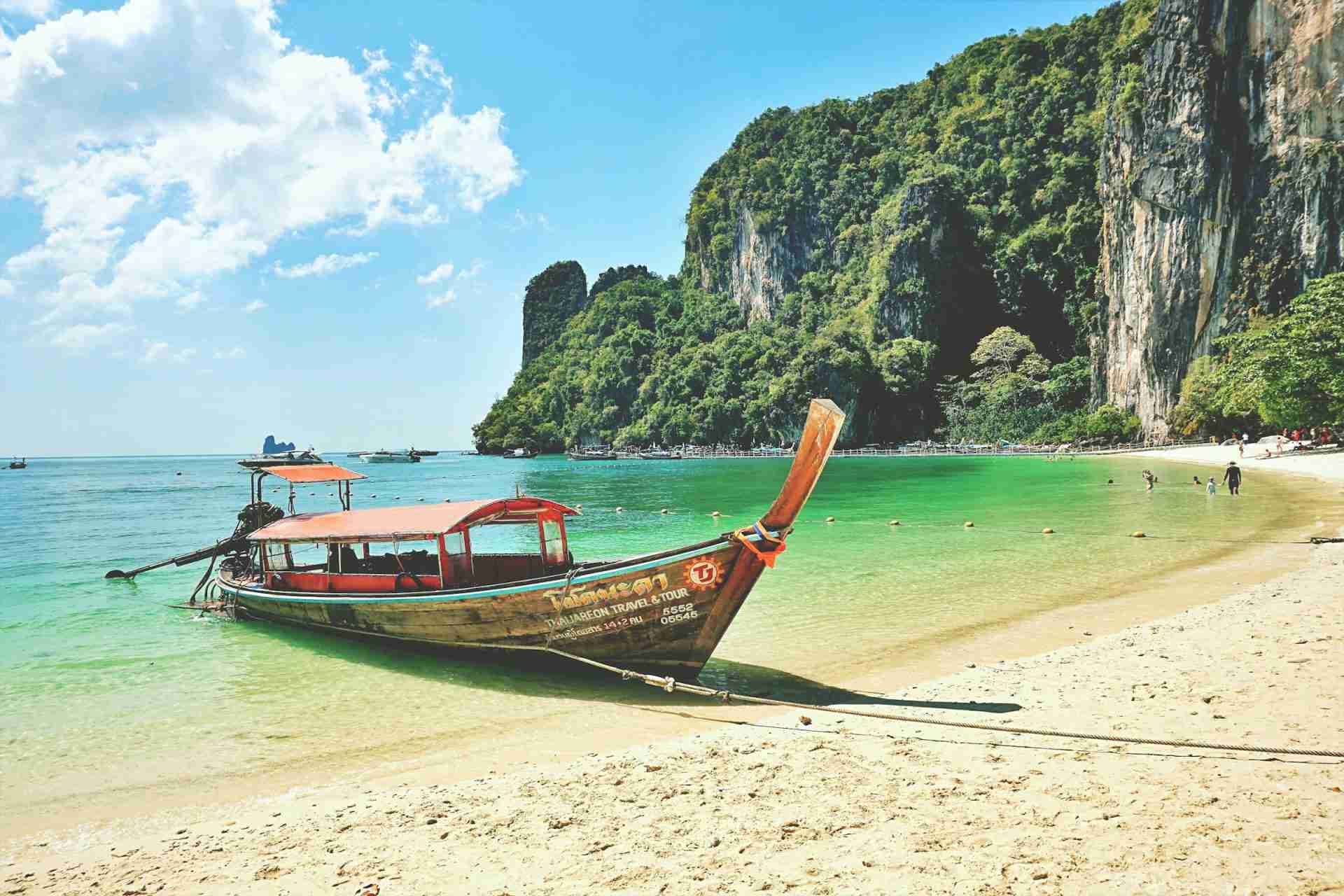
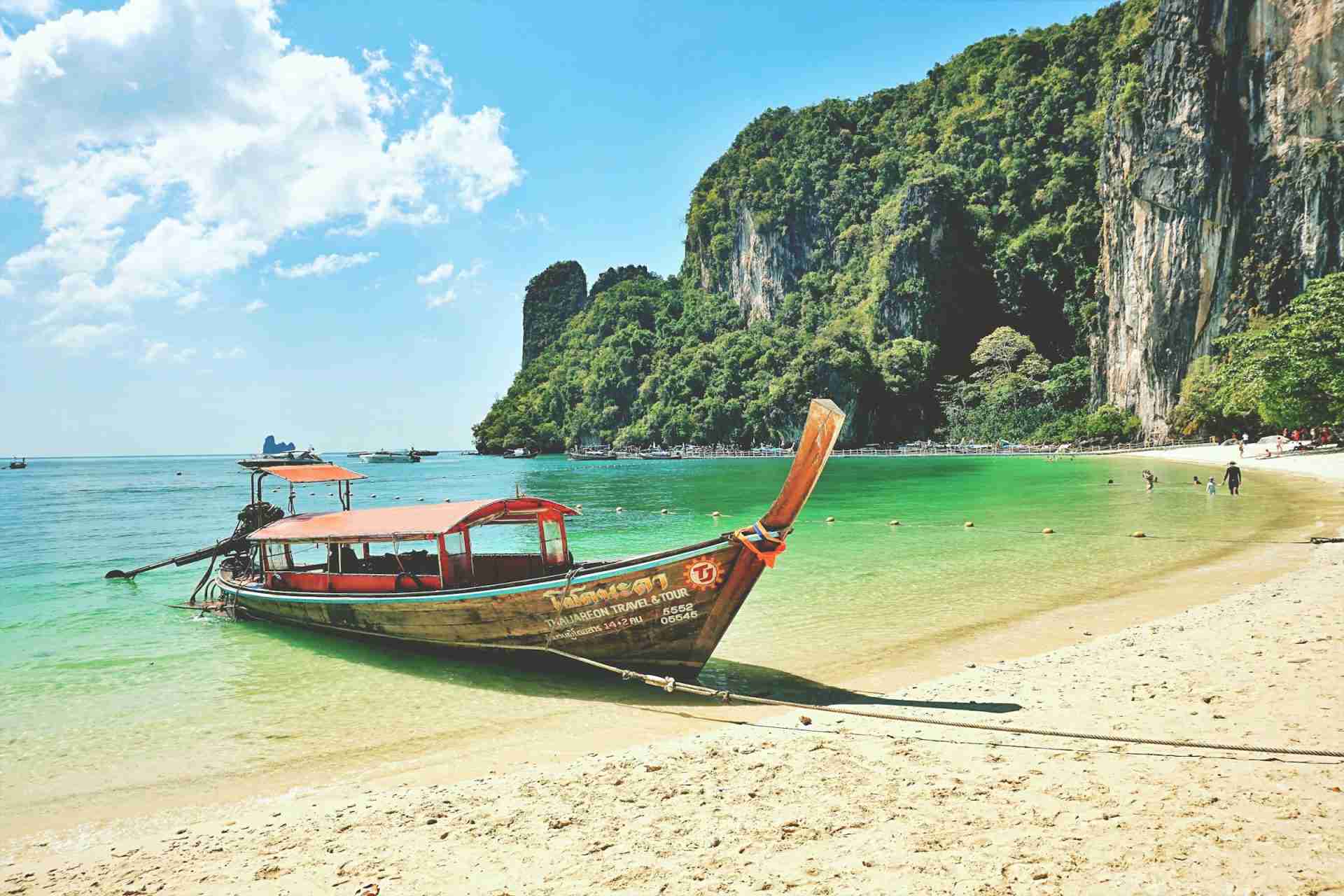
Koh Hong rises sharply from the waters of Phang Nga Bay, forming one of the most visually striking island landscapes in southern Thailand. The island is known for its towering limestone cliffs, clear turquoise water, and a sheltered interior lagoon that can only be reached by boat through a narrow opening in the rock. Unlike open beaches with wide horizons, Koh Hong feels enclosed and vertical. Sheer cliff walls surround shallow water, creating a strong sense of scale and shape in every direction. For photographers, the location offers two distinct subjects in one visit. There are broad coastal views around the island's exterior and more intimate compositions inside the lagoon. Light, tide, and boat traffic all influence how the island photographs.
Best Photography Opportunities
• Interior Lagoon
The enclosed lagoon is the defining feature of Koh Hong. Entering through the narrow rock opening and emerging into calm water surrounded by high limestone walls creates an immediate visual impact. Shooting from boat level emphasizes the height of the cliffs and their reflection in the shallow water. A moderate focal length keeps the proportions realistic while still capturing the vertical scale. Early morning often provides the calmest water, allowing for cleaner reflections. Paying attention to boat placement is important, as other long tail boats can either add scale or clutter the frame depending on positioning.
• Koh Hong Viewpoint
A marked trail leads to an elevated viewpoint above the island, offering a completely different perspective. From here, you can photograph the lagoon and surrounding bay from above, revealing the true shape of the coastline and shallow reef patterns. The water shifts between pale turquoise and deeper blue depending on depth and sun angle. Clear conditions are essential for this composition, as haze can reduce color separation. A standard zoom lens works well for balancing foreground vegetation with the layered sea beyond. This is one of the strongest overview shots in the area.
• Cliff Texture and Vertical Compositions
The limestone walls around Koh Hong are textured and irregular, with pockets, overhangs, and vegetation clinging to the rock face. Shooting upward from close range emphasizes the height and complexity of the formations. Side lighting helps reveal texture rather than flattening it. A slightly longer focal length can isolate sections of cliff for more abstract compositions. These tighter shots provide contrast to wider lagoon scenes and add variety to a series.
• Beach and Open Water Framing
On the outer side of the island, small sandy stretches allow for more open seascape compositions. Framing distant karst formations across the bay creates layered depth. Including part of the shoreline as a foreground anchor strengthens the image. This approach works well when clouds add structure to the sky. Calm water enhances reflections, while slight wave action adds movement.
• Drone or Aerial Perspective
Aerial photography reveals the island's shape in a way that ground level shooting cannot. From above, the lagoon appears as a circular pool enclosed by cliffs, and shallow reef patterns become clearly visible. Flying slightly off center rather than directly overhead produces more dimensional compositions. Calm conditions produce the best water clarity and color contrast. As always, check local regulations and avoid flying over crowded areas or boat traffic.
Best Time to Visit
Early morning is the strongest time to photograph Koh Hong. Boat traffic is lighter, water is calmer, and light is softer on the limestone cliffs. Because the island sits within Phang Nga Bay, haze can build as the day warms, reducing contrast and distant clarity. Morning sessions often provide better color separation between water and rock.
Midday light can be harsh, particularly inside the lagoon where contrast between bright water and shaded cliffs increases. Late afternoon can still work for outer beach compositions, but the enclosed lagoon tends to hold shadow longer. Clear skies with a few scattered clouds often produce the most balanced images. Tide levels influence how much of the beach and lagoon edge is visible, so checking tide charts beforehand is helpful.
How to Get There
Koh Hong is typically accessed by boat from Krabi, Ao Nang, or Phuket. Long tail boat charters and guided island tours regularly include it as a stop within Phang Nga Bay. Visitors disembark at designated beach areas and can explore the lagoon by boat.
An entrance fee to the national park area may apply, as Koh Hong is part of a protected zone. Facilities are limited, so bringing water and sun protection is advisable. Because access depends on boat schedules and tide conditions, planning ahead improves flexibility for photography timing.
Recommended Photography Gear
A standard zoom lens is ideal for handling both wide lagoon scenes and moderate compression of distant karsts. A wide lens works well inside the lagoon where space feels tight and vertical scale is important. A short telephoto can isolate cliff textures and distant formations.
A polarizer is useful for enhancing water color and reducing surface glare, especially once the sun rises higher. A lightweight tripod can be helpful for sunrise or lower light work, though boat movement may limit use inside the lagoon. For aerial photography, a drone with stable wind performance is valuable, but always prioritize safety and local regulations. Since access is by boat, keeping gear compact and protected from spray is essential.
Nearby Photography Locations
The broader bay offers countless limestone formations, hidden lagoons, and sea caves. It provides additional opportunities for boat based landscape photography.
Known for dramatic limestone cliffs rising directly from the sand, Railay offers sunset compositions and strong vertical rock subjects.
A distinctive limestone stack that stands alone in the water. It offers a bold singular subject compared to Koh Hong's enclosed forms.
Famous for its curved sandbar at low tide, it provides clean horizontal compositions that contrast with Koh Hong's vertical cliffs.
• Ao Nang
A coastal town with accessible beach viewpoints and island silhouettes at sunset. It offers an easier mainland base for exploring the region.
Comments
Loading comments…