
St Joseph Cathedral stands as a testament to 19th‑century Gothic Revival design in the bustling Hoan Kiem district of Hanoi. This grand church invites photographers into a world of soaring towers, colored glass light, and urban contrast. Whether framing its twin towers against a pastel sky or capturing light pouring through its stained windows, the cathedral offers a compelling mix of structure, history, and atmosphere in the very core of Hanoi.
Best Photography Opportunities
• Moss-Covered Rocks in Early Spring
: From February to April, Co Thach becomes one of the most photogenic coastal scenes in Vietnam thanks to the vivid green moss that clings to the stones at low tide. These bright, almost electric patches of green stand out against the dark basalt and gold-blue sky. Shooting just after sunrise or just before sunset brings out both the texture of the moss and the contrast between rock and water. Use a wide-angle lens close to the ground to emphasize the patterns and let the sky open up above.
• Tide Pools and Rock Formations
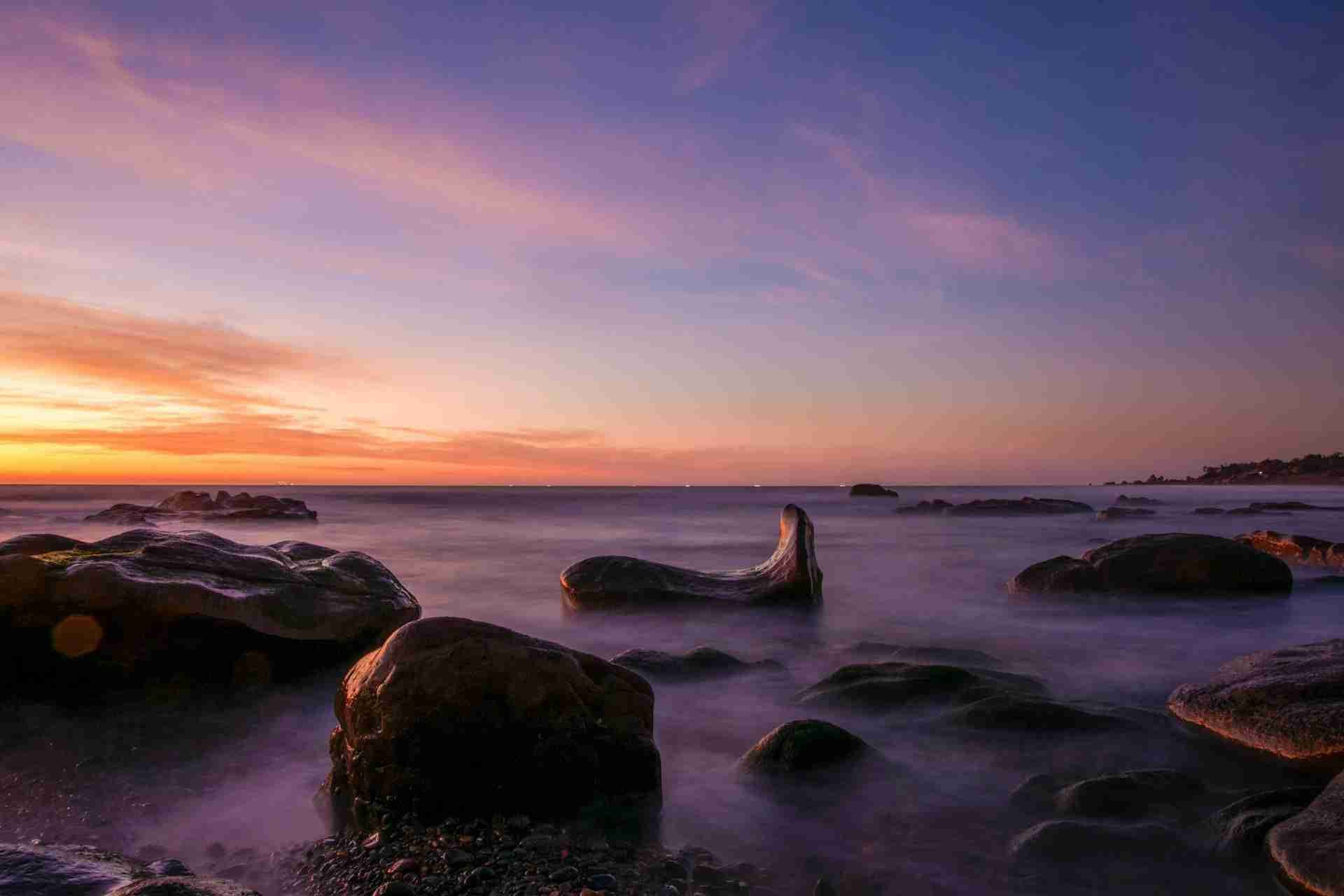
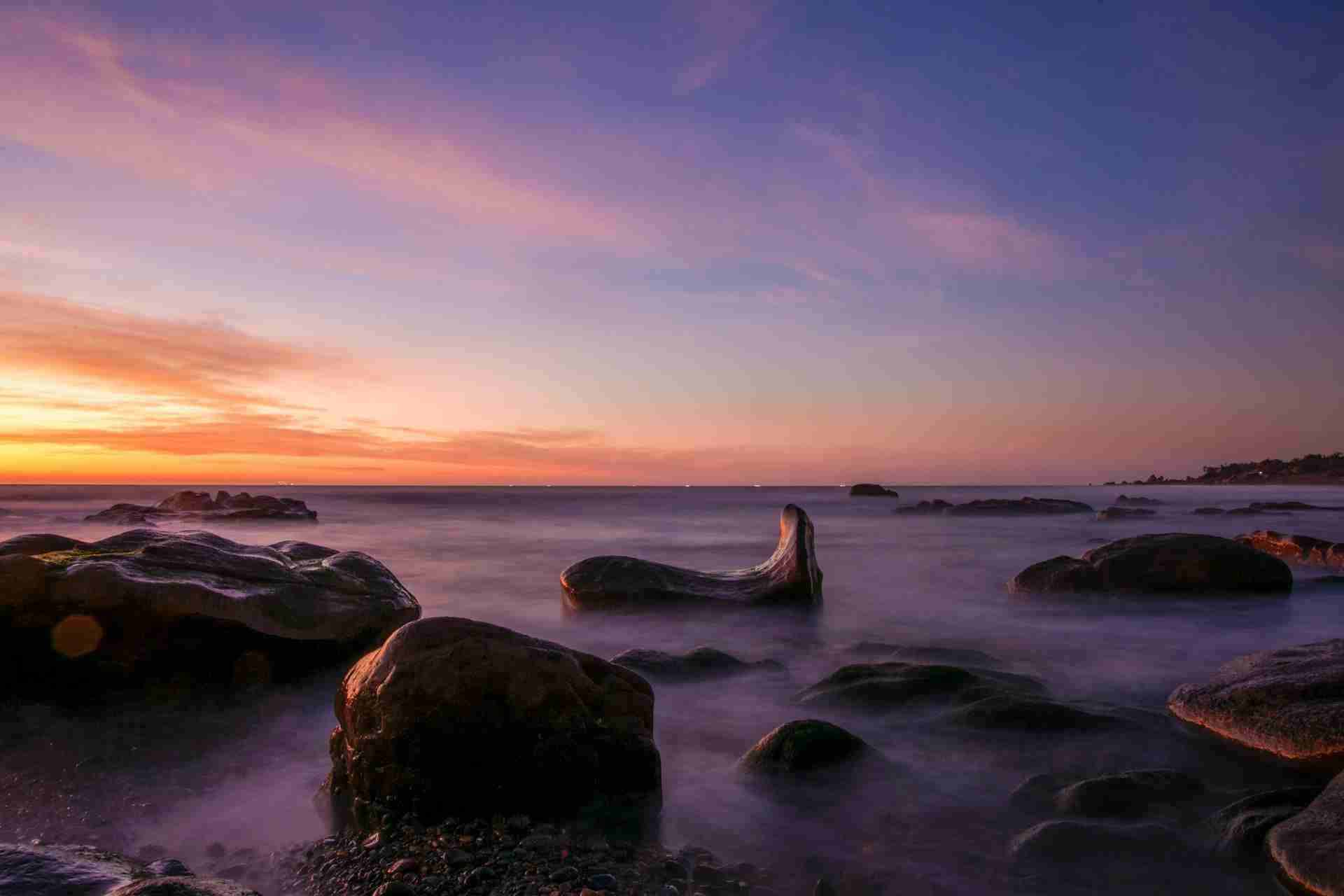
: At low tide, shallow pools form between the rocks, catching reflections of the sky and doubling the impact of color during sunrise and sunset. These pools also trap small bits of sea life and shell fragments, which add interest to your foreground. Look for leading lines created by naturally worn paths in the rock. Long exposures here can smooth the sea while preserving detail in the rocks, giving the photo both calm and structure.
• Wave Motion and Long Exposures
: With a sturdy tripod and a neutral density filter, you can turn crashing waves into soft veils that contrast beautifully with the fixed, sharp rocks. Experiment with exposure times between 1 and 30 seconds depending on wave activity. This effect is strongest when the tide is moving in, brushing over the mossy stones and retreating in long white streaks. The movement adds softness and rhythm to what is otherwise a very tactile, hard-edged environment.
• Rock Textures and Detail Studies
: Not every photo at Co Thach needs to include the sea or the sky. The beach is full of tight, graphic compositions—cracks in the stone, overlapping moss patterns, circular rock clusters. Mid-telephoto or even macro lenses work well here to isolate textures and create abstract images that focus on form and surface rather than scale. Overcast days are perfect for this kind of work because the diffuse light prevents harsh shadows and allows full color saturation.
• Sunrise and Cloud Drama
: Co Thach faces east toward the South China Sea, making it ideal for sunrise photography. The best days come when clouds form on the horizon but leave openings above the beach, allowing golden and orange tones to spill through and light up the rock surfaces. Arrive early to scout your spot and plan how the incoming light will hit the surfaces. Reflections in the tide pools and wet stones add extra glow as the color warms up the scene.
Best Time to Visit
The best time to photograph Co Thach Beach is between February and April, when conditions are generally dry, skies are clear or lightly clouded, and the seasonal moss growth is at its peak. These months offer the most dramatic contrast between rock and sea. Sunrise is consistently the best time of day to shoot, as the beach faces east and catches the early light cleanly. Plan to arrive at least 30 minutes before the official sunrise time to get set up and watch how the light starts to form.
Avoid visiting during high tide if your goal is to photograph the moss-covered rocks and tide pools, as they'll be submerged. Tide schedules are essential here. Early mornings during a falling tide give you both access and light. During the rainy season (typically June to October), access can be harder and weather more unpredictable, with rougher sea conditions. However, moody skies during this season can also create excellent cloud formations and dramatic lighting, especially in the late afternoon.
How to Get There
Co Thach Beach is located in Bình Thạnh commune, Tuy Phong District, in Bình Thuận Province. The nearest city is Phan Thiết, around 90 kilometers to the south, and the more well-known beach town of Mũi Né lies just beyond that. From Ho Chi Minh City, it's about a 6-hour drive. You can reach Co Thach by car, motorbike, or long-distance bus, many of which pass through nearby towns like Liên Hương.
Once at Co Thach, parking is available near the beach, and access is straightforward with only a short walk from the lot to the shoreline. There are no entrance fees or photography restrictions. The area is not heavily developed, but there are small guesthouses and food stalls nearby. It's wise to bring your own water and protective covers for your gear, as the combination of wind, salt spray, and sand can be tough on equipment.
The rocks can be slippery when wet, especially during high moss season, so grippy footwear is essential. If you're working close to the waterline, watch for rising tides and quick wave surges. While the terrain is not technically difficult, it does require caution and a steady footing when setting up low shots near the edge.
Recommended Photography Gear
Co Thach is all about detail and control, so pack for both wide environmental scenes and tight texture studies. A wide-angle lens in the 14–24mm or 16–35mm range will let you make the most of the rock patterns, especially when shooting low and aiming out toward the sea. A standard zoom (24–70mm) works well for tighter compositions or when backing up isn't possible. If you enjoy texture or abstract compositions, bring a macro or mid-telephoto lens (85mm to 200mm) to isolate sections of moss, cracks in the rock, or the glint of water caught in tide pools.
A sturdy tripod is non-negotiable here, especially for early light and long exposures. Use a circular polarizer to cut surface glare and deepen the sea and sky tones. A 6-stop or 10-stop neutral density filter is essential for managing shutter speeds and smoothing water in bright conditions. Bring a lens cloth and rain cover, as ocean spray is common even on calm days. Waterproof or water-resistant footwear will make your time more comfortable when navigating slick rocks or shallow pools. And because sunrise is your prime shooting time, a headlamp or small flashlight helps with setup in the dark.
Nearby Photography Locations
• Gành Son Red Cliffs
: Just a few kilometers from Co Thach, these rust-colored cliffs rise sharply from the sand and create a completely different coastal scene. The earthy reds and oranges contrast sharply with the blues of the sea and sky, especially during early morning or late afternoon light. These cliffs photograph well both from the base and from above, offering wide-angle opportunities as well as more intimate shots of layered erosion patterns.
: Located near Phan Rang, these sand dunes are less crowded than the famous ones in Mũi Né and offer a minimalist, graphic environment for sunrise or late afternoon shooting. Patterns in the sand shift daily, and the interplay between light, shadow, and wind-shaped ridges creates endless compositional options.
• Làng Chài Phan Rí Cửa (Phan Rí Fishing Village)
: About 20 minutes north of Co Thach, this working fishing village offers busy harbor scenes, colorful boats, and excellent candid moments in the early morning as fishermen return with their catch. This is a strong option for those who enjoy environmental portraiture or storytelling through documentary-style shots.
: Roughly two hours northeast of Co Thach, this protected bay features calm turquoise waters, cliffs, and rock outcrops that contrast beautifully with the open sea. You can shoot long exposures from the rocks, aerial shots from above the cliffs, or boat-based images if you explore further into the bay.
: Closer to Phan Thiết, these ancient Cham ruins sit on a low hill with wide views over the surrounding countryside. The brickwork of the towers glows warmly at golden hour, and their shape contrasts well with both open skies and the rolling hills behind. The site is especially effective when shooting with directional light for shadow play.
Co Thach Beach may not yet be on every international photographer's radar, but for those who seek pattern, texture, and rhythm in their images, it's a location with serious creative potential. It's a beach where the subject isn't the sea or sky alone, but the way those elements interact with stone, tide, and time. Whether you're crouched over tide pools at sunrise or walking the shoreline with a long lens at dusk, you'll find that Co Thach rewards attention, patience, and a willingness to let the scene build naturally.
Comments
Loading comments…