
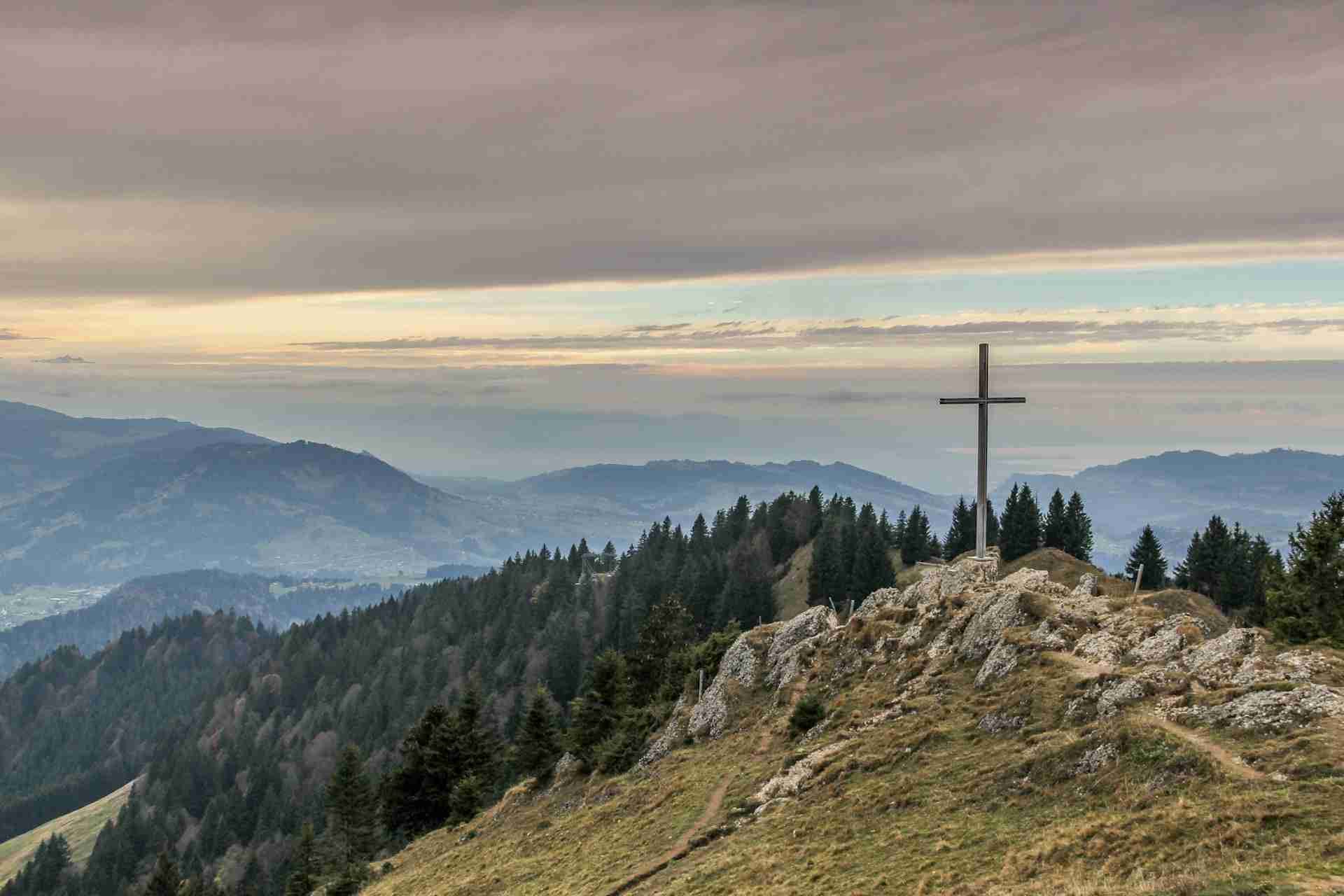
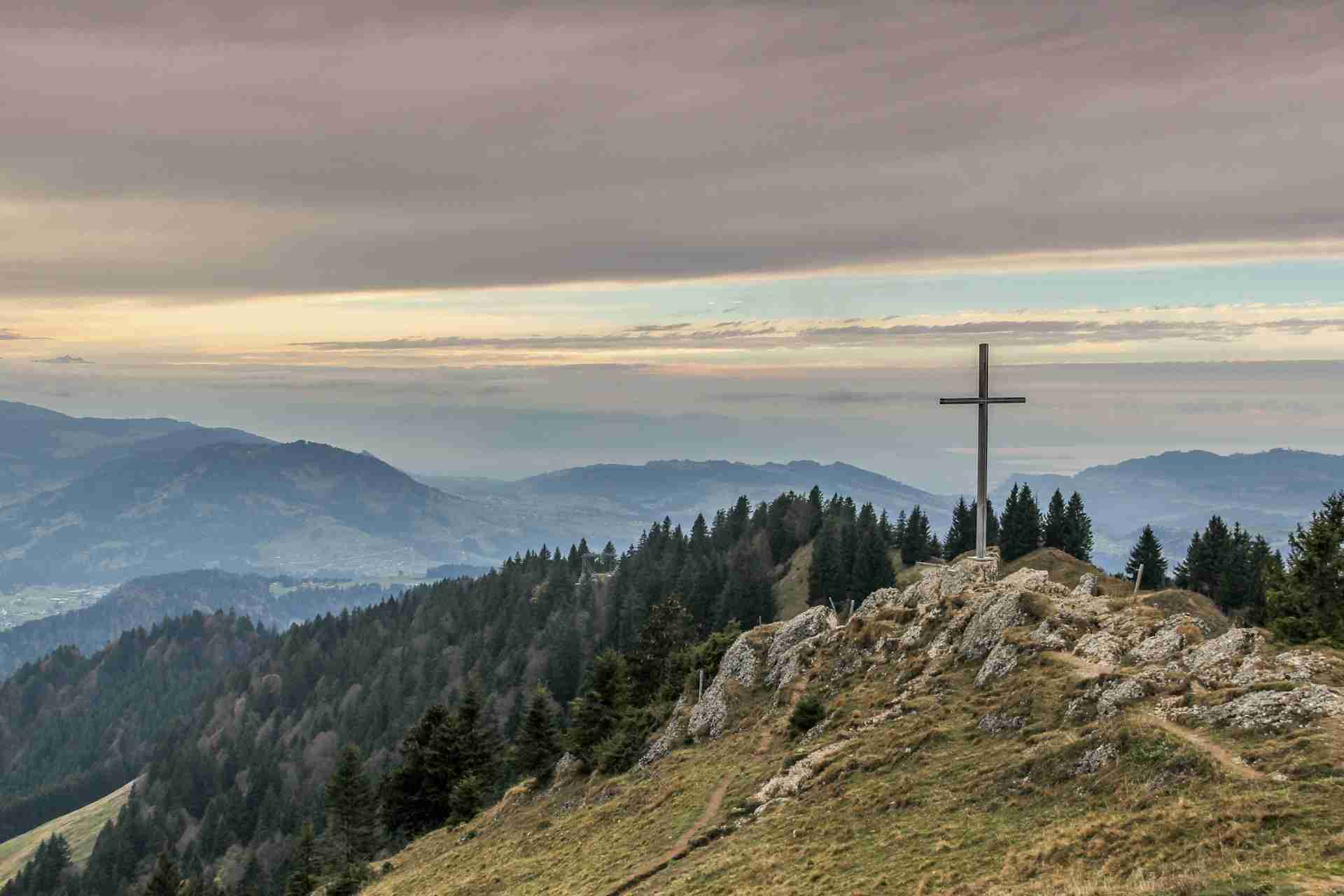
Tucked into the Bregenzerwald region of western Austria, the Hochhäderich Summit Cross offers a rewarding subject for photographers who appreciate expansive alpine views, sculptural simplicity, and the quiet atmosphere of a less-traveled mountain ridge. At 1,566 meters above sea level, this grassy peak straddles the border between Vorarlberg and Bavaria, making it a meeting point of cultures as well as natural beauty. The summit cross itself stands at the edge of a rolling alpine plateau, backed by sweeping views of the Nagelfluhkette range and, on clear days, distant silhouettes of the Allgäu and Swiss Alps. Whether you're shooting sunrise over the ridgelines or capturing afternoon storms rolling across the valley below, Hochhäderich rewards those who hike up with stillness, space, and stunning light.
Best Photography Opportunities
• Wide-Angle Views with the Summit Cross
: The most iconic image from Hochhäderich is a wide composition featuring the summit cross framed against the distant Alps. The grassy slope leads gently up to the cross, creating a natural line that draws the viewer's eye into the frame. With the right timing, you can place the cross against a glowing horizon or use a polarizer to deepen the blue sky and enhance cloud contrast. Shooting at golden hour allows the warm light to skim across the grass and highlight the texture of the ridge. A 16 to 35 millimeter lens is ideal for capturing both the foreground and distant mountains while maintaining balance in the composition.
• Backlit Cross at Sunrise or Sunset
: For more dramatic lighting, position yourself facing east at sunset or west at sunrise to capture the cross as a silhouette against the rising or setting sun. This technique works particularly well in late spring or early autumn when the sun stays lower in the sky and casts long, diffused light. Use a small aperture such as f/16 to create a sunstar effect through parts of the cross or between rocks in the foreground. Be prepared to adjust exposure settings manually to keep detail in both sky and foreground. Bringing a graduated ND filter can also help control the exposure difference between the bright sky and darker land.
• Minimalist Compositions with Sky and Grass
: The summit ridge offers a clean and open environment that is well suited to minimalist landscape photography. By using a telephoto lens or shooting with a wide aperture, you can isolate the summit cross against an open sky or soft background hills. This type of image benefits from overcast or foggy conditions, which flatten the light and reduce distractions. Including only grass, sky, and the cross gives the photo a calm, contemplative feel that contrasts nicely with more dramatic mountain scenes. Composing these shots off-center and using negative space makes them more visually striking.
• Cloud Formations and Atmospheric Conditions
: Hochhäderich is especially photogenic in changing weather. Fog often settles in the valleys below while the summit remains clear, creating the opportunity for unique cloudscapes and layers of light. These conditions are most common in the morning during the transition between seasons. Wide shots that include both the summit cross and the clouds rolling below can feel cinematic and timeless. A 24 to 70 millimeter lens works well here, giving enough reach to isolate features in the mist while still capturing context. Long exposures can also help smooth out movement in drifting clouds.
• Human Scale and Storytelling
: Including a figure walking the ridge or standing near the summit cross gives a sense of scale and human connection. Early morning hikers, bundled in layers and walking toward the cross, can help express the effort and stillness of alpine travel. These shots work well at longer focal lengths to compress the landscape and bring background peaks closer. Over-the-shoulder compositions or wide-angle frames with a subject walking into the scene both add narrative value. Shooting handheld at higher shutter speeds ensures you can react quickly to changing light or movement.
Best Time to Visit
The Hochhäderich summit is accessible in all seasons, but the best time for photography is between late May and early October. In late spring, the grasslands begin to green and alpine flowers emerge, adding detail and color to foreground compositions. Early summer brings clear skies and extended golden hours, especially in the evenings when the sun lingers over the ridges to the west. The light at this altitude is crisp and directional, and sunrise tends to be cool and misty, especially after rain.
Autumn is arguably the most visually rewarding season, with deepening skies, occasional morning frost, and low sun angles that add richness to textures and color. October in particular brings dramatic cloudscapes and longer shadows across the summit ridge. Winter is beautiful but requires caution. Snow often blankets the trail and summit, and while the summit cross itself can look striking against fresh snowfall, access may be limited due to avalanche risk or deep drifts. If visiting in winter, ensure you have the appropriate gear and check trail reports in advance.
For those seeking morning solitude and soft light, plan to arrive an hour before sunrise to make the final approach in the pre-dawn glow. Afternoons can be more crowded, especially on weekends, but also offer excellent conditions for side light and dramatic cloud formations. Midday light is harsh in summer but can still work well for shooting into the valleys, especially if cloud shadows move through the landscape below.
How to Get There
The trail to Hochhäderich begins near the Hochhäderich Alpe, located just south of Hittisau in Austria's Bregenzerwald region. From Bregenz or Dornbirn, the drive to the parking area takes approximately 45 minutes. The most common route is via the Panoramastraße that leads to the Berghaus Hochhäderich, where you will find a large parking lot with direct access to the trail network. Parking is free or modestly priced, depending on the season.
The summit is reached via a clearly marked trail that begins near the ski and hiking lodge. The hike to the summit cross takes roughly 45 to 60 minutes, depending on your pace and how often you stop to shoot. The trail follows a gently sloped alpine ridge, and while not technically difficult, it can be slippery in wet or icy conditions. The area is open to hikers year-round, but if you're planning a sunrise or sunset shoot, bring a headlamp for early starts or late returns.
There are no fees to access the summit or surrounding trails. The route is part of a well-maintained trail system and is popular with both casual hikers and nature photographers. If you're planning a full-day shoot, you can continue along the ridge for broader alpine views or connect with other trails in the Nagelfluhkette range.
Recommended Photography Gear
Hiking to Hochhäderich's summit means packing light without sacrificing versatility. A weather-sealed camera body with good low-light performance will serve you well at both sunrise and sunset. A wide-angle lens in the 16 to 35 millimeter range is your most important tool for capturing the expansive views, while a 24 to 70 millimeter zoom offers flexibility for both landscapes and tighter scenes with the cross and background peaks.
A small, stable travel tripod is recommended for long exposures and low-light work. Choose one that fits securely to your backpack and can be set up quickly in uneven terrain. A remote shutter release or two-second timer helps reduce shake, especially during sunrise and sunset exposures. A circular polarizer is useful for enhancing skies and cutting glare off grass or rocks, though be careful of uneven polarization when shooting at very wide focal lengths.
A lightweight telephoto lens, such as a 70 to 200 millimeter, is worth carrying if you plan to shoot compressed views of the distant peaks or pick out details in the landscape. ND filters can help with long exposures of clouds or fog rolling across the valley, especially in windy conditions. Pack extra batteries, as cold weather at higher altitudes can drain them faster. Gloves, a microfiber cloth, and a lens hood are also essential, as wind and light precipitation can appear without much warning on the summit.
Good hiking shoes, layers for changing weather, and a headlamp for early starts or late returns are all part of the standard kit for this location. If you're planning a full session, bring water and snacks, as there are no facilities at the summit itself. The simple alpine setting and open landscape reward patience, so being prepared to stay for changing light conditions will give you the best results.
Nearby Photography Locations
: Just below the Hochhäderich ridge, the valley around Hittisau offers rolling farmland, traditional wooden architecture, and winding country roads. Morning mist and low clouds often hang in the valleys, adding depth and softness to wide rural scenes.
: From the summit cross, you can continue along the ridge into Germany's Nagelfluhkette Nature Park. This area features rugged limestone formations, panoramic views, and narrow trails ideal for more dramatic alpine photography.
: About an hour's drive west, this plateau features scenic highland meadows, walking trails, and open views across Lake Constance. It is especially photogenic in spring and early summer when wildflowers bloom across the fields.
• Rohnen Saddle and Hochgrat
: To the east of Hochhäderich, these peaks offer more challenging hikes and slightly higher elevations. From their summits, you can photograph the full arc of the Nagelfluhkette range with clearer sightlines and more dramatic drops into the valley below.
: Located near the German border, these waterfalls are surrounded by dense forest and rocky terrain. They offer a cool, shaded shooting location perfect for long exposures and detail shots after a bright and open session on the summit ridge.
Photographing the Hochhäderich Summit Cross is less about conquering a peak and more about spending time in a calm, open space above the everyday world. The views stretch wide, the trail is welcoming, and the changing light across the ridgelines turns simple subjects into memorable images. Whether you're building a portfolio of alpine scenes or just looking for a quiet place to slow down and shoot, this summit is a strong and satisfying choice.
Comments
Loading comments…