
Crossing the high-altitude spine of the Ötztal Alps, the Top of Timmelsjoch links Austria and Italy through a winding corridor of rock, snow, and sky. At 2,509 meters above sea level, this mountain pass is more than just a road. It is a place where seasons meet and perspectives stretch for miles in every direction. The experience of photographing here is shaped by contrasts: jagged peaks soften under rolling fog, while slick modern structures interrupt centuries-old terrain. Light changes quickly, especially near the summit, and the dual-country views give photographers the chance to frame both harsh alpine terrain and distant green valleys from the same perch. Whether you arrive from the north or south, this is a location that feels remote but remains surprisingly accessible, offering big landscapes and the kind of visual drama that rewards patience.
Best Photography Opportunities
• Summit Views from the Border Point
At the very top of the Timmelsjoch pass, a small viewing area marks the border between Austria and Italy. From this position, you can look north toward the rugged ridgelines of the Ötztal Alps or south into the broader valleys of South Tyrol. The Austrian side catches early light that casts long shadows across the snow patches and rock formations. In the afternoon, the Italian side glows under warmer light as the sun moves westward. A wide-angle lens is ideal for full landscape compositions, while a telephoto allows for selective framing of distant peaks and textures in the terrain.
• Timmelsjoch Experience Stations
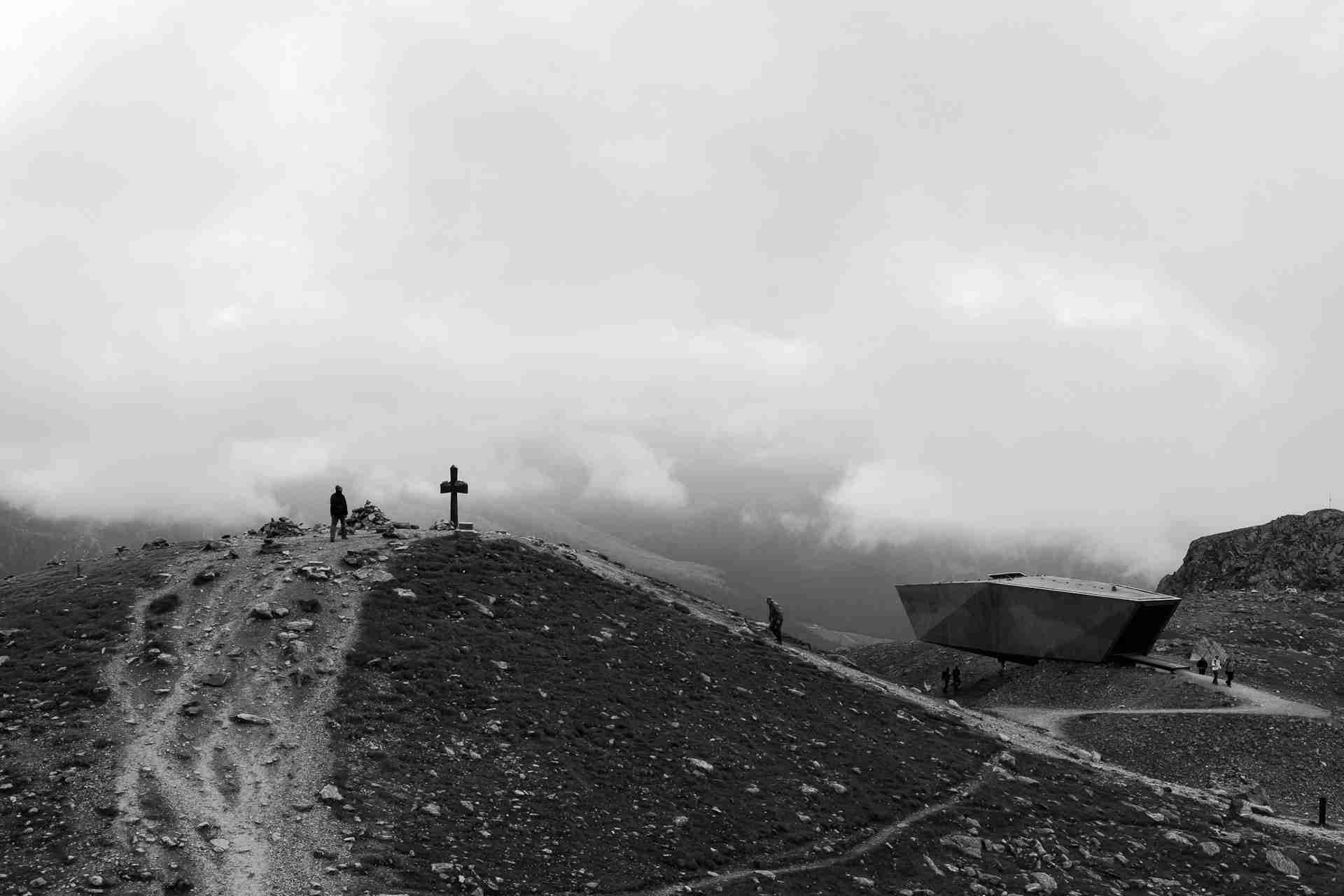
These sculptural structures form an open-air museum, designed to reflect the cultural and natural history of the region. The Passmuseum near the summit is especially compelling, with its clean, angular form set against rugged alpine backdrops. The building's sharp lines and metallic surfaces offer great contrast in both color and shape, especially under shifting light or stormy skies. You can use it as a framing element or shoot from within its interior windows to add depth and perspective. Because the structure is fixed yet ever-changing in appearance, it works as a subject in every season.
• Road Switchbacks and Aerial Perspectives
The hairpin curves leading up to and down from the summit are among the most dynamic scenes to photograph. From roadside pull-offs, you can capture the ribbon of road as it winds through steep alpine terrain. The Austrian approach features tighter curves and more elevation change, making it better suited for bold compositions, while the Italian side offers smoother arcs that photograph well with wider lenses or drone setups. Aerial shots highlight the geometry of the route and surrounding rock formations. Early morning is best for drone work, when the light is low and the road is still quiet.
• Lingering Snow and Seasonal Contrast
Snow often remains at the summit into early summer, even as green slopes begin to emerge below. In June, you may find white snowbanks beside alpine wildflowers or soft moss, giving you a rare combination of winter and spring in a single frame. These moments are best shot with mid-range zooms that allow for careful composition and isolation of elements. After rain or fresh snowfall, textures stand out more clearly, especially under side light. This seasonal blend adds color, texture, and contrast that lasts only for a few short weeks each year.
• Human Scale Against Alpine Backdrops
Including people in your compositions helps express the scale and drama of the landscape. Whether it's a motorcyclist carving through a turn or a hiker pausing at the summit, human figures make excellent focal points. Long lenses can compress people against mountain ridges for a layered effect, while wide shots can show them dwarfed by cliffs and sky. Overcast days are ideal for these types of images, as they eliminate harsh shadows and allow for softer tones. Stay alert, as these scenes tend to appear briefly and are easy to miss.
Best Time to Visit
Timmelsjoch is only open seasonally, typically from late May through early November, depending on snow levels. The road is completely closed during winter and is not accessible until cleared. For photographers, June and early July are the best times to capture the unique contrast between lingering snow and early summer growth. The light during these months is strong but not harsh, and the weather is relatively stable.
July and August bring the most predictable access, with longer daylight hours and clearer skies. Sunrise is best viewed from the Austrian side of the summit, where light spills over the Ötztal Alps. In the evening, the Italian side benefits from long shadows and a warm glow as the sun sets behind the distant peaks. September brings cooler temperatures and more volatile weather, which can reduce visibility but also introduce soft cloud layers and low light effects that work well in tighter compositions. Always check road conditions and closures before making the trip.
How to Get There
The Timmelsjoch High Alpine Road connects Sölden in Austria with Moos in Passeier, Italy. From the Austrian side, the road begins just outside Sölden and climbs through a steep series of curves. From the Italian side, the approach from Moos is smoother and more gradual but still includes several sharp turns and changing elevations. The entire route is paved and well-maintained during the open season, although weather can still create hazardous driving conditions, especially at higher altitudes.
There is a toll to use the road, collected near the entry points on both sides. Pedestrian access is limited, and walking along the shoulder or through tunnels is not permitted for safety reasons. Photographers are best served arriving by car or motorcycle, which allows for frequent stops at marked pull-outs and easy access to summit parking. At the top, the Top Mountain Crosspoint complex offers parking, food, restrooms, and a motorcycle museum. Drone flights are allowed but must follow national regulations, and strong winds at elevation may limit safe flight windows.
Recommended Photography Gear
Because of its elevation, open terrain, and unpredictable weather, Timmelsjoch demands a versatile kit. A wide-angle lens in the 14 to 24 millimeter range is crucial for capturing ridgelines, valley overviews, and the sweeping form of the road. A mid-range zoom, such as a 24 to 70 millimeter lens, works well for both landscape and architectural subjects, especially the experience stations. A 70 to 200 millimeter telephoto is ideal for compressing mountain ranges or isolating distant subjects like hikers or structures.
Tripods are essential for early morning and evening shooting, particularly when using neutral density filters or bracketing exposures. A circular polarizer will reduce glare on wet road surfaces and deepen sky tones. Graduated ND filters are helpful when shooting scenes with a high contrast between sky and land. For drone photography, carry extra batteries and monitor elevation limits, as flying at this altitude shortens battery life. Waterproof covers, microfiber cloths, and warm gloves are also important, especially if you are shooting in early summer or late fall when conditions change quickly.
Nearby Photography Locations
Located just north of the Austrian ascent to Timmelsjoch, Sölden offers both natural and architectural opportunities. The town is surrounded by steep cliffs, alpine rivers, and high-altitude lift stations that make excellent subjects. From here, you can take the Gaislachkoglbahn up to 3,000 meters for panoramic sunrise views and crisp mountain light.
This summit platform is accessible by gondola and provides wide-open views of the Ötztal Alps in all directions. The modern structure creates striking lines against the mountain environment and works well as both a subject and a viewpoint. It is especially photogenic in changing weather, where low clouds and shifting light create layered compositions.
Deeper in the Passeier Valley, Pfelders is a quiet village known for its traditional buildings and peaceful alpine surroundings. Rolling fields, grazing cattle, and dramatic backdrops make it ideal for slower-paced, rural scenes. Autumn offers subtle color changes and long light angles that stretch across the slopes.
• Timmelsbach Stream Valleys
These alpine streams run along the lower parts of the Austrian ascent and offer excellent long exposure opportunities. The water is fed by snowmelt, which gives it a bright, almost turquoise clarity in early summer. With large boulders and moss-covered banks, these small rivers provide excellent foreground interest for tighter compositions.
Moos sits at the foot of the Italian climb and offers a mix of street photography, hillside compositions, and roadside shooting. The village's position in the valley creates good conditions for golden hour light as it comes through the gaps in the mountains. It is also a solid base for exploring side trails that offer different viewpoints of the surrounding area.
Timmelsjoch is a location that rewards both quick reactions and patient observation. Its elevation and variety of terrain mean conditions can shift quickly, but this same unpredictability is what makes it such a rich subject for landscape photography. From clean architectural lines to layered peaks and dynamic weather, the summit and its surroundings offer an unusually wide range of creative options. Planning your visit around light and season will help, but much of the best work here comes from returning to the same scenes under different skies.
Comments
Loading comments…