
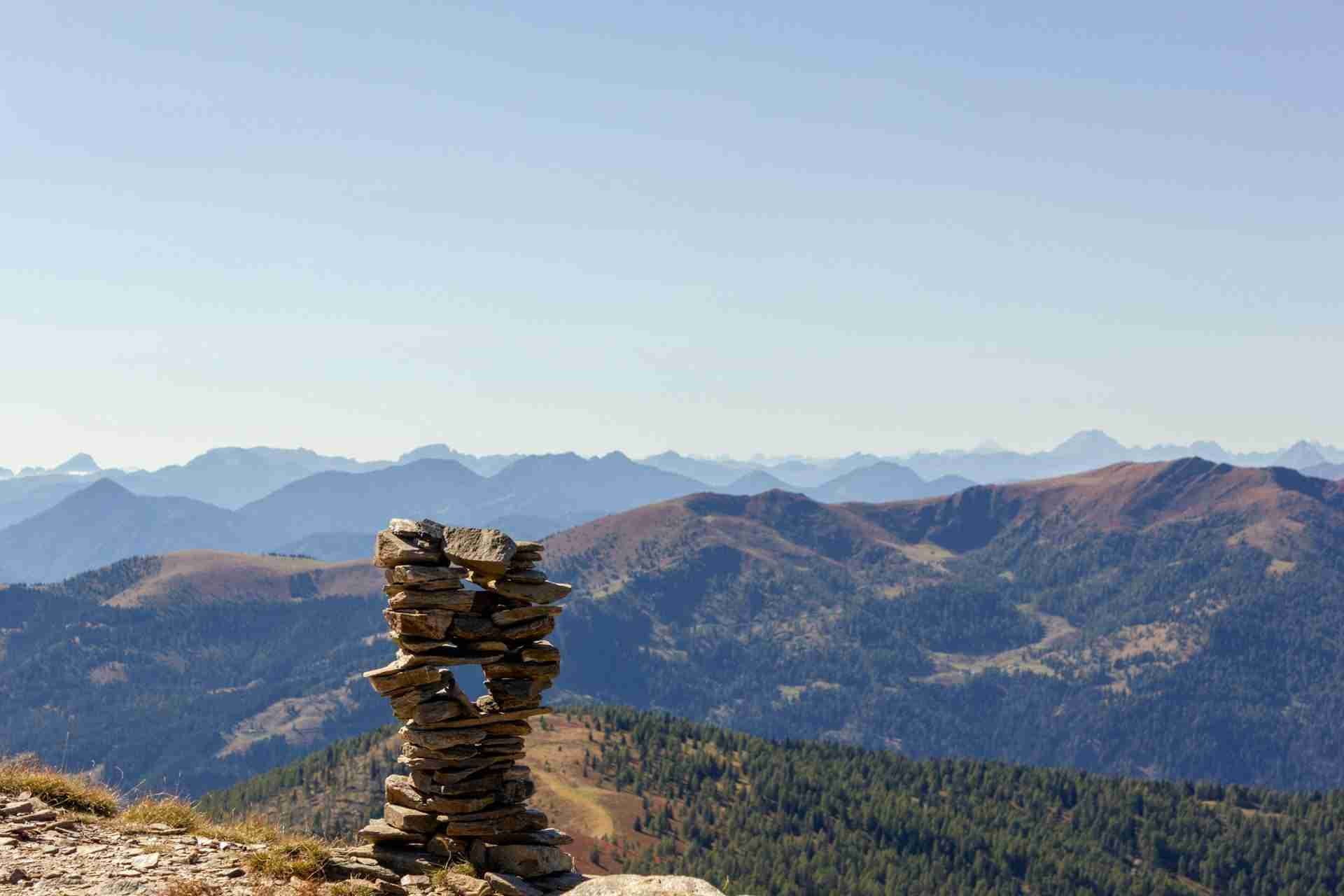
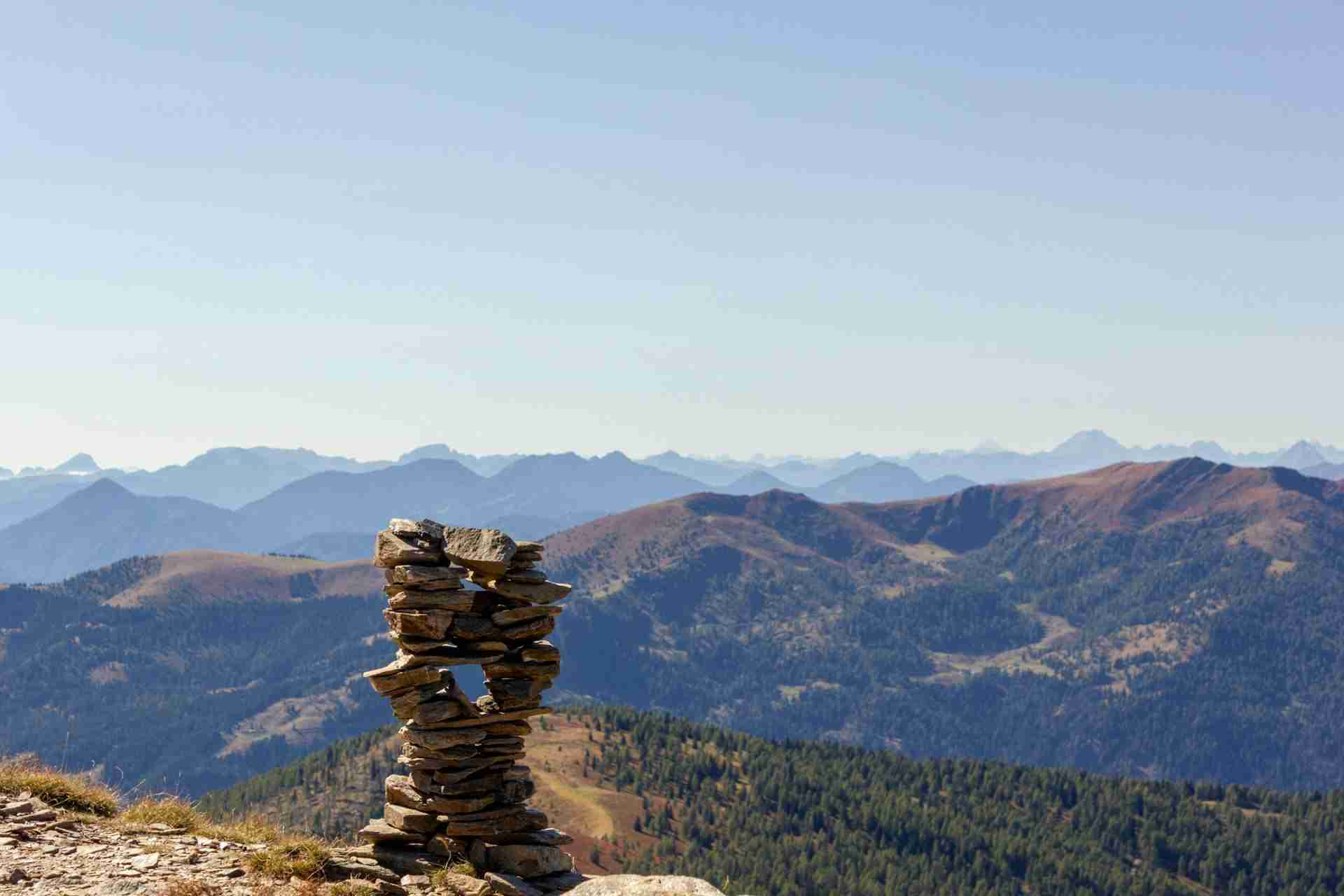
Wöllaner Nock is a broad alpine summit in the Gurktal Alps of Carinthia, rising above the village of Gnesau with open meadows, sweeping ridgelines, and long views across the surrounding mountain landscape. Unlike jagged alpine peaks, Wöllaner Nock is known for its smooth, grassy slopes and rounded summit forms, offering wide, unobstructed vistas in nearly every direction. It's part of the larger Nockberge range, a region shaped by softer geological forms and gentle terrain that still sits at high elevation. Photographers can expect long stretches of ridge trail, ever changing weather, and an open horizon that catches shifting light all day.
Best Photography Opportunities
Trail and ridge views from the southern approach
One of the most photogenic elements of Wöllaner Nock is the gradual southern approach, where a series of trail switchbacks lead toward the summit along a wide, open slope. From this vantage, you can compose leading lines using the trail itself, often with hikers visible in the distance to provide scale. Grassy ridgelines stretch outward, and on clear days, the Karawanks and other distant ranges come into view. Shooting here is most productive in early morning or late afternoon when low light brings out the contours of the land. A wide angle lens allows you to keep both trail and background mountains in the frame, with space to isolate small foreground elements like stones, wildflowers, or fence lines.
Summit scenes with layered backgrounds
At the top, the rounded summit offers a nearly 360 degree view across the Nockberge and beyond. Distant mountain ranges create overlapping layers that shift in tone depending on time of day and weather conditions. This is an ideal place for landscape compression with a telephoto lens, especially in the late afternoon when haze and shadow separate each ridge visually. You can also work with minimalist sky and land scenes, using the natural curve of the horizon and subtle light to frame the summit cross or other hikers. Cloudy conditions often create soft light and open tonal range, which helps retain detail in both land and sky.
Seasonal color and changes
Wöllaner Nock has a textured surface of grass, rock, and small alpine plants that changes noticeably through the seasons. In summer, the grasses are green and soft, often with small flowering patches. In early autumn, the tones shift to warmer browns and golds, offering subtle contrast for close up work. Look for details like boot worn path lines, isolated cairns, and lone pine trees that can anchor a frame. These types of images benefit from short telephoto lenses and side lighting to bring out contrast. Overcast light also works well for detail shots, keeping highlights and shadows under control.
Sky and storm photography
Because of its elevation and exposure, Wöllaner Nock often sees quick weather changes, especially in the shoulder seasons. Moving cloud formations and passing storms can turn the sky into a dominant subject. Use a tripod and neutral density filter to create long exposures that stretch the movement of clouds across the frame. Wide compositions with minimal land and heavy sky weight can be effective here, especially when working in black and white. Always stay aware of weather conditions, as the summit can become exposed during sudden rain or wind shifts.
Hiker and silhouette scenes along the upper ridge
The final ridgeline leading toward the summit offers clear silhouette opportunities, particularly during sunset. Hikers walking along the horizon line can be framed cleanly against a glowing sky, with the curve of the land forming a natural arc through the image. Use a telephoto lens to compress space and draw attention to posture and shape. These shots work best when composed from slightly below the ridge, keeping the background simple. Be ready for quick lighting shifts, as color and contrast can change fast in the final light of the day.
Best Time to Visit
The most favorable time for photography on Wöllaner Nock is from late spring through early autumn. June and July bring green slopes, clear trail access, and early blooms across the alpine terrain. In September and early October, the grasses shift toward gold, and the air becomes crisper with longer golden hour conditions. Mornings often begin with low fog in the valleys below, which adds layered interest to distant views as it lifts.
Clear days give full views across the region, while partially cloudy skies are ideal for creating contrast and mood. Because of the mountain's open shape, light moves evenly across the slopes, and sunrise or sunset from the summit works well from either direction. Winter access is possible with snow gear, but most photographers will prefer the warmer months when the trail is open and terrain is more manageable without specialized equipment.
How to Get There
Wöllaner Nock can be approached from several directions, but one of the most direct routes begins near the village of Gnesau in Carinthia. From there, local roads lead toward mountain access points such as the Maibrunn or St. Oswald trailheads, depending on the side you approach from. Parking is available near the start of the marked trails, and signage is good throughout the area.
The hike to the summit can range from moderate to more demanding, depending on your chosen path, but the terrain is generally open and without technical challenges. Expect steady elevation gain over a few hours, with increasing exposure to wind and sun as you reach the higher ridges. There are no entrance fees or permits required for the area, but services are minimal once you begin your hike. Plan for a full day to allow time for scouting, resting, and waiting on the right light.
Recommended Photography Gear
A wide angle lens is essential for capturing the full landscape, especially along the ridge and summit. It helps pull in the sweeping forms of the terrain and the layered ranges in the distance. A standard zoom is also useful throughout the hike, allowing flexibility for trail scenes, portraits, and mid range mountain compositions. A telephoto lens is particularly helpful for compressing background layers and isolating shapes in the land or sky.
A tripod is necessary for long exposure work, low light at sunrise or sunset, and for working with slow shutter speeds in changing weather. A circular polarizer will help cut through haze in distant mountain views and deepen color in the sky, while a neutral density filter adds flexibility for motion work with clouds. Extra batteries and a cleaning cloth are important due to wind and dust on the summit.
Comfortable hiking shoes, a light but weatherproof backpack, and enough food and water for several hours are all necessary. Be prepared for changing weather, and keep gear accessible in case fast moving light or cloud formations appear unexpectedly.
Nearby Photography Locations
Located to the west of Wöllaner Nock, this mountain area offers panoramic views over Ossiacher See and the wider Carinthian landscape. The summit is accessible by road or cable car in summer, and its exposed terrain gives excellent opportunities for layered landscape shots and weather photography.
This ridgeline above Millstätter See is home to alpine huts, open grassland, and long views across the lake. The paths here are gentle, and compositions often work well with a mix of foreground rock and soft background tones, especially in early morning or evening light.
A scenic drive through the Nockberge Biosphere Reserve, this winding road includes many pull-offs and hiking points with high elevation views. The varied landscape of forest, rock, and meadow makes it a productive area for slower, location-based photography over a full day.
This quiet valley area below the mountain range features small churches, wooden farmhouses, and open land with direct views toward the alpine slopes above. It works well for contextual or storytelling photography, particularly in the early morning when mist gathers in the low fields.
A resort town surrounded by forest and peaks, it provides access to several trailheads and offers a mix of human-scale detail and large landscape views. The blend of architecture and nature here creates opportunities for more structured composition with strong mountain backdrops.
Wöllaner Nock offers a slower kind of alpine photography—one where form, light, and patience matter more than dramatic cliffs or extreme elevation. With open slopes, shifting skies, and quiet ridges, it is a place for careful observation and subtle variation. It's not just a summit but a landscape you can walk through and return to again and again, always finding something slightly different in the same broad view.
Comments
Loading comments…