
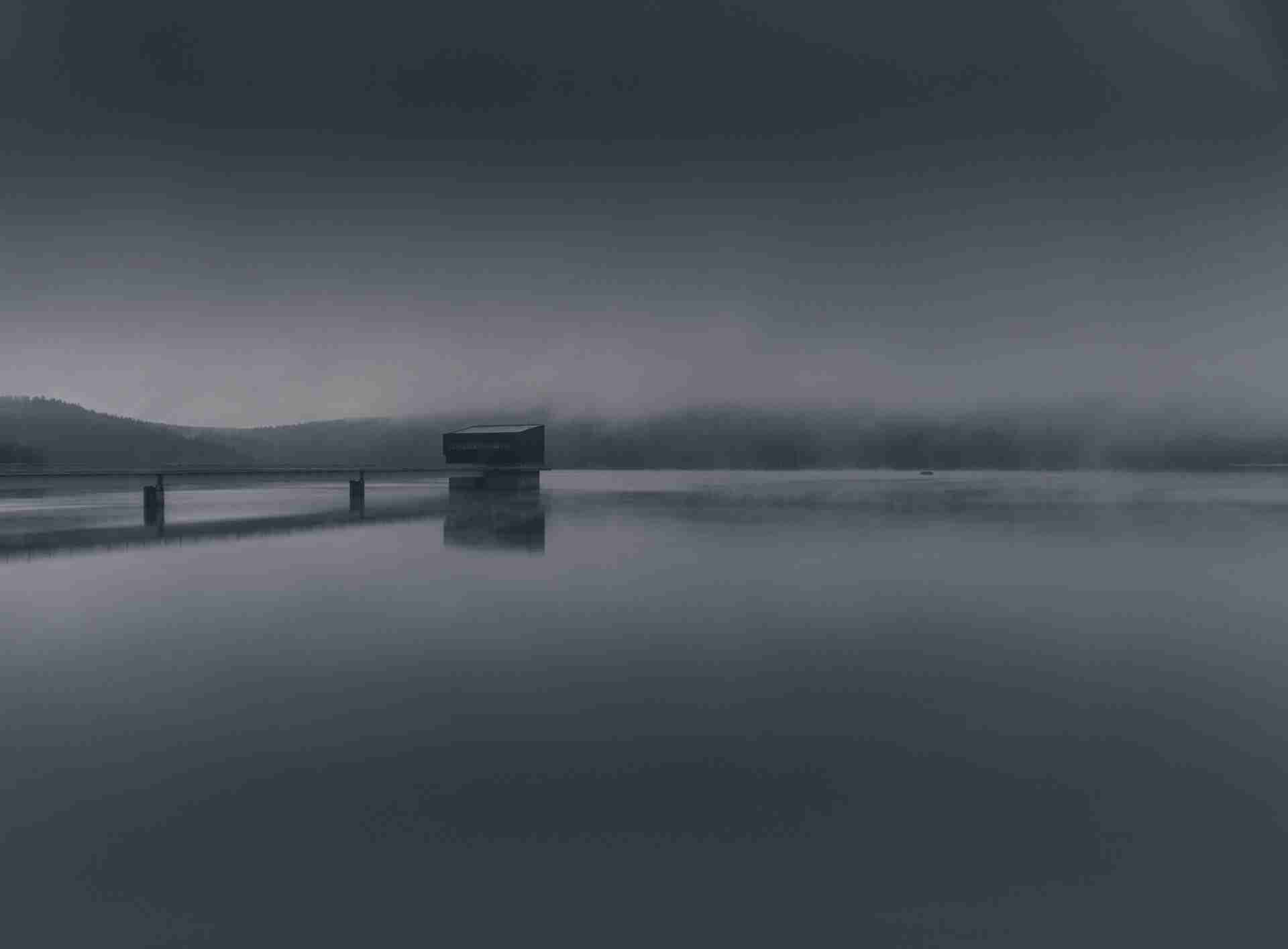
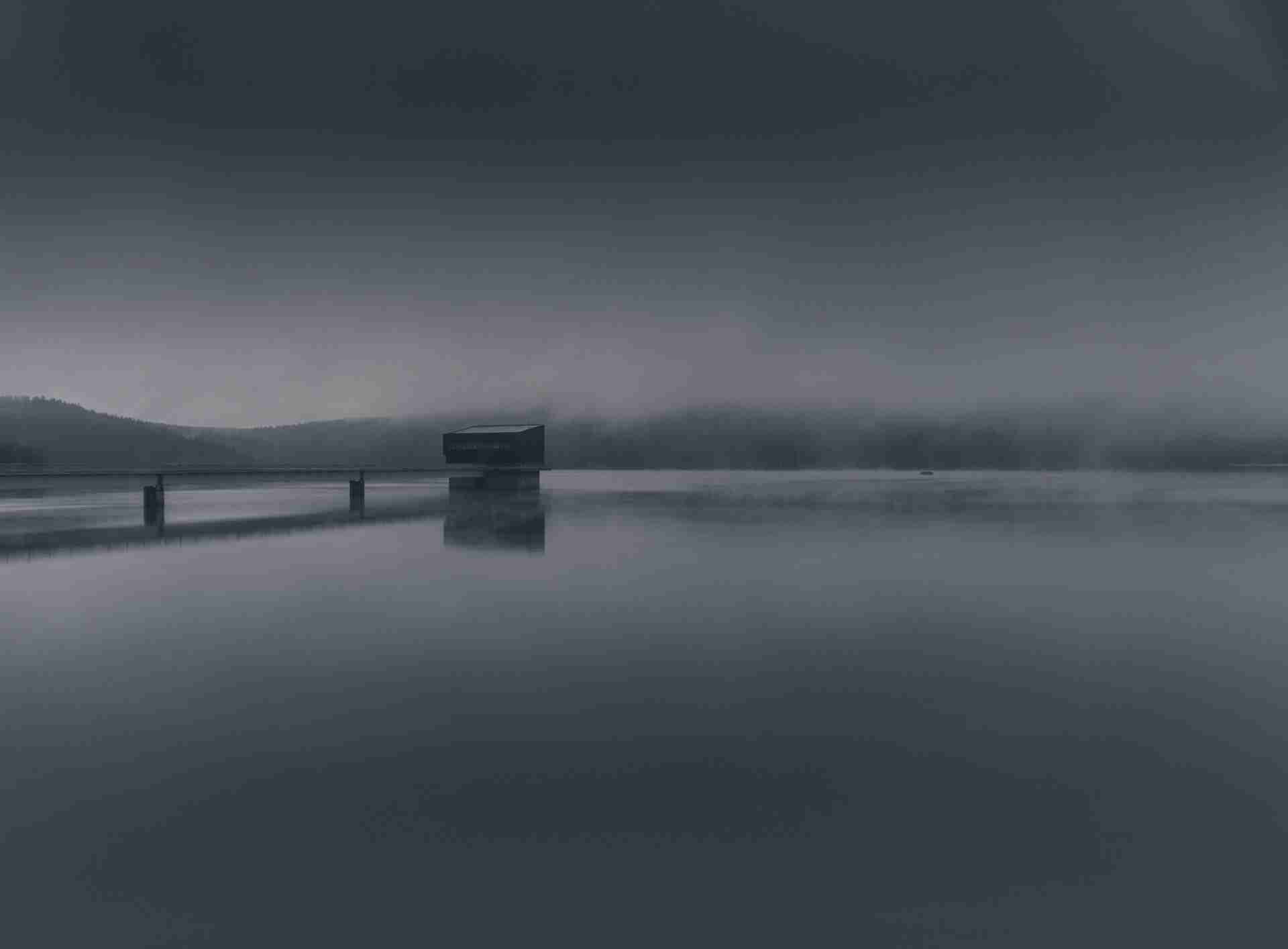
Tucked into the upper reaches of the Jizera Mountains, Josephs Mine Dam (Přehrada Josefův Důl) is the largest drinking water reservoir in the Liberec region of northern Czechia. Surrounded by dense conifer forest and rolling foothills, the dam offers a tranquil environment for landscape photographers looking to capture calm water scenes, reflections, and seasonal contrasts. Its long stone dam wall, mirror-like surface, and winding shoreline provide strong compositional elements year-round. Because swimming and boating are restricted to preserve water quality, the lake remains undisturbed, making it a peaceful location with minimal distractions. For those who enjoy slow-paced, detail-oriented work in natural settings, Josephs Mine Dam is an ideal place to explore tone, texture, and light.
Best Photography Opportunities
• Reflections from the Dam Wall
Standing atop the dam wall provides a panoramic view over the reservoir with still water stretching into the surrounding forest. On calm days, the reflections are near perfect, especially in the early morning when the wind is low. A wide-angle lens captures the curve of the dam and the mirrored sky and trees across the surface. Light cloud cover adds softness to the composition without flattening the scene. Positioning the camera slightly above the wall's edge helps clean up the foreground while keeping the structure in frame.
• Forest Shorelines and Seasonal Transitions
Walking the trails around the reservoir brings you to quieter spots along the shoreline where trees lean over the water and rock formations break up the reflections. In autumn, the forests surrounding the dam shift into a palette of orange and yellow, providing a vibrant contrast to the cool blue of the lake. Spring and summer offer lush greens and occasional low mist in the early hours. Shooting low along the bank with a standard zoom lens helps isolate natural details like mossy rocks, overhanging branches, or leaf-strewn water surfaces.
• Moody Weather and Low Cloud Conditions
Josephs Mine Dam is especially photogenic in fog, light rain, or low cloud conditions, which are common in this region. These conditions reduce contrast, emphasize depth, and create quiet, immersive compositions. A tripod is useful for slow shutter speeds that capture the subtle motion of mist or soft ripples on the water. Composing with large sections of negative space or focusing on single elements, such as a tree or rock outcrop, enhances the mood of these weather conditions.
• Long Exposures at the Spillway
At the southern end of the dam, a controlled spillway channels overflow water, providing an opportunity for long exposure photography. With a neutral density filter, you can smooth the water's movement to create contrast with the solid stone structure. This area is best photographed in overcast light or at golden hour, when the surrounding vegetation adds depth and color. Use caution around slippery rocks and always respect posted access restrictions.
• Minimalist Winter Compositions
In winter, the landscape transforms into a near-monochrome scene of snow, ice, and dark evergreen trees. The reservoir often partially freezes, allowing for stark compositions that emphasize shape and contrast. A telephoto lens is especially useful in these conditions to isolate visual patterns on the ice or pick out individual trees against a white background. Overcast skies create soft, even lighting that works well for subtle winter tones. Gloves, lens wipes, and protective covers are essential for working comfortably in cold, wet conditions.
Best Time to Visit
The reservoir offers year-round access, but each season brings its own photographic strengths. Spring is excellent for capturing morning mist and new growth along the forest edges, while summer offers lush greens, strong light reflections, and the most consistent access to all walking trails. Autumn is arguably the most photogenic time of year at Josephs Mine Dam, when the surrounding deciduous trees turn bright gold and orange, especially in late October. Winter offers a quieter, starker atmosphere with snow-draped trees and icy water for minimalist compositions.
Time of day is particularly important here. Early morning brings still water and low light that accentuates texture and subtle color, especially in cooler months. Late afternoon and golden hour bathe the forest and reservoir in warm side light, which can create strong contrast across the surface of the lake. Midday light is less ideal due to harsh reflections and flatter tones, though cloud cover can help. On foggy days, nearly any time can yield good results, as the mood of the location becomes more important than directional light.
How to Get There
Josephs Mine Dam is located above the village of Josefův Důl in the Liberec region of northern Czechia. The most straightforward access is by car, with parking available near the dam's southern end, close to the wall and main entrance path. The nearest major town is Jablonec nad Nisou, about a 20-minute drive away. During summer months, local buses also run to Josefův Důl from nearby towns, and regional trains connect from Liberec to Josefův Důl station, followed by a walk uphill through forest trails to the dam.
The dam area is open year-round with no entry fee, although access is restricted to designated paths due to the site's role as a drinking water reservoir. Swimming and boating are prohibited, and drone use is discouraged or restricted near the dam infrastructure. However, footpaths around the lake and through the adjacent forest are well-maintained and relatively flat, making them accessible to most visitors. The area is particularly quiet on weekdays and during early morning hours.
Recommended Photography Gear
A wide-angle lens is key for capturing the scale of the reservoir and dramatic skies, especially when standing on the dam wall or shoreline. A standard zoom in the 24 to 70 millimeter range is useful for woodland detail, edge-of-water compositions, and tighter framing of reflected scenes. A telephoto lens helps isolate features in the forest or distant shoreline, and is especially effective in fog or snow.
A tripod is essential for long exposures, low-light work, and precise compositions on still water. A circular polarizer helps manage glare on the lake and brings out color in the sky and foliage. Neutral density filters are useful for long exposures, particularly near the spillway or when smoothing the lake surface. In colder months, bring weather protection for both camera and clothing, including gloves with tactile grip and microfiber cloths for clearing condensation from lenses.
Nearby Photography Locations
• Jizera Mountains Plateau
Just northeast of the dam, this raised landscape of moorland, wetlands, and stone-paved trails offers open sky compositions and weathered textures. It's especially beautiful in the autumn and works well for wide scenic landscapes and minimalist scenes in winter.
A short drive or hike from Josefův Důl, this former glassmaking village offers rustic wooden architecture surrounded by forest. It's an ideal spot for shooting cultural history and natural harmony in one location.
This nearby stream system runs through forested gorges and includes a series of small cascades and mossy rocks. It's a perfect setting for long exposure waterfall shots and detail photography with a macro or telephoto lens.
• Smědava Area
Located deeper into the Jizera Mountains, Smědava offers wide open peat bogs, panoramic forest roads, and highland ambiance. It's a great complement to the more controlled landscape of the dam and has a more remote, wild feel.
• Bedřichov Reservoir
Another mountain reservoir to the north, this location is smaller and quieter, but also surrounded by hiking trails and forest. Its intimate scale makes it easier to compose small scenes, especially during morning fog or snowfall.
Josephs Mine Dam is a peaceful and richly textured location that rewards slow, observant photography. Whether you're working with reflections at sunrise, foggy forest edges, or crisp winter light, the quiet atmosphere and natural framing of the reservoir invite careful composition and a calm creative pace. It's the kind of place that rewards multiple visits across the seasons, with new visual stories revealed every time the light or weather changes.
Comments
Loading comments…