
![Stone, Scale, and Light in Národní Muzeum Národní Muzeum, the National Museum of Czechia, stands at the head of Prague’s […]](https://storage.googleapis.com/pixeo-blog.firebasestorage.app/article-images/wp-import/featured-134990.jpg)
Národní Muzeum, the National Museum of Czechia, stands at the head of Prague's Wenceslas Square as both an architectural centerpiece and cultural landmark. With its grand dome, sweeping staircases, and richly ornamented interior, the building offers photographers a steady mix of classical structure, historical detail, and changing light across its many halls. The exterior commands attention with bold lines and symmetry, while the interior rewards patience and an eye for balance. From long sightlines under the central dome to quiet corners filled with sculpture and natural light, the museum invites slow, thoughtful framing. For photographers drawn to architectural rhythm and depth, Národní Muzeum is a rewarding and visually layered experience.
Best Photography Opportunities
Grand Staircase and Interior Dome
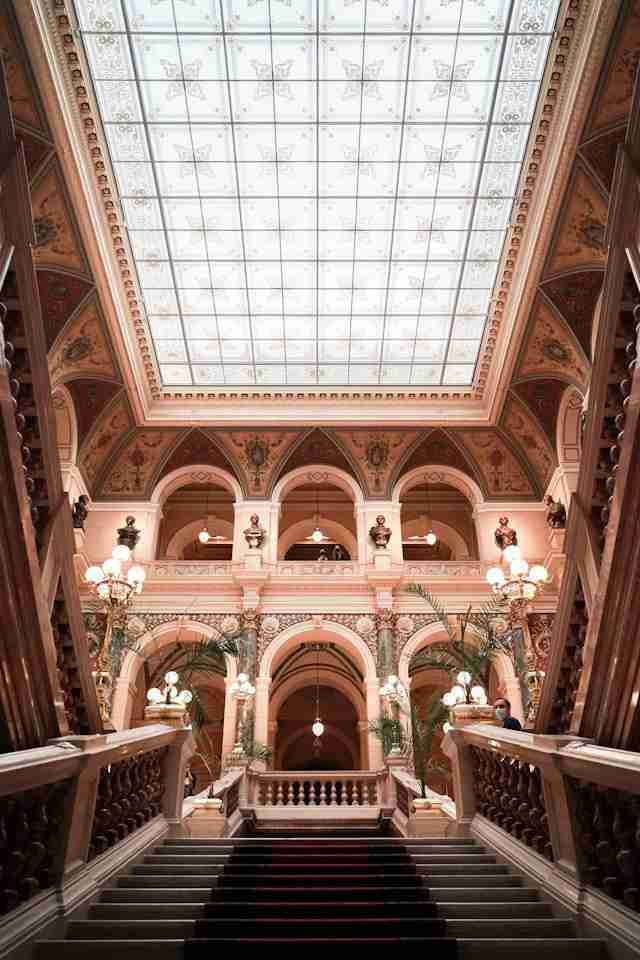
At the heart of the museum is the monumental staircase that climbs beneath the central dome. Its stone banisters, marble floors, and arched ceilings form the basis of strong vertical compositions. Shooting from the ground floor looking up allows you to capture the full sweep of the stairs as they pull the viewer's eye toward the light at the top. Framing the dome from an upper level provides a symmetrical perspective that emphasizes structure and contrast between stone and glass. The space changes character throughout the day as sunlight filters through the dome, creating soft highlights that shift from warm to cool tones.
Exhibition Galleries and Decorative Details
Many of the permanent exhibition rooms feature rich wooden floors, sculpted doorways, and framed pieces that sit well within a broader architectural frame. These rooms are ideal for layered compositions that include both the artwork and the gallery structure itself. Shooting at a moderate aperture lets you keep paintings or sculptures in focus while still capturing depth through doors and archways. Detail shots of carved molding, old display cases, or floor patterns also add supporting images to a larger story. These scenes work best in soft or indirect light, allowing for natural shadows and reduced glare.
Exterior from Wenceslas Square
The museum's position at the top of Wenceslas Square gives it a strong presence in both wide and compressed compositions. From the middle of the square, the full dome and facade can be captured with leading lines formed by surrounding buildings and street elements. Shooting at sunrise gives a soft, even light on the front of the building, while late afternoon light brings stronger shadows that highlight architectural relief. A longer focal length works well for isolating statues, stonework, and dome details from street-level clutter. Including elements like tram lines or pedestrians helps connect the structure to the rhythm of the city.
Detail Studies of Sculptures and Ornamentation
Throughout the building, sculpted reliefs, columns, and stone statues provide opportunities for tight detail work. These compositions benefit from directional light that creates shadow along ridges and carved elements. Using a fast lens with a shallow depth of field allows you to isolate the subject from busy backgrounds and reveal texture and form. Working slowly through these features helps you identify symmetry, repetition, or worn surfaces that tell part of the building's story. Many of these studies pair well with wider shots of the same room or corridor.
Views from Upper Galleries and Windows
The upper levels of the museum offer quieter corners with framed views through windows or archways. These spaces are ideal for less conventional compositions that use reflection, contrast, or separation of foreground and background. Photographing down into the central hall or across toward other galleries adds a sense of scale. Shooting through glass or with a narrow aperture helps emphasize line and tone over detail. These are useful images for rounding out a photo set with perspective and mood.
Best Time to Visit
The museum's interior is best photographed in the morning, shortly after opening, when visitor traffic is low and gallery light is soft and even. Late morning brings stronger daylight through the dome and upper windows, especially on clear days. Interior conditions remain mostly consistent year round, but the angle of sun in winter and early spring can offer longer shadows and cooler color temperature that enhances the stone textures. Early autumn provides a balance of steady weather and fewer crowds both inside and outside the museum.
For exterior photography, golden hour light on the front facade works well from spring through fall. Mornings are generally quietest in the square, with softer color in the stone and fewer obstructions in the foreground. Even in overcast weather, the museum's rich surfaces and structural balance hold up well in both color and black and white.
How to Get There
Národní Muzeum is located at the southeastern end of Wenceslas Square in central Prague. The main entrance is directly accessible from the top of the square, with additional access via metro lines A and C at the Muzeum station. The site is easy to reach on foot from other major landmarks in the city, including the Old Town and the Vltava River. Public transit and walking are the most efficient options, as car access and parking in this part of Prague are limited.
There is an admission fee to enter the museum, which includes access to both permanent exhibitions and the architectural spaces described above. Photography is allowed for personal use, although tripods, lighting equipment, and commercial shoots may require prior approval. Lockers, restrooms, and visitor services are available near the main entrance. Hours vary slightly depending on season, so it is worth checking opening times before planning a session.
Recommended Photography Gear
Photographing the museum interior requires a versatile but quiet setup. A 24 to 70 millimeter lens is ideal for staircases, galleries, and framing wider architectural elements. A wide angle lens works well for capturing full room views, especially beneath the dome or inside long corridors. A fast prime lens in the 35 or 50 millimeter range is useful for detail studies, working in low light without a tripod.
Since many areas of the museum are dimly lit and flash is not allowed, high ISO performance is important. A small travel tripod or tabletop support may be helpful for long exposures in low traffic areas, but should be used discreetly. A polarizing filter is not essential indoors but can help reduce glare on framed artwork or glossy floors. A microfiber cloth is helpful for cleaning lenses, especially when working near windows or under dusty conditions.
The building is large, but the layout allows for multiple passes through the same areas without excessive walking. A small shoulder bag or crossbody camera bag is ideal, keeping your gear accessible without interfering with others or drawing attention from staff.
Nearby Photography Locations
The long, gently sloped square in front of the museum is a great location for capturing leading lines, public activity, and architectural symmetry. Sunrise and sunset provide directional light that stretches across the square and lights up the surrounding buildings.
A short walk from the museum, this historic plaza is home to Prague's astronomical clock, gothic churches, and layers of architectural history. It is especially photogenic in soft morning light or under overcast skies that enhance the texture of the stonework.
Located just a few minutes away, the Prague State Opera offers elegant architectural details, sculpted reliefs, and a clean facade that contrasts with the museum's grandeur. It is a good secondary stop for midrange architectural studies.
Tucked between Wenceslas Square and Jungmannovo náměstí, this quiet park provides a green contrast to the stone of the museum. It works well for shooting clean lines, floral compositions, and city frames with foreground interest.
If time allows, a visit to the iconic Charles Bridge offers rich historic character and consistent photography opportunities in nearly any light. Early morning is best for fog, quiet surfaces, and unobstructed views of Prague Castle in the distance.
Národní Muzeum is more than a museum; it is a location that combines cultural history with powerful form, clean symmetry, and timeless materials. For photographers interested in story, space, and structure, it offers a chance to work across light, texture, and line in one of Prague's most enduring and rewarding settings.
Comments
Loading comments…