

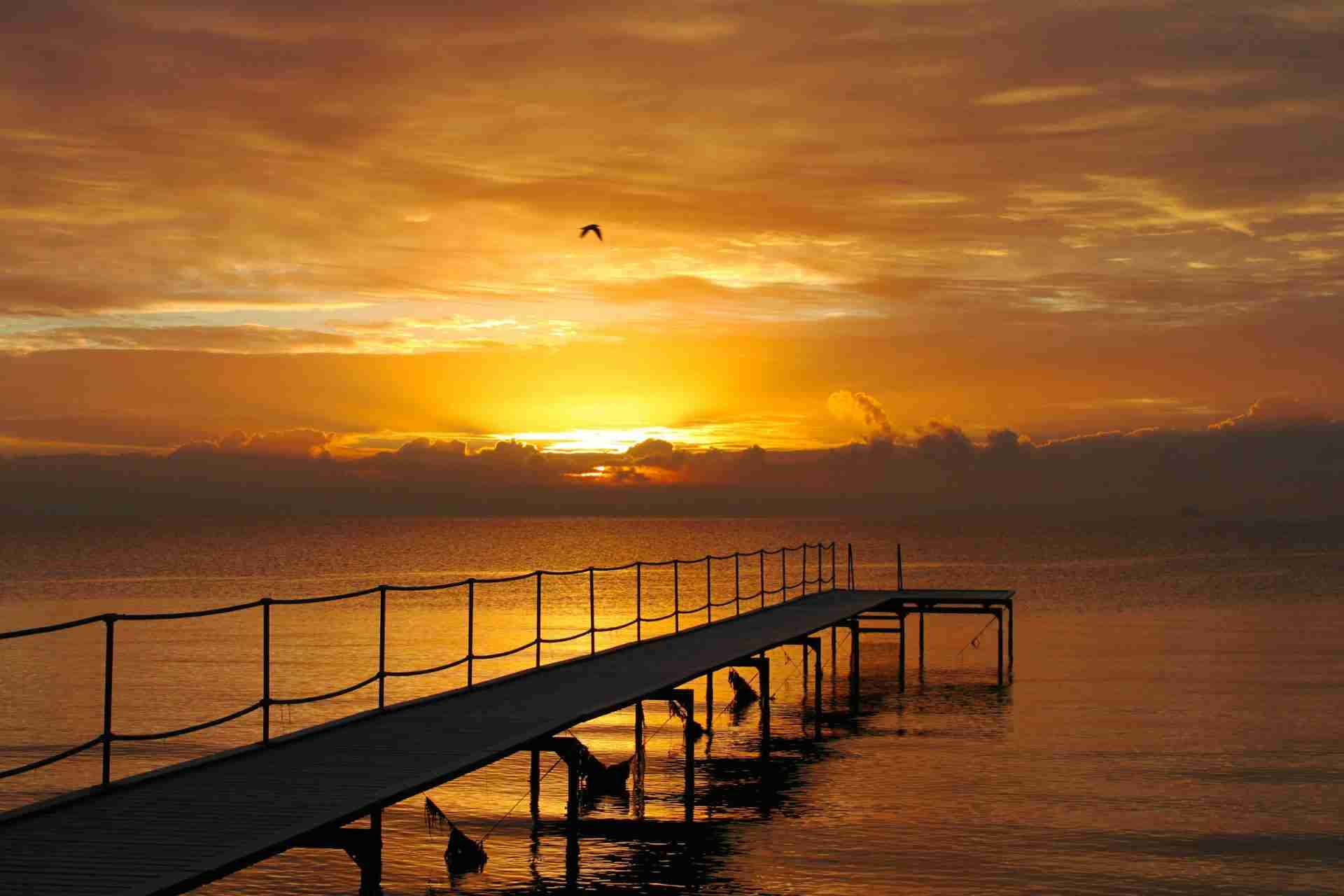
Bellevue Beach in Risskov sits just north of Aarhus and is one of those places that feels open and easy the moment you step onto the sand. The beach stretches out wide, with plenty of space to walk, pause, and choose your own angle without feeling crowded or restricted. The shoreline slopes gently into calm, shallow water, which gives the whole area a relaxed and approachable feel rather than something dramatic or overwhelming. One of the defining features here is the series of long wooden jetties that extend into the sea, spaced out enough to give each one its own presence. They add structure to the landscape while still keeping the overall scene simple and uncluttered. Even when it gets busy in summer, the size of the beach means you can usually find a quieter section if you are willing to walk a little further. The atmosphere is casual and unhurried, making it a comfortable place to spend a few hours without feeling like you need to rush through your shots. With easy access from Aarhus and nearby parking, it is also a practical location to work with, especially if you are carrying gear.
Best Photography Opportunities
• Jetty Leading Line Compositions
The wooden jetties are one of the defining features of Bellevue Beach and offer strong compositional anchors. Each jetty extends straight out into the water, creating a clear path for the viewer's eye to follow. By aligning your camera carefully, you can create symmetrical compositions or slightly offset frames that feel more natural. Shooting from a lower angle can emphasize the length of the jetty and make the structure feel more prominent within the frame. The spacing between jetties also allows you to experiment with multiple variations without needing to move far. These structures are especially effective when combined with soft light or subtle reflections in calm conditions.
• Minimalist Seascapes
The open nature of the beach makes it well suited to simple, uncluttered compositions. With very few distractions, you can focus on horizon lines, negative space, and subtle changes in tone between sand, sea, and sky. Positioning the horizon higher or lower in the frame can shift the balance depending on whether the sky or foreground is more interesting. Calm water helps maintain a clean look, while slight movement can introduce texture without overwhelming the scene. This is a location where restraint often produces stronger results than trying to include too many elements. It rewards careful observation and simplicity.
• Soft Light Portrait Setups
The wide, unobstructed setting allows light to fall evenly across your subject, especially during early morning or late afternoon. Positioning your subject near a jetty can add structure to the frame while still keeping the background simple. The reflective quality of the sand and water can help lift shadows naturally, reducing the need for additional lighting tools. Adjusting your angle slightly can control how much sky or water appears behind the subject. Because the space is open, you have flexibility to reposition without losing the overall feel of the location. This makes it a reliable environment for natural looking casual portraits. Since this is a public beach, formal and professional portrait sessions might not be possible without impeding the enjoyment of the beach by others.
• Reflections And Wet Sand Textures
When the tide is low or the sand is damp, the surface can create soft reflections that add depth to your images. These reflections are often subtle, which helps maintain the minimal quality of the scene while still adding visual interest. Shooting closer to the ground can enhance this effect and bring more attention to the texture of the sand. Timing is important, as the reflective quality changes depending on moisture and light angle. Even slight ripples or footprints can influence how the reflection appears. This makes it worth exploring different sections of the beach rather than staying in one spot.
• Seasonal And Coastal Conditions
The beach changes noticeably throughout the year, offering different moods depending on when you visit. Summer brings brighter conditions and more activity, which can add energy but requires more careful framing. Autumn and spring often provide softer light and fewer people, making it easier to focus on composition. Winter introduces a quieter, more stripped back version of the location, where the emphasis shifts to shape and contrast. Wind conditions can also play a role, affecting water texture and movement in the scene. Returning at different times of year can give you a wider range of results from the same location.
Best Time to Visit
Early morning is one of the best times to photograph Bellevue Beach, especially if you want softer light and fewer people. The low angle of the sun helps bring out subtle textures in the sand and adds gentle contrast without becoming harsh. Sunset is another strong option, with warmer tones spreading across the sky and reflecting lightly on the water. Midday can be more challenging due to flat or overly bright light, though it can still work for minimal compositions if handled carefully.
Seasonally, late spring through early autumn offers the most comfortable conditions and consistent access, though it is also when the beach is busiest. Visiting outside peak summer months gives you more space and a quieter atmosphere to work in. Overcast days are particularly useful here, as they soften the scene and make it easier to manage exposure. Wind can change conditions quickly, so it is worth paying attention to forecasts before heading out.
How to Get There
Bellevue Beach is located in Risskov, just north of Aarhus, and is easy to reach by several methods. By car, there are parking areas close to the beach, making it convenient if you are carrying gear. Cycling is a popular option in this part of Denmark, with well maintained paths connecting Aarhus to the coastline. Public transport is also available, with buses running from central Aarhus toward Risskov, followed by a short walk to the beach.
There are no fees required to access the beach, as it is a public coastal area. The layout is straightforward, with multiple entry points leading directly onto the sand. This makes it easy to move between different sections of the beach depending on light and conditions. Access is simple and practical, which is helpful when working with equipment.
Recommended Photography Gear
A standard zoom lens in the range of 24 to 70mm is a strong choice for this location, allowing you to capture both wider scenes and more focused compositions around the jetties. A longer lens such as a 70 to 200mm can be useful for isolating subjects or compressing the spacing between structures. A fast prime lens is helpful for portrait work, especially if you want to maintain separation while keeping the background clean.
A tripod is worth bringing if you plan to shoot during low light or want to refine minimal compositions carefully. A polarizing filter can help manage reflections on the water and deepen tones in the sky. Neutral density filters are also useful if you want to experiment with longer exposures to smooth out the water. Because of the open coastal environment, it is a good idea to bring a cloth to keep your lens clean from moisture or sand.
Nearby Photography Locations
Den Permanente Beach is a smaller, more structured beach area with wooden changing facilities and defined sections. It offers a slightly different visual style, with built elements that can be incorporated into compositions. The contained layout makes it easier to create more focused and intentional frames.
Riis Skov is a forested area that runs along the coastline, providing a contrast to the open beach. It offers shaded paths, varied textures, and elevated viewpoints looking out toward the water. This makes it a useful addition if you want to combine woodland and coastal imagery in one outing.
• Aarhus Ø
Aarhus Ø is a modern waterfront district with contemporary architecture and clean lines. It provides a completely different visual environment, with geometric structures and urban elements. This is a good location if you want to shift from natural scenes to something more design focused.
Egå Marina features boats, docks, and harbour activity similar to Steveston but on a smaller scale. It offers opportunities for layered compositions and reflections, especially during calm conditions. The setting is more compact, making it easier to explore in a shorter amount of time.
Moesgaard Beach is located further south of Aarhus and offers a wider, more natural coastal setting. It is known for its clean shoreline and open views, making it ideal for minimal compositions. The surrounding landscape adds variety, giving you more options within a single location.
Comments
Loading comments…