
Guiding Light by the Limfjord: A Photographer's Guide to Grisetå Odde Fyr, Struer
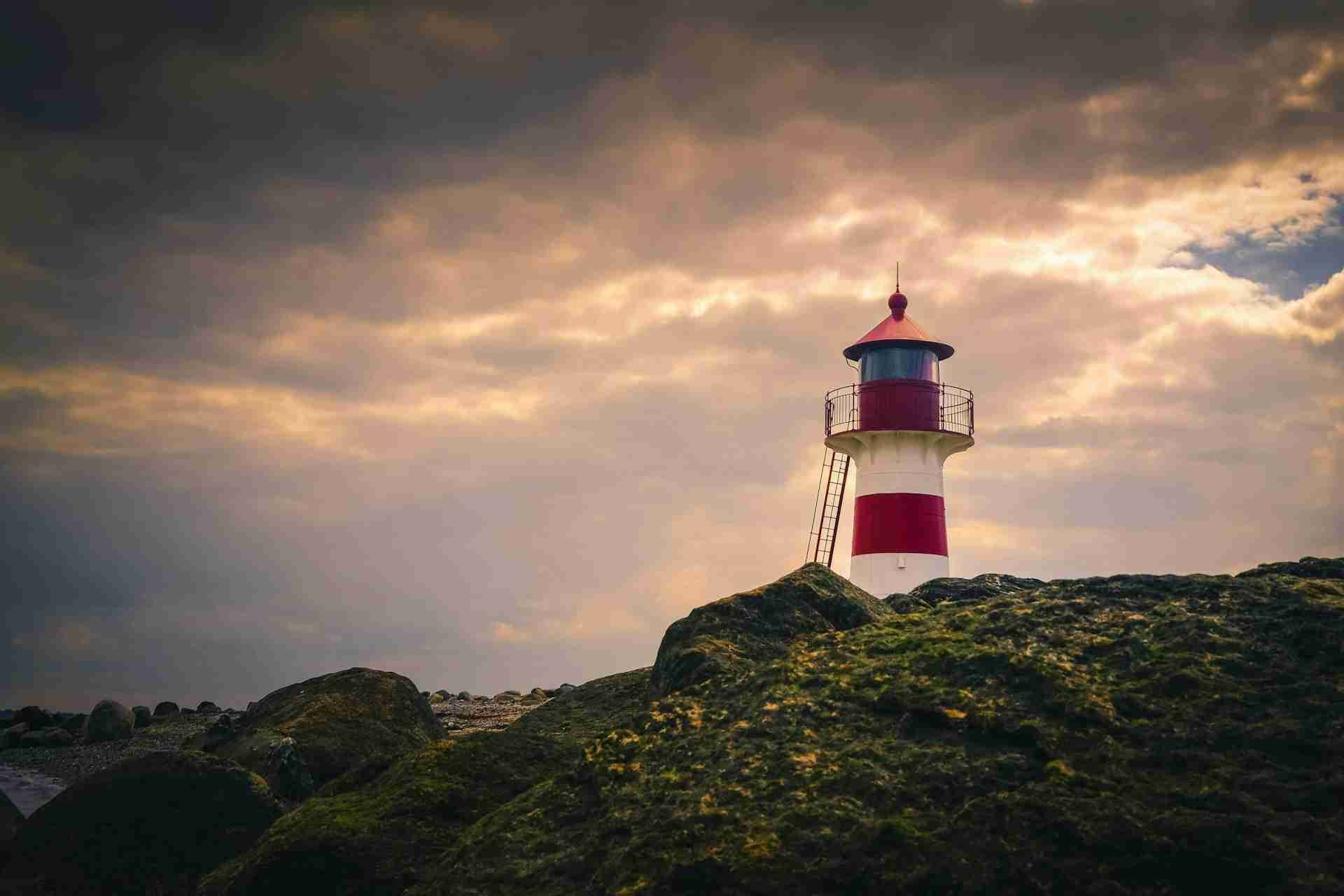
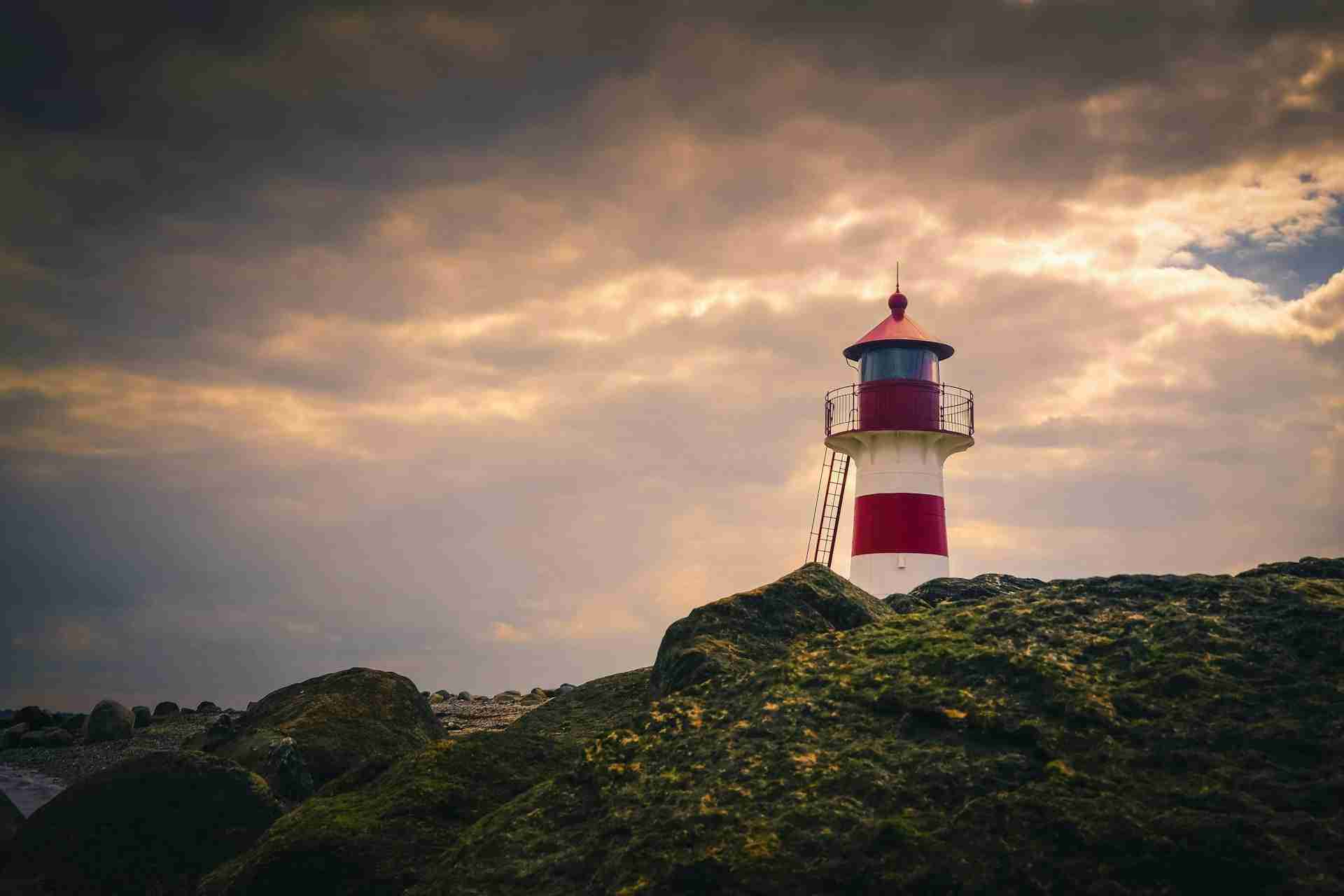
Grisetå Odde Fyr stands quietly at the end of a slender peninsula jutting into Denmark's Limfjord, surrounded by soft dunes, tranquil beaches, and open skies that stretch toward Jutland's northern horizon. Unlike towering coastal beacons, this small white lighthouse carries a subtle presence that complements the minimalism of the Danish coastline. The simplicity of its form, set against textured sand, sea, and ever-changing weather, makes it a rewarding subject for photographers seeking understated drama and atmospheric storytelling. With shifting winds, seasonal fogs, and mirrored tide pools, Grisetå Odde Fyr offers a landscape that thrives on quietude and light.
Best Photography Opportunities
• Soft Morning Light and Misty Dune Compositions
Early morning is one of the most magical times at Grisetå Odde Fyr. As the sun rises behind the low dunes, mist often hangs in the air or lingers just above the water, creating a dreamy veil that softens every line. Photographers can use a wide-angle lens to include the lighthouse within its full environmental context: dune grasses in the foreground, delicate pastels in the sky, and the distant curve of the Limfjord. Tripods are essential for long exposures in low light. Look for subtle reflections in tide pools and wet sand to add extra visual layers.
• Architectural Textures and Side-Lit Detail Shots
While small, the lighthouse offers detailed features that photograph beautifully under side lighting. Use a mid-range zoom (24–70mm) to focus on the rusted metalwork, weathered paint, and simple clean geometry of the structure. In late afternoon, angled sunlight accentuates these textures, creating soft shadows and highlighting contrasts between the whitewashed tower and the surrounding earth tones. Shifting your position to include background elements like distant sails or dune contours can add storytelling depth.
• Minimalist Seascapes with Negative Space
Photographers drawn to minimalist compositions will find ample material here. Use a telephoto lens (70–200mm or longer) to isolate the lighthouse against bands of water and sky. During high tide, the sea surrounds the point, letting the structure rise cleanly from a soft blue-gray palette. Compose with ample negative space to emphasize the lighthouse's solitude. Use long exposures with neutral density filters to smooth the sea and enhance the quiet, meditative feel of the image.
• Stormlight Drama and High-Contrast Black and White
Grisetå Odde is particularly striking under stormy skies. When clouds roll in from the northwest, they provide a textured, brooding canopy above the low-profile landscape. Position yourself down the beach and use a wide-angle lens to include the sweeping cloud formations above the lighthouse. Consider converting these shots to black and white, where the interplay of light and shadow reveals tonal richness and spatial depth.
• Night Photography and Subtle Light Painting
With low levels of light pollution and wide-open views, this location is excellent for night shooting. On moonless nights, the Milky Way can be positioned above the lighthouse, creating dramatic celestial compositions. Use a tripod, wide-angle lens with a fast aperture (f/2.8 or better), and exposures of 20–30 seconds. A gentle light painting technique with a diffused LED can softly reveal the contours of the lighthouse without overpowering the stars. During colder months, frosty ground and illuminated skyglow offer additional aesthetic interest.
Best Time to Visit
The seasons in this part of Denmark dramatically shape the photographic potential at Grisetå Odde Fyr. Spring, particularly from April to June, offers crisp, clear skies, returning birdlife, and fresh green grasses that contrast nicely with the stark white lighthouse. Summer months (July and August) bring long golden hours, calm water, and pastel-colored skies after 9:00 p.m., making it an ideal time for sunset and blue hour photography.
Autumn, from September to early November, offers dramatic sky activity and shifting weather patterns. The warm, low-angle light during this season enhances dune textures and lighthouse details, while fog often adds moody depth. Winter months bring shorter days, stronger winds, and frost-tinged mornings. The colder air can produce crystal-clear skies and early sunsets that work beautifully for both color and monochrome compositions.
Time of day is just as critical. Early morning sessions provide mist and tranquility, while late afternoon enhances form and texture. Even on cloudy or overcast days, the lighthouse holds its own visually, especially in monochrome or high-key exposures. Monitor local weather conditions and tide levels, which influence beach access and reflections.
How to Get There
Grisetå Odde Fyr is located approximately 10 kilometers northeast of Struer, a small town in Denmark's Central Jutland region. From Struer, take local roads heading north through Humlum, and continue following signs toward Grisetå Odde. As you approach the point, a gravel road leads toward the lighthouse area, terminating at a small parking area with access to the beach and dunes.
There is no entrance fee to visit the lighthouse. From the car park, a short walking path cuts through dune grass and leads directly to the lighthouse. The trail is gentle and suitable for tripods, carts, or heavier gear. While accessible year-round, the terrain can be muddy or icy during winter months, and strong winds are common in exposed areas. Facilities are minimal, so bring water, snacks, and appropriate clothing. For sunset or night sessions, a flashlight or headlamp is recommended, as the area becomes quite dark after dusk.
Recommended Gear for Coastal Minimalism
To capture the variety of moods at Grisetå Odde Fyr, start with a solid tripod for stability in wind and long exposures. A wide-angle lens (16–35mm) is essential for capturing the lighthouse in its broader landscape. A standard zoom (24–70mm) is ideal for medium-range compositions and texture-focused detail shots. For minimalist scenes and compressed landscapes, a telephoto lens (70–200mm or longer) delivers clean, elegant results.
Circular polarizers help reduce glare on the water and emphasize clouds and sky color. A set of neutral density filters (3 to 10 stop) expands your creative options for smoothing water or streaking clouds. Pack a microfiber cloth and rain cover to protect gear from salt spray or sudden rain showers. For night shoots, bring a fast lens (f/2.8 or wider), remote shutter release, and headlamp with a red-light mode. Layered clothing is advisable, especially in wind-prone seasons, and waterproof shoes make dune navigation easier.
Nearby Photography Locations
Accessible via a short ferry ride from nearby Kleppen, Venø offers scenic beaches, gentle cliffs, and open fields. The island's tranquility and wide views over the Limfjord make it perfect for sunrise and sunset photography, especially with reflective water and distant horizons.
Just a short drive from the lighthouse, the harbor area provides industrial texture and colorful boats. Use early morning or late evening light to capture clean reflections in calm water, or work in black and white to emphasize contrast and form.
Further west, this cliff-lined stretch along the fjord offers dramatic geological formations and elevated views. Visit during golden hour when the soft light rakes across the exposed clay layers and grassy slopes.
• Oddesund Bridge and Causeway
An iconic structure crossing the Limfjord, this bridge provides leading lines, water reflections, and moody seascapes. Long exposures work well here to smooth out water beneath the spans, especially during overcast days.
• Gjellerodde and Lemvig Bay
Located farther northwest, this scenic bay combines curved coastlines, grassy headlands, and layered horizons. Lemvig's harbor area also offers urban textures mixed with fjord scenery, particularly effective during early morning light.
Comments
Loading comments…