
Rising above the narrow strait where Denmark meets Sweden, Kronborg Castle stands as a powerful reminder of both history and seafaring strength. Located in Helsingør on the northeastern edge of Zealand, the castle faces the Øresund Sound with a presence that is equal parts architectural precision and dramatic atmosphere. Best known as the inspiration for Elsinore in Shakespeare's Hamlet, Kronborg is a destination where photographers can explore symmetry, moody skies, layered fortifications, and clean Nordic light. The setting offers more than postcard scenes; this is a place where strong stone geometry meets shifting sea weather, and where historic forms play against the soft edges of fog, tide, and time. From broad environmental compositions to architectural detail and waterfront reflections, Kronborg Castle rewards patient photographers who take the time to explore it from every angle.
Best Photography Opportunities
• Symmetry and Structure from the Castle Approach
The main entrance to Kronborg offers a formal and balanced view of the castle's symmetrical façade. From the outer ramparts, photographers can frame the cobbled path, arched bridge, and wide moat as leading lines that guide the eye directly to the central tower. This is an ideal perspective for wide-angle lenses and careful framing. The architecture is especially photogenic when lit from the side during early morning or late afternoon, as light reveals the patterns in the stonework and emphasizes the depth of the structure. Composing from ground level exaggerates the height of the spires and towers while maintaining balance across the horizontal frame.
• Reflections and East-Facing Elevation from the Waterfront
The eastern side of the castle faces the Øresund, and this waterfront offers sweeping views of the entire complex. When the sea is calm, reflections of the towers and walls stretch across the surface, providing excellent material for mirrored compositions. This area works particularly well at sunrise, when the sky holds soft color and the castle is gently side-lit. Using a mid-range zoom allows for both full wide shots and tighter images that focus on single towers or architectural features. Long exposures are effective here, smoothing the water and simplifying the background while keeping the historic structure sharp and defined.
• Architectural Detail and Light Play in the Inner Courtyard
Once inside the castle walls, the courtyard reveals a geometric grid of windows, stone archways, and layered gables. This inner space is perfect for both centered architectural shots and studies of texture and rhythm. The light enters from above and shifts through the day, casting shadows that highlight the sculptural qualities of the masonry. A short telephoto lens or a tilt-shift lens can help preserve lines while working from various corners of the courtyard. This is also a space for black and white photography, as contrast and shape take precedence over color in this enclosed environment.
• Sea Views and Weather from the Coastal Bastions
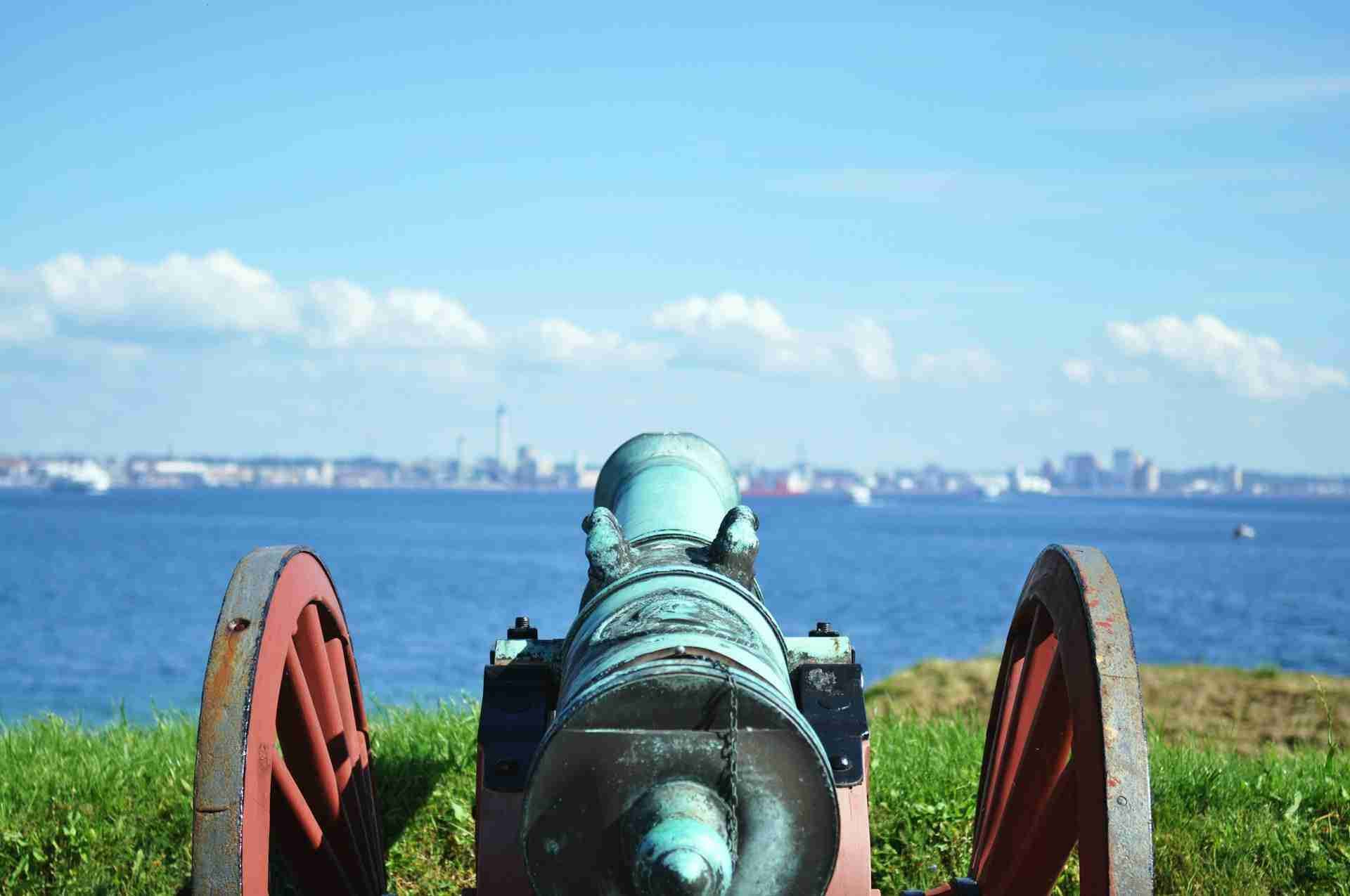
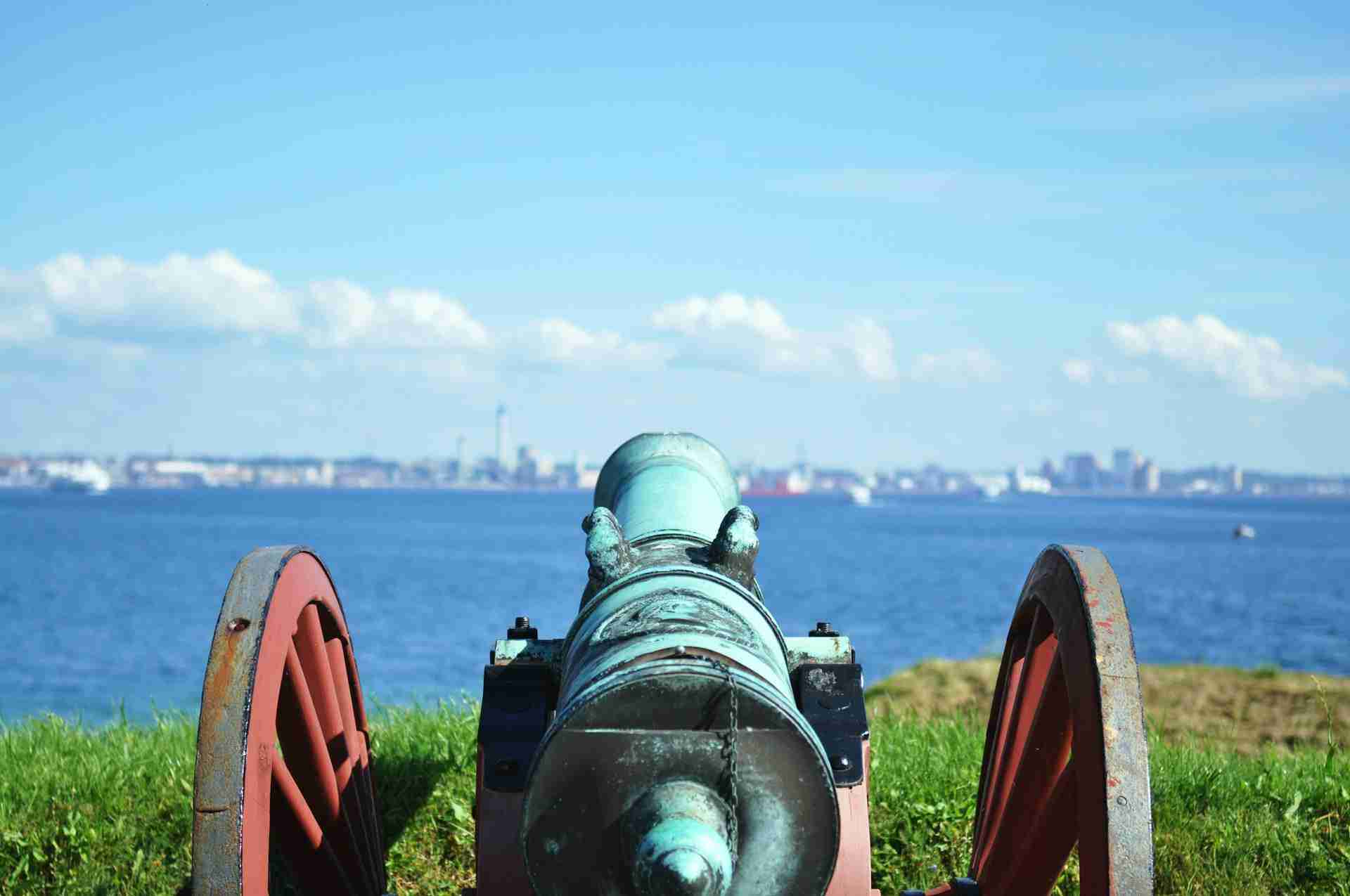
The outer bastions of Kronborg sit high above the sea and offer wide, uncluttered views of the Øresund. These platforms are surrounded by stone walls, grassy slopes, and lines of historical cannons. From here, the castle can be framed against a backdrop of cloud-filled skies or captured as a silhouette in moody conditions. Weather plays a central role in these compositions, and dramatic skies or drifting fog add energy to the static architecture. Photographers should be ready to wait for passing light or sudden breaks in cloud cover that create layered and dynamic frames.
• Blue Hour and Night Photography from the Harbor
In the evening, Kronborg Castle is lit by subtle architectural lighting that brings out the contours of its towers and walls. The adjacent harbor and marina offer clean views of the illuminated structure reflected in calm water. Shooting during blue hour allows for balanced exposures where the last ambient light of day merges with artificial illumination. Using a tripod and long shutter speeds, photographers can capture both reflections and soft motion in the water. This is one of the quietest times at the castle, and with patience, it is possible to compose scenes free of distractions.
Best Time to Visit
Kronborg Castle is photogenic throughout the year, with each season offering a different visual character. Spring and autumn are ideal for their low sun angles, cool air, and active weather, all of which add depth and clarity to architectural compositions. In these seasons, sunrise light casts warm tones across the eastern walls, while sunset from the western ramparts reveals rich shadows and subtle color changes in the stone. Summer brings extended daylight and more stable conditions, though harsh midday sun can flatten textures. Visiting early in the morning or later in the evening helps avoid crowds and improves light quality. Winter presents a quieter, more atmospheric setting with low-angle sunlight throughout the day and occasional snow on the rooflines and lawns. Fog is also more frequent during colder months, softening the castle's silhouette and simplifying the composition. The best photographic conditions usually occur just after sunrise or shortly before sunset, when contrast is lower and shadows define the forms of the castle without overpowering them. Cloud cover and mist can create excellent opportunities for abstract or interpretive images, while calm weather is ideal for reflections and long exposure work.
How to Get There
Kronborg Castle is located in Helsingør on the northeastern coast of Zealand, approximately one hour by train from Copenhagen. Trains depart frequently from Copenhagen Central Station and arrive at Helsingør Station, which is a ten-minute walk from the castle along a scenic waterfront path. For those driving, the castle is accessible by the E47 highway, with several nearby paid parking lots, including spaces directly adjacent to the main entrance. The outer grounds, including the moat, ramparts, and harbor path, are open to the public year-round and can be accessed freely at any time of day. Interior access to the castle, including the courtyard, towers, and exhibition rooms, requires a ticket during opening hours. Photography is permitted both inside and outside the castle, though tripod use may be limited in interior spaces depending on crowd levels and ongoing events. Drones are not allowed over the castle or its immediate surroundings without a special permit due to its protected status. Most of the best views can be achieved on foot within a short walk from the train station or parking area, and paths around the outer walls are well maintained for year-round access.
Recommended Photography Gear
Photographing Kronborg Castle calls for a well-rounded kit that can handle both architectural detail and variable outdoor conditions. A wide-angle lens, such as a 14 to 24 millimeter, is essential for capturing the full structure from the moat or courtyard. A mid-range zoom between 24 and 70 millimeters will serve most general compositions, including scenes along the harbor or within the interior courtyard. For tighter compositions or detail studies, a 70 to 200 millimeter telephoto is useful, particularly when isolating elements from the bastions or across the waterfront. A tripod is necessary for long exposures, low-light shooting, and architectural framing that requires precision. A set of neutral density filters can help manage exposure when shooting reflections or softening water movement. A circular polarizer is helpful when working with sky contrast or managing reflections from the moat and harbor. Bring a lens cloth and protective cover, especially when photographing near the water or in fog. A fast prime lens in the 35 to 50 millimeter range is a good choice for interior scenes where tripods may not be allowed. Carry a small weather-resistant bag, as conditions near the sea can shift quickly, and salt spray or mist may affect gear.
Nearby Photography Locations
Southeast of the castle, the harbor and marina offer reflective surfaces, clean skyline views, and working boat traffic that adds life to wide scenes. This is one of the best locations for capturing the castle's full profile, especially during early morning or blue hour when the light is soft and directional.
This subterranean museum features angular modern architecture that stands in sharp contrast to the Renaissance style of Kronborg. Its sunken courtyard and mirrored surfaces create opportunities for abstract compositions, reflections, and clean lines. Late morning light brings out texture in the materials without harsh glare.
Just inland from the castle, the old town contains narrow lanes, colorful facades, and preserved medieval buildings. This area is ideal for handheld street photography and detail work. In early morning or late afternoon, angled light filters through alleys and creates depth in the cobbled streets.
A footpath running northeast along the coast provides elevated views of Kronborg Castle and the sea beyond. The trail offers several clearings and benches that make excellent vantage points for wide or telephoto compositions. Fog and layered clouds often move in from the water, adding visual drama to otherwise clear scenes.
• Ferries to Helsingborg, Sweden
Regular ferries cross the strait to Helsingborg, and from the deck, photographers can capture Kronborg Castle from the water. These elevated perspectives reveal the castle's position on the headland and its orientation to the sea. The crossing lasts twenty minutes and offers both early morning and evening light angles.
Kronborg Castle presents a location where structure, story, and setting all come together in quiet harmony. From its formal walls to its sea-facing bastions, the castle offers opportunities to explore both technical precision and atmospheric expression. Whether you are chasing morning reflections, studying the rhythm of arches and spires, or waiting for a break in the clouds over the harbor, this historic fortress remains one of Denmark's most rewarding places to photograph.
Comments
Loading comments…