
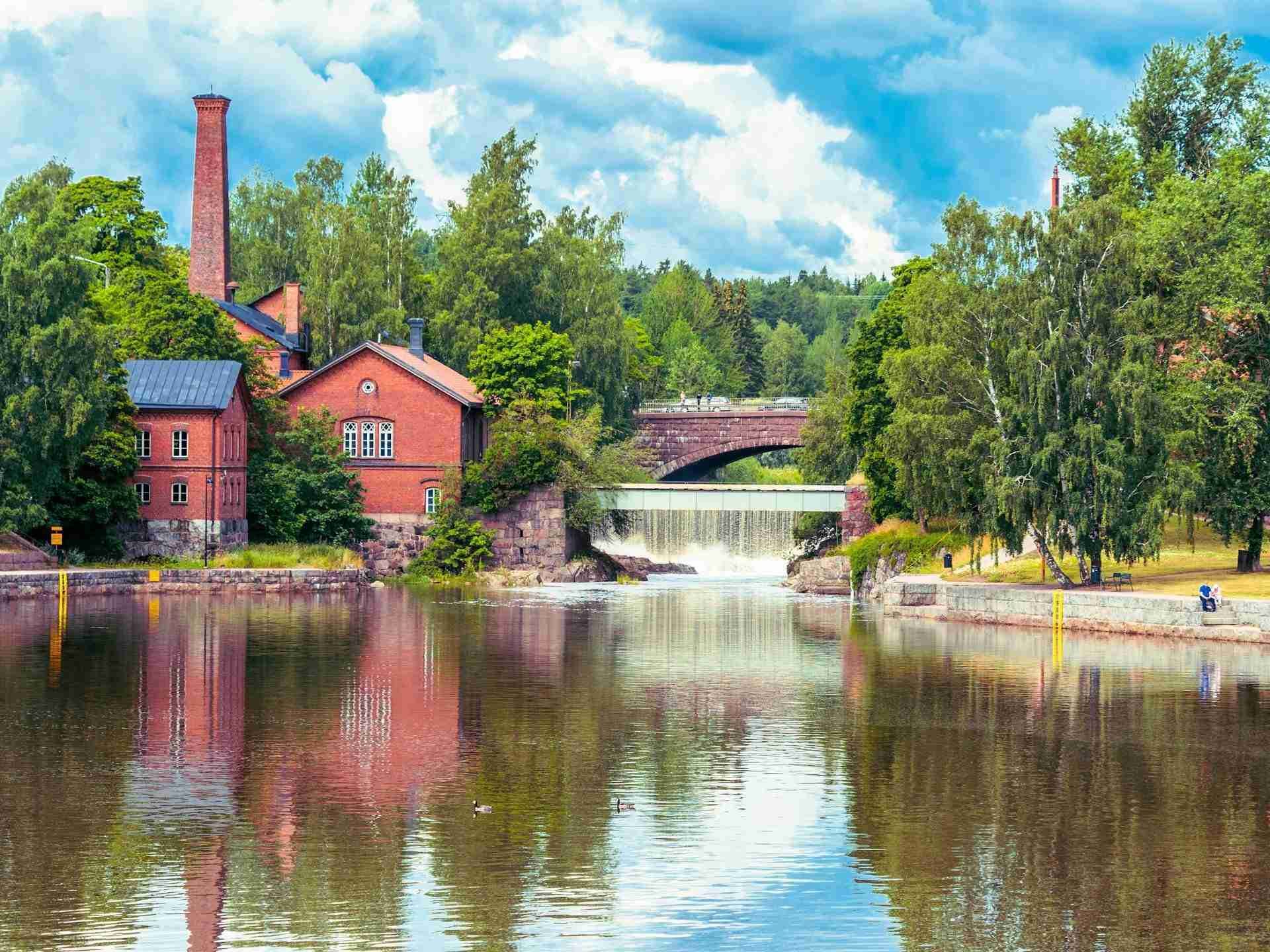
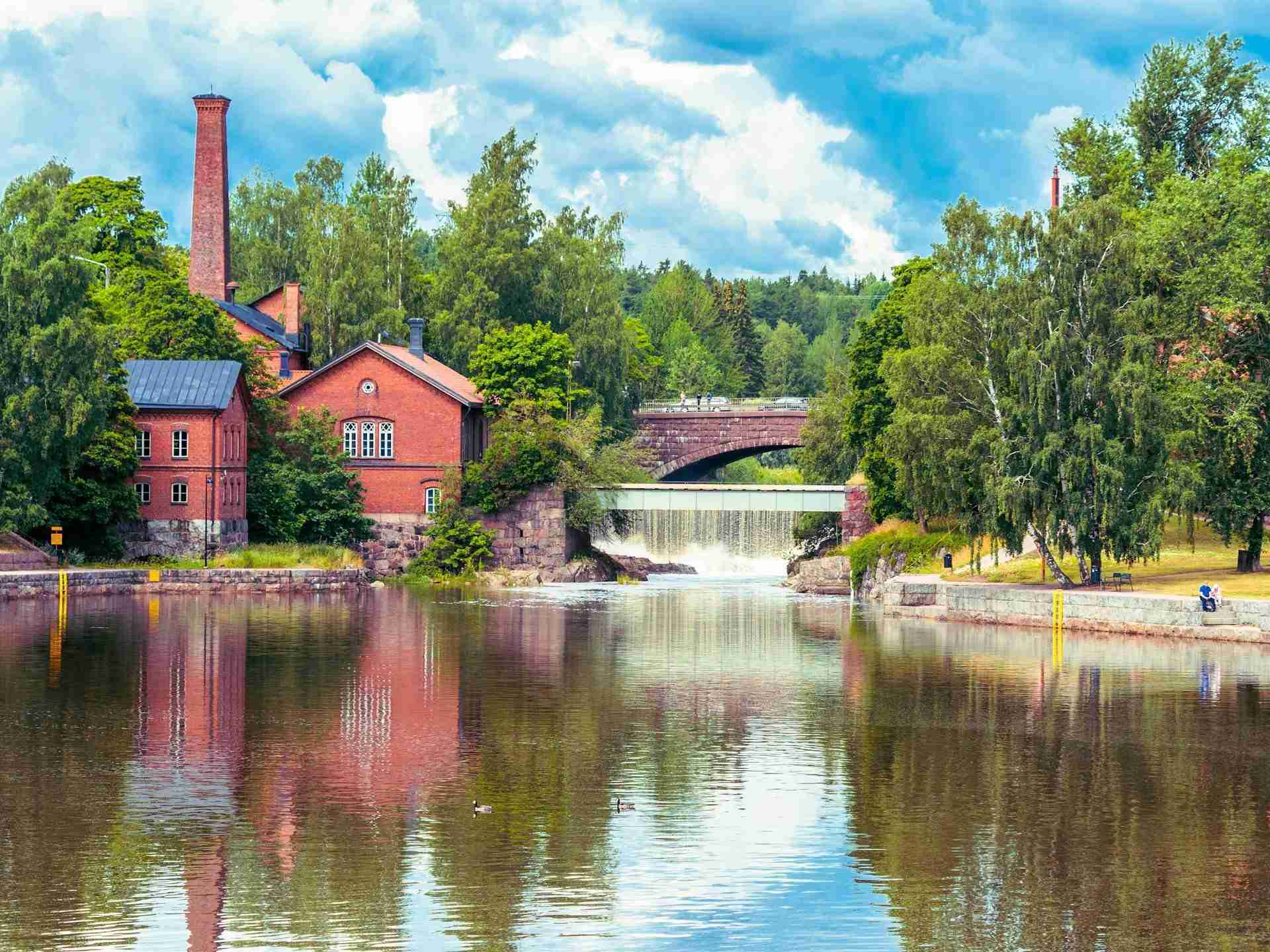
Tucked along the banks of the Vantaa River at the historic heart of Helsinki, The Power Plant Museum at Vanhankaupunginkoski offers a powerful juxtaposition of early 20th-century industrial architecture and wild, rushing water. This red-brick hydroelectric plant, decommissioned and preserved as a museum, stands just upstream from the roaring rapids where Helsinki was originally founded. Its angular façades, rusted gates, and exposed turbine mechanisms speak to a bygone era of engineering, while the surrounding riverbanks and footbridges offer endless compositional opportunities.
Photographers drawn to structure, motion, and mood will find the site especially rewarding. The museum's industrial bones pair beautifully with seasonal changes in the landscape—from the frozen spray of winter to the lush green mosses and golden foliage that arrive with spring and autumn. Whether you're crafting long exposure studies, architectural compositions, or atmospheric river scenes, this overlooked Helsinki gem delivers both historical resonance and visual depth.
Best Photography Opportunities
• Long Exposures of the Rapids and Spillway
The Vanhankaupunginkoski rapids cascade just meters from the museum, creating a dynamic setting for long exposure photography. From footbridges or the lower rock embankments, you can capture water rushing beneath the museum's base or streaming past the sluice gates. Use shutter speeds between 2 and 30 seconds to transform the chaos of the water into silky movement, with the power plant looming quietly behind. Seasonal variations—icy edges in winter or high water after rain—offer dramatically different moods and textures.
• Industrial Architecture and Textural Decay
The museum building itself features large factory windows, brickwork softened by age, and rust-streaked iron doors—details that lend themselves well to textural studies and architectural portraiture. Shoot in early morning or golden hour for angled light that brings out detail in the brick and iron, or work with overcast conditions to reduce contrast and capture the somber patina of the structure. The contrast between engineered symmetry and natural aging makes the building an excellent subject for both realism and more abstract interpretations.
• Reflections and Framing from the Riverbanks
On still days, the Vantaa River provides mirror-like reflections of the museum and surrounding landscape. Framing the power plant between bare branches in winter or green foliage in summer creates a layered image that guides the viewer's eye from natural forms to industrial ones. These quiet scenes are ideal for minimalist compositions or moody vertical frames that emphasize the museum's position along the water's edge.
• Night Photography with Artificial Glow
The museum and nearby bridges are softly lit at night, casting warm light across the flowing river. A tripod and long exposure can capture ambient reflections and create a cinematic atmosphere, especially in fog or light snow. The glow from Helsinki's urban core to the west adds ambient color to the sky and subtle gradient to the water. Consider timing your visit to coincide with blue hour for a balanced interplay of sky color, architecture, and artificial light.
• Drone Photography of the River and Infrastructure
When flown legally and safely, a drone reveals the full structure of the hydro plant within the curve of the Vantaa River. From the air, the contrast between rigid architecture and organic flow is stark and striking. Look for compositional alignments with bridges, footpaths, and the spillway itself. In autumn, a palette of rusted brick, dark water, and golden leaves frames the scene with natural harmony. Use oblique angles to retain depth, or go directly overhead for symmetrical, top-down abstraction.
Best Time to Visit
The site offers compelling photography in all seasons, but the best times to visit are spring and autumn, when water levels are higher and ambient light remains soft throughout the day. In spring, mosses and river grasses provide texture and color contrast against the red brick, and morning mist often drifts along the water. Autumn adds warm foliage, golden backlight, and a melancholic tone that suits the museum's aging frame.
Winter delivers a minimalist palette, with ice forming along the river edges and the building's features outlined in frost. The reduced daylight during Finnish winters means golden hour often lasts for hours—ideal for shooting soft, low-angle light across every surface. Summer brings more foot traffic but also more foliage and full access to riverbanks and walkways.
Early mornings are the best time for solitude and fog, while evenings offer excellent twilight and ambient lighting. Cloudy days work well for textural and architectural detail, while clear skies favor wide compositions with reflections or dramatic light.
How to Get There
The Power Plant Museum is located in the Vanhankaupunginkoski district, roughly 15 minutes by public transport or bicycle from Helsinki's city center. Bus and tram lines connect to the nearby Arabianranta and Viikki areas. For those arriving by car, limited street parking is available along Hämeentie and nearby residential roads, though it's often easier to park and walk from one of the nearby university or museum lots.
Access to the site is free, with footbridges and maintained paths providing clear views of the building and river from multiple angles. While the museum interior has limited opening hours, the exterior is always accessible. Be mindful of icy surfaces in winter and fast-moving water near the rapids—tripods should be used with care when shooting near the edge.
Recommended Gear and Shooting Tips
A wide-angle lens (16–35mm) is essential for capturing the full sweep of the museum building and river in one frame, particularly from the lower walkways or footbridges. A mid-range zoom (24–70mm) offers compositional flexibility, letting you isolate windows, turbines, and rusted gates while still capturing contextual elements. A telephoto lens (70–200mm) can compress details on the far side of the river or bring focus to small architectural features often overlooked.
Bring a tripod for long exposure work and low-light conditions. A 6- or 10-stop ND filter is extremely useful when smoothing out the water's motion in daylight, while a polarizer helps cut through glare and enhance reflections. If you're planning drone work, fly only during off-peak times and stay clear of pedestrians and low-flying birds common to the river area.
Always carry a lens cloth—mist from the rapids often carries fine spray, especially on windy days. Rubber-soled boots or waterproof footwear help when exploring the lower paths or shooting from wet rocks near the shoreline. If you're after reflections or mirrored compositions, time your visit for early morning or just after rain when water is calmest.
Nearby Photography Locations
Just east of the museum lies this natural wetland area, complete with wooden walkways, bird towers, and serene marshlands. It's a perfect complement to the industrial textures of the power plant, offering quiet landscape scenes, especially at dawn.
• Arabianranta Street Art and Waterfront
A short walk away, this creative district features murals, sculptures, and modern architecture along the shoreline. Great for street photography or capturing the interface between Helsinki's industrial past and its artistic present.
Located uphill from the museum, the garden offers manicured landscapes, glasshouses, and seasonal blooms. It's an ideal spot for detail work and close-range natural compositions during spring and summer.
South of the river, Viikki's open fields, old barns, and research facilities provide rural scenes just minutes from downtown. In autumn, the low sun casts long shadows across the grasslands and farm roads—perfect for minimalist compositions.
• Helsinki Zoo and Mustikkamaa Bridge
To the south across the river mouth, Mustikkamaa offers forest trails, shoreline rock formations, and views of Helsinki Zoo's island. It's a great location for dusk and night skyline photography, especially when fog rolls in over the inlet.
The Power Plant Museum at Vanhankaupunginkoski is one of Helsinki's most atmospheric shooting locations—a fusion of industrial design, Nordic light, and riverine energy. Whether you're crafting architectural narratives, exploring long exposure motion, or simply chasing the rhythm of water and steel, it's a place where history and photography meet with quiet intensity.
Comments
Loading comments…