
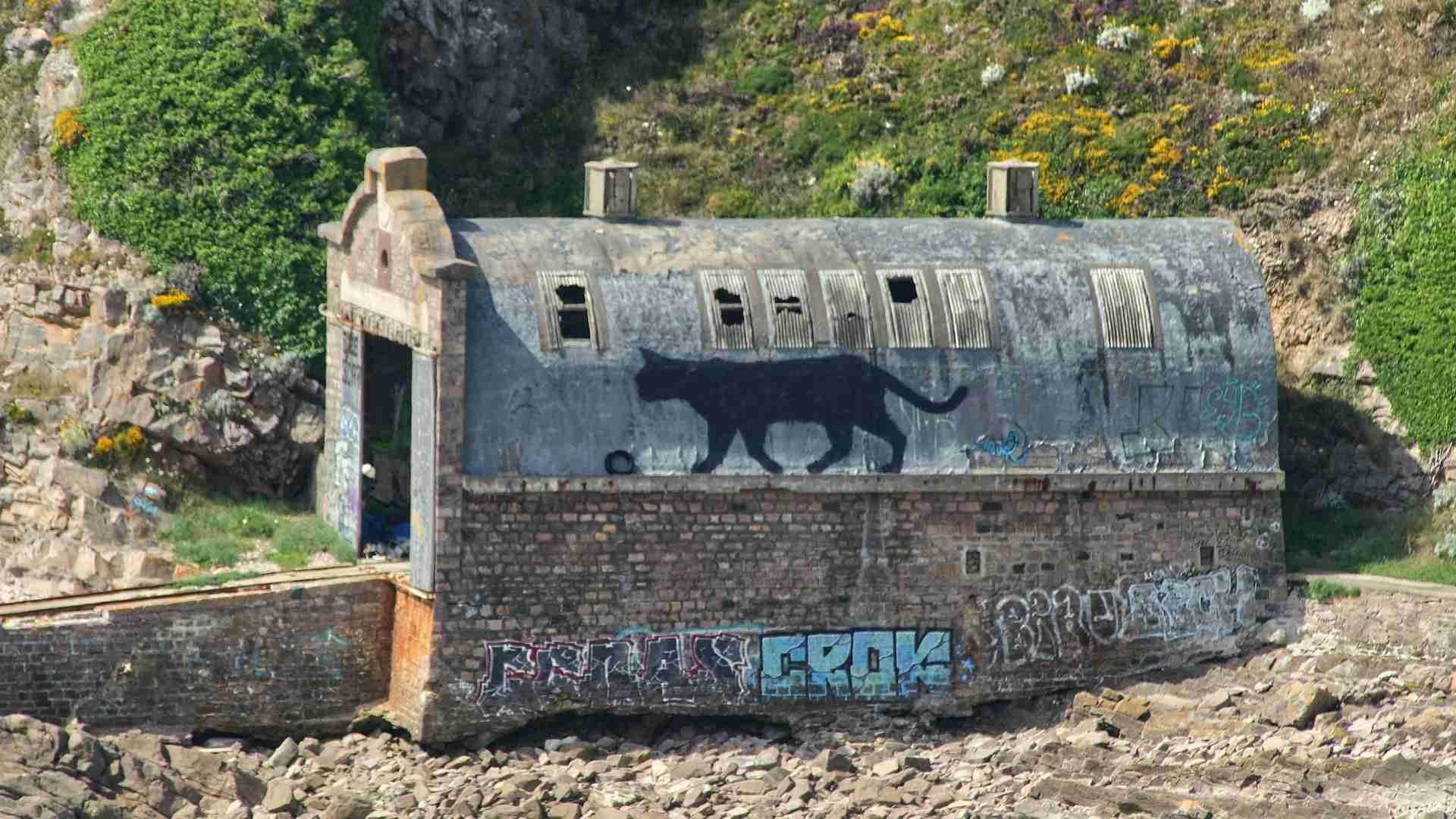
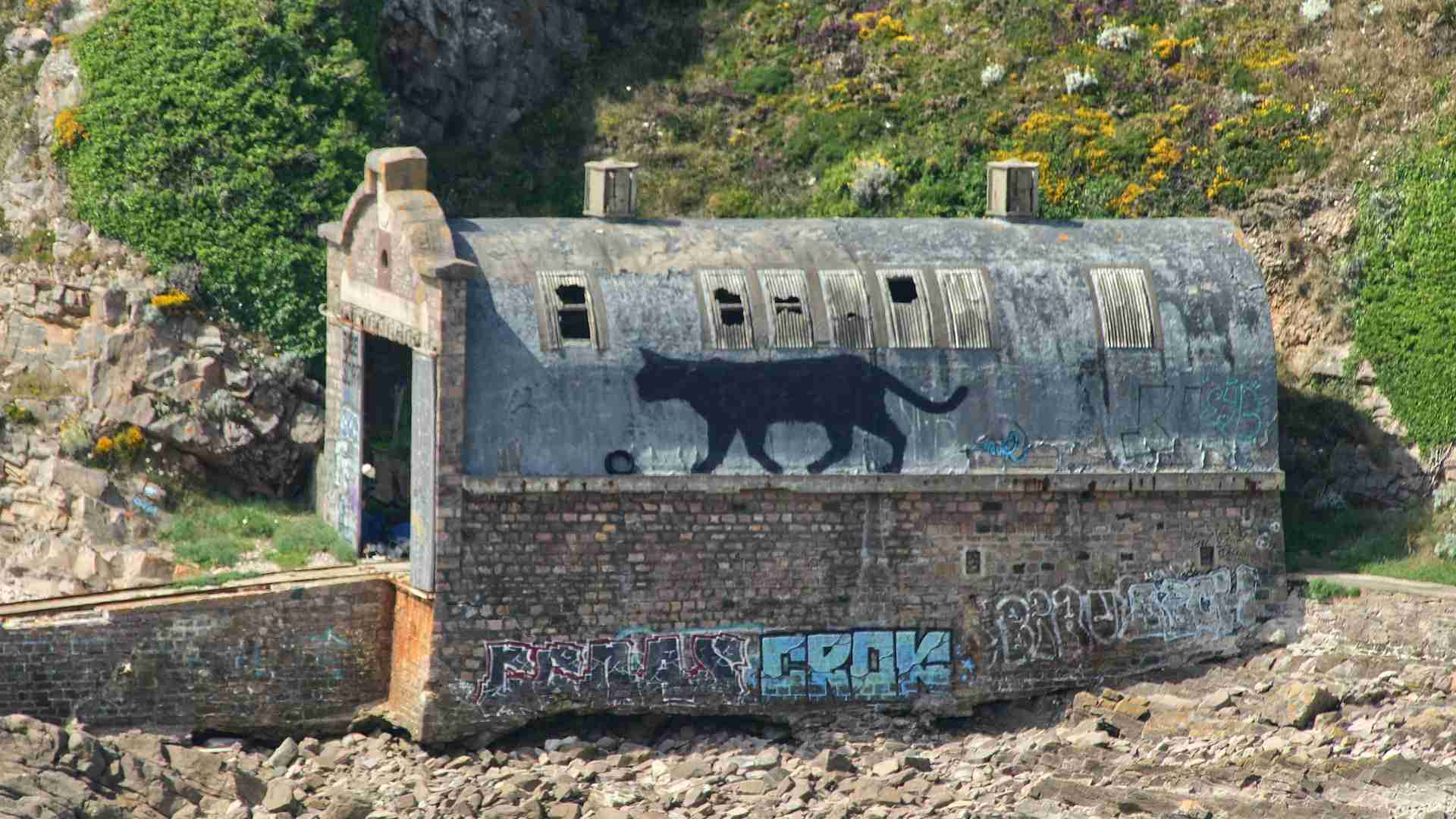
Perched atop windswept cliffs overlooking the rugged north coast of Brittany, the abandoned coast guard station at Pointe du Cap d'Erquy is a hauntingly beautiful relic of maritime vigilance. With its weathered stonework, shattered windows, and lichen-streaked walls, the structure stands as a sentinel above the sea. Set against the heather-strewn moorlands and dramatic cliffs of the Cap d'Erquy headland, the station provides a rare opportunity for coastal ruin photography in a setting where nature has reclaimed nearly everything around it. The interplay of decaying architecture, expansive seascapes, and shifting Atlantic weather gives photographers a location that is as atmospheric as it is remote.
Best Photography Opportunities
• Golden Hour Ruin with Ocean Backdrop
: The most iconic composition at the coast guard station is a wide-angle view taken during the golden hour, when low sunlight strikes the building's west-facing wall and casts long shadows over the surrounding heathland. Positioned on the headland's ridge, the structure can be framed with the Atlantic behind it, allowing you to contrast the angular lines of human construction against the endless curves of sea and sky. Use a 16–35mm lens to include foreground grasses, broken stone, and surrounding footpaths to build a layered frame. Shooting during sunset, especially in late spring or early autumn, adds warmth to the stone and enhances texture across the weathered surfaces. Consider bracketing exposures or using graduated ND filters to manage dynamic range between sky and foreground.
• Detail Studies of Decay and Coastal Texture
: Up close, the abandoned station reveals rich photographic textures—peeling paint, rusted hinges, cracked lintels, and moss-covered masonry. These elements invite tight compositions with a macro or telephoto lens that isolates the tactile qualities of neglect and erosion. Coastal light, often diffused by mist or soft cloud, provides ideal conditions for rendering these textures in a painterly way. Try shooting from low angles to incorporate the lichen-stained walls into layered compositions that draw the viewer's eye through surfaces rather than scenes. Black-and-white conversions can heighten the visual drama by emphasizing contrast and detail in the stonework.
• Moody Long Exposures with Stormy Skies
: One of the most powerful ways to photograph the site is during—or just after—a storm, when clouds churn over the cliffs and the sea turns slate gray. From the station, look north along the cliff edge for compositions that pair the ruin's silhouette with streaked skies and blurred waves below. A long exposure (15–30 seconds) smooths the ocean's surface and captures movement in the cloud layer, imbuing the image with a sense of passing time that mirrors the building's abandoned state. Use an ND filter to extend exposure during daylight hours, and stabilize your camera on a tripod with firm footing, as the cliffside winds can be strong and unpredictable.
• Wide Coastal Landscapes from the Bluff
: The vantage point behind the station offers sweeping views across the Cap d'Erquy promontory, where the trail curls along pink sandstone cliffs dotted with maritime pines and wind-twisted shrubs. This is one of the most rewarding places to shoot wide landscapes that include the sea, the station, and the surrounding natural forms. During late afternoon, the shadows from the cliffs and vegetation create dynamic tonal variation across the headland. Use the ruin as an anchor point in your composition, either centered for symmetry or offset for a rule-of-thirds approach that emphasizes vastness and solitude. A polarizer helps deepen the sky and saturate the heather and grasses that frame the scene.
• Night Photography with Stars and Silhouettes
: On clear nights, the isolated location and minimal light pollution make Pointe du Cap d'Erquy an exceptional spot for astrophotography. The coast guard station becomes a dramatic foreground element silhouetted against the stars. A fast wide-angle lens (f/2.8 or wider) is essential for capturing the Milky Way during summer months, while winter skies offer brilliant starfields for long exposure work. Compose with the ruin in the lower frame, and shoot multiple exposures for stacking or star trails. Be prepared for coastal winds and bring a red headlamp to maintain night vision while setting up. Including faint horizon glow from distant ships or coastal towns adds atmospheric depth to night compositions.
Best Time to Visit
The photographic potential of the coast guard station at Cap d'Erquy evolves with the seasons and weather, making timing a key element in crafting the right mood. The most dramatic conditions often occur during late autumn through early spring, when wind, waves, and light collide in spectacular fashion. During these months, early morning and late afternoon bring angled sunlight that rakes across the cliffs and ruins, illuminating textures and casting deep shadows. Mist and light rain frequently move through the area in short bursts, creating moody, cinematic atmospheres with bursts of clarity that reward patience.
In summer, the surrounding landscape turns lush with low vegetation and blooming coastal heather, and skies tend to be clearer—ideal for clean, high-contrast compositions and long golden hours. However, midday light can be harsh on clear days, so aim for sunrise or late-day sessions. Sunsets over the Atlantic can be particularly spectacular, painting the stone and cliffs in saturated oranges and purples. Fog is common year-round and can either obscure or elevate the mood of your shoot; when it's light enough to preserve outlines, it adds an ethereal softness to the ruin and cliffs.
Stormy conditions are ideal for photographers looking to emphasize the raw, untamed nature of the site. Winter gales and rain squalls offer rare chances for dramatic environmental storytelling. For night photography, moonless summer nights provide the clearest skies for Milky Way alignment, while the cooler months offer longer windows of darkness and crisp, star-filled air.
How to Get There
Reaching the abandoned coast guard station is straightforward and scenic. From the town of Erquy, follow Rue du Four À Boulets north until it ends at Parking Pointe du Cap d'Erquy. This free parking area provides direct access to the coastal trail that leads across the headland. From the parking lot, it's a short walk along a well worn path
The path offers stunning views almost immediately, and the approach to the ruin is framed by windswept heath, pink sandstone outcrops, and the sound of crashing surf. There is no cost to access the trail or the site. While the exterior of the station can be safely explored and photographed, the structure itself is not maintained and should not be entered. Coastal winds are strong and footing can be unstable along the cliff edge, so wear hiking shoes and use caution, particularly during wet or windy weather. Sunrise or sunset visits will require a flashlight or headlamp, as there is no artificial lighting on the trail or site.
Recommended Kit for Capturing the Scene at Its Best
Shooting at Pointe du Cap d'Erquy demands a kit that balances rugged reliability with versatility across changing light and landscape conditions. A full-frame mirrorless or DSLR camera with strong weather sealing and dynamic range will handle both the low-light moods and the bright coastal highlights. For capturing the broader scene, a wide-angle lens in the 14–30mm range is ideal. This allows you to frame the station with expansive backgrounds of sea and cliff, as well as work in tighter quarters when foreground interest—like crumbling stone or windswept grass—is used for depth.
For detail work and decay studies, a macro lens or a 70–200mm telephoto will help isolate textures and create abstract compositions out of the building's fractured surfaces. If you're shooting long exposures during daylight, bring ND filters (6- or 10-stop) and a stable, weather-resistant tripod. Coastal wind is a constant factor, so consider a weighted hook or spreader for extra stability. Graduated filters are helpful when shooting toward the horizon, particularly if sky contrast is significant.
For night photography, a fast wide-angle prime (14mm f/2.8 or faster) is essential for capturing starscapes and silhouettes. Pack extra batteries—they deplete quickly in cold or windy conditions—and a lens warmer or anti-fog solution if you're planning long night sessions. A red LED headlamp will protect your night vision while navigating the trail, and a compact light panel can assist with light painting or controlled illumination of the ruin during blue hour or moonlight sessions.
Rain sleeves, microfiber cloths, and a weatherproof backpack round out your kit, as coastal moisture and salt spray are persistent challenges. A small waterproof ground mat is helpful for low-angle compositions on wet grass or muddy terrain, and a lens hood will protect against wind-driven flare and mist.
Nearby Photography Locations
: Located just south of Cap d'Erquy, this expansive sandy beach is bordered by low dunes and cliffs. At low tide, mirror-like wet sand reflects the sky, creating opportunities for minimalist seascapes, especially during sunrise. The beach's orientation allows for compositions that include distant cliffs and layered cloud formations.
Approximately 30 minutes to the west, this dramatic headland is crowned by a historic lighthouse. Its sheer cliffs plunge into the Atlantic, and the surrounding moorland blooms with wildflowers in spring. The combination of steep drop-offs, ocean views, and historic architecture makes it an ideal companion site for landscape and drone photography.
: Located just past Cap Fréhel, this medieval fortress perched above the sea offers cinematic subject matter for both wide landscapes and historical detail shots. Sunset light often bathes the fort in golden tones that contrast beautifully with the blue Atlantic below.
: Inland from Erquy, these forest-framed freshwater lakes are surrounded by former quarries. They're ideal for still reflection photography, macro shots of plant life, and atmospheric misty scenes at dawn. Autumn adds golden foliage that mirrors the lakes' clear blue surface.
: A nearby seaside village with long stretches of dunes, boardwalks, and Art Deco architecture. It provides a quieter photographic setting with a combination of natural and built environments—perfect for golden-hour beach portraits or architectural studies in pastel coastal light.
The abandoned coast guard station at Pointe du Cap d'Erquy is more than just a ruin—it's a lens through which you can explore themes of time, solitude, and resilience on one of France's most poetic coastlines. Framed by cliffs, shaped by wind, and softened by wildflowers and sea spray, this lonely outpost invites photographers to slow down, observe, and translate the silence of the sea into unforgettable images.
Comments
Loading comments…