
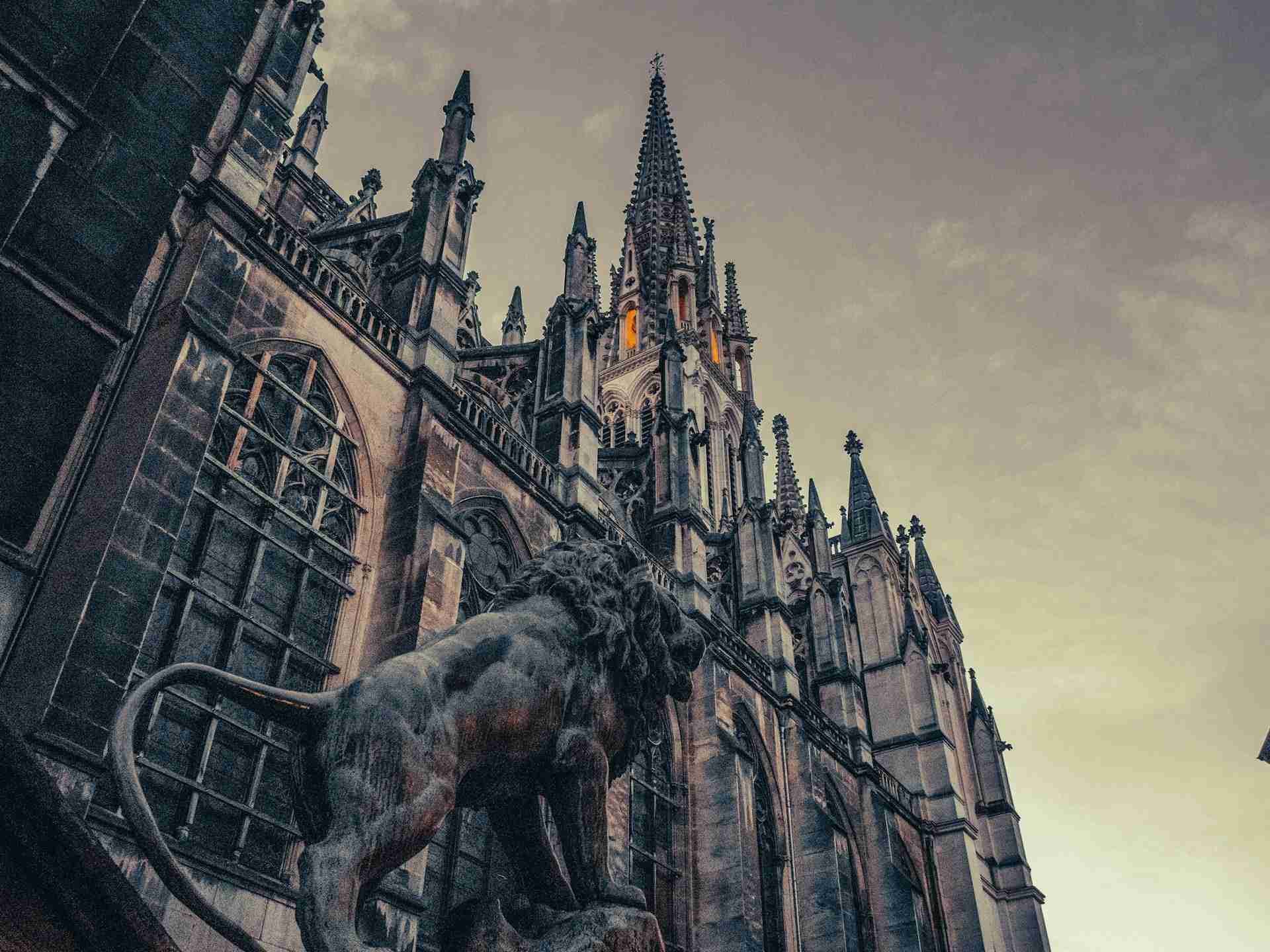
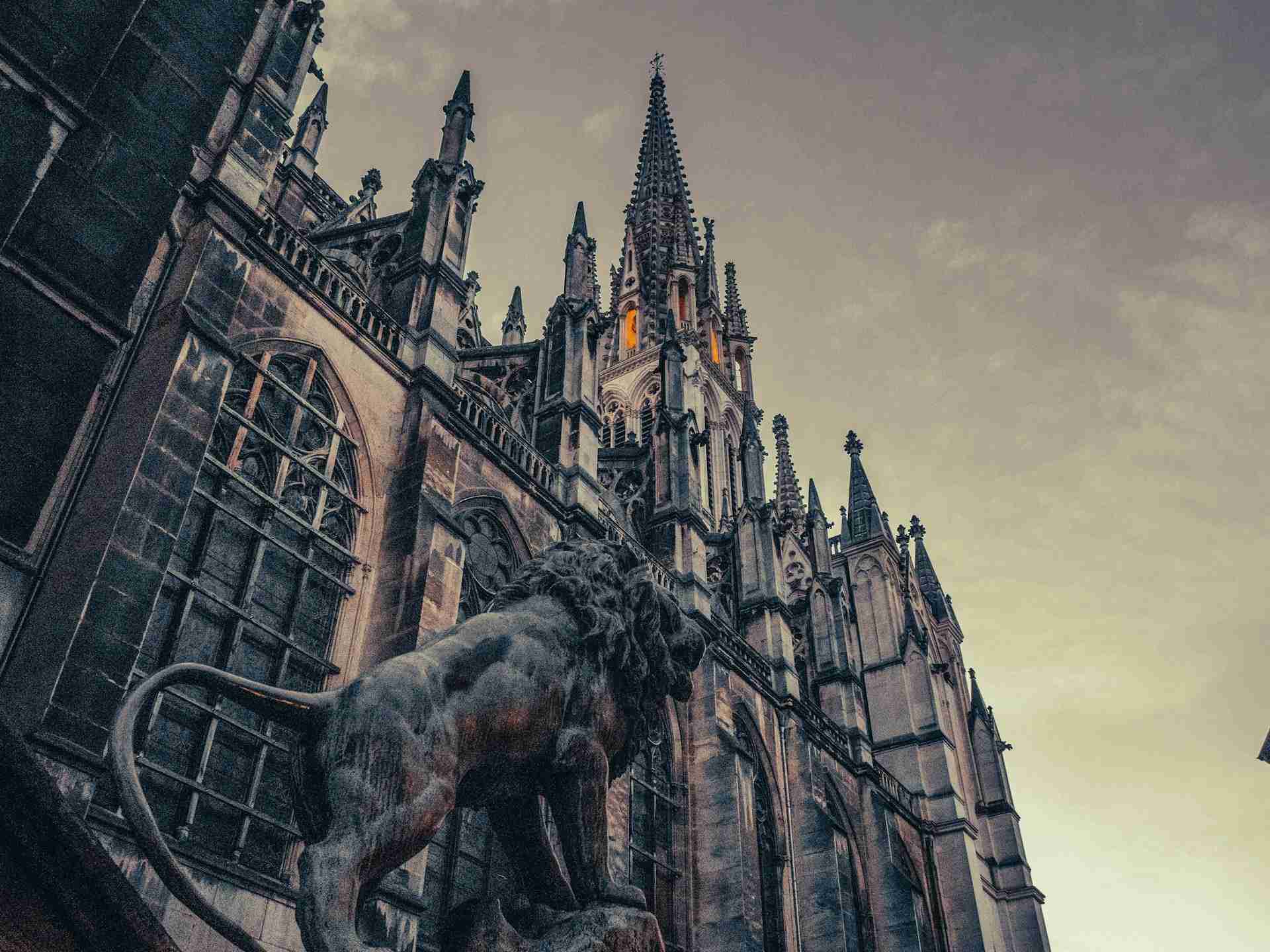
The Basilica of Saint Epvre stands in the center of Nancy, France, rising above the historic Place Saint-Epvre with its slender spire and detailed Gothic revival architecture. Though less well known than cathedrals in Paris or Strasbourg, this 19th century church is a treasure for photographers interested in architectural structure, symmetry, and contrast. With its finely carved stonework, elaborate entrance portals, and striking verticals, the basilica creates opportunities for both wide and detail oriented compositions. The surrounding square, lined with buildings from Nancy's medieval and Renaissance periods, provides context and framing that deepen the visual story. Whether you are shooting handheld in soft afternoon light or setting up a tripod for blue hour symmetry, Saint Epvre rewards careful, creative observation.
Best Photography Opportunities
• Place Saint-Epvre Views
From the Place Saint-Epvre directly in front of the basilica, you can compose centered images of the structure, capturing its spire, rose window, and entrance portal. Use a wide lens to capture the vertical pull of the architecture, and aim for late afternoon or early morning when the light grazes the stone and brings out texture. Standing farther back and shooting level helps preserve the structure's proportions. The framing from the buildings around the square adds visual depth and historical layering, and including street elements such as lamps or cobblestones can ground your composition in place and time.
• Detail Work in the Stone Carvings
Saint Epvre's exterior is covered in ornate carvings (saints, angels, gargoyles) that make excellent subjects for mid range or telephoto lenses. Focus on the sculpted arch panel above the central doorway, where scenes of Saint Epvre's life and Biblical figures are depicted in deeply cut relief. Shooting these in angled light enhances shadows and defines the form. A fast lens with shallow depth of field allows you to isolate individual figures and patterns while blurring the background, creating a sense of intimacy within the broader structure.
• Interior Light and Line
Inside the basilica, the architecture is clean and symmetrical, with high ribbed vaults, long nave columns, and stained glass windows that cast multicolored light across the stone. Use a tripod and shoot with a slow shutter speed to capture the full tonal range of the interior without losing detail in shadow or highlight. Composing along the central aisle draws the viewer toward the altar and emphasizes depth, while side angles from the transept give strong diagonals and interesting light patterns from the windows. Visit on a sunny day to catch shafts of colored light slicing through the space.
• Stained Glass and Ambient Color
The stained glass windows are rich in narrative detail and color, offering strong compositions for both overall framing and close-up abstraction. Use a telephoto or zoom lens to pick out individual scenes and figures, and expose carefully to preserve highlights in the glass. These images benefit from slight underexposure to maintain vibrancy and contrast. If you're shooting handheld, increase ISO and use image stabilization to manage low interior light. Shooting during early morning or late afternoon when sunlight directly hits the windows creates brilliant projections of colored light across the stone interior.
• Blue Hour and Urban Context
The basilica is beautifully lit at night, with architectural lighting emphasizing its spire, carvings, and portal details. Blue hour is the perfect time to photograph it from Place Saint-Epvre or from nearby side streets, where the contrast between cool ambient light and warm artificial illumination adds depth and drama. Long exposures here capture the stillness of the old city and the subtle motion of people or passing vehicles. Including the surrounding historic façades adds a narrative element and situates the basilica in its urban setting. Use a tripod, compose for balance, and let the fading sky work as a clean background for the spire.
Best Time to Visit
Photographically, the Basilica of Saint Epvre is rewarding year-round, but the best results come from visiting during early morning or late afternoon, when the light adds direction and mood to the stone. Sunrise brings soft side light to the façade, while late afternoon fills the square with warm tones and casts long shadows. Blue hour during any season is excellent for exterior shots, thanks to the lighting design that emphasizes architectural form without overwhelming it. For interior work, mid morning is ideal when sunlight begins to filter through the stained glass and add color to the nave and side chapels. Winter offers cleaner skies and lower sun angles for stronger contrast, while summer allows for extended twilight and quieter early mornings before crowds arrive.
How to Get There
The Basilica of Saint Epvre is located in the Ville Vieille (Old Town) of Nancy, within walking distance from Place Stanislas and other major landmarks. From Nancy's main train station, it's a 15 minute walk through the city center. The basilica sits at the top of a slight hill in Place Saint-Epvre, which provides open space in front of the façade for photography. There is no fee to enter the church, and photography is generally permitted inside as long as it is done respectfully and without flash. The surrounding streets are pedestrian friendly, though cobbled, so a wheeled camera bag may not be ideal. Early mornings are quietest, and the square remains accessible throughout the day for both handheld and tripod-based shooting.
Recommended Photography Gear
A wide angle lens in the 16 to 35 millimeter range is essential for full views of the exterior and interior nave. A 50 or 85 millimeter lens is excellent for shooting architectural details and stonework with shallow depth of field. For stained glass or compressed views of the spire and surrounding rooftops, a 70 to 200 millimeter telephoto will provide strong framing options. A tripod is recommended for interior work and blue hour scenes outside, particularly for longer exposures. A circular polarizer can help manage reflections on the glass or enhance contrast on sunny days. If you shoot handheld indoors, consider a fast prime lens with good low light performance to minimize motion blur.
Nearby Photography Locations
Just a short walk from the basilica, Place Stanislas is a large 18th-century square known for its symmetry, golden gates, and classical facades. It is best photographed at sunrise when the light hits the ornate ironwork and the space is empty. Blue hour is also striking when the square's lighting turns on and reflections appear in the polished stone surface after rain.
Located near the basilica, this historic complex features Renaissance and medieval architecture with excellent lines and texture. Its courtyards and arcades are ideal for shadow play, detail work, and architectural studies. It's a quieter alternative to the city's larger monuments and pairs well with a slower shooting style.
• Port de la Craffe
One of the last surviving medieval gates in Nancy, the Port de la Craffe offers a fortress-like subject with twin towers and a stone archway. This is a strong location for shooting texture and symmetry, and the narrow street leading toward the gate gives a strong perspective line. It is particularly effective in low light or misty conditions.
A few minutes' walk from the city center, this park provides green space, tree-lined paths, and quiet corners for environmental portraits or peaceful nature frames within the city. It's especially photogenic in early spring when trees bloom or in autumn when leaves add warm tones to the paths.
This cathedral offers a more classical Baroque style in contrast to Saint Epvre's Gothic lines. The façade is strong in late day light, and the interior has a different spatial rhythm with larger chapels and higher arches. For architectural photographers, the shift in style provides a good counterpoint to Saint Epvre's vertical complexity.
The Basilica of Saint Epvre invites a careful, focused approach to architectural photography. Its details are not loud, but they are rewarding. Its space is not vast, but it is full of clean lines and shifting light. For photographers willing to slow down and work the angles, this basilica offers a quiet, lasting study in form, light, and stone in the heart of one of France's most underappreciated cities.
Comments
Loading comments…