
Basilique du Sacré-Cœur: A Photographer's Guide to Paris's Hilltop Sanctuary
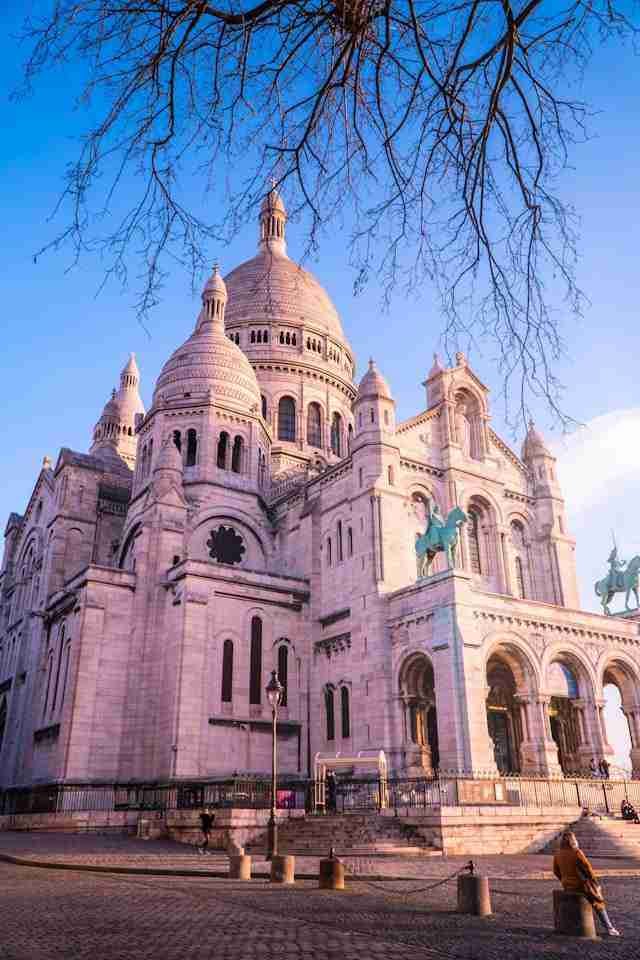
Sitting atop the highest point in Paris, the Basilique du Sacré-Cœur de Montmartre offers one of the most striking panoramic views of the city. This white-domed basilica, completed in 1914, is not only an important religious site but also one of the most recognizable landmarks in the French capital. The basilica's elevated position, dramatic staircases, and intricate stonework make it a rewarding subject for photographers who want to explore both architectural grandeur and vibrant street life. Whether you are capturing sweeping cityscapes, sunrise light on stone facades, or the energy of Montmartre itself, this location provides countless photographic possibilities.
Best Photography Opportunities
• Grand Staircase Leading to the Basilica
The staircase ascending to Sacré-Cœur is one of the most iconic approaches in Paris. It provides a strong compositional element for wide-angle photography, especially in early morning or late afternoon light when shadows give shape to the steps. Try positioning yourself at the base of the staircase and using a low angle to emphasize depth and scale. Including people climbing the stairs adds life and a sense of movement to your shot.
• Detail Shots of the Basilica's Architecture
The basilica's Roman-Byzantine design features ornate carvings, sculpted stone details, and a towering central dome. Use a mid-range zoom or telephoto lens to isolate elements such as the arches, columns, and statues. The play of light and shadow on the pale stone surfaces can be especially beautiful during golden hour. These tighter shots help convey the craftsmanship and elegance of the building's design.
• Panoramic Views Over Paris
One of the best vantage points for cityscape photography in Paris is the viewpoint in front of Sacré-Cœur. From here, you can capture the city sprawling out below you, with rooftops and historic landmarks stretching toward the horizon. Bring a wide-angle lens to include as much of the skyline as possible, or use a longer lens to compress the scene and focus on specific details like the Eiffel Tower in the distance. This location is particularly rewarding at sunrise or blue hour when the light softens and the city lights begin to glow.
• Street Performers and Local Life
Montmartre is full of character, and the area around Sacré-Cœur often hosts musicians, painters, and street performers. These lively scenes provide great opportunities for candid photography and street portraits. A fast prime lens helps capture sharp images in low light while keeping your setup discreet. Focus on the interaction between performers and the crowd to tell a more complete story of the place.
• Twilight Shots of the Illuminated Basilica
At night, Sacré-Cœur is beautifully lit, making it a fantastic subject for blue hour or nighttime photography. Set up with a tripod on the steps or at a nearby overlook and use a slower shutter speed to capture the warm lights against the cool evening sky. Be mindful of exposure settings, as the bright lights can easily blow out details. The basilica takes on a soft, glowing quality that contrasts beautifully with the darkening city.
Best Time to Visit
Sacré-Cœur is open year-round and offers good photographic opportunities in every season. In spring, the surrounding gardens begin to bloom, adding color and life to your compositions. Summer brings long daylight hours and often dramatic sunsets over the city. Autumn introduces warm tones in the leaves and softer afternoon light, ideal for highlighting the stone textures of the basilica. Winter provides clear air and fewer crowds, especially during early mornings.
The best times of day to shoot are early morning and late afternoon. At sunrise, the city below is bathed in soft, pink light, and the steps are often empty. Late afternoon sun lights the front of the basilica in warm tones and casts long shadows that add depth. Blue hour and twilight are also excellent for capturing both the illuminated basilica and the glowing skyline beyond.
If you want to avoid crowds, aim to arrive before 9 a.m. or after sunset. The site is one of Paris's most visited locations, and midday tends to be busy with tourists.
How to Get There
Sacré-Cœur is located in the Montmartre district of Paris's 18th arrondissement. The nearest Métro station is Anvers, on Line 2. From there, it is a short but steep walk up Rue de Steinkerque and the public staircase to the basilica. Alternatively, the Montmartre funicular is available for those who prefer not to climb on foot. The funicular departs just east of the main staircase and uses a standard Métro ticket.
The basilica is open to the public without an entrance fee, although there may be a cost to access the dome for those interested in climbing to the top for an even higher view of the city. Be prepared for crowds, especially during weekends and holidays. The area is generally safe, but as in any popular location, keep your gear close and be mindful of your surroundings.
Essential Gear for Cityscape and Architecture Photography
A versatile lens kit is useful at Sacré-Cœur. A wide-angle lens lets you capture the full basilica, the staircase, and panoramic views of Paris. A mid-range zoom is great for isolating architectural details or capturing people in action. A telephoto lens can help you frame distant landmarks from the viewing terrace.
A lightweight tripod is valuable for early morning or evening photography, especially when using slow shutter speeds. A polarizing filter can help reduce glare on stone surfaces and enhance color contrast in the sky. If you plan to shoot portraits or street scenes, bring a fast prime lens for better low-light performance and subject separation.
Because the area involves stairs and crowds, travel light and keep your setup simple. A comfortable backpack and camera strap will make it easier to move between locations, and extra batteries and memory cards will ensure you do not miss any moments.
Nearby Photography Locations
Just behind the basilica, this square is filled with artists painting portraits and city scenes. The colorful umbrellas, easels, and cobbled streets offer a lively and creative atmosphere to capture in candid shots or environmental portraits.
A quiet, picturesque street often described as one of the prettiest in Paris. The winding path, climbing greenery, and historic facades provide a classic Parisian backdrop, perfect for street photography and romantic scenes.
Located near the Abbesses Métro station, this public art piece features the words "I love you" written in multiple languages. It is a popular spot for detail shots and portraits, especially in soft natural light.
The garden below the basilica offers framed views looking up toward the church, especially useful for compositions with people or for capturing the symmetry of the staircase and its surroundings.
• Panthéon and Latin Quarter
A quick Métro ride away, the Panthéon and surrounding Latin Quarter offer a different kind of historic architecture and lively street scenes, perfect for continuing your exploration of Parisian life and design.
Comments
Loading comments…