
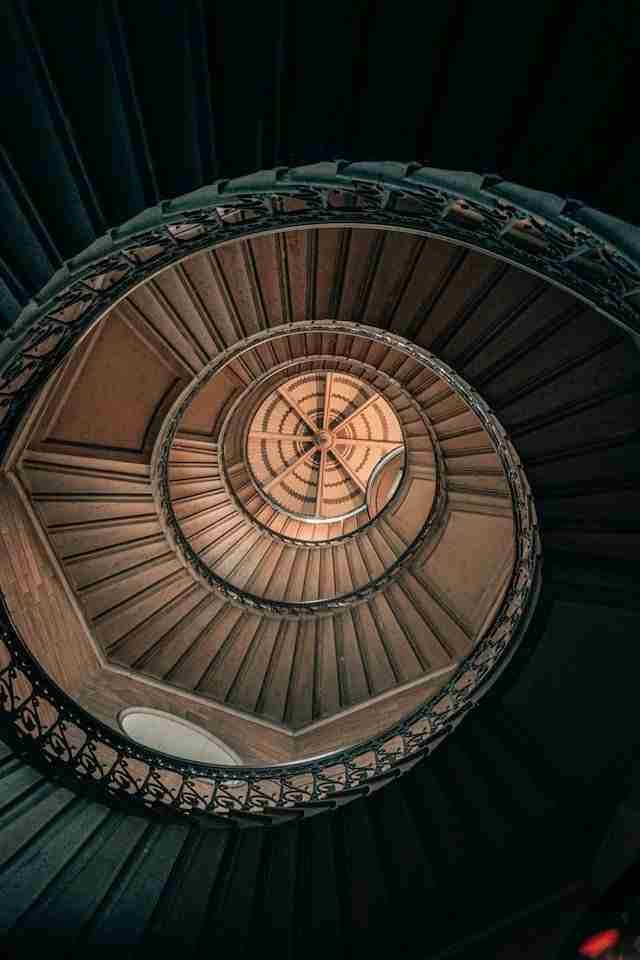
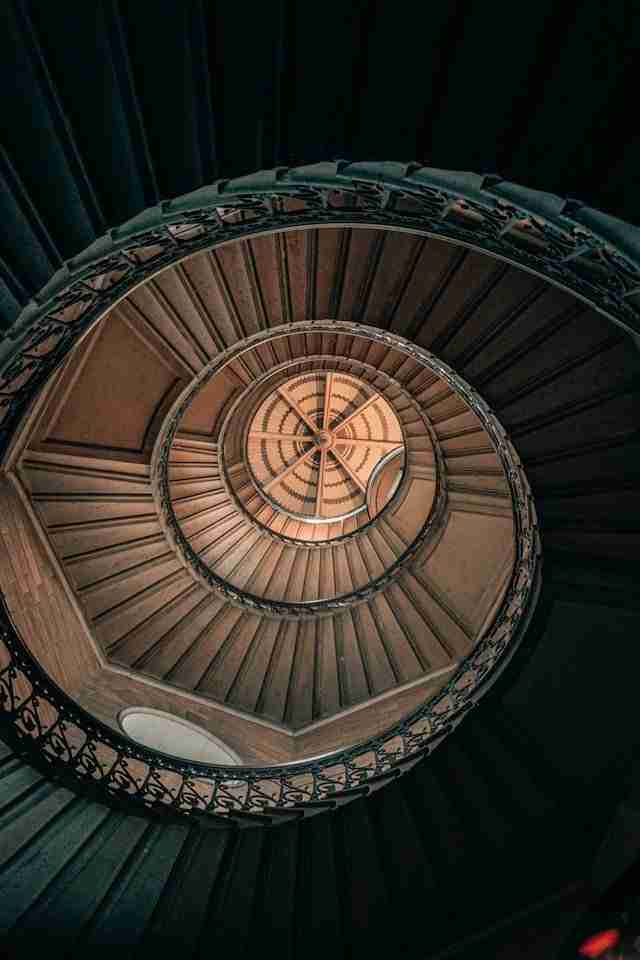
Rising proudly above the city of Lyon, the Basilique Notre-Dame de Fourvière is one of the most iconic and visually rewarding landmarks in France. Perched atop the Fourvière Hill, this basilica offers a commanding view over Lyon's rooftops, rivers, and urban sprawl, while its own architectural details—flanked by towers and adorned with elaborate mosaics—are a photographer's dream. Built between 1872 and 1884 in a blend of Romanesque and Byzantine styles, the basilica is as visually powerful up close as it is when seen from afar. Whether you're drawn to sweeping skyline vistas, rich historic detail, or light streaming through stained glass, Fourvière provides countless visual opportunities above the cityscape.
Best Photography Opportunities
• Panoramic Cityscapes from the Esplanade
– The terrace in front of the basilica offers one of the most expansive views of Lyon, stretching across the Presqu'île, the Rhône and Saône rivers, and all the way to the distant Alps on a clear day. Early morning and late afternoon light add golden hues and long shadows that emphasize the city's texture. A wide-angle lens captures the full sweep, while a telephoto compresses layers of rooftops, church towers, and modern skyscrapers.
• Architectural Facade and Towers
– The basilica's white stone facade is rich with carvings, statues, and ornate columns. Shooting close with a wide lens exaggerates the upward thrust of the twin towers, especially under dramatic skies. Late afternoon light rakes across the facade and reveals fine relief details, while fog or storm clouds create a moodier, more mystical effect.
• Interior Mosaics and Stained Glass
– Inside, the basilica glows with gold, blue, and green mosaics that line the apse and ceilings, illuminated by colorful stained glass windows. A fast lens and steady hand allow you to capture the intricate interior without flash, preserving the ambient light and spiritual atmosphere. Low angles and upward perspectives highlight the cathedral's verticality and grandeur.
• Views of the Basilica from Across the City
– From locations such as Place Bellecour or the Croix-Rousse hills, the basilica appears as a dramatic silhouette on the skyline. Shooting from a distance allows you to frame the basilica within the city context, either in wide skyline compositions or compressed scenes with other landmarks in view.
• Night Photography and Illumination
– The basilica is beautifully lit after dark, glowing against the sky with its detailed towers casting crisp outlines. Long exposures from nearby rooftops or down the hill along Rue Cleberg yield moody nighttime cityscapes with Fourvière as a glowing focal point. Including city lights and traffic trails below adds scale and energy.
Best Time to Visit
The basilica is photogenic in all seasons, but certain times of day and year offer unique conditions. Golden hour in both morning and evening provides the most flattering light for both panoramic views and detailed shots of the structure itself. Blue hour after sunset is ideal for capturing the basilica's illumination against a fading sky.
In winter, snow-dusted rooftops below and clearer skies create a serene and high-contrast look, while autumn colors in the surrounding trees bring warmth and natural framing to your compositions. Summer offers long daylight hours and vibrant skies, though crowds can be heavier during peak hours.
Overcast days provide soft, even lighting that works well for architectural close-ups and interior shooting. Early morning visits are best for solitude and atmospheric conditions like fog or low clouds hanging over the city below.
How to Get There
The Basilique Notre-Dame de Fourvière is located on Fourvière Hill, west of the Saône River in Lyon's 5th arrondissement. The most direct access is via the funicular railway from Vieux Lyon metro station—take Line F2 to Fourvière. Alternatively, hikers and photographers looking to capture the journey may walk up from Old Lyon via the Montée des Chazeaux or the gardened trails of Parc des Hauteurs.
Limited parking is available at the top, but spaces fill quickly—public transit or walking is the recommended method. The basilica and its grounds are open daily, and there is no fee to access the esplanade or the church interior. Tripods may be restricted inside, so check with staff or signage if planning extended interior work.
Exploring the Basilica and the Surrounding Area
Beyond the main basilica, the hilltop offers a quiet atmosphere filled with photographic potential. The surrounding gardens and stairways of Parc des Hauteurs provide shaded paths, natural arches, and glimpses of the city through trees. The nearby Tour Métallique de Fourvière—a lattice tower reminiscent of the Eiffel Tower—adds a vertical counterpoint to the basilica and can be captured in layered compositions from certain vantage points.
On foggy mornings, the basilica often emerges above the mist like a fortress above the clouds—a rare but breathtaking scene for those who arrive early. The colonnaded walkways, lantern-lined paths, and quiet chapels nearby offer opportunities for more intimate, contemplative compositions.
Walking down toward Vieux Lyon gives access to medieval streets, pastel facades, and Renaissance architecture, creating a natural visual narrative from the grandeur of the basilica to the tight-knit charm of the old city below.
Nearby Photography Locations
– One of Europe's largest city squares, this open space offers clean views of the basilica rising above the city. Excellent for twilight photography and framing Fourvière through the statue-lined avenues.
– A lush network of trails and bridges winding around the basilica. Great for shooting natural frames, elevated walkways, and quiet, shaded scenes with architectural backdrops.
– Just below the basilica, this UNESCO-listed quarter offers cobblestone streets, traboules, and pastel Renaissance buildings. Ideal for capturing the texture and history of Lyon in tighter street scenes.
– A pedestrian footbridge linking Fourvière to the Loyasse Cemetery, this modern structure provides strong lines and elevated views back toward the basilica and the city.
– From the river's edge, you can frame the basilica atop the hill with reflections in the water or use the bridges for layered compositions. Great for sunrise and night photography alike.
Basilique Notre-Dame de Fourvière is more than a place of worship—it's a symbol of Lyon's identity and a canvas of light, history, and elevation. Whether seen from across the city or explored in detail on its hilltop perch, the basilica rewards photographers with an ever-changing palette of mood and grandeur.
Comments
Loading comments…