
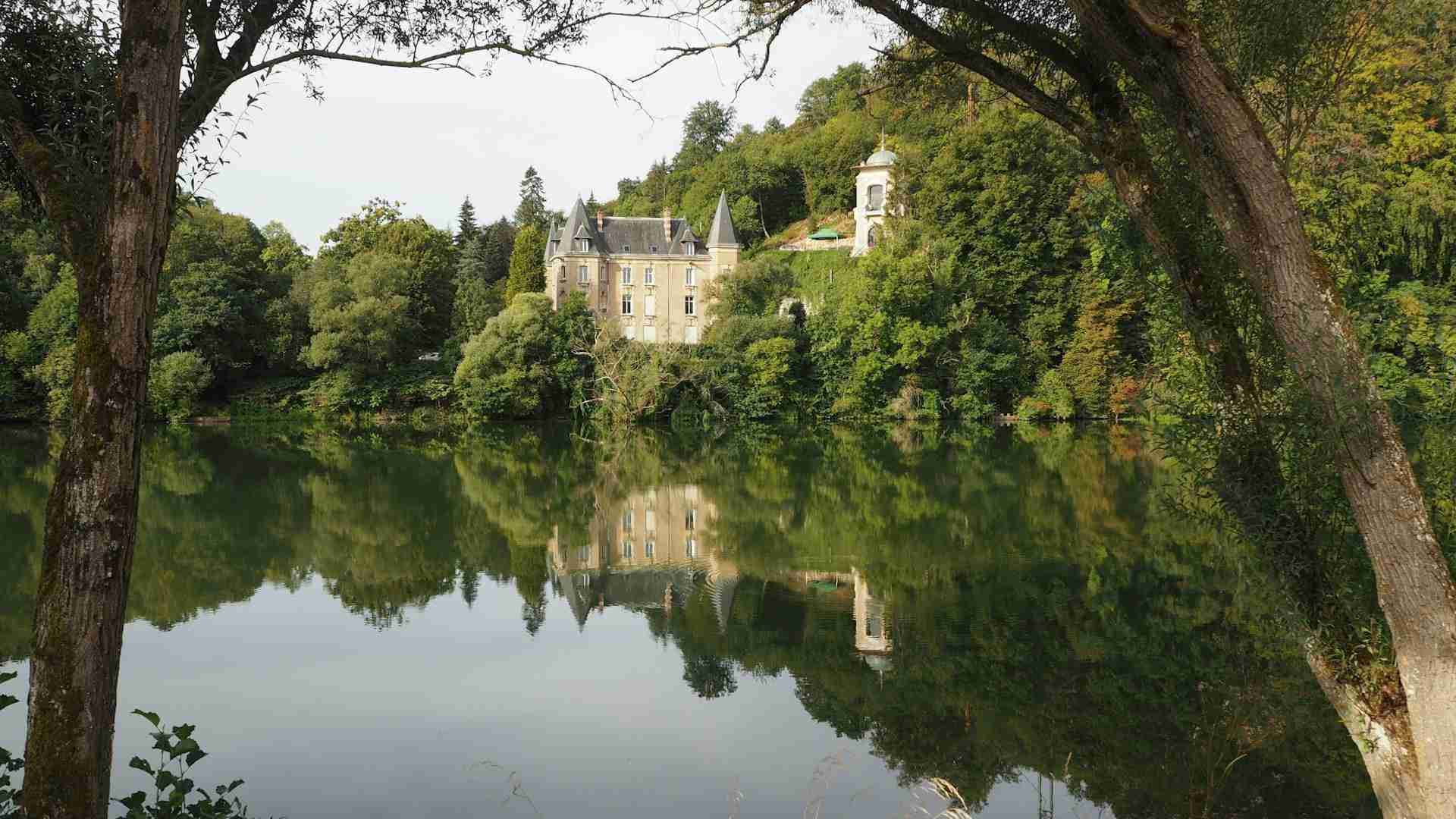
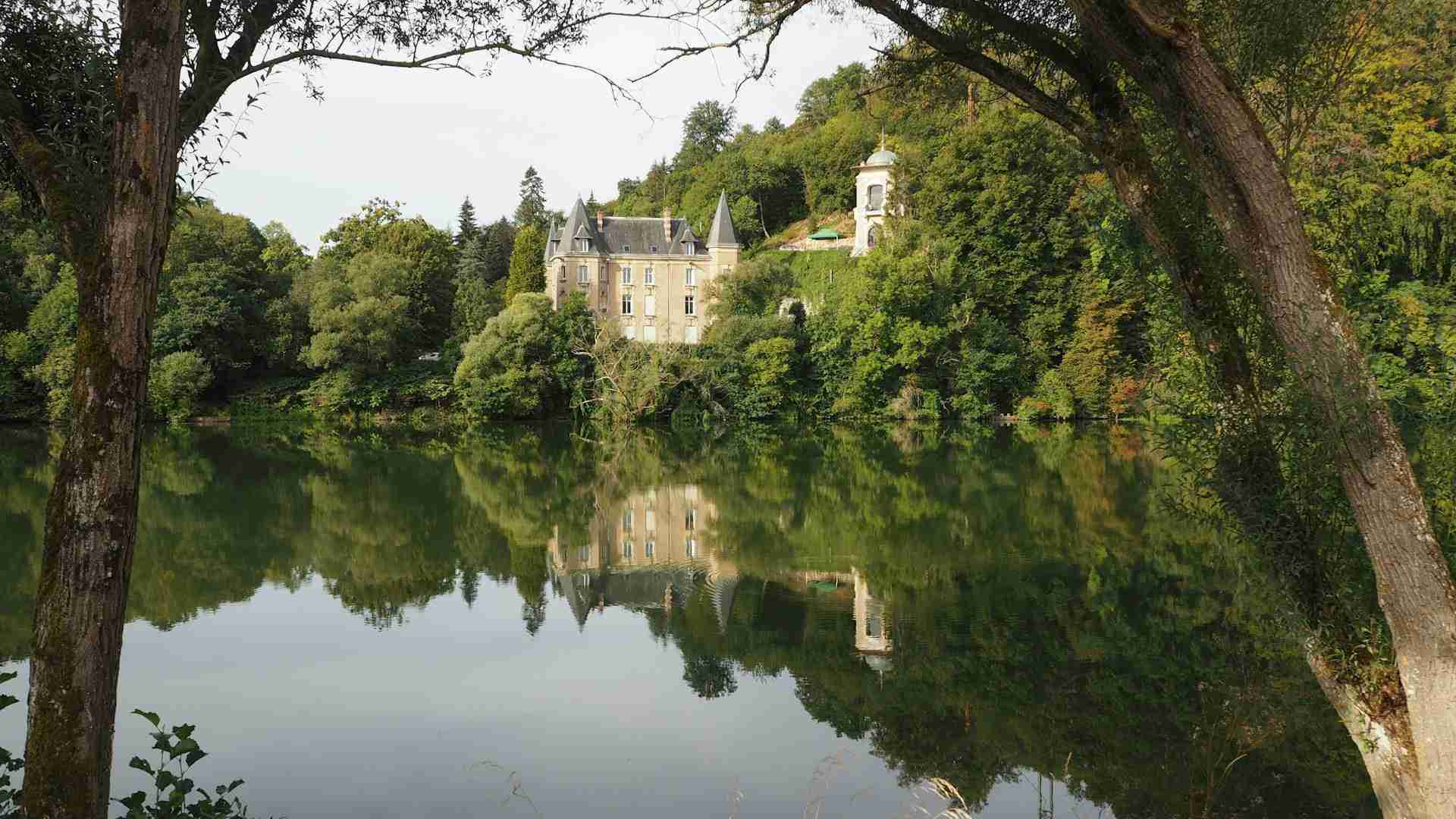
Perched on a bend of the Moselle River in the small town of Liverdun, the Château de la Flie overlooks a landscape that feels both pastoral and historic. The château itself, with its pale stone façade, turrets, and elevated position, provides a striking subject against the river's sweeping curve. The Moselle winds through the countryside in broad loops, its reflective surface catching light and mirroring the surrounding vineyards, forests, and villages. For photographers, this is a location where architecture and landscape complement one another, with opportunities for wide panoramic views, detailed architectural studies, and seasonal variations that transform the scene completely. The quiet charm of Liverdun and the Moselle Valley ensures that time spent photographing here feels immersive and rewarding.
Best Photography Opportunities
• Elevated Views of the Château and River Bend
The most defining composition comes from viewpoints where the Château de la Flie overlooks the dramatic curve of the Moselle River. From these elevated positions, a wide-angle lens captures both the château's commanding height and the graceful sweep of the water below. Shooting in morning light often reveals mist over the river that softens the valley while keeping the château sharp against the horizon. Evening light brings golden tones that enhance the color of the stone and vineyards, while twilight allows the river to glow with reflected sky hues. Adding foreground elements such as foliage, fences, or vineyard rows helps create depth and frames the château as part of a larger living landscape.
• Close Architectural Studies of the Château
The château itself offers a wealth of detail for photographers who enjoy architectural work. Its towers, windows, and stone walls reveal intricate textures that shift in appearance depending on the quality of light. Shooting from the base of the bluff exaggerates the height of the structure, while working from the riverbank provides balanced perspectives with water in the foreground. Macro lenses reveal details such as weathered stone, ornamental carvings, and the aged patina of the building materials. Overcast days are best for these studies, since soft light evenly illuminates surfaces and prevents harsh contrast that could obscure detail. Each angle reveals something different about the château's character, from its fortress-like silhouette to its subtle decorative elements.
• River-Level Perspectives and Reflections
At river level, the château rises dramatically above the Moselle, giving compositions a strong sense of vertical contrast. Calm conditions in the morning or evening often create perfect reflections, doubling the scene with the château mirrored on the water's surface. Long exposures with neutral density filters smooth the river into a glassy expanse that highlights the reflection with painterly effect. Foreground reeds, boats, or stones on the bank can be incorporated to lead the eye toward the castle above. These perspectives emphasize the relationship between water and architecture, with the river acting as both a natural boundary and a compositional tool.
• Seasonal Variations and Vineyard Context
The Moselle Valley is synonymous with vineyards, and including them in images adds regional identity and context to compositions. In spring, bright green vines contrast with the pale stone of the château and the shimmering river. Summer creates lush textures across the valley, while autumn brings rich golds and reds that complement the warm tones of the castle walls. Winter strips the scene to essentials, with bare vines, stark branches, and crisp air that enhances the clarity of both river and architecture. By placing vineyard rows in the foreground and the château beyond, photographers can connect the agricultural heritage of the region with its architectural history.
• Atmospheric Weather and Evening Light
The Moselle Valley frequently produces fog, mist, and shifting clouds, which add drama and depth to compositions. Early morning fog lifting from the river creates layered scenes where the château emerges gradually, offering opportunities for mood-driven photography. Stormy conditions bring darker skies that contrast with the pale stone walls, highlighting the resilience of the building against the elements. Evening light is equally rewarding, warming both château and valley with golden tones. Twilight and blue hour allow for longer exposures where the river takes on soft, luminous color, creating compositions that balance natural and architectural elegance.
Best Time to Visit
Château de la Flie and the Moselle River are rewarding subjects at any time of year, but the experience of photographing them changes significantly with the seasons. Spring is vibrant, with vineyards beginning to bud and misty mornings offering atmosphere along the river. Summer provides long daylight hours, giving plenty of time for both wide scenes and detailed studies, though midday light can be harsh and best avoided. Autumn is perhaps the most photogenic season, as vineyard foliage turns golden and red, contrasting beautifully with the château's pale stone and the reflective surface of the Moselle. Winter, while quieter, brings sharp air and low sunlight that produce crisp, minimalist compositions, often with frost or snow adding subtle highlights.
Timing within the day is equally important. Early mornings are best for mist and calm reflections, creating serene compositions with soft light. Afternoons and evenings provide side lighting that enhances textures on the stone walls and creates depth across the valley. Golden hour is especially effective for wide views, while twilight and blue hour are ideal for long exposures that emphasize the reflective qualities of the river. Overcast days should not be overlooked, as they provide soft, even light perfect for architectural detail and texture studies.
How to Get There
The Château de la Flie is located in Liverdun, in the Meurthe-et-Moselle department of northeastern France. Liverdun lies about 15 kilometers northwest of Nancy, easily reached by car via local roads or by train, with regular regional services connecting through Nancy. Within Liverdun, the château occupies a bluff overlooking the Moselle, and several paths and local roads provide access to viewpoints nearby. Parking is available in town, from which it is a short walk to the riverbanks and elevated vantage points that frame both castle and river.
There is no fee to access the exterior viewpoints around the château. The building itself is privately owned and not generally open to the public, so photography is limited to exterior views from public paths and surrounding landscapes. Facilities in Liverdun include cafés, restaurants, and small accommodations, making it an easy base for day or weekend trips. Photographers should plan enough time to explore both elevated views and riverside perspectives, as the shift in vantage point dramatically changes the balance of architecture and landscape in images.
Recommended Photography Gear
Photographing Château de la Flie and the Moselle River benefits from a kit that balances wide landscapes with detailed architectural studies. A wide-angle lens in the 16 to 35 millimeter range is essential for capturing the château and river bend together, especially from elevated viewpoints. A mid-range zoom such as a 24 to 70 millimeter lens provides flexibility for both wider landscapes and tighter architectural framing. A telephoto lens in the 70 to 200 millimeter range is useful for compressing the château against the valley or isolating details along the riverbanks and vineyards. For close work, a macro lens or fast prime allows exploration of textures such as stone, foliage, and water detail.
A tripod is indispensable for twilight sessions, long exposures of reflections, and low-light conditions in winter. A circular polarizer helps control glare on the water and deepens the greens of surrounding vegetation, while neutral density filters allow for extended exposures to smooth river ripples or capture cloud movement. In autumn and winter, weather-sealed gear and lens cloths are essential, as fog, rain, and condensation are common along the Moselle. Extra batteries are useful for cold conditions, while a lightweight kit is preferable for those walking between elevated and riverside perspectives. Combining these tools ensures the flexibility to work with changing light and varied subjects across the château and valley.
Nearby Photography Locations
• Nancy
The city of Nancy, only a short drive away, is renowned for its architecture, particularly the UNESCO-listed Place Stanislas with its gilded gates and harmonious 18th-century design. The city also features strong Art Nouveau influences, which provide excellent opportunities for architectural photography.
• Toul
The historic town of Toul, west of Liverdun, offers a Gothic cathedral of impressive scale as well as old fortifications. Its combination of ecclesiastical and military architecture adds variety to a photography trip in the region.
This riverside town features the grand Premonstratensian Abbey and a series of riverside views along the Moselle. Reflections of the town's historic buildings in the water make it especially rewarding at sunrise and sunset.
• Metz
Farther north along the Moselle, Metz blends Gothic and Romanesque architecture with modern additions like the Centre Pompidou-Metz. Its cathedral is renowned for stained glass windows that provide strong interior photography opportunities.
• Moselle Vineyards
The wider Moselle Valley is dotted with vineyards, small villages, and rolling hills that change character with the seasons. Autumn in particular turns the hillsides golden, creating sweeping compositions that complement the château's architectural form.
Château de la Flie and the Moselle River offer photographers a rich blend of architecture and landscape, with perspectives ranging from commanding aerial views to quiet riverside reflections. Its seasonal shifts, atmospheric conditions, and balance of natural and cultural elements provide a location where careful planning and creative exploration are equally rewarded.
Comments
Loading comments…