
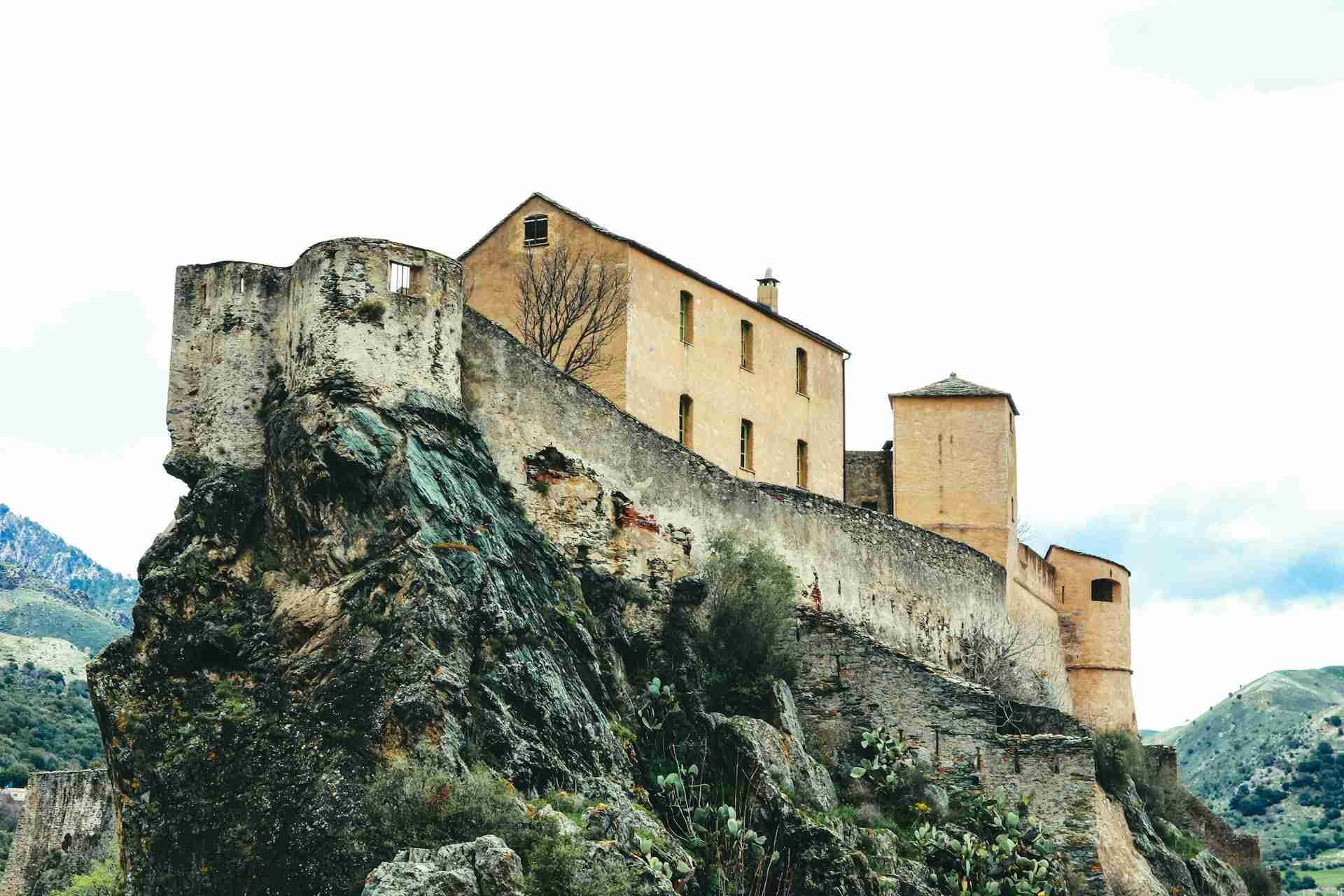
Perched high above the town of Corte in the rugged heart of Corsica, the Citadelle de Corte commands both the landscape and the lens. This fortress, dramatically seated atop a rocky promontory at the confluence of the Tavignano and Restonica valleys, is surrounded by sweeping mountain ridges and steep ravines that provide endless compositional layers. The citadel's jagged stone walls, angular architecture, and elevated position contrast strikingly with the softer contours of the surrounding terrain. The way light plays across the ridgelines and bounces off the fort's timeworn surfaces changes dramatically throughout the day. Photographers are rewarded with a powerful blend of historic architecture and dramatic natural scenery, making the Citadelle de Corte an essential destination for anyone seeking to capture the raw, mountainous spirit of inland Corsica.
Best Photography Opportunities
• Distant telephoto view from Belvédère de Corte
: One of the most effective compositions of the citadel is from the Belvédère de Corte, a raised viewpoint south of town that offers a clear, uninterrupted perspective of the fortress in its mountainous setting. From this vantage, you can compress the scene with a telephoto lens, bringing the angular walls of the citadel forward while layering the distant peaks in the background. Morning light adds soft definition across the ridges and illuminates the eastern face of the citadel, while late afternoon brings long shadows that accentuate the cliff beneath it. A tripod is helpful for shooting in the early hours when light is low, especially if you want to bracket exposures for a high dynamic range image. This viewpoint works well for both color and monochrome photography, depending on the atmosphere and cloud movement on the day of your visit.
• Wide-angle composition from within the town
: From the streets of Corte, especially along Rue du Colonel Feracci, you can use a wide-angle lens to shoot upward toward the citadel, capturing the steep rock face and defensive walls rising above the town's roofs. This perspective emphasizes the verticality of the fortress and its dominance over the landscape. Foreground elements such as old stone houses, narrow alleys, or Corsican flags can add context and cultural depth to your frame. Golden hour light wraps gently around the lower elevations of the town while casting warm tones on the upper fort, creating a natural gradient of color and contrast. These compositions work best with careful attention to alignment and spacing, especially when including architectural elements in the foreground.
• Interior details and museum exhibits
: Inside the citadel itself, the Musée de la Corse offers opportunities for photographing Corsican history through thoughtful, well-lit exhibits. While interior photography may be limited in certain galleries, areas such as the fortress ramparts and open courtyards can be photographed freely. The stone walls, aged wooden beams, and iron fixtures make strong subjects when shot in directional light. Use a fast lens with wide aperture to make the most of interior conditions, especially in darker stairwells or vaulted passageways. Pay attention to small textures—weathered doors, rusted hinges, or stacked stone—these elements can tell quiet, visually interesting stories that contrast with the wide exterior views.
• Top-of-fortress panoramas
: Once at the summit of the citadel, photographers are rewarded with sweeping views in every direction, offering compositions that span the valleys below and the peaks beyond. A wide-angle lens is ideal for capturing the full range of the scene, from the village rooftops in the foreground to the jagged ridgelines of Monte Cardo in the distance. This spot is particularly strong in the late afternoon when the sun dips low and casts sculpting light across the terrain. If you're shooting handheld, consider boosting ISO slightly to maintain sharpness while preserving depth of field. Cloud shadows can shift rapidly in the highlands, adding texture and rhythm to the wider landscape.
• Night photography from the lower town
: As the sun sets and the lights of Corte begin to glow, the citadel becomes a dramatic subject for low-light shooting. Viewed from the southern edge of town or from a high rooftop terrace, the fortress stands illuminated against a backdrop of deep blue sky and shadowed mountains. Long exposures allow you to smooth out movement in the trees or sky while capturing the warm tone of the citadel's lighting. Use a tripod and a remote release to reduce vibration, and watch for light trails from passing cars that can add subtle energy to the scene. Evening clouds often catch the last color of the day, framing the fortress in a halo of reflected light.
Best Time to Visit
Spring and early autumn are the most favorable seasons to photograph the Citadelle de Corte, offering a combination of good weather, fewer tourists, and vibrant natural surroundings. From April through early June, the surrounding mountains are still capped with snow, while the valleys below begin to turn green and lush. This contrast of textures and color enhances the compositional possibilities from nearly every angle. Light in the spring is also softer, with longer golden hours and fewer harsh midday conditions. September and October offer similar lighting benefits and a deeper palette of color as grasses dry and shadows grow longer across the valley floor.
Summer, while offering the clearest skies, can also bring harsh overhead light and strong heat distortion in the middle of the day, which may interfere with telephoto work from a distance. Early mornings and evenings remain productive during these months, particularly for those interested in capturing the interplay of warm light and the cool stone of the fortress. In winter, Corte receives occasional snowfall, which adds visual contrast between the fortress and its rocky base, although access to the upper parts of the citadel or the surrounding trails may be limited. Wind is common in every season, especially at higher elevations, so photographers should plan for stability when shooting from the fortress walls or exposed viewpoints.
How to Get There
Corte is located in central Corsica and is accessible by road or train from major towns such as Bastia and Ajaccio. The scenic train route, known as the Chemins de Fer de la Corse, runs through the island's mountainous spine and offers a relaxed, visual approach into the town. Once in Corte, the citadel can be reached on foot via a steep climb from the central square, Place Gaffory. The main access point is through a winding network of stone stairways and sloped streets that rise quickly toward the promontory. While the climb is manageable for most, it can be tiring with heavy gear, so lightweight setups and comfortable footwear are strongly recommended.
There is an admission fee to enter the museum and the upper areas of the citadel. Tickets are available at the main entrance, and hours vary seasonally, so checking ahead is advised. Tripods are generally permitted outdoors and on the ramparts but may not be allowed in some of the museum interiors. Photographers should expect bright sun and little shade in the upper areas, so midday visits require extra care to manage glare and heat. Early arrivals in the morning or late-day visits provide more balanced light and better conditions for thoughtful composition.
Recommended Photography Gear
The varied terrain and mixed light conditions around the Citadelle de Corte call for a flexible but considered kit. A camera with strong dynamic range and reliable high ISO performance will be valuable in capturing everything from high-contrast daylight scenes to dim interior shadows. A wide-angle zoom, such as a 16 to 35 millimeter, will allow you to include the full sweep of the fortress and surrounding mountains in your compositions, especially when working from elevated viewpoints or within narrow streets looking up at the citadel.
For compressed perspectives and distant peaks, a telephoto zoom in the 70 to 200 millimeter range is essential. This will also allow you to isolate details like rock textures, architectural features, or activity within the town below. A fast prime lens, such as a 35 or 50 millimeter f/1.8, will help with low-light interior work and quick handheld shooting where tripods are not permitted. A lightweight tripod is highly recommended, especially for dusk or night photography from the lower town. Look for models that can be folded compactly, as you will be carrying it up steep stairs and narrow paths.
A circular polarizer is helpful when working in midday light to cut haze and boost contrast between the sky and the terrain. Lens hoods are essential here, as sun flare is a real issue when the sun is low and you are working around uneven terrain. Pack a microfiber cloth and protective gear for your lenses, since dust and mountain winds are common. If you plan to hike up any nearby trails for alternate angles, consider a weather-resistant bag and hydration pack, as the Corsican sun and elevation gain can be deceptively draining.
Nearby Photography Locations
: Just a short drive west from Corte, this valley is home to one of Corsica's most photogenic mountain roads, winding past cliffs, pine forests, and turquoise river pools. Photographers will find layered compositions around every bend, especially in the early morning when mist clings to the ridgelines and the light streams in low between the peaks.
: Beginning just below the citadel, this moderately challenging trail offers elevated views back toward Corte and the fortress itself. The route passes along the edge of the gorge and provides dramatic perspectives of the surrounding rock formations and deep river canyons. Early morning and late afternoon are the best times for lighting, and a telephoto lens is useful here for compressing dramatic vertical layers.
• Place Gaffory and Old Town Corte
: The heart of Corte's historic center is filled with narrow passageways, weathered buildings, and open plazas. The warm tones of the stone architecture and the ever-present backdrop of the citadel make for excellent street and context photography. Visiting in the early morning provides soft light and minimal pedestrian traffic, allowing for cleaner, more intentional compositions.
: For adventurous photographers, hiking routes lead toward Monte Cardo, one of the taller peaks in the region. From here, you can look down across the Corte basin and capture wide, sweeping landscapes with the citadel as a central element. This location requires planning and appropriate gear, but the elevated vantage and vast scenery are well worth the effort.
From its commanding views to its textured stone walls, the Citadelle de Corte offers more than just a historical subject. It stands as a visual intersection between Corsican heritage and rugged natural beauty. For photographers willing to explore its angles with patience and care, the fortress delivers a full range of creative possibilities surrounded by some of the island's most powerful terrain.
Comments
Loading comments…