
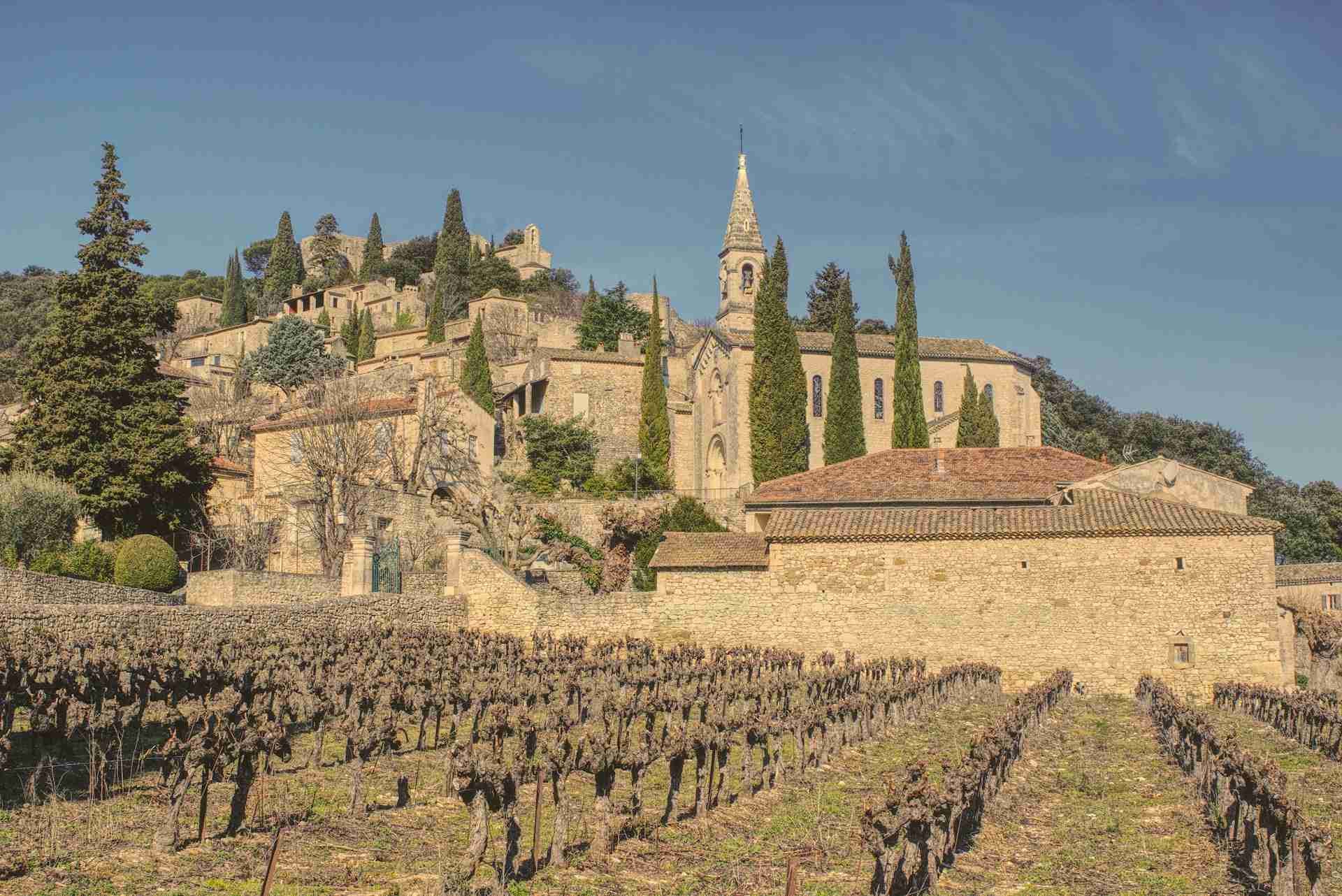
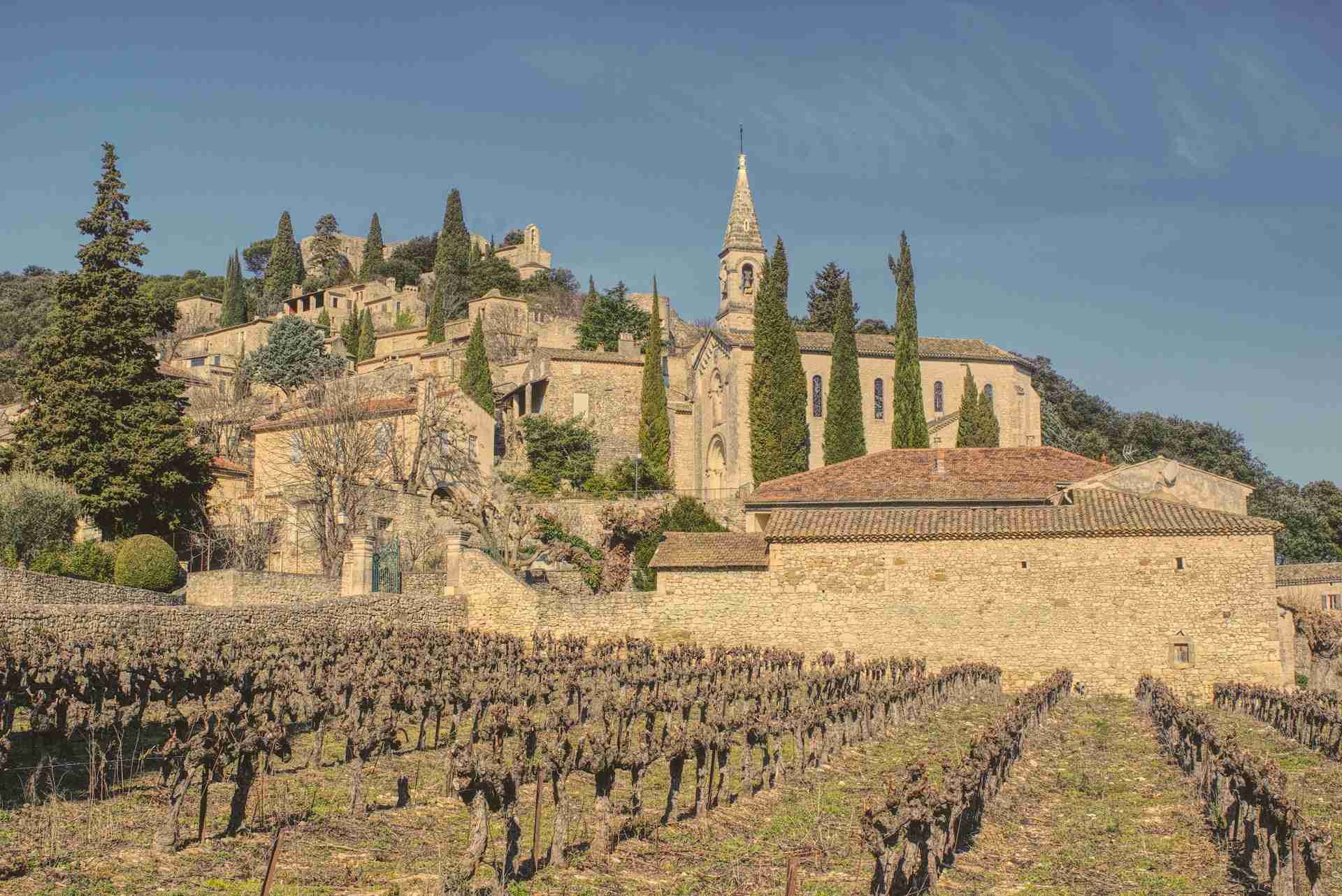
Tucked into the rugged limestone hills of southern France, La Chapelle l'Église is a small Romanesque church that seems to grow out of the land itself. Located on the edge of La Roque-sur-Cèze, a village recognized among the most beautiful in France, the chapel blends quietly into its surroundings, with pale stone walls weathered by time and sunlight. This is not a place of grand architecture or sweeping interiors. Instead, it offers a sense of stillness and age that lends itself beautifully to slow, intentional photography. The mix of stone textures, narrow pathways, and golden Mediterranean light provides opportunities for nuanced compositions at nearly every hour of the day.
Best Photography Opportunities
• Golden Hour Facade Study
– The chapel's front face, simple and symmetrical, takes on a warm, almost amber tone when hit by the low sun. Late afternoon is the best time to capture this soft light, which accentuates the texture of the old stones and the faint shadow lines cast by the modest archways and window slits. Including just enough of the chapel's surroundings such as olive trees, low stone walls, or the pale gravel path grounds the scene without overwhelming it. A longer lens works well here to compress the elements and bring subtle detail forward, especially in the carved stonework. Pay attention to the way shadows shift across the facade throughout the hour, giving you multiple variations from the same position.
• Framing Through Village Arches
– As you approach La Chapelle l'Église from within La Roque-sur-Cèze, several stone archways and narrow passages create natural frames for shooting the chapel at a distance. These passageways offer layered perspectives that add visual interest and a strong sense of place to your composition. Waiting for the right moment when the sun grazes the side of the building or a cloud pattern aligns above can dramatically elevate these shots. Wide-angle lenses help make the most of tight spaces and also preserve the texture of the medieval stonework. Shooting from these spots in the early morning or just before dusk keeps contrast levels manageable and color tones rich.
• Detail and Texture Work
– The chapel rewards close-up work with its cracked plaster, lichen-covered stone, and rusted iron fixtures. These elements create opportunities for textural studies that speak to the age and preservation of the site. Macro lenses or short telephoto primes allow you to isolate interesting surfaces, such as a weathered cross or chipped cornice, while using shallow depth of field to abstract the background. Late afternoon light is often the best for this work, casting side light that enhances surface detail. Converting some of these shots to black and white can help focus attention on form and contrast rather than color.
• Night Photography with Ambient Lighting
– Although the village is small, minimal ambient lighting remains near the chapel after sunset. This soft illumination creates a subtle glow that outlines the building without overpowering the scene. Longer exposures can reveal star movement behind the structure while preserving the warm tones of the lit stone. Be prepared for deep shadows and variable conditions, which can make metering challenging. Shooting with a fast prime lens and a high ISO helps you adapt to changing light conditions without losing sharpness.
• Contextual Environmental Portraits
– If you are traveling with a model or photographing locals, this chapel provides a compelling backdrop for environmental portraiture. The neutral stone and rural surroundings allow subjects in light or earth-toned clothing to stand out naturally. Shooting during the golden hour or just after a light rain adds softness and mood to these portraits. Use the natural stone seating or doorways to position your subject and work with natural light for the most authentic results. This kind of portraiture also works well in monochrome, where the tones of the chapel help reinforce the atmosphere.
Best Time to Visit
The chapel and village are most photogenic in spring and early autumn when the weather is mild and the crowds are fewer. April through June brings green growth and softer light, ideal for detail work and layered compositions. September and October offer drier air and longer shadows that help define the chapel's textures in low light. Summer can be bright and harsh during the middle of the day, but early mornings and late evenings still yield rewarding results. Winter visits are quiet and subdued, with pale skies and bare trees that shift the scene into more minimalist tones. Lighting conditions are strongest during the golden hours when the chapel's light-colored stone reflects back a warm glow that is difficult to replicate at other times.
How to Get There
La Roque-sur-Cèze is located in the Gard department of southern France, roughly 40 minutes by car from either Avignon or Nîmes. The village is accessible by regional road D166, and parking is available just outside the main entrance in a designated lot since vehicles are not permitted inside the historic center. From there, it is a short uphill walk on cobbled paths to reach the chapel. The church sits at the edge of the village overlooking a quiet hillside. There is no fee to access the chapel or walk the grounds, but during peak season, a small parking fee may apply. Public transport options are limited, so a car is recommended for flexibility. If you are traveling with gear, use a backpack rather than roller bags, as the stone paths are uneven and steep in some areas.
Recommended Photography Gear
A lightweight mirrorless or DSLR body paired with a trio of lenses—a wide-angle in the 16 to 35 millimeter range, a standard zoom such as 24 to 70 millimeters, and a short telephoto or prime at 50 or 85 millimeters—will cover most shooting scenarios here. A travel tripod is useful for low light and night photography but should be compact enough to manage in narrow village streets. Filters are not essential, although a circular polarizer can help manage glare from stone surfaces during the brighter parts of the day. For detail shots, a macro lens or a telephoto with strong close-focus capability can help capture the chapel's surface textures. If you are planning to photograph at night, bring a headlamp with a red light option and extra batteries since ambient light is minimal. Due to the reflective nature of the chapel's stone, consider using a lens hood or shielding your lens by hand to avoid flare during sunrise and sunset sessions.
Nearby Photography Locations
– Just a short walk from the chapel, these waterfalls carved into limestone by the Cèze River provide a dramatic counterpoint to the quiet charm of the village. Long exposures work beautifully here, especially in the early morning when mist still hovers over the rocks and pools. The water's movement combined with the sculpted shapes of the stone makes this a rewarding spot for abstract and motion-based compositions.
• Cornillon Village and Hilltop Viewpoint
– Located just across the valley, Cornillon offers elevated views of the surrounding vineyards and the gentle curves of the river below. The village itself is a gem of medieval architecture with warm stone tones that catch the light beautifully in the late afternoon. The viewpoint just above the village is ideal for wide shots of the entire region and benefits from clean light well into golden hour.
• Saint-Michel-d'Euzet Vineyards
– A five-minute drive away, this small wine-growing area offers expansive vineyard scenes that change dramatically with the seasons. In spring and fall, the rows of vines create strong compositional lines, while in summer, golden light on the grape leaves provides a rich and varied color palette. The area is especially photogenic during harvest when the vines are active and full.
• Montclus
– About 15 minutes to the north, Montclus is another hilltop village with medieval walls and a tight cluster of stone buildings surrounding a central tower. Narrow alleys, garden corners, and elevated vantage points provide endless options for village photography. It sees fewer tourists than nearby villages, making it easier to work without interruption.
– Known as the Little Venice of the Gard, this canal-side town offers reflective water scenes and relaxed moments of local life. The tree-lined canal is ideal for symmetry-focused compositions, especially early in the morning when the water is still and mirror-like. Cafés and flower boxes bring color to your frames, while footbridges and stone steps allow for varied shooting angles.
La Chapelle l'Église is the kind of location that invites a slower pace of photography. It is less about chasing grand moments and more about reading light, exploring texture, and appreciating the quiet dignity of an ancient structure. Combined with the nearby rivers, vineyards, and hilltop villages, this small chapel anchors a region that is rich in visual potential for photographers who take the time to see what others overlook.
Comments
Loading comments…