
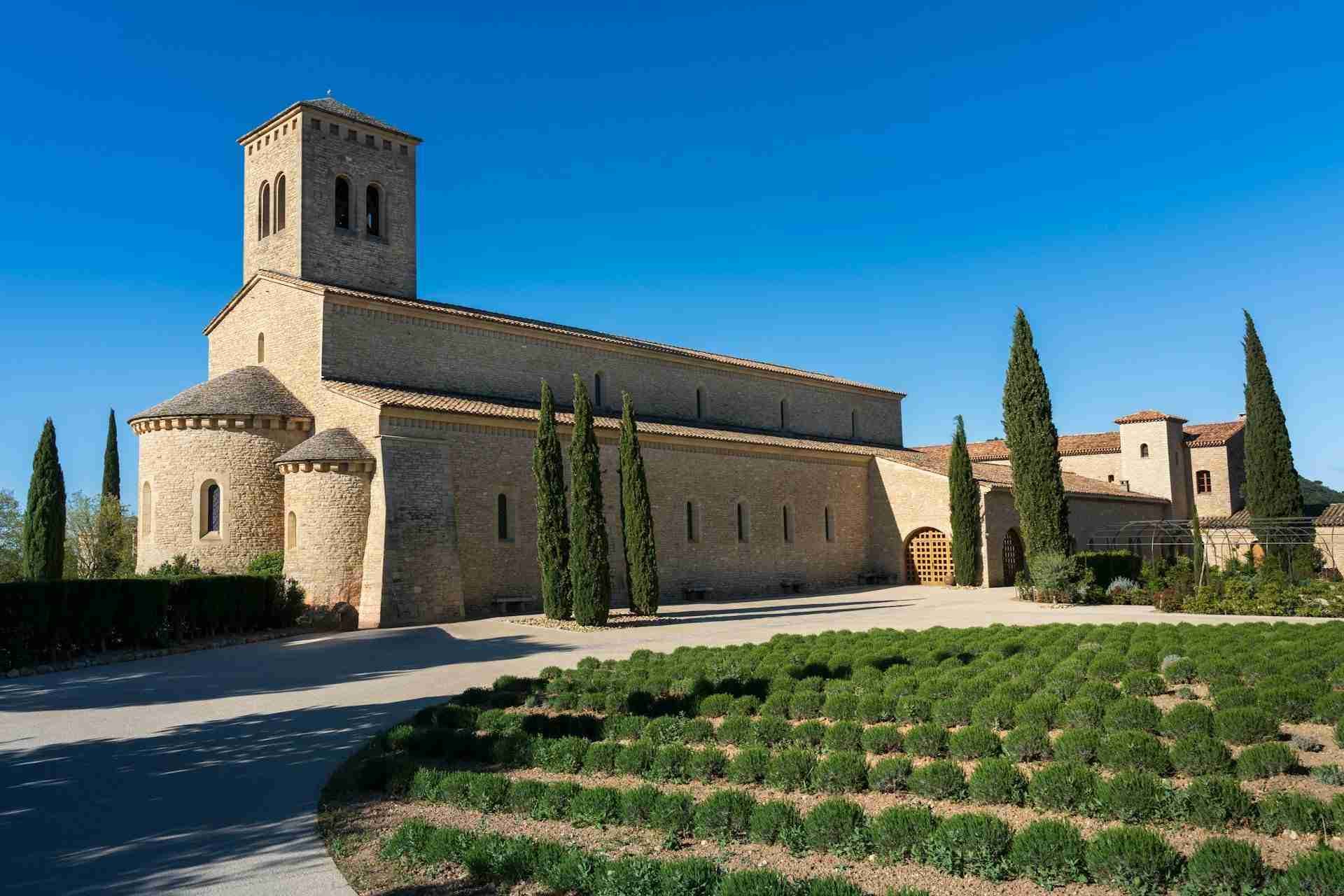
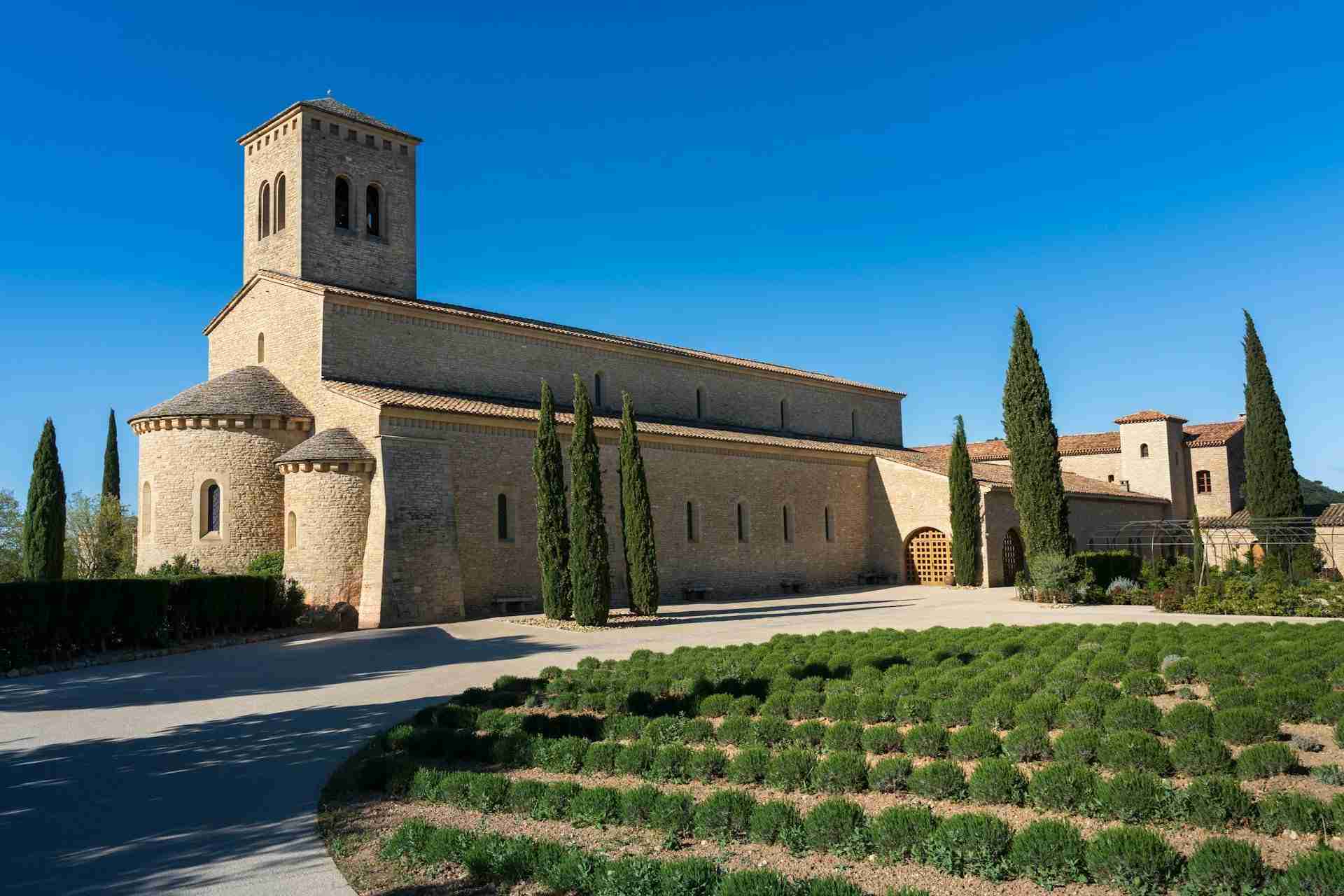
Perched on a sunlit hillside in the Vaucluse region of southern France, the Abbey of Sainte-Madeleine du Barroux—also known as Le Barroux Abbey—is a striking example of Romanesque revival architecture brought to life in modern times. Completed in 1989 and home to a community of traditionalist Benedictine monks, the abbey overlooks the rolling vineyards and lavender fields of Provence. Its honey-colored stone, rhythmic arches, and austere beauty make it a serene and visually compelling subject for photographers drawn to spiritual architecture, sacred landscapes, and monastic stillness. With light pouring through narrow windows and shadows stretching across ancient-feeling corridors, Le Barroux offers a rare chance to capture timeless tranquility in the heart of rural France.
Best Photography Opportunities
• The Abbey Exterior and Setting
: The abbey's position on a ridge above Le Barroux offers expansive views across the Provencal landscape, especially when framed against the Dentelles de Montmirail or Mont Ventoux in the distance. From the access road or olive groves below, wide-angle compositions emphasize the abbey's integration with the land, while golden hour light brings warmth and depth to the stonework. Including foreground elements like cypress trees or vineyard rows adds local texture and a strong sense of place.
• Romanesque Arches and Cloisters
: Inside the abbey, the cloisters and arcades offer some of the most photogenic moments. Soft light filtering through narrow archways creates patterns of light and shadow along the stone walkways—ideal for monochrome or high-contrast studies. The repeating arches, columns, and vaulted ceilings lend themselves to symmetrical compositions and abstract architectural detail.
• Abbey Church Interior
: The abbey church is both solemn and beautifully proportioned, with bare stone walls, a high altar, and semi-circular apse that provide ample material for low-light architectural work. Be respectful—photography inside during services is discouraged or restricted—but when permitted, use natural light and a wide aperture to capture the chapel's moody interior with subtle reverence.
• Monastic Daily Life (from a Distance)
: While the monks follow a traditional Benedictine rule and maintain a life of silence and contemplation, glimpses of monastic life—whether a monk walking in the cloister or tending the olive groves—can be photographed respectfully from a distance. These candid moments emphasize human scale and spiritual rhythm within the architecture.
• Seasonal Light and Natural Context
: The abbey's stone glows differently in each season. Summer brings bright, sun-drenched tones and deep blue skies, while spring often includes blooming wildflowers and lush surroundings. In autumn, golden leaves and slanted light enhance the earthy palette. Even in winter, the clean architectural lines and misty hills provide a quieter, more introspective tone to images.
Best Time to Visit
Le Barroux Abbey is most photogenic during golden hour—both early morning and late afternoon—when soft light enhances the warm color of the stone and creates long, dramatic shadows along the facades and walkways. Morning mist rising over the vineyards adds atmosphere, while evening light filtering through cloisters offers poetic contrast between light and darkness.
Summer offers the most vibrant light and landscape, though midday sun can be harsh on the pale stone. Spring and autumn deliver better angles of light and softer color, making them ideal seasons for architectural photography. Winter, though more subdued, often brings clear air and stark shadows that work beautifully in black-and-white compositions.
How to Get There
Le Barroux Abbey is located just outside the village of Le Barroux in the Vaucluse department of Provence, about 45 minutes northeast of Avignon. From Carpentras, take the D938 road toward Malaucène, then follow signs for Le Barroux. The abbey is well signposted from the village and sits just outside the main town on a ridge surrounded by terraced fields and woodland.
Parking is available at the base of the abbey, with a short walk leading up to the entrance. Visitors are welcome during specific hours, though areas of the monastery are restricted to maintain the monks' seclusion. There is no admission fee for individual visitors, but donations are appreciated. Photography is allowed outside and in designated areas, though discretion and quiet are expected at all times.
Exploring the Abbey and the Surrounding Area
Beyond the abbey walls, the landscape of Le Barroux is filled with opportunities for quiet, contemplative photography. Terraced olive groves, narrow stone farmhouses, and distant views of Mont Ventoux all offer rich visual contrast to the monastic stillness of the abbey itself. The nearby village of Le Barroux features a medieval château, steep lanes, and warm-toned facades that pair beautifully with the soft light of early evening.
Walking trails around the abbey lead through pine woods and vineyard slopes, ideal for integrating the abbey into broader landscape compositions. These footpaths are also excellent for capturing wide, cinematic views at sunrise or sunset, when the play of light on the stone and hills reaches its most expressive peak.
Nearby Photography Locations
: One of Provence's most iconic peaks, Mont Ventoux is visible from the abbey and offers panoramic views over the region. The mountain itself is a destination for sunrise photography and long-lens landscape work.
: These jagged limestone ridges near Gigondas and Beaumes-de-Venise create dramatic backdrops and contrast beautifully with vineyards and rural chapels. Ideal for golden hour or silhouette work.
: Overlooking the village, this restored medieval fortress is a compelling subject in its own right. Its elevated position and classic towers make it a strong element in landscape and architectural frames.
: Located near Gordes, this iconic Cistercian abbey is famous for its lavender field foregrounds and Romanesque architecture. A must-shoot location in summer when the lavender is in full bloom.
: A short drive away, this hilltop village features Romanesque churches, narrow alleys, and breathtaking vistas over the Vaucluse plateau—ideal for classic Provençal street and architecture photography.
Le Barroux Abbey invites photographers to step into stillness—a place where light, stone, and silence converge. It's a setting that speaks softly but powerfully, where every column and arch holds centuries of monastic tradition, and where the natural beauty of Provence unfolds with quiet grace beyond the cloister walls. Whether you're drawn to sacred architecture, rural solitude, or the interplay of shadow and spirit, this abbey offers a timeless canvas for thoughtful, luminous work.
Comments
Loading comments…