
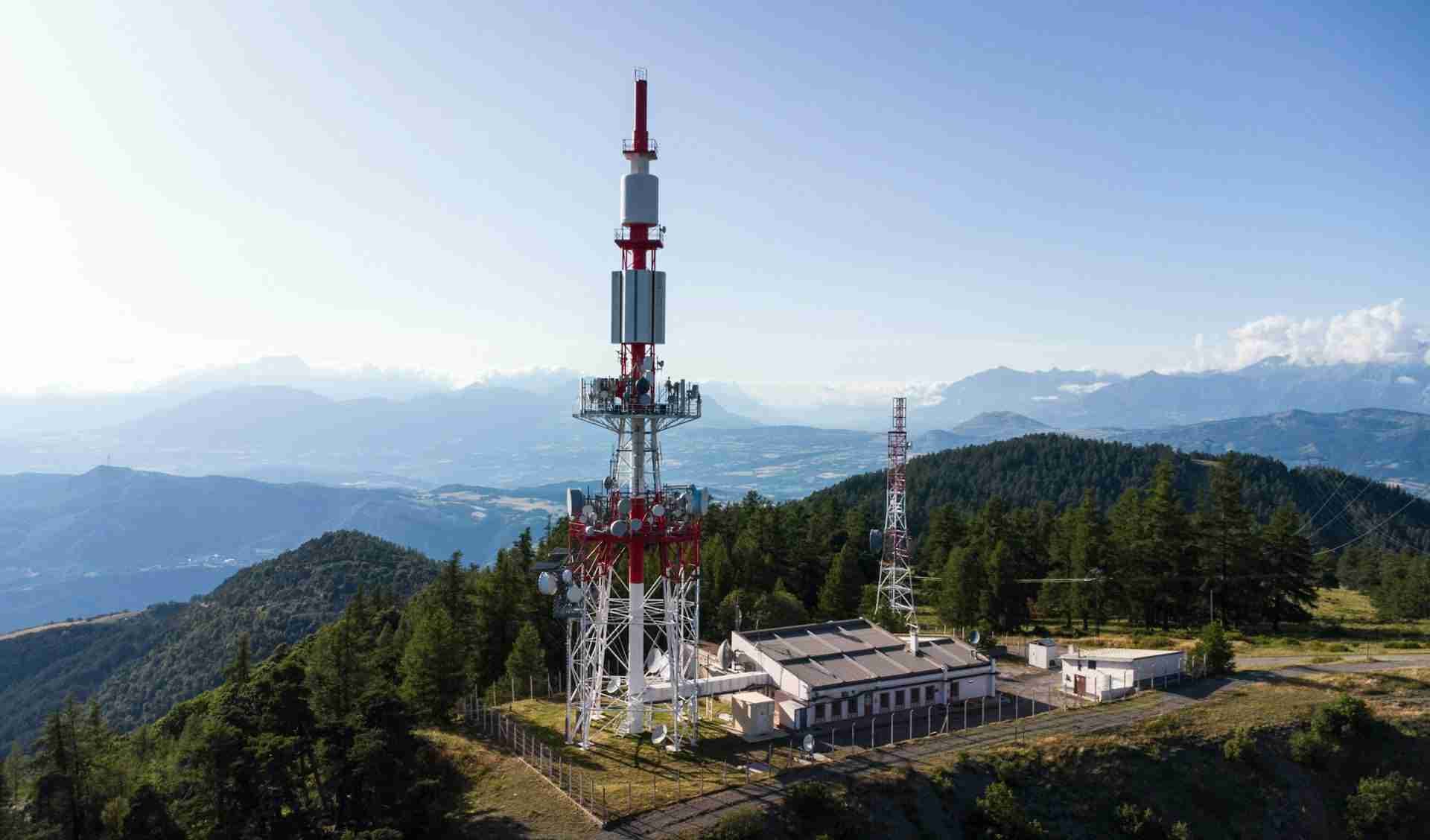
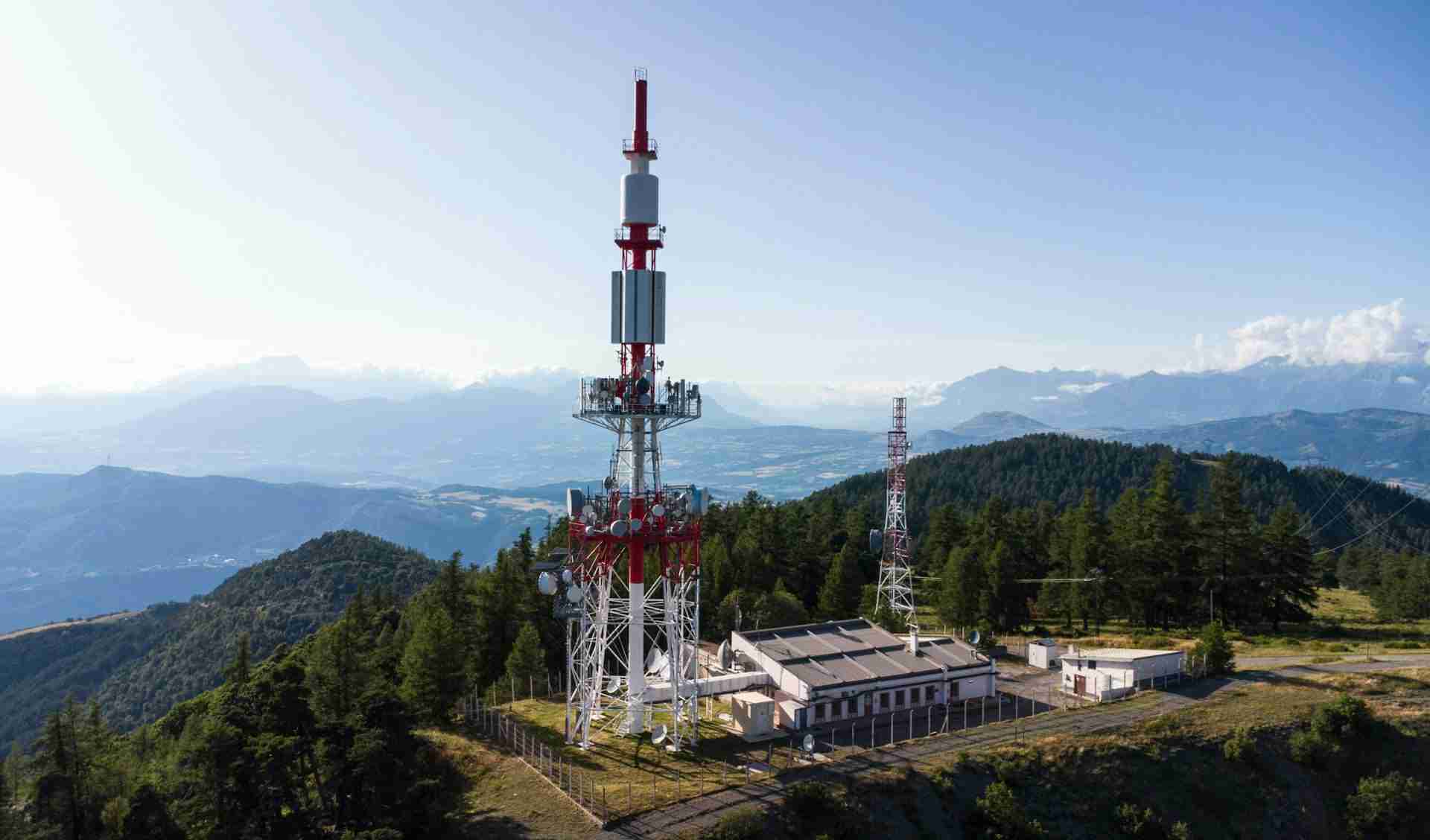
High above the Durance Valley in the Hautes-Alpes region of southeastern France, Mont Colombis rises with steep forested slopes and a wide summit ridge that offers panoramic views over Lake Serre-Ponçon and the surrounding Écrins and Ubaye mountain ranges. At 1,730 meters, the summit feels surprisingly open, with a 360 degree view that includes ridgelines, distant peaks, and the clear blue stretch of the lake far below. Photographers who make the winding drive to the top are rewarded with a combination of high alpine air, shifting light, and dramatic skies that change rapidly across the wide horizon. The summit platform near the radar dome provides a clear vantage point, while the winding road and forested lower slopes offer quieter compositions with textured light and long sightlines.
Best Photography Opportunities
• Summit Viewpoint
The main viewing platform at the summit is the best place to take in the full sweep of the landscape. From this point, you can photograph Lake Serre-Ponçon to the east with mountain silhouettes behind it, or turn west to frame the distant peaks of the Écrins under late afternoon light. A wide angle lens helps capture the full scope of the scene, while a longer focal length allows you to isolate peaks or weather patterns along the horizon. Sunrise brings soft backlight across the lake, while sunset creates deep contrast and warm glow over the western ridges. On clear days, the visibility extends well into the southern Alps.
• Lake Serre-Ponçon Overlook
The lake is best photographed from the northeastern side of the summit where the terrain slopes gently toward the water. In the morning, the light catches the surface of the lake and reflects the surrounding cliffs and ridgelines. During windy conditions, wave patterns add texture, while in calm weather, the water can mirror the sky. From this angle, the lake's color shifts from deep blue to turquoise depending on the time of day and air clarity. This spot is also good for layered compositions that show foreground ridges fading into the background with a mix of sharp and soft light.
• Radar Dome and Infrastructure
The large white radar dome at the summit is a striking element that can be used as a graphic focal point in minimalist or architectural compositions. Its round shape contrasts with the sharp angles of the landscape and the clouds that often pass quickly overhead. Framing the dome against changing skies or isolating it with telephoto compression works especially well in moody or overcast conditions. Be aware of fencing around the structure and focus on clean framing to avoid clutter in the foreground.
• Forest Road and Curves Below the Summit
The access road that winds up Mont Colombis is lined with pine and larch forest, with occasional clearings and switchbacks that open onto views of the valley below. These spots are ideal for slower, more deliberate compositions that use the road itself as a leading line. In autumn, larch needles turn gold and add warmth to the color palette. Morning light often filters through the trees and creates soft contrast across the forest floor. A mid-range lens works best here to balance detail and depth.
• Sky and Cloud Movement from the Ridge
The summit and upper slopes offer wide, unobstructed views of the sky, which can change rapidly depending on the time of day and wind direction. This is a good place to experiment with long exposures, especially if you want to capture cloud streaks or soft motion over the peaks. A strong tripod and neutral density filter are essential for working in daylight. Sunset and twilight often bring layered skies with pink and blue gradients that shift quickly, so staying through blue hour gives you the best chance to capture this atmosphere.
Best Time to Visit
Mont Colombis can be photographed from late spring through early autumn, with each season offering different light, vegetation, and access conditions. Late May and June bring clear air, new growth in the forest, and lingering snow patches on the higher peaks in the distance. These months also offer longer days and more stable weather, especially in the early morning. July and August are the warmest months, with wide visibility and minimal haze, although midday light can be harsh and winds stronger at the summit. Sunrise and sunset are both excellent, depending on which direction you want to shoot.
In September and October, the forest shifts to warm tones, especially in the larch trees along the lower slopes. These months bring deeper shadows and faster light transitions, which reward careful timing and patience. The air is cooler and clearer, and the chance of fog or cloud inversions increases. Winter access is limited and typically not recommended unless the road is cleared and conditions are stable. Snow transforms the summit into a very different shooting experience, but safety becomes a concern and preparation is critical.
Because of its open summit and elevation, Mont Colombis offers good light throughout the day, but early morning and late afternoon provide the best balance of warmth and soft shadow. Weather can shift quickly, especially with passing mountain systems, so be prepared for changes in light and visibility even during short sessions. Clouds moving across the lake or over the ridges can create dramatic conditions that last only a few minutes.
How to Get There
Mont Colombis is located in the Hautes-Alpes region of southern France, above the village of Théus and northwest of Lake Serre-Ponçon. The summit is accessible by a paved mountain road that begins near Remollon or Théus. The road is narrow, winding, and steep in sections, but can be driven with a standard vehicle during snow-free months. No special permits are needed to access the summit or surrounding trails, and there are no entrance fees.
The area is remote, so there are no facilities at the top. Be sure to bring water, food, and proper gear for the conditions. There is cell reception at the summit, but service may drop on the road up. The forest road is also accessible by bike or on foot for those interested in a slower approach. Visiting during the week often means having the summit to yourself, especially early in the day or late in the evening.
Recommended Photography Gear
A wide angle lens is essential for capturing the full view from the summit, including sky, ridges, and lake in a single frame. Focal lengths in the 16 to 24 millimeter range work well for this purpose. A 70 to 200 millimeter lens is equally useful for compressing distant layers, isolating peaks, or photographing the radar dome with background textures. For forest and road scenes on the way up, a mid-range lens in the 24 to 70 millimeter range offers the flexibility to work quickly as the light changes.
A sturdy tripod is highly recommended, especially for long exposures of the sky or working in low light at sunrise and sunset. Neutral density filters in 6 and 10 stop strengths help control shutter speed when shooting cloud movement or smoothing out distant haze. A circular polarizer is helpful when photographing the lake from above, as it cuts reflections and helps bring out the natural color of the water. A lens cloth is important, especially on windy days when dust and moisture can accumulate quickly.
Due to the exposure at the summit, wind is a constant factor, so stabilizing your gear with a weighted tripod or low stance can make a difference. Layered clothing and wind protection are necessary, even in summer, as temperatures can drop quickly once the sun begins to set. Headlamps or small lights are helpful if you plan to stay through blue hour and need to navigate the road or trail after dark. Pack light but be ready for sudden shifts in weather, especially when planning extended shooting sessions.
Nearby Photography Locations
The lake's western and northern shores offer varied compositions, from rocky inlets and small harbors to viewpoints where the water meets rising hills. Early morning reflections work well when the lake is calm, while the afternoon brings backlight on the cliffs.
These striking earth formations sit on the slopes below Mont Colombis and create strong vertical forms in soft, eroded stone. They are especially effective in sidelight or after rain, when the ground darkens and contrast increases. A telephoto lens helps isolate the shapes against the surrounding forest.
This small mountain pass south of the lake offers open views across Serre-Ponçon and into the Ubaye Valley. It is a great location for shooting layered ridges, especially in hazy morning light or under cloud shadows that drift across the landscape.
Across the lake from Mont Colombis, this mountain can be climbed for sunrise views back toward Colombis and the eastern ranges. The summit offers sharp ridgelines and a dramatic drop to the lake below, with strong light in the early morning hours.
Farther to the northwest, several roadside pullouts along D1091 and the approach to La Grave provide clean views into the high mountains of the Écrins. This area offers glacier details, deep valleys, and strong directional light, particularly in the evening.
Mont Colombis is a rewarding destination for photographers who value open views, changing skies, and a mix of high alpine and forest scenery. The summit offers the kind of perspective that invites both wide angle exploration and tight, layered framing. With careful timing and an eye on the shifting light, this location delivers full day potential in a setting that still feels quiet and remote.
Comments
Loading comments…