
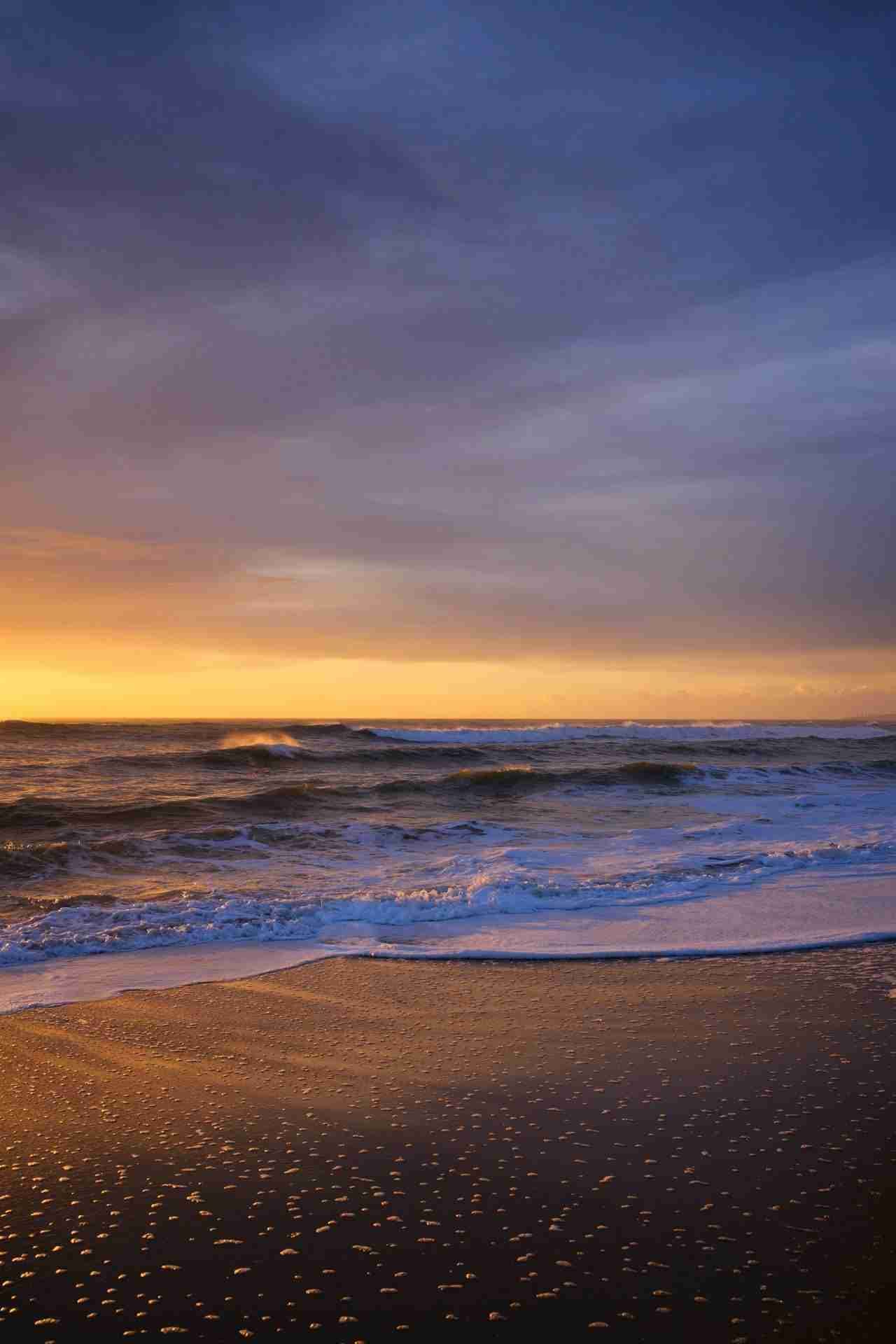
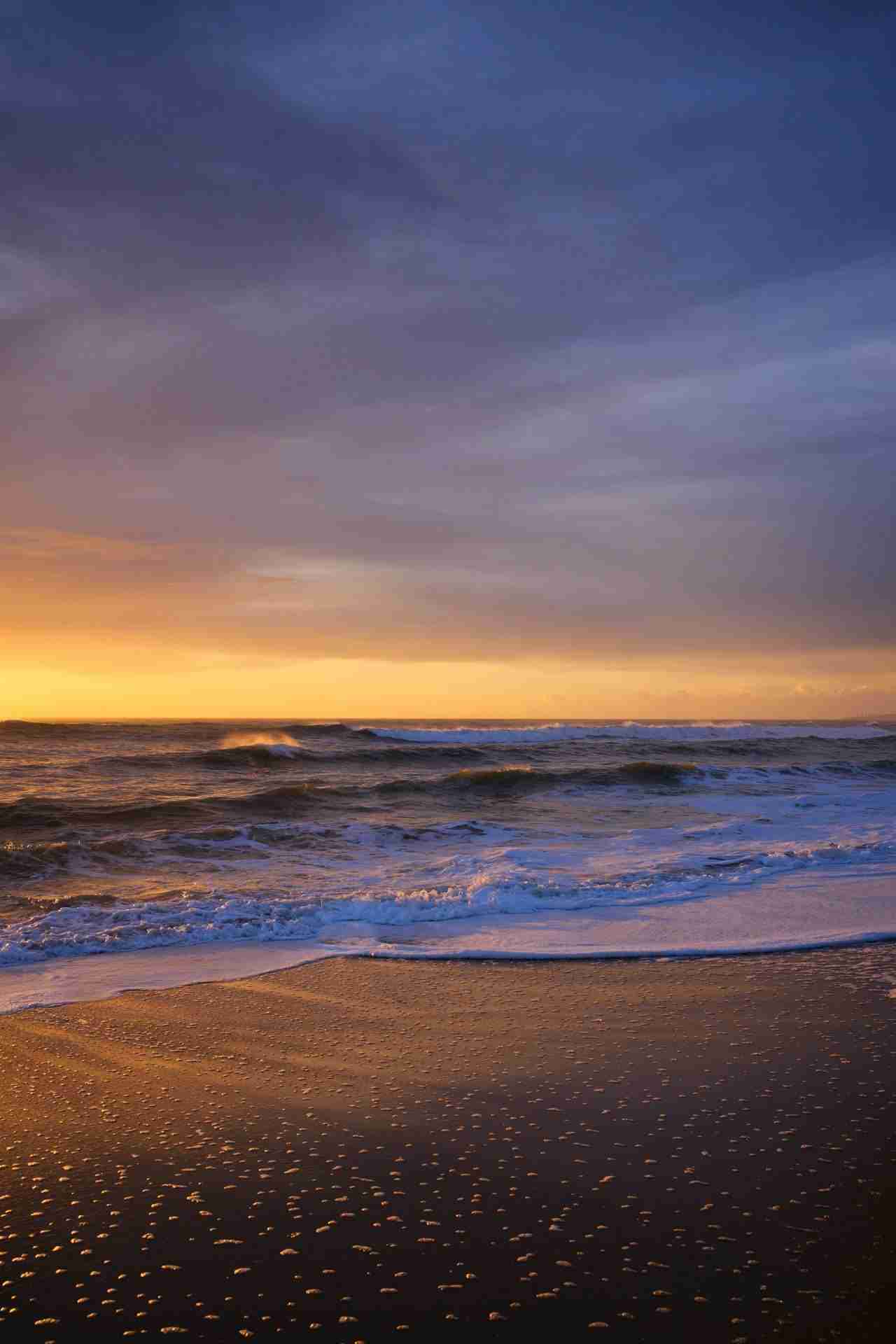
On the rugged Atlantic coast of France's Vendée region, Plage de la Parée offers a beach experience that is equal parts raw and poetic. Located in the seaside town of Brétignolles-sur-Mer, this beach is shaped by wind, tide, and time. The coastline here is sculpted not only by the constant movement of water but also by the contrast between soft sandy stretches and harder, more weathered rock formations. Unlike the long, uniform beaches that line much of the western coast of France, Plage de la Parée feels more elemental. It changes with the hour and with every shift in weather. Photographers will find that the beach invites exploration through all senses. The scent of salt air, the texture of wind-rippled sand, and the roar of crashing surf all become part of the photographic process. Light moves across this landscape in unexpected ways, and every moment reveals new forms to capture; sometimes bold and dramatic, other times soft and fleeting.
Best Photography Opportunities
• Exposed Rock Pools and Tidal Formations at Low Tide
One of the most rewarding times to photograph at Plage de la Parée is during low tide when the ocean retreats and reveals a series of jagged reefs and shallow rock pools. These areas are filled with miniature marine ecosystems and act as natural mirrors that reflect the shifting sky above. When the water is still, you can capture subtle patterns in the sand alongside the cloudscape reflected on the surface. Early morning light warms the rocks and brings out their rough textures, while late afternoon gives the pools a silvery glow. Compositions often benefit from shooting low to the ground with a wide-angle lens, emphasizing the textures in the foreground while leading the viewer's eye toward the distant sea and sky.
• Crashing Waves and Water Movement at Mid Tide
As the tide rolls in and begins to cover the rock shelves, the ocean becomes more dramatic. Waves crash and spray across the reef, creating a powerful visual rhythm that can be captured in motion or frozen in a single dramatic moment. Long-exposure photography is especially effective here, turning moving water into soft ribbons that contrast with the solid permanence of the coastal rock. With shutter speeds of a few seconds, the energy of the sea becomes smooth and painterly, while shorter exposures of one-tenth to one-fiftieth of a second can retain motion blur without losing definition. Neutral density filters are essential in bright conditions, and a solid tripod ensures stability on uneven or wet surfaces. Watch the tide closely, as the rising sea can quickly change both the composition and your physical access to certain rocks.
• Wind-Sculpted Dunes and Subtle Light Play Inland
Just behind the main beach, a series of dunes rises and falls like a quiet echo of the sea's energy. These dunes are covered in pale sand, scrub grasses, and occasional wildflowers in spring and early summer. The wind constantly shapes the sand into flowing lines, curves, and gentle mounds. These subtle formations make for compelling studies in form and shadow, especially in the soft light of early morning or just before sunset. Compositions here are quieter and more minimal, but they reward careful framing. A short telephoto lens allows you to isolate interesting textures, while a wider lens can pull in the full sweep of the dune landscape under an open sky. Because the dunes are fragile ecosystems, always stick to the marked paths while shooting.
• Golden Hour Reflections and Sunset Silhouettes
Facing west toward the Atlantic, Plage de la Parée enjoys direct views of the setting sun for much of the year. Golden hour transforms the entire beach, bathing the sand, water, and rock in warm tones of gold, orange, and soft pink. Wet sand reflects the sky like a mirror, making it possible to shoot symmetrical compositions that double the drama of the scene. Silhouettes become particularly effective at this time, whether it is the outline of a person walking along the water's edge or the jagged line of rocks reaching into the sea. A medium aperture of f/8 to f/11 helps preserve sharpness and depth of field, while bracketing exposures can help manage the strong contrast between sky and foreground.
• Moody Weather and Atlantic Skies in Autumn and Winter
Photographers willing to brave the off-season will find that autumn and winter bring some of the most atmospheric shooting conditions at Plage de la Parée. The beach empties of crowds, and the sky often fills with fast-moving clouds that carry dramatic shapes and shifting light. Storm fronts can move in quickly, giving you moments of deep shadow, then sudden brilliance as the sun breaks through. This time of year is excellent for black-and-white work or moody color palettes. Shooting in these conditions requires weather protection for your gear and a flexible approach to composition, as the elements may shift rapidly. Use the wet sand and pools for strong foregrounds and embrace the natural contrast between dark sky and glowing sea.
Best Time to Visit
Choosing when to photograph Plage de la Parée depends on your preferred subject matter and shooting conditions. Tides play a major role here, more so than at many other beaches, because they reveal or conceal the most photogenic features of the shore. Low tide exposes the rock pools, textured sandbanks, and reflective surfaces that define the character of the beach. High tide can be less interesting for wide scenes but offers strong wave action and clean waterlines for minimalist compositions. Mid tide is ideal for photographing wave interaction with the reefs.
In terms of lighting, sunrise and sunset are the best times for rich color and strong directional light. Sunrise sessions are often peaceful and quiet, with pastel skies and undisturbed sand. Sunset offers dramatic skies and intense glow, but also draws more visitors in peak seasons. Spring and summer bring long days, bright light, and fresh green tones in the dunes. Summer is the busiest time for tourism, but early mornings still provide solitude. Autumn introduces more complex skies and shifting tones across the water and dunes. Winter, though colder and often windy, offers some of the best light for dramatic and high-contrast scenes. Plan your visit around both the tidal charts and the weather forecast for the best chance of capturing memorable images.
How to Get There
Plage de la Parée is located in Brétignolles-sur-Mer, a coastal commune in the Vendée department of western France. It lies about thirty kilometers north of Les Sables-d'Olonne and is easily accessible by road from regional hubs like La Roche-sur-Yon or Nantes. If arriving by car, follow signs toward Brétignolles-sur-Mer and then toward the beach itself, which is well-marked as "Plage de la Parée" once you are in the town center. A large parking area is available near the dunes, only a short walk from the shoreline. The beach is free to access, with no entrance fees, and is open year-round.
For those using public transportation, regional trains connect to Saint-Gilles-Croix-de-Vie and Les Sables-d'Olonne, from where local buses or taxis can take you to Brétignolles-sur-Mer. During the summer season, shuttle services may be available from nearby towns. Once on-site, access to the beach is straightforward, with sandy paths leading over the dunes to various points along the shore. The terrain is generally easy to walk, though certain areas near the rock shelves can be slippery or uneven. Good walking shoes are recommended, and you should be prepared to carry your equipment from the parking area, as there are no vehicle-access paths down to the beach.
Recommended Photography Gear
Photographing Plage de la Parée calls for a flexible setup that can handle the challenges of coastal shooting. Start with a solid tripod, especially if you plan to work with long exposures or in windy conditions. Sand can shift under your feet, so choose a tripod with adjustable legs and wide feet or spikes to stay secure. A wide-angle lens, such as a 16–35mm, is invaluable for capturing the full scale of the beach and the sky above it. For isolating details or compressing space across rock formations and wave lines, a 70–200mm telephoto lens offers versatility and strong visual impact.
Filters are an important part of your kit here. A circular polarizer helps reduce glare on wet sand and water, while also enhancing contrast and color in the sky. Graduated neutral density filters are useful for balancing the bright sky against a darker foreground at sunrise or sunset. Solid ND filters in the 6 to 10 stop range allow you to extend exposure times during daylight, perfect for smoothing out wave movement or capturing cloud motion.
Lens cloths and microfiber towels should always be on hand, as sea spray and fine sand can accumulate quickly. A rain cover for your camera and lens is advisable, even on clear days, due to sudden gusts or wave splash. Waterproof footwear, such as hiking sandals or boots, will help you navigate the tide pools safely. Finally, bring a backpack with enough space for filters, snacks, and water, as there are no services directly on the beach. If shooting in colder months, gloves with tactile fingertips and a windproof jacket will keep you focused on your work without distraction from the elements.
Nearby Photography Locations
Just to the south of Plage de la Parée, this beach features a wider stretch of sand and shallower tidal pools that catch the light beautifully in the early morning. The area is generally quieter than Parée and offers more minimal compositions. During calm weather, the pools act like mirrors, especially at low tide, reflecting pastel skies and providing excellent opportunities for symmetry-based framing. It is an ideal location for photographers who prefer quieter scenes and broad open spaces.
• Dune de la Sauzaie and the Surf Point
A few minutes to the north lies a dramatic section of coast popular among surfers for its strong wave patterns and rocky break. For photographers, the Dune de la Sauzaie provides elevated vantage points from which to capture wave energy and the movement of people interacting with the sea. The area is especially vibrant in the late afternoon, when the golden light touches the tops of the waves and silhouettes surfers against the glowing water. It is a dynamic setting for shooting action as well as slower, wide-angle seascapes from above.
• Lac du Jaunay and the Countryside
A short drive inland takes you to Lac du Jaunay, a peaceful freshwater lake surrounded by rolling hills and tree-lined trails. The lake is ideal for reflection photography, especially during still mornings when the surface is glass-like. In the fall, the surrounding woodland turns into a patchwork of yellows and browns, creating warm-toned images rich with contrast and depth. It is a great place to explore more intimate, tranquil compositions away from the intensity of the coast.
• Port de Saint-Gilles-Croix-de-Vie
About twenty minutes north by car, the harbor town of Saint-Gilles-Croix-de-Vie offers an entirely different photographic experience. The marina is filled with fishing boats, walkways, and colorful seaside architecture. This is a location where photographers can explore tighter compositions full of texture and color, especially during the blue hour when the lights reflect on the calm harbor waters. It is also a great spot for capturing the human side of the coastline, adding a narrative element to your visual story.
Plage de la Parée is more than a beach. It is a shifting, living landscape where ocean, light, and wind shape the world hour by hour. For the photographer, it is a location that demands time, attention, and respect. Whether you are drawn to wide dramatic seascapes, soft morning textures, or the small details left behind by the retreating tide, this beach invites you to return again and again, each time seeing something new. It is a place that rewards not just skill but presence, and it remains one of the Vendée coast's most compelling locations for anyone serious about coastal photography.
Comments
Loading comments…