
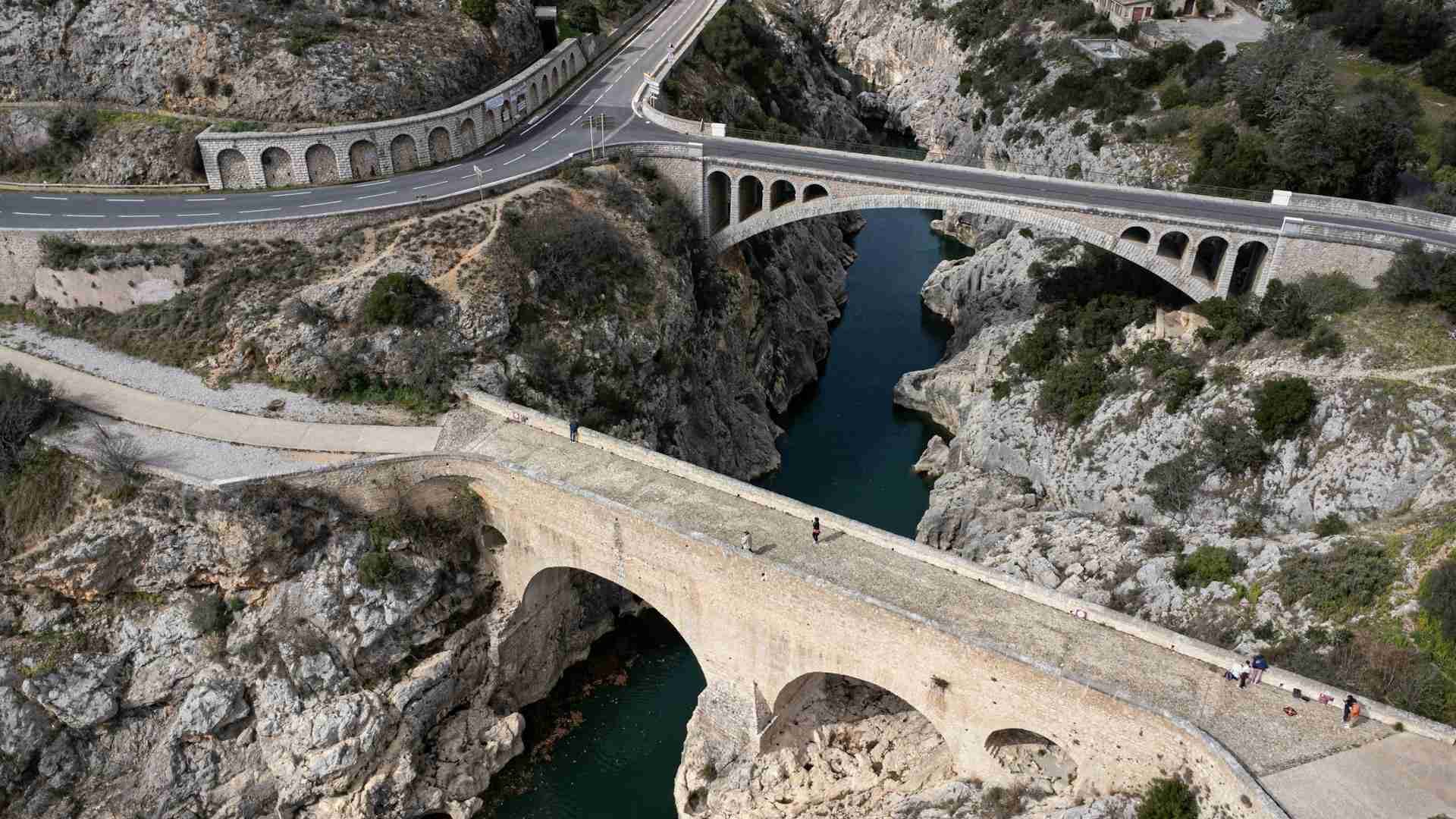
![Stone Arches and River Light Between Le Pont du Diable and Pont de Saint-Jean-de-Fos, France Spanning a deep section of […]](https://storage.googleapis.com/pixeo-blog.firebasestorage.app/article-images/wp-import/featured-135572.jpg)
Spanning a deep section of the Hérault River in southern France, Le Pont du Diable and Pont de Saint-Jean-de-Fos sit side by side in a setting that mixes medieval architecture, dramatic river cliffs, and clear, calm water. Le Pont du Diable is a centuries-old stone bridge with its soaring arches and thick supports. While Pont de Saint-Jean-de-Fos is a more modern bridge it still matches the design with its own series of arches. Together, these bridges allow for layered compositions, reflections in the water, and strong contrasts between old and new structures. The area is compact and walkable, with several trails leading along the riverbanks and rocky outcrops that give photographers flexibility to shoot from high, low, and side angles.
Best Photography Opportunities
• Reflections in Still Water
When the river is calm, especially in the morning, you can capture full reflections of the bridge's arch in the Hérault River. From the gravel beach or flat rocks just downstream, a wide angle lens lets you frame the entire bridge along with its mirrored shape. The texture of the old stone becomes more visible in soft side light, and early sun helps separate the bridge from the darker background. Long exposures work well here, especially if you want to smooth the water surface. This angle also lets you include some of the surrounding cliffs and tree cover, depending on the season.
• High Vantage Point from Pont de Saint-Jean-de-Fos
Looking downstream from the more modern Pont de Saint-Jean-de-Fos gives you a clear view over Le Pont du Diable and the full curve of the river gorge. This elevated angle is strong for wide compositions that include the hills, river, and both bridge forms. Golden hour adds warmth to the cliffs and softens the transition between light and shadow. If you're shooting with a standard zoom lens, you can adjust between tighter frames of the old bridge and wider scenes with more landscape context. This is a good place to return to if the light changes during your visit.
• Stonework and Structural Details
Walking paths run close to both bridges and allow for more intimate shots of arches, supports, and stone textures. Le Pont du Diable in particular offers strong shapes in its lower sections, where the old blocks curve into the riverbanks. Shooting these details works best in overcast light or early morning when shadows are soft. A mid range zoom helps with isolating specific elements like joints, worn surfaces, or the contrast between stone and sky. Including parts of the natural setting around the bridge gives the detail more context.
• Framing the Arch with River and Cliffs Beyond
From river level, it's possible to frame the central arch of Le Pont du Diable so that the river flows through it and leads the eye deeper into the gorge. This composition feels more enclosed and works well in the middle of the day when the sky is bright but shadows fall within the frame. Including water movement, reflections, or people on the path adds scale. A neutral density filter helps if you want to slow the water or bring more texture into the foreground.
• Drone Views of Both Bridges in One Frame
Aerial photography lets you show the relationship between both bridges, the path of the river, and the surrounding cliffs. From above, the color of the water and the shape of the gorge become more prominent, especially in early morning light. Shooting with a drone also allows you to frame both structures with clean separation, avoiding crowding and giving space to the landscape. Be sure to follow local drone regulations and avoid flying near people using the trails. Cloudy skies or side light help balance exposure across the rocky terrain.
Best Time to Visit
Morning is the best time to photograph this stretch of the Hérault River, especially if you want reflections and fewer people in the scene. Early light from the east moves across the bridge and helps bring out the form of the stone without heavy contrast. Calm water is more likely earlier in the day, which is important for reflection based compositions. The area is popular in the afternoon, especially in warmer months, so early sessions give you a better chance at an uninterrupted frame.
Late afternoon also works well if you're shooting from elevated positions or looking to catch golden light on the cliffs and arches. Sunset light can be limited in the gorge due to high rock walls, so it's better to shoot before the sun dips too low. Overcast conditions are good for architectural detail and texture focused shots. Seasonal changes affect water level and vegetation, with spring and autumn offering more balanced light and color than the harsher sun of summer.
How to Get There
Le Pont du Diable and Pont de Saint-Jean-de-Fos are located near the village of Saint-Jean-de-Fos in the Hérault department of southern France. By car, take the D27 or D4 from Gignac or Aniane, both of which are about a 10 to 15 minute drive. Parking is available near the visitor area close to Le Pont du Diable, and from there, walking paths lead to both bridges and along the river.
The entire area is accessible on foot with well maintained trails and clear signage. There is no entrance fee for photographing the bridges or using the paths, though some areas may be busier during peak tourist hours. The paths are gravel and stone, but manageable with camera gear. Access to the river's edge is easy near the downstream beach or by walking to rock platforms on the opposite bank.
Recommended Photography Gear
Bring a wide angle lens if you want to include the full span of the bridge, its reflection, and part of the surrounding landscape. A 24 to 70mm zoom is useful for adjusting quickly between wide and mid range frames, especially from high vantage points or trails. For detail work, a short telephoto helps isolate textures and structure without needing to move in too close.
A tripod is helpful for long exposures at river level, especially if you're working with reflections or slower shutter speeds to smooth water. A neutral density filter will help extend exposure time in brighter conditions. A polarising filter can help reduce glare on the water and bring out color in the sky or vegetation. A drone is a good addition here if you're able to fly safely and legally.
Nearby Photography Locations
The larger river gorge extends upstream and downstream, offering high cliffs, textured rock formations, and views across the valley. Ideal for wide landscapes and contrast between water and stone.
Just west of the bridges, this historic village is full of narrow stone streets, old arches, and shaded courtyards. A strong setting for architectural photography with soft light and quieter compositions.
Located just upriver, the entrance to this large cave system is a good opportunity for working with interior light, cave formations, and dramatic contrasts. Tripods are often permitted during quiet hours or tours.
South of the river, these gently rising hills include rows of vines, farmhouses, and winding roads that offer classic countryside compositions. Best in morning or evening light with soft contrast and sky color.
A short drive east, this hilltop ruin gives a high vantage point over the surrounding area, including views back toward the river valley. It's ideal for shooting during golden hour when the low sun shapes the terrain.
Comments
Loading comments…