
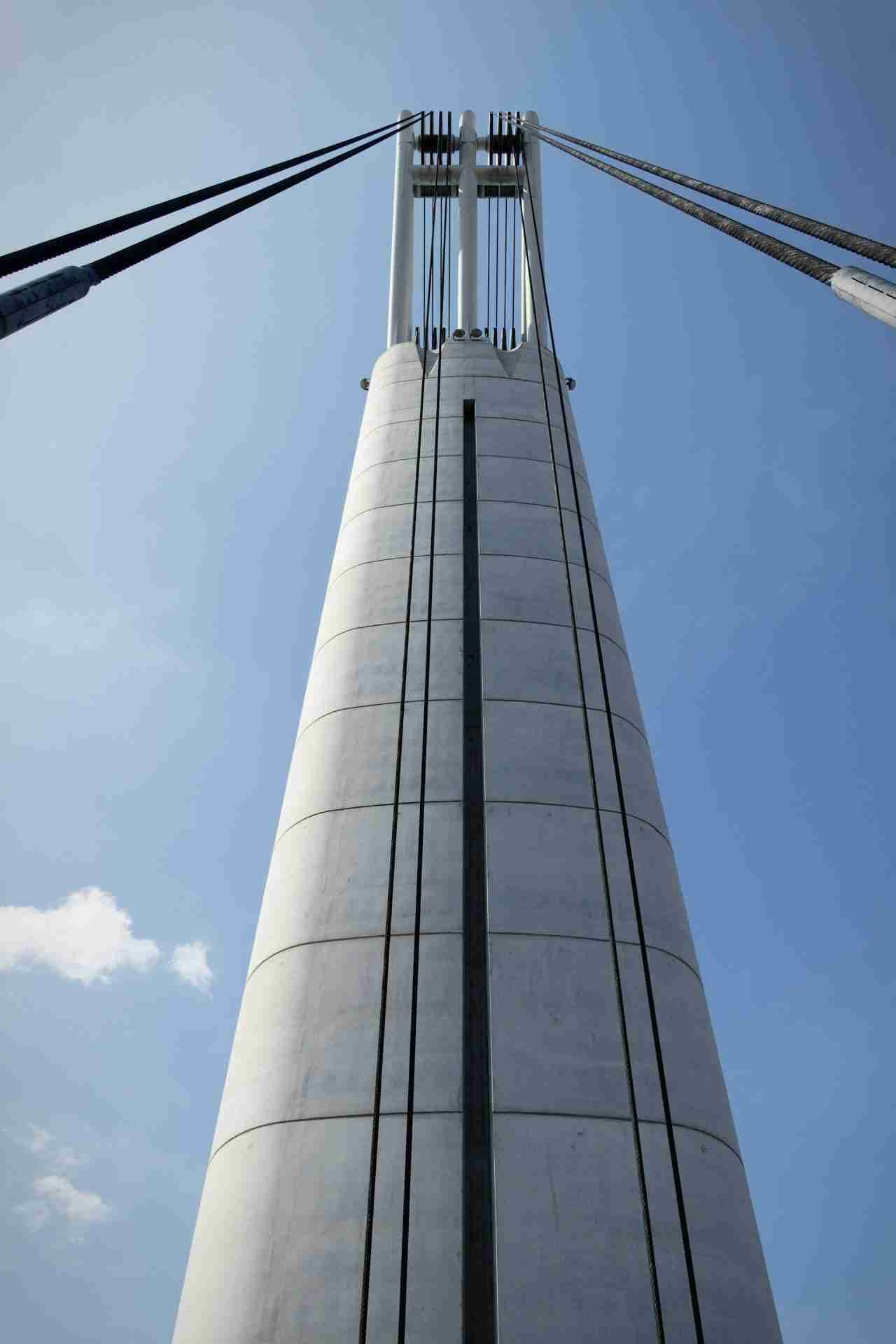
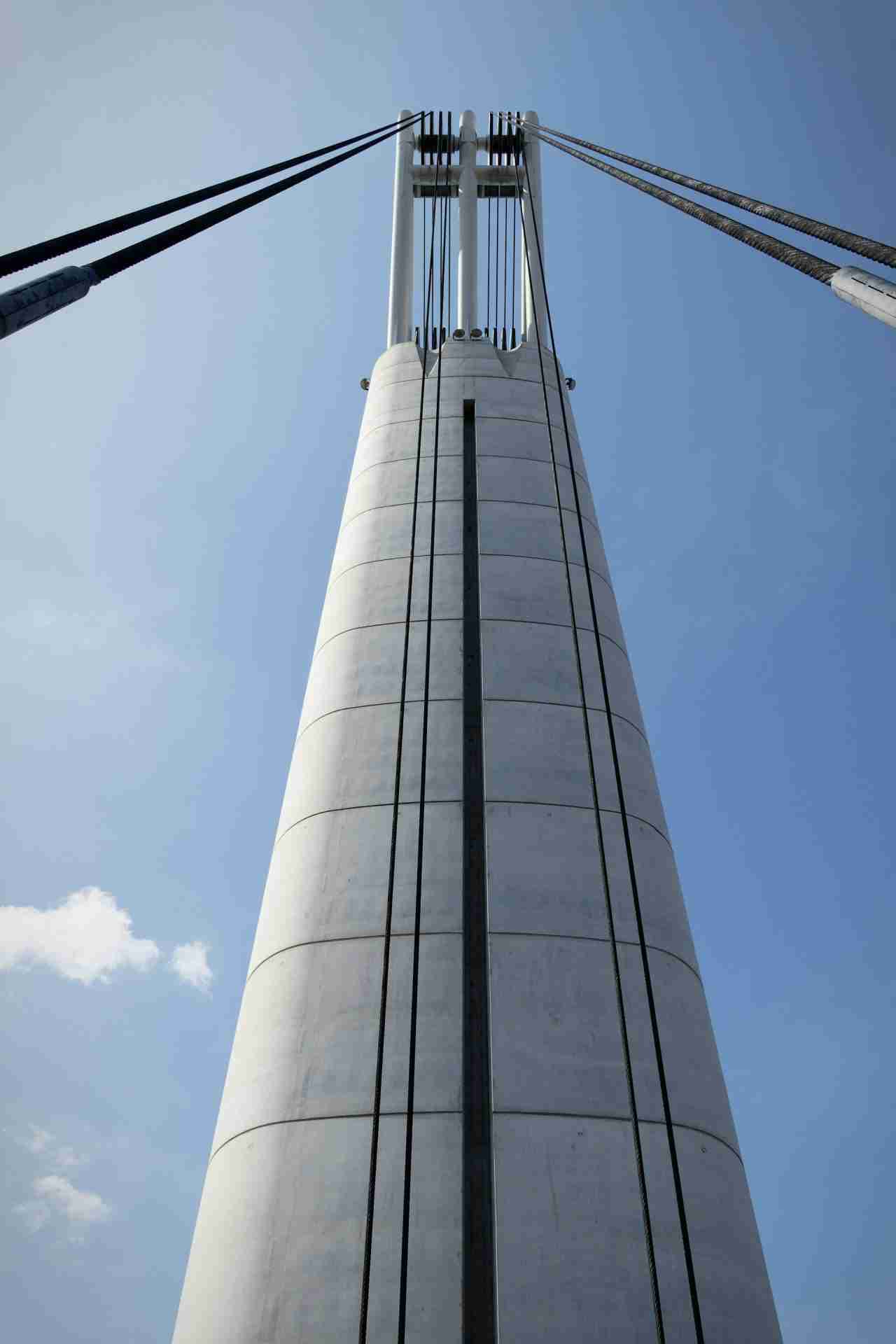
Spanning the wide curve of the Seine in Rouen, the Pont Gustave-Flaubert is a bold feat of modern engineering and an unexpected photographic subject within the medieval cityscape. Opened in 2008 and named for Rouen's most famous literary figure, this vertical-lift bridge is the highest of its kind in Europe, with twin towers rising 86 meters above the river. It stands in striking contrast to Rouen's historic skyline of Gothic spires and half-timbered architecture. Whether capturing its geometric forms against sunset skies or working with long exposures that blur river reflections and traffic light trails, this bridge offers photographers a clean, sculptural focal point amid a changing urban landscape.
Best Photography Opportunities
• East Bank, Full Elevation View
: The most commanding viewpoint is from the Seine's east bank along Quai Cavelier de la Salle or Pont Guillaume-le-Conquérant. From here, the full structure is visible—twin lift towers, the central deck, and the roadway below—set against the flow of the river. Use a wide-angle lens (16–35mm) during golden hour to frame the bridge beneath vibrant skies, especially at sunset when the towers catch side light and their vertical lines glow warm against cooler tones of steel and water. On overcast days, switch to black-and-white to emphasize form and structure without the distraction of muted color.
• Underpass and Structural Geometry
: Beneath the deck and near the piers, especially on the west bank, you'll find abstract compositions of cables, steel framing, and the massive lift mechanisms. These perspectives work well with a standard zoom (24–70mm) or fast prime (35mm), isolating angular forms and patterns that reveal the complexity of the engineering. Early morning and late afternoon light produce sharp shadows beneath the deck, allowing for graphic compositions that play with line and contrast. Be mindful of pedestrian and vehicle access when positioning under or near the roadway.
• Long Exposures from the Riverwalk
: The paved walkways along the Seine on both banks offer excellent locations for long exposures, especially in blue hour or at night. Position yourself just north of the bridge to capture reflections of the lift towers in the water. Use a tripod, low ISO, and a 10-stop ND filter for exposures of 20–60 seconds that transform the river's surface into a glassy mirror. These compositions are most effective when the bridge is illuminated and traffic lights begin to trail across the deck, adding energy to the otherwise static frame.
• Lift Event or Raised Deck Perspective
: On rare occasions, the bridge lifts to allow cruise ships or tall vessels to pass. During these moments, the entire central roadway rises vertically between the towers, creating a dramatic visual event. These lifts are infrequent but planned—typically announced in advance by the Port of Rouen. If you time your visit to coincide, position on the east bank with a long lens (100–200mm) to compress the rising roadway against the towers or use a wide-angle to capture the entire mechanism mid-motion. Shooting during twilight or with motion blur enhances the sense of scale and transformation.
• Contextual Views with Rouen's Skyline
: From further north along the Seine or from elevated positions like the Colline Sainte-Catherine viewpoint, you can frame the bridge within the broader cityscape. This is especially effective at sunrise or in low fog, when the spires of Rouen's cathedral rise in the distance and the modern bridge appears as a futuristic silhouette in the foreground. Use a telephoto lens (70–300mm) to compress distance and integrate the new with the old, balancing historical identity with industrial modernity.
Best Time to Visit
Light plays a significant role in shaping compositions of the Pont Gustave-Flaubert. The bridge is oriented roughly northeast to southwest, meaning sunrise illuminates the east-facing towers and sunset lights the west-facing sides. For color and drama, the best time to visit is sunset, especially in summer when the sun sets along the river, creating reflective paths across the water and silhouetting the structure with warm ambient light.
Blue hour provides strong opportunities for architectural light trails, reflections, and long exposures. During this time, the bridge is lit subtly, but surrounding urban lights and passing cars can add motion and atmosphere. Cloudy or stormy weather enhances the drama of the steel towers, especially for monochrome photography or abstract studies of the structure's negative space.
For minimalist or fine art compositions, early morning offers the best conditions, particularly on calm days when the river is still and the bridge reflects cleanly. Overcast days soften contrasts and reduce glare, ideal for capturing structural detail and eliminating hotspots on reflective surfaces.
How to Get There
Pont Gustave-Flaubert is located in the western sector of Rouen, just downstream from the historic center. The bridge connects the city's north and south banks along Route Nationale 338. From downtown Rouen, it's a 10-minute drive or a 25-minute walk west along the Quai de Boisguilbert. There are multiple pedestrian access points on both sides of the bridge, and bike lanes run along its length.
For photography, the best public access points are along the Seine riverwalks near Hangar 106 (east bank) and the Rouen Docks area (west bank), both of which provide open views and safe vantage points for tripods. Free parking is available near Docks 76 and along Quai Jean de Béthencourt. Rouen's TEOR buses also serve the area, with stops near the bridge entrances.
There is no fee to access or photograph the bridge. However, if you're planning to shoot during a scheduled lift or wish to access port-controlled areas, check with local authorities or the Port de Rouen for updates and permissions.
Recommended Photography Gear
A wide-angle zoom (16–35mm) is essential for capturing the bridge's scale from river level or framing it with dramatic skies and reflections. For tighter architectural studies or long-distance skyline compressions, a telephoto lens (70–200mm or 100–400mm) is highly effective. A standard zoom (24–70mm) provides flexibility for walkaround shooting and mid-range framing.
A sturdy tripod is required for blue hour, nighttime, or long exposure riverfront work. Use a 6- or 10-stop ND filter for daytime long exposures to smooth water and add movement to clouds or passing traffic. A circular polarizer helps control reflections and deepen tones in the river and sky, especially on bright days.
Weather protection for your camera is recommended, particularly if shooting in mist or rain—conditions that are common along the Seine. A lens hood is useful for controlling flare at sunrise and sunset, and a microfiber cloth is essential to keep lenses clean when working close to the water.
Nearby Photography Locations
: The city's Gothic crown jewel, this cathedral provides one of the most detailed and light-responsive façades in Europe. Photograph it at golden hour or during the nightly light show for glowing architectural grandeur that contrasts with the bridge's modern lines.
• Docks 76 and Hangar 106
: These revitalized warehouse districts on both sides of the river offer industrial textures, street art, and contemporary reflections along the Seine. Excellent for low-light urban photography and street scenes.
: This elevated viewpoint offers sweeping views of Rouen, the Seine, and the Pont Gustave-Flaubert in one panoramic composition. Best visited at sunrise or twilight for layered light across the cityscape.
: A short drive south, this formal garden includes greenhouses, tree-lined paths, and seasonal flower displays—ideal for macro photography and peaceful contrast to the bridge's industrial aesthetic.
: These historic streets offer intimate architectural detail and vibrant city life. Best captured in the early morning or golden hour, these spots present a different face of Rouen to balance with your images of the bridge.
Photographing Pont Gustave-Flaubert is a study in contrasts: old city and new structure, still water and moving traffic, form and function. It's a place where geometry, light, and motion converge—offering photographers a modern muse in the midst of Rouen's rich architectural legacy.
Comments
Loading comments…