
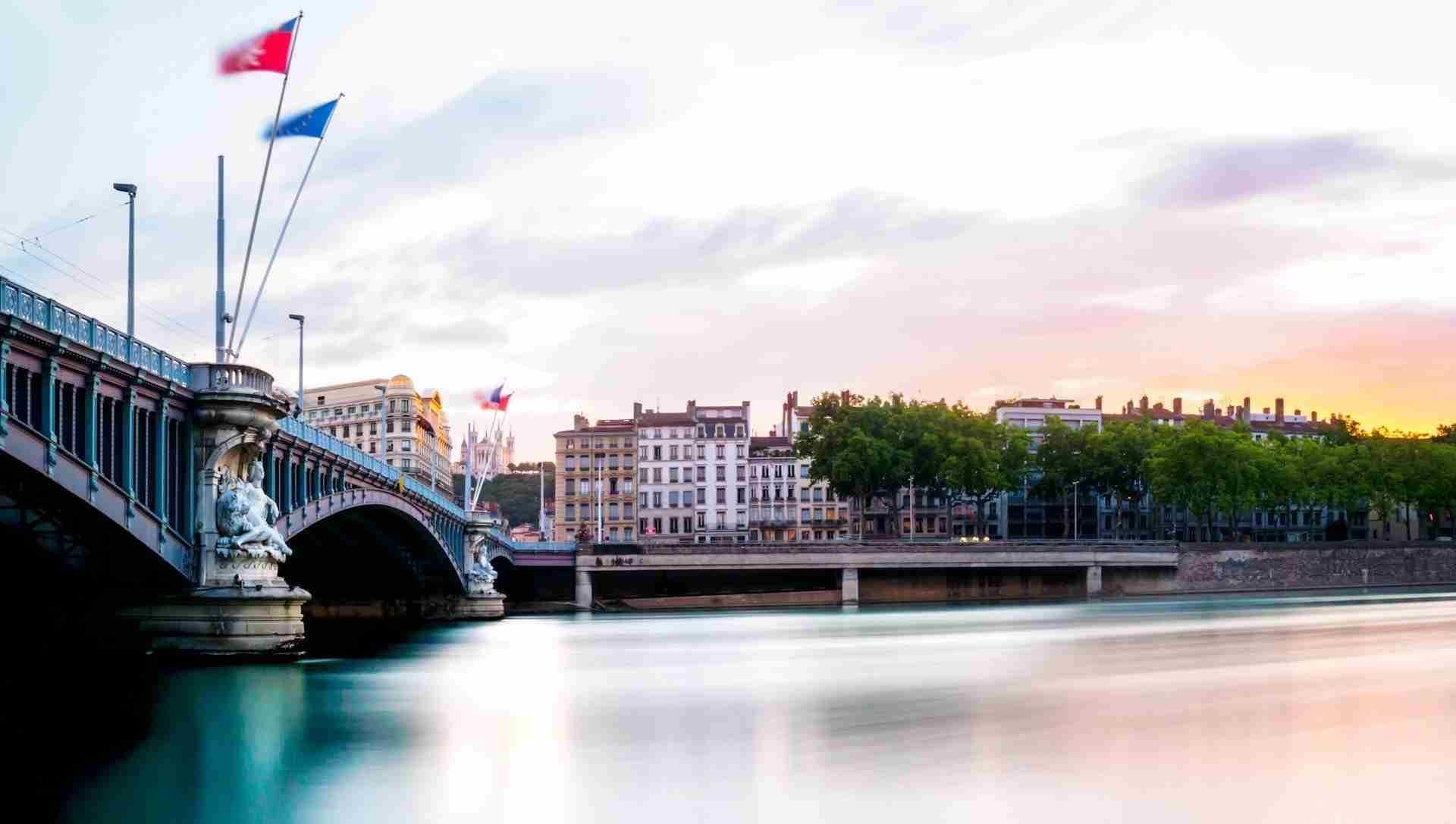
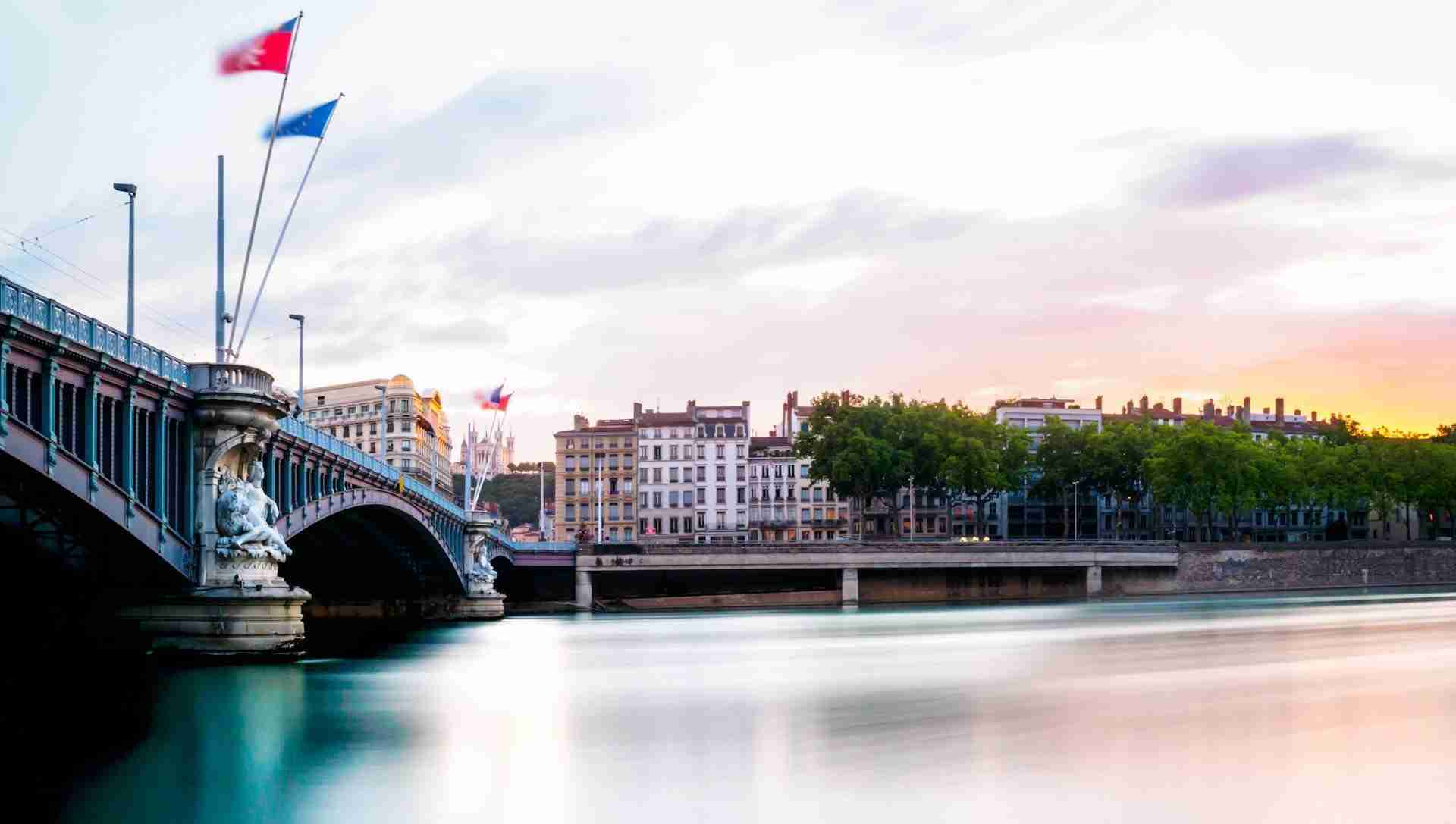
Stretching elegantly across the Rhône River, the Pont Lafayette connects the Presqu'île to the Left Bank in central Lyon, serving as both a vital artery and a compelling photographic subject. Completed in the late 19th century, this iron bridge blends classic French engineering with understated elegance, offering photographers a harmonious mix of symmetry, reflection, and urban rhythm. Its low arches and riveted steel design contrast beautifully with the more contemporary or monumental bridges upstream, while the scenic backdrop of the city's rooftops and riverbanks provides endless framing possibilities. Whether you're focused on architectural details, long exposures, or street scenes, Pont Lafayette delivers a versatile setting at the heart of Lyon's historic and modern identity.
Best Photography Opportunities
• Bridge Arches and Steel Detail
: From below or at mid-river level, the arches of Pont Lafayette reveal a finely engineered series of repeating patterns and riveted beams. These industrial details shine in side light, especially in early morning when the low sun rakes across the structure and enhances texture. Telephoto lenses are ideal for isolating the repeating lines in the ironwork, while wide-angle shots from the water's edge can emphasize the scale and depth of the arches. Reflections beneath the arches often mirror these shapes, allowing for layered, symmetrical compositions.
• Reflections on the Rhône
: Calm days yield mirror-like reflections of the bridge and its surroundings, especially when shooting from the east bank or from nearby footpaths along the Quai Victor Augagneur. At sunrise or twilight, these reflections take on warm or cool tones that mirror the ambient light, ideal for balanced compositions that feature both architecture and environment. With long exposures, especially in the blue hour, the water flattens into a smooth surface, turning the entire bridge into a floating ribbon of light and color. Framing the bridge alongside river lamps or silhouetted figures adds a human touch to an otherwise serene scene.
• Symmetry and Leading Lines from the Bridge Deck
: The bridge's symmetrical railings and elegant lamp posts create a leading-line effect that draws the viewer into the frame. Capturing this perspective with a wide-angle lens emphasizes the balance of the structure, particularly when the road is quiet. It's a perfect location for incorporating a lone pedestrian to provide scale and narrative focus. The slight curve of the bridge adds a gentle flow to the composition, helping break the rigidity of classic symmetry and guiding the eye through the frame naturally.
• View Toward Hôtel-Dieu and Presqu'île Skyline
: From the eastern sidewalk, photographers can frame the imposing dome of the Grand Hôtel-Dieu and the classic rooftops of the Presqu'île across the water. This view is especially compelling at night when the dome and façades are illuminated, casting reflections that ripple in the Rhône and give the scene a timeless, cinematic quality. During golden hour, the sun lights up the limestone façades with a soft amber glow, creating a harmonious contrast with the bridge's cooler tones. This is an ideal setup for shooting layered cityscapes that blend historic elegance with natural atmosphere.
• Street Photography and Urban Atmosphere
: Pont Lafayette is active without being chaotic, making it an excellent place for capturing candid moments, daily life, and the flow of commuters. Light filters gently through tree-lined avenues on either side of the bridge, providing soft, dappled illumination that enhances portrait and lifestyle shots with an urban backdrop. It's also a spot where cyclists, dog walkers, and early joggers pass by in rhythm, offering chances to document human movement within a structured environment. Seasonal changes in wardrobe and light provide visual variety across repeat visits, making it a year-round location for observing city life in motion.
Best Time to Visit
Pont Lafayette comes alive photographically during the early morning and late evening hours, when the light is most dynamic and the atmosphere more subdued. Sunrise lights up the bridge from the east, casting long shadows and bringing out the texture in the ironwork, while twilight and blue hour transform the surrounding architecture and water into a glowing canvas of warm highlights and deep blues. The Grand Hôtel-Dieu, visible from the bridge's east side, is particularly striking when lit from within after sunset, offering a glowing focal point across the river. Blue hour is especially rewarding for long exposures, as the bridge's lamps begin to glow and traffic slows, allowing for layered, mood-rich compositions that include ambient city light, reflections, and occasional human silhouettes.
Autumn adds colorful reflections from nearby trees, especially on the Presqu'île side where the foliage frames both ends of the bridge. These warm seasonal hues are beautifully mirrored in the river during calm days and can be contrasted with the cooler steel of the bridge for more emotionally resonant images. In winter, crisp air and cloudless skies create high contrast and sharp visibility, allowing for architectural detail and distant city elements to be captured cleanly. Morning frost or occasional mist along the riverbank can add atmosphere, especially in low-lying areas beneath the bridge.
Spring offers softer light, blooming trees, and increased foot traffic, making it an ideal season for street photography and candid urban scenes. Summer, while brighter and busier, presents excellent opportunities for golden hour portraits and reflections just after sunset when the city glows and the Rhône becomes a shimmering, colorful surface. Throughout the year, the bridge's orientation and location between historic and modern cityscapes ensure that it provides interesting light and activity no matter the time of day or season.
How to Get There
Pont Lafayette is located just north of Place de la République, bridging the central Presqu'île district with the Left Bank near the Fosse aux Ours tram stop. It's easily accessed on foot from major city landmarks such as Place Bellecour or Hôtel de Ville in under ten minutes. Several bus and tram lines stop nearby, including the T1 tram which runs along the eastern riverbank. If arriving by car, parking is available at the Cordeliers underground garage or along Rue de la Part-Dieu. Photographers can also take advantage of the Rhône riverbanks' pedestrian walkways, which run parallel to the bridge and offer lower-angle vantage points. The bridge is always open and has no entry restrictions or fees, making it an easy and spontaneous stop for both early morning and late-night shoots.
Exploring the Surrounding Area
Immediately around Pont Lafayette, photographers can explore a rich cross-section of urban textures and architectural styles. On the Presqu'île side, Rue de la République offers grand 19th-century facades, bustling street scenes, and occasional glimpses of the bridge through intersecting side streets. Crossing to the east, the area around Quai Victor Augagneur and the Rhône riverbanks provides sweeping river-level views of several bridges in succession, ideal for those looking to capture series or long compositions. A short walk south brings you to Pont Wilson, where you can frame Pont Lafayette from a distance with the Presqu'île skyline rising behind it. Cafés and tree-lined promenades nearby make this a great zone for relaxed candid photography and environmental portraits that blend urban life with classical surroundings.
Nearby Photography Locations
: Just west of the bridge, this former hospital turned luxury complex boasts an iconic dome, elegant arcades, and a beautifully restored façade. It glows with warm light after sunset, making it a key focal point when shooting from Pont Lafayette or along the riverbank.
: Located just downstream, this bridge offers excellent elevated views of Pont Lafayette and the Hôtel-Dieu dome, especially with a telephoto lens. Its more open design also makes it a practical secondary location for wide-angle compositions of the river and surrounding architecture.
: A short tram ride north, this massive urban park offers lush gardens, reflective lakes, and architectural elements like wrought-iron gates and glass conservatories. It's perfect for more naturalistic or seasonal imagery to contrast with the urban geometry of the bridge.
: North of the Presqu'île, this plaza and its surrounding architecture provide classical French city scenes, including fountains, statues, and dramatic lighting in the evening. It's a great place to capture the city's historic character and street life.
• Quai du Rhône Night Trail
: The riverside path along the Rhône is particularly photogenic after dark, with cyclists, joggers, and ambient lighting from the bridges above. From here, photographers can compose scenes that include Pont Lafayette with moving figures and reflections layered into the frame.
Pont Lafayette offers a rewarding blend of structure, history, and urban vibrancy that's often overshadowed by more monumental sites in Lyon—but for the observant photographer, that's exactly what makes it special. With strong compositional opportunities in every direction and easy access from nearly anywhere in the city, the bridge delivers a quiet elegance that lends itself to everything from crisp architectural studies to cinematic river reflections. Whether you're planning a dedicated shoot or simply passing through with a camera in hand, Pont Lafayette is a location worth pausing for.
Comments
Loading comments…