
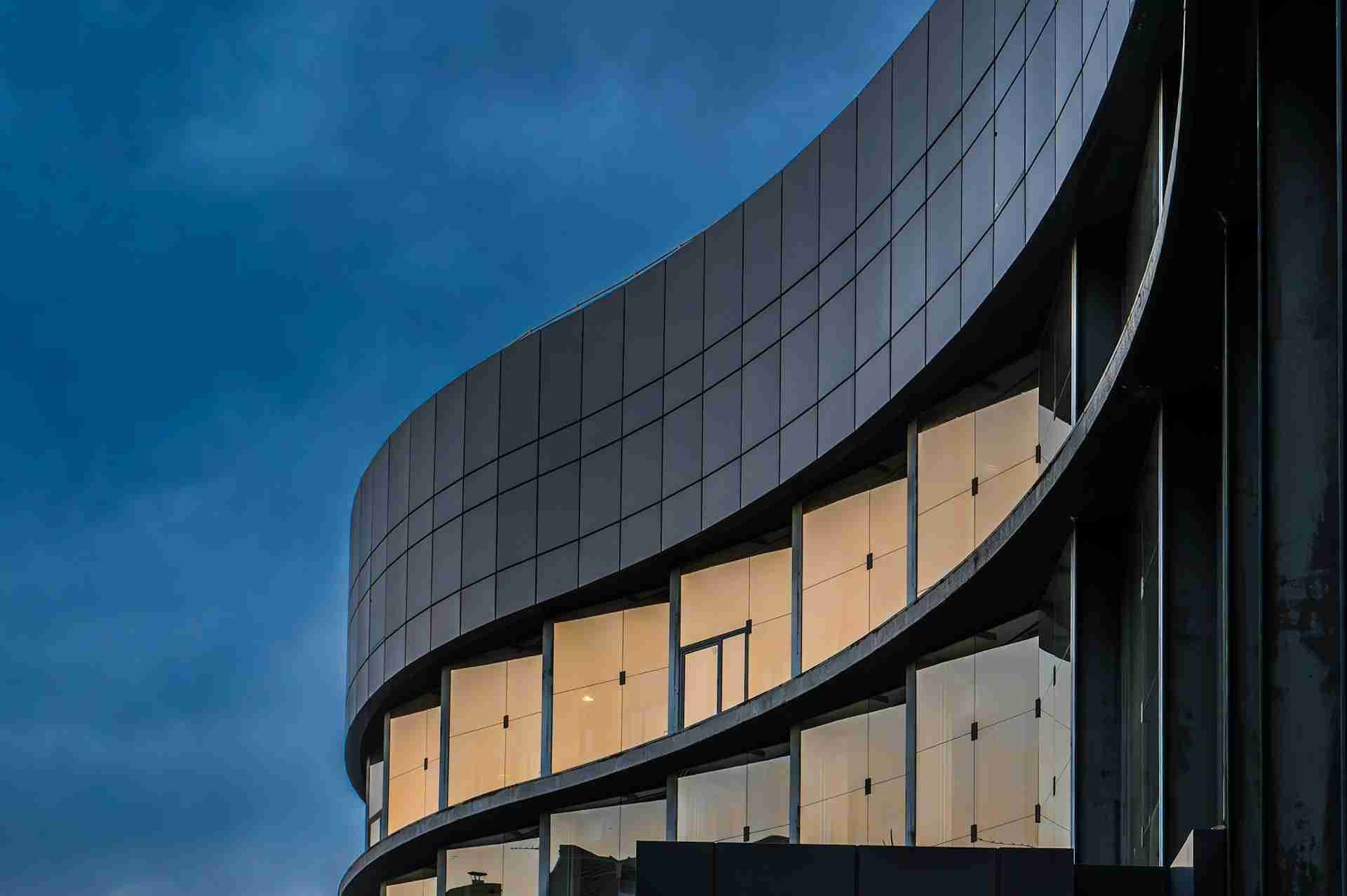
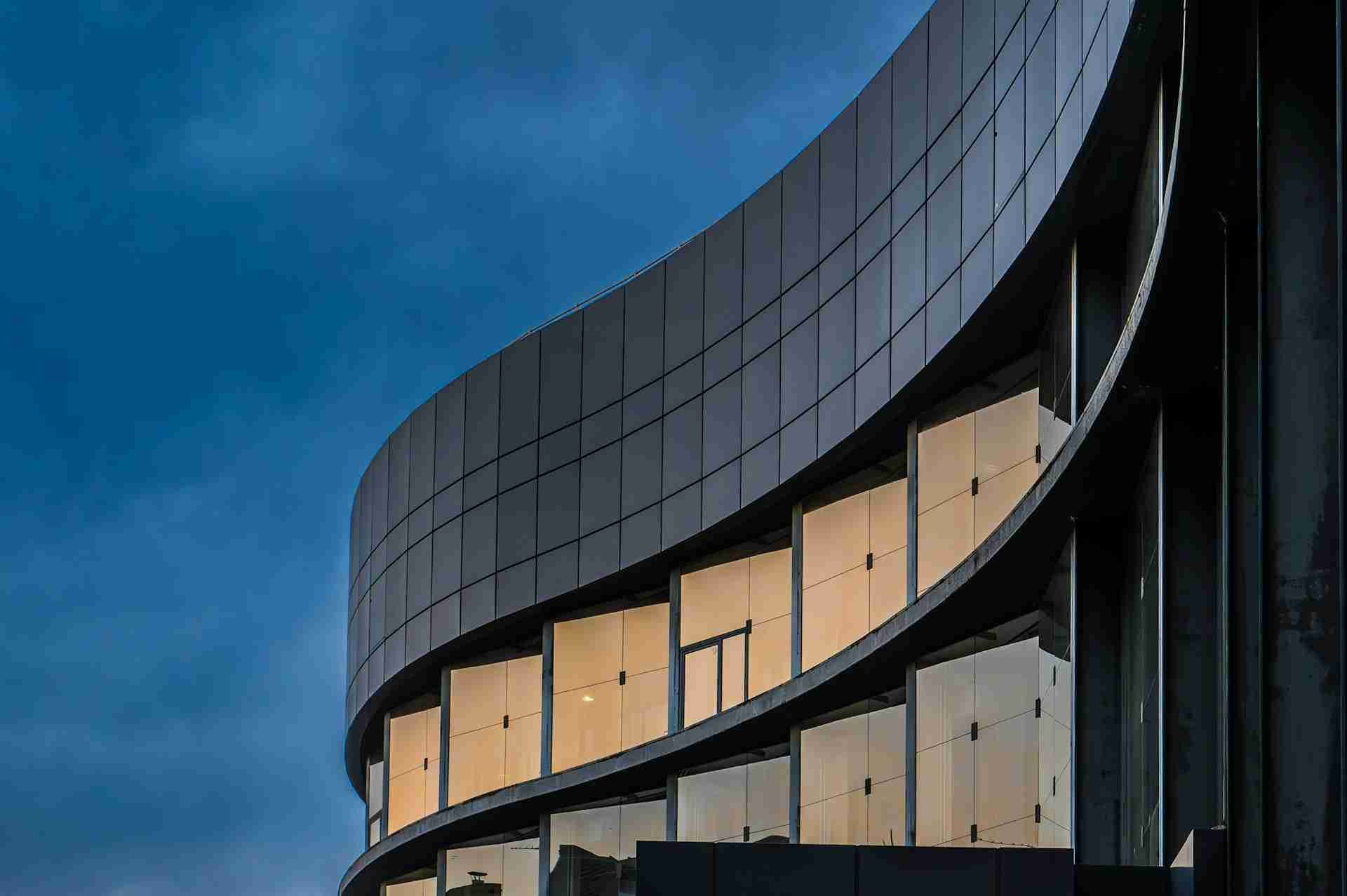
The Théâtre National de Bretagne, located in the center of Rennes, offers photographers a refined blend of clean geometry, layered glass façades, and strong architectural rhythm. Originally built in the late 20th century and later renovated, the theater is both a working performance space and a standout visual subject in the city's cultural quarter. Its design emphasizes repetition, balance, and the interaction of light and shadow. From the curved lines of its façade to the shifting reflections that move across the glass throughout the day, this is a location that rewards photographers who work carefully with light, surface, and perspective.
Best Photography Opportunities
• Full Façade from the Plaza
From the plaza in front of the theater, you can capture the full curve of the structure framed by sky and pavement. A wide-angle lens allows you to exaggerate the sweep of the glass wall and position vertical lines cleanly. Early morning is ideal, when foot traffic is minimal and soft light enhances clarity across the surface. Cloudy days work well too, flattening contrast and allowing detail in both shadow and highlight. Pay attention to the rhythm of windows and the way reflections shift as you move through the space.
• Side Elevation with Glass and Reflections
From the side street, the building's overlapping glass panels reflect surrounding structures and introduce layered depth into the composition. These side views are best captured with a mid-range zoom lens, which gives you room to adjust the balance between structure and reflection. Look for moments when pedestrians or traffic pass by to add movement or contrast. Overcast conditions help control glare, while late afternoon light can bring warmth to the concrete and a golden tone to the glass.
• Ground-Level Architectural Details
At the base of the building, you'll find texture in the concrete, seams between panels, and carefully framed entrances. These small details are ideal for tighter compositions that emphasize shape, material, and light. Use a short telephoto lens or a fast prime to isolate these features. Black and white can be especially effective here, highlighting tone and shadow without the distraction of color. These shots are best taken on soft light days when there is no harsh contrast across the surface.
• Interior Light and Silhouettes from Lobby Windows
If the lobby is accessible, the large glass walls and reflective flooring create interesting light transitions. You can shoot from outside looking in or from inside looking out to capture silhouettes, patterns, or overlapping architectural lines. Late morning and late afternoon offer the most dynamic interplay between light and reflection. Use a fast lens for handheld work, as interior lighting can be subdued. Always check the venue's guidelines before shooting inside or near entrances.
• Wider Context Frames from the Surrounding Streets
By stepping across Rue Saint-Hélier, you can incorporate the theater into a broader street scene, placing its modern design against more traditional architecture. A 24–70mm lens works well here, giving flexibility as light shifts across the scene. Early evening is particularly strong, when warm light reaches across the square and creates long shadows. These contextual shots are useful for showing the building's relationship to its urban surroundings.
Best Time to Visit
The Théâtre National de Bretagne can be photographed in any season, but spring and autumn offer the best conditions for light and atmosphere. Morning shoots provide soft directional light across the façade and minimal crowds in the plaza. Overcast skies reduce glare and balance exposures, especially when working with reflective surfaces. Blue hour sessions can be productive as well, especially when interior lighting is active and the building begins to glow from within.
In summer, light is often too direct during midday, so plan to work in early or late windows when shadow and depth become more manageable. In winter, shorter days limit your window of opportunity, but low-angle light can produce strong contrast and directional emphasis. The plaza remains accessible year-round, and the building's clean lines respond well to changing seasonal light.
How to Get There
The theater is located at 1 Rue Saint-Hélier in Rennes, just a few minutes' walk from the main train station. You can also take the metro to Charles de Gaulle station or use one of several nearby bus routes. On foot or by bike, the route is easy to follow and well-marked through the city center. Parking garages are available nearby for those arriving by car.
The area around the building is fully accessible, with wide walkways and open public space. There are no fees to photograph from outside, and tripods can be used freely on the plaza. If you plan to shoot inside or near entrance areas, check for any special permissions or visitor restrictions. The plaza and adjacent streets provide good sightlines without obstruction.
Recommended Photography Gear
A 16–35mm wide-angle lens is essential for full-building compositions, especially in tight plaza spaces. A 24–70mm zoom is useful for balancing street context and architectural detail without switching lenses constantly. A 70–200mm lens can help isolate features across the plaza or compress glass panels for abstraction.
Bring a tripod for golden hour and evening sessions. A circular polarizer helps manage reflections on the glass façade and can reduce glare from surrounding pavement. If you're planning interior work, a fast prime lens is ideal for handheld shots in low light. Keep a microfiber cloth handy for lens cleaning, particularly after rain or when working near glass surfaces.
Nearby Photography Locations
Directly across the street, this cultural complex offers modern lines, deep shadows, and interesting contrasts in material. The library and museum interiors are also worth exploring if access is available.
One of Rennes' most beautiful public spaces, this park offers formal gardens, natural paths, and a variety of seasonal color. Early morning or golden hour is ideal for soft light and quiet conditions.
The renovated train station blends modern steel and glass with strong symmetry and long interior sightlines. It pairs well with the theater for a full day of architectural photography.
• Rue Saint-Hélier
This surrounding street provides smaller scenes of shopfronts, signage, and local architecture. It works well for urban texture studies and as a contrast to the theater's clean design.
A short walk away, this formal civic space offers classic French architecture and street-level activity. It's best in late afternoon when light moves through the square and highlights the columns and stonework.
The Théâtre National de Bretagne is a structure that invites thoughtful framing and close attention to rhythm and form. Whether you are capturing the full curve of its façade or isolating the way light runs across glass and concrete, it provides a controlled but expressive space for architectural photography. With strong lines, generous light, and a variety of nearby subjects, it's a worthwhile stop for any photographer working in or passing through Rennes.
Comments
Loading comments…