
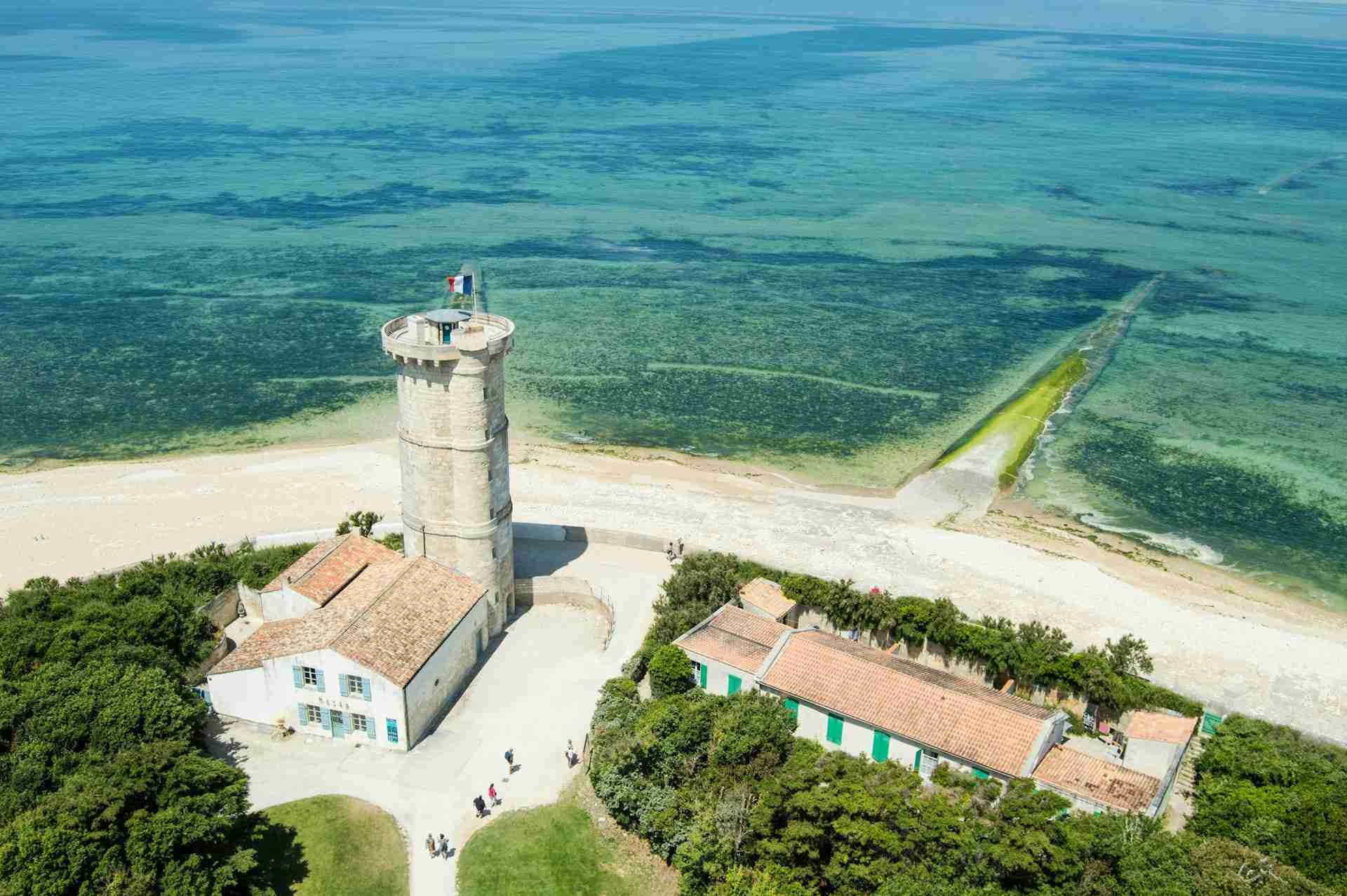
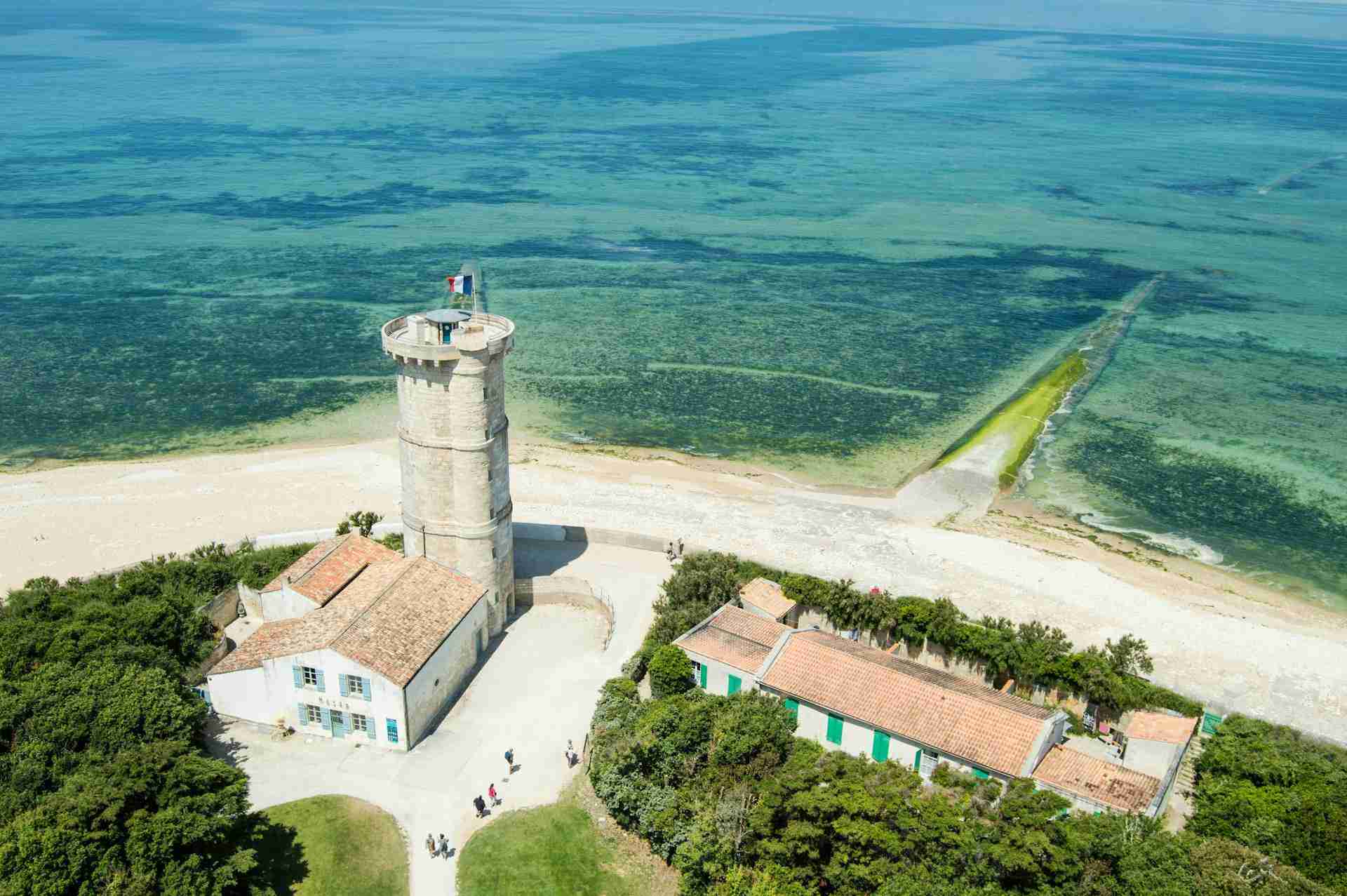
Set just inland from the surf-worn rocks of Île de Ré's northwest coast, the Tour des Baleines is the quieter, older counterpart to the more commanding Phare des Baleines. Built in the late 17th century under the direction of Vauban, the Tour served as an early maritime beacon long before its taller successor was constructed beside it in the 19th century. Weathered by centuries of salt air and Atlantic gales, this cylindrical stone tower offers a compelling subject for photographers who are drawn to architectural minimalism, moody atmospheres, and the stark elegance of age. Surrounded by open space, sparse vegetation, and an ever-changing sky, the Tour des Baleines tells a visual story of endurance and simplicity—one that lends itself equally well to dramatic seascapes, geometric studies, and evocative black-and-white work.
Best Photography Opportunities
• Isolated Tower Compositions
: One of the most powerful ways to photograph the Tour des Baleines is by isolating it in the frame against the expansive sky. Its compact, cylindrical form stands in strong contrast to the vast, low horizon of Île de Ré, making it an excellent subject for minimalist and architectural studies. Use a telephoto lens from a distance to compress the structure against the sky, allowing clouds, weather, or color gradients to dominate the negative space around it. Alternatively, move in closer with a wide-angle lens and low vantage point to exaggerate its height while still allowing space around the tower to emphasize its solitude. Early morning and late afternoon light will wrap gently around the rounded structure, emphasizing its form and surface detail. On overcast days, the soft, even light removes harsh contrast, allowing for subtle tone-on-tone compositions that highlight the simplicity of the tower's design and its surrounding terrain.
• Atmospheric Weather Studies
: The tower's historical presence is deeply enhanced by changing weather conditions, which turn it from a static monument into a dynamic subject layered with mood and narrative. On foggy mornings, the tower may appear to rise from a blanket of mist, half-concealed and mysterious—a scene reminiscent of maritime folklore and ghost stories. After a passing storm, dramatic clouds with shafts of sunlight or residual rain can create high-drama backdrops for wide landscape shots. Wait for the moment when the light breaks through to illuminate the stone, setting the tower aglow against dark, receding clouds. This emotional interplay of light and shadow is particularly effective for storytelling-style compositions. Long exposures can blur moving clouds to create a soft, flowing contrast with the tower's solidity, while black-and-white processing emphasizes mood and texture. For stormy or high-wind days, brace your tripod or seek natural shelter for stability while still capturing the scene's raw, elemental energy.
• Long Exposure Seascapes
: Although the Tour des Baleines sits inland, its close proximity to the rocky Atlantic coastline provides photographers with multiple vantage points for incorporating the sea into their compositions. From slightly elevated ground or with a longer lens, you can align the tower within a seascape setting that includes blurred waves, tide pools, and sky movement. Shooting during high tide allows the sea to visually link with the base of the tower, while low tide reveals textured foregrounds of reef rock, seaweed, and standing water. A 10-stop neutral density filter enables exposure times of 30 seconds or more, allowing the sea and sky to melt into soft gradients while the tower remains pin-sharp and grounded. Position the camera to include curving coastline elements or the edge of a sea wall to lead the eye through the frame toward the tower. Use of a graduated ND filter can help balance a bright western sky at sunset with the darker stonework below.
• Textures and Architectural Details
: Every surface of the Tour des Baleines tells a story. From its pitted limestone to the dark patches of moss and lichen, the tower is an archive of centuries of exposure to salt air, sun, and rain. Getting in close reveals intricate detail: rough stone seams, hand-carved masonry joints, weather-softened corners, and remnants of restoration. Shoot during the golden hour when the low sun casts raking light across these surfaces, enhancing shadows and highlighting surface irregularities. Use a macro lens or telephoto with shallow depth of field to isolate single stones, bolts, or worn ledges. Pay attention to the tower's small features—arched entryways, tiny windows, and aged plaques—that can become compelling micro-compositions in themselves. Even the subtle transition of light across the curve of the tower's wall makes for minimalist images with abstract appeal. These detail shots not only add visual variety but also deepen the narrative, capturing the passage of time and the endurance of materials.
• Juxtaposition with the New Lighthouse
: One of the most visually striking storytelling techniques available at this site is to frame the Tour des Baleines alongside its more modern and imposing successor, the Phare des Baleines. Together, the two towers illustrate over two centuries of nautical engineering and aesthetic evolution. Position the older tower in the foreground using a wide-angle lens, with the new lighthouse rising behind it in soft focus to establish scale and historical context. For tighter compositions, shoot from further away with a longer focal length to compress the space between them, creating a layered effect that emphasizes their relationship. Twilight and blue hour are especially effective for this pairing—when both towers are illuminated either by natural or artificial light, their contrasting heights, textures, and tones become even more pronounced. Use foreground elements like stone fences, grassy paths, or shadowed dunes to lead the viewer through the frame. The pairing also invites diptychs or a photo essay format that allows the viewer to move between past and present, height and weight, grandeur and humility.
Best Time to Visit
The Tour des Baleines is most rewarding to photograph in the transitional seasons of spring and autumn, when the quality of light is nuanced and the surrounding landscape is at its most textured. In spring, the low coastal vegetation begins to bloom in subtle colors—lavender, yellow, and green—which provide gentle contrasts with the gray-brown stone of the tower. The air is often crisp and clear, ideal for long-distance shooting and clean architectural lines. Mornings are especially peaceful, and the chance of fog or low marine mist adds another layer of visual interest.
Autumn brings lower sun angles throughout the day, making it easier to work with directional light even into mid-morning or late afternoon. The vegetation becomes more golden, the skies more layered, and the pace of visitors slows considerably—perfect for contemplative or long-exposure work. Summer offers the longest shooting days and consistent weather, but the light can become harsh by midmorning and the site more crowded. For serious work, early morning visits or evening shoots just before sunset are necessary.
Winter is a powerful season for dramatic compositions. Low light, frequent cloud cover, and the stark, stripped-down landscape lend themselves to black-and-white photography and long-form visual storytelling. After a storm, puddled paths and wet stone surfaces catch light beautifully, adding reflections and texture. Strong winds and turbulent skies pair well with the tower's weathered form, offering high-contrast scenes that evoke solitude and endurance.
How to Get There
The Tour des Baleines is located within the lighthouse compound at the northwest tip of Île de Ré, just outside the village of Saint-Clément-des-Baleines. From mainland France, access to the island is via the toll bridge from La Rochelle. The drive from the bridge to the lighthouse complex takes approximately 35 to 40 minutes, following signs through a series of picturesque villages and salt marshes. Alternatively, Île de Ré is known for its extensive cycling infrastructure, and the route to the lighthouse from La Couarde, Ars-en-Ré, or Les Portes-en-Ré is both scenic and flat.
Ample parking is available in the area labeled "Parking du Phare," located a short walk from both the Tour des Baleines and the Phare des Baleines. The entire site is well-signed and accessible on foot. The base of the Tour can be explored freely from outside, with wide open paths encircling the structure and allowing for multiple compositional angles. Entry to the interior of the Tour, as well as access to the larger lighthouse and its viewing platform, requires a paid ticket. This fee includes access to both towers, associated exhibitions, and seasonal displays. Tickets are available on-site during open hours, and entry times vary slightly depending on the season.
Recommended Photography Gear
Given the variety of textures, light conditions, and framing opportunities, a versatile but considered gear setup will serve photographers best at the Tour des Baleines. A full-frame camera with excellent low-light performance and dynamic range will allow you to handle the high-contrast lighting situations found during golden hour or post-storm moments. A wide-angle zoom (16–35mm) is ideal for shooting the tower up close, framing it with foreground elements like grass or stone, and capturing wider environmental scenes.
A standard zoom (24–70mm) is perfect for detail work, architectural abstraction, and side-by-side compositions with the Phare des Baleines. For tighter compositions or compressing layers in the landscape, a 70–200mm telephoto will allow you to isolate the tower from a distance, or bring background weather into the frame behind it. A tripod is essential for long exposure seascapes, early morning low-light work, and when shooting the tower during blue hour.
Filters are highly recommended: a circular polarizer enhances sky contrast and manages reflections in tide pools or puddles, while 6- or 10-stop neutral density filters allow for extended exposures that smooth clouds or waves. A graduated ND filter is useful when balancing a bright sky with the darker base of the tower during sunset or backlit compositions. Don't forget a lens cloth and weather protection for your gear—Atlantic winds and sea mist can appear quickly, even on otherwise calm days. For photographers focusing on detail and textures, a macro lens or extension tubes add another creative layer to your kit, allowing you to tell the tower's story not just through its silhouette, but through its surface.
Nearby Photography Locations
: Just meters away, the larger and more modern lighthouse offers soaring perspectives, including a panoramic view of the entire western coast of Île de Ré from its summit. It's perfect for wide-angle views of the surrounding landscape or tighter frames of the historic Tour from above.
: This expansive beach arcs south from the lighthouse compound and provides vast, uncluttered foregrounds for sunset seascapes. Low tide reveals tidal channels and wet sand patterns that reflect light and add leading lines to compositions.
: A short drive southeast brings you to this protected marshland teeming with birdlife. Wooden boardwalks and open water channels make it an excellent spot for tranquil, low-light photography and longer nature-focused sessions.
: One of the island's most scenic and peaceful villages, Les Portes offers classic whitewashed architecture, blue shutters, and quiet alleyways. It's a fine place for relaxed street photography or soft light portraits with a coastal aesthetic.
: These working salt flats reflect the sky like a mirror, especially during calm evenings. Their geometric patterns and long dividing walls make for strong leading lines and abstract compositions that contrast beautifully with the round forms of the lighthouse towers.
The Tour des Baleines may no longer guide ships across the Atlantic, but for photographers, it offers quiet guidance toward a different kind of navigation—one through mood, history, and visual restraint. Here, the rewards are in the details, the textures, and the silences between gusts of wind and the click of the shutter.
Comments
Loading comments…