
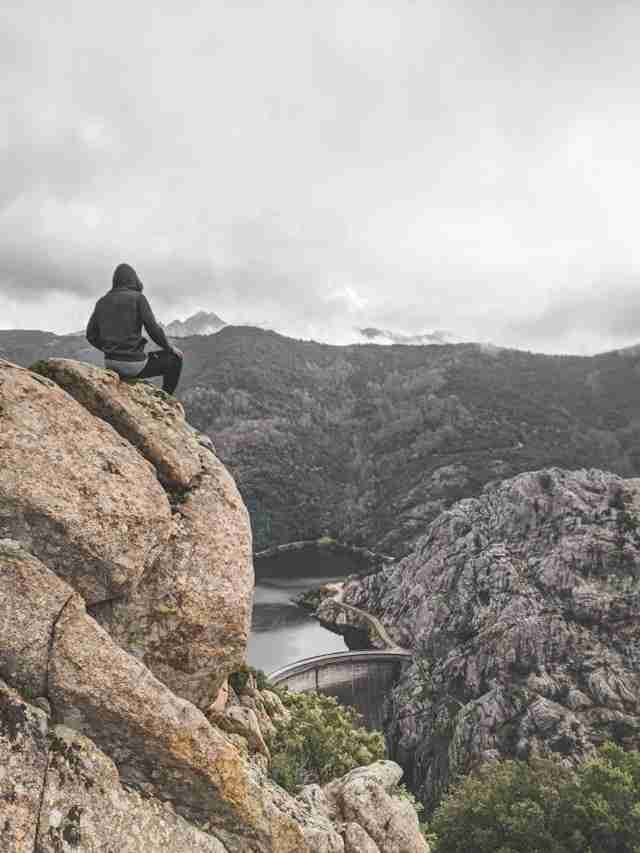
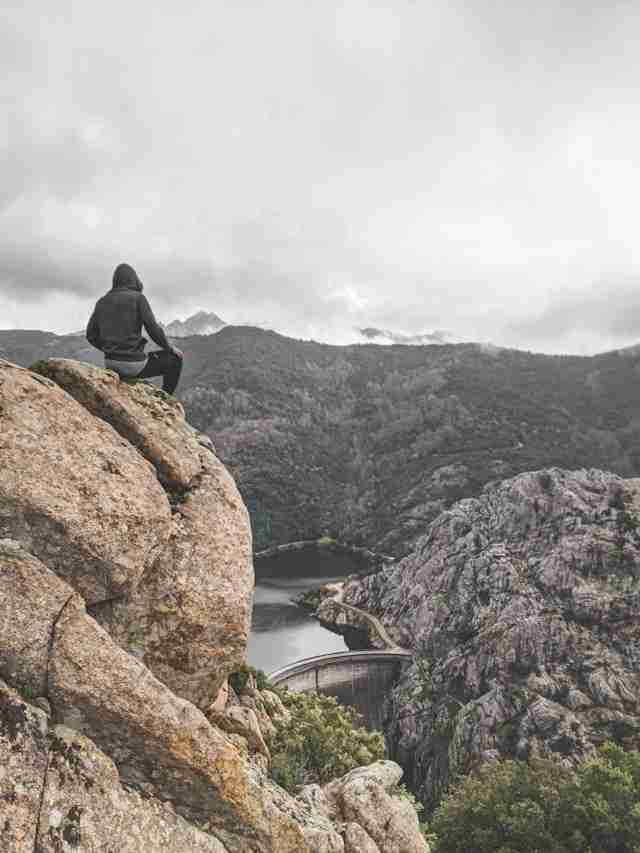
Set high in the rugged heart of Corsica, the area around Tolla offers a blend of natural drama and man-made structure that's ideal for photographers who enjoy landscapes shaped by water, rock, and movement. From the narrow cliffs of the Via Ferrata de Tolla to the mirrored surface of Lac de Tolla and the imposing curve of the Barrage de Tolla, this region presents varied subjects within a short distance of each other. What makes it particularly rewarding is the way light plays across stone and water from sunrise through late afternoon. The entire area sits within the forested slopes of the Prunelli Valley, where tight turns, shifting elevation, and dense vegetation create natural vignettes at every step.
The Via Ferrata route provides dramatic vertical views. Lac de Tolla is a peaceful mountain lake that reflects surrounding hills and tree lines in calm conditions. The Barrage de Tolla introduces clean lines and repetition through its sweeping concrete arc, contrasting sharply with the organic landscape around it. These three locations work together visually, making the Tolla area a perfect destination for photographers seeking to combine dynamic human activity, reflective natural beauty, and strong architectural form in a single outing.
Best Photography Opportunities
• Via Ferrata de Tolla Cliffs and Climbers
The Via Ferrata course runs along a rocky outcrop above the Prunelli River, offering bold vertical shots, dramatic leading lines, and the chance to photograph climbers silhouetted against open sky or sweeping valley views. Shooting from the base of the route or along nearby trails gives you enough distance to frame subjects on the rock face while still capturing the depth of the landscape behind them. Early morning is best for soft side light that pulls texture out of the granite, and a medium telephoto lens will help compress space and focus attention on the relationship between climbers and terrain. If you're traveling with someone completing the route, action shots from above or below can add energy and scale to your series.
• Lac de Tolla Reflections and Tree Lines
This mountain reservoir sits quietly below the village of Tolla, surrounded by forested slopes that rise steeply on all sides. In calm conditions, especially early in the morning, the water acts like a mirror, reflecting trees, sky, and surrounding cliffs. Use a wide lens to take in the curve of the shoreline or a longer focal length to isolate reflections and abstract shapes where the water meets the land. In autumn, the trees offer subtle color changes that add variety without overwhelming the composition. When clouds gather in the afternoon, the surface of the lake becomes a smooth, neutral background that enhances contrast with boats, birds, or passing kayakers.
• Barrage de Tolla Structural Curves
The dam itself is a sweeping concrete structure that arcs across the narrow end of the lake. Its clean curve, repetitive lines, and sheer drop create strong visual impact, especially when framed from above or from side angles that show the scale of the structure relative to the surrounding terrain. Try shooting from the walkway above the dam, using the railing or pipes as foreground elements that guide the eye across the frame. At sunset, the light slides across the surface of the dam and catches the edge of the spillway, adding depth and warmth to a cool-toned subject. Black-and-white conversions work well here, especially on overcast days when contrast becomes your strongest tool.
• Viewpoints from Tolla Village
From the village of Tolla itself, you can shoot downhill toward the lake and dam, especially from the small roads that loop above the town. These spots provide broad views that take in the full arc of the lake, the scale of the dam, and the narrowness of the valley. Early morning and late afternoon are best, when the low sun moves across the slopes and picks out patterns of tree cover, ridgelines, and shadows in the water. Use a polarizer to manage glare and deepen colors, or shoot in soft light for more subtle, painterly tones. A telephoto lens lets you flatten the scene and pull distant shapes closer together for a more graphic result.
• Forest Trails and Canyon Edges
Surrounding the Via Ferrata are a number of hiking paths that move through pine and chestnut forest, with occasional breaks that reveal canyons, waterfalls, and narrow valleys. These trails are perfect for handheld shooting with fast primes or zooms. Look for moments when sunlight passes through branches and hits the path, creating contrast between lit areas and shadow. In spring and autumn, the light is especially soft, and the air is clear enough to capture layers of hills in the background. Small water features along the trail can be used for long exposures to add movement and texture.
Best Time to Visit
For photography, the best time to visit Tolla is from late April through early June, and again from late September into early November. In spring, new growth brings color to the forest, and the lake is usually full from winter runoff, offering better reflection and stronger visual clarity along the waterline. Morning light during this time is clean and directional, especially for photographing the dam and climbers on the Via Ferrata route. As the sun rises behind the eastern ridges, it casts long shadows that help define the landscape.
In summer, the area becomes busier, especially around the lake, which serves as a recreation spot for locals and visitors. Midday sun can create flat, harsh lighting, especially on the pale stone and concrete of the dam, so early morning and late afternoon are the best shooting windows. The lake is still photogenic during calm weather, but reflections may be harder to capture during peak activity.
Autumn is especially beautiful in this part of Corsica. The forest changes slowly, with yellows and warm greens covering the slopes. Early fog sometimes gathers in the lower valley, giving your morning sessions added depth and softness. Sunset light during these months is lower and warmer, bringing out the natural texture of both the cliffs and the man-made structures.
Winter offers dramatic skies and quiet surroundings, but the Via Ferrata may be closed for safety. Snow is rare but possible at higher elevations, adding contrast and mood to shots taken from the upper village roads or forest paths. Light changes quickly during the winter months, so plan shorter, focused sessions around key locations.
How to Get There
Tolla is located in central Corsica, about a 45-minute drive northeast of Ajaccio. From Ajaccio, follow the D27 through Ocana, then continue along the narrow but scenic D3 into the Prunelli Valley. The drive is winding but paved, with several spots to pull over and shoot the landscape. The village of Tolla sits above the lake, and signs direct you toward both the Barrage and the Via Ferrata access points.
There is no entrance fee for photographing the lake or dam. Public access areas around the Barrage de Tolla include viewing platforms and walking paths. The Via Ferrata de Tolla requires booking through a local guide service or outdoor center, and proper climbing equipment is mandatory. Photographers who do not plan to climb can still reach several trail viewpoints nearby for shooting the cliffs and participants from a safe distance.
Parking is available near the lake and the entrance to the Via Ferrata, with designated lots in Tolla village and small pull-outs near key trailheads. Facilities in the area include restrooms, a small café in the village, and occasional food trucks near the lake during the warmer months. Cell signal is limited in parts of the valley, so offline maps or printed directions are useful if you're scouting more remote compositions.
Recommended Photography Gear
To get the most out of a visit to Tolla, pack gear that covers a wide focal range and is comfortable to carry on narrow paths or uneven ground. A wide-angle zoom such as 16–35mm is essential for landscapes, dam shots, and lake reflections. For cliff compositions or shooting climbers on the Via Ferrata, a 70–200mm lens allows you to compress the scene and capture subjects in motion from a safe distance. A fast prime such as a 35mm f/1.8 is a good option for low-light work in the forest or near the village, especially if you prefer shooting handheld.
A tripod is useful for long exposures of water and low-light scenes, particularly around the lake or forest paths. Consider a lightweight model with flexible legs if you plan to carry it into tighter trails. Bring a circular polarizer to manage reflections on the lake and enhance skies, and pack a neutral density filter if you want to create motion blur in water features or clouds.
Footing can be uneven, especially near the dam or Via Ferrata cliffs, so wear hiking shoes with good grip and carry your gear in a pack that distributes weight evenly. A lens cloth is useful for clearing mist or spray near water, and a weather cover is a smart backup if you're shooting during changeable mountain conditions. Extra batteries and cards are always recommended, as remote areas offer no easy options for backup.
Nearby Photography Locations
, located about an hour northeast, is one of Corsica's most peaceful wooded areas. It offers waterfalls, moss-covered trees, and narrow trails with filtered light—perfect for nature studies and moody woodland shots, especially in soft light or mist.
, a high mountain pass nearby, provides sweeping views over Corsica's central peaks. The winding road and exposed rock make for strong compositions at sunset and sunrise. Look for cloud inversion effects in the early morning.
, located to the southwest, offers coastal street scenes, marina views, and warm afternoon light across tiled rooftops and narrow alleys. This urban environment contrasts nicely with the mountain quiet of Tolla and can round out your Corsica series.
, further to the northeast, features dramatic river gorges, granite pools, and switchback trails that provide excellent opportunities for long exposure photography, especially in spring when water levels are high.
, in southern Corsica, is another man-made lake with reflective surfaces and surrounding pine forest. It provides a peaceful setting for early morning photography and works well as a secondary stop for those exploring Corsica's inland waterscapes.
The area around Tolla brings together natural beauty, human-made structure, and quiet movement in a setting that's both remote and accessible. Whether you're chasing light across a dam, framing a climber against open sky, or waiting for the lake to still under morning clouds, this corner of Corsica offers the kind of variety and visual depth that makes a photographic journey truly worthwhile.
Comments
Loading comments…