
![Stone and Flow at the Alte Lahnbrücke in Limburg Spanning the slow-moving waters of the Lahn River, the Alte Lahnbrücke […]](https://storage.googleapis.com/pixeo-blog.firebasestorage.app/article-images/wp-import/featured-134129.jpg)
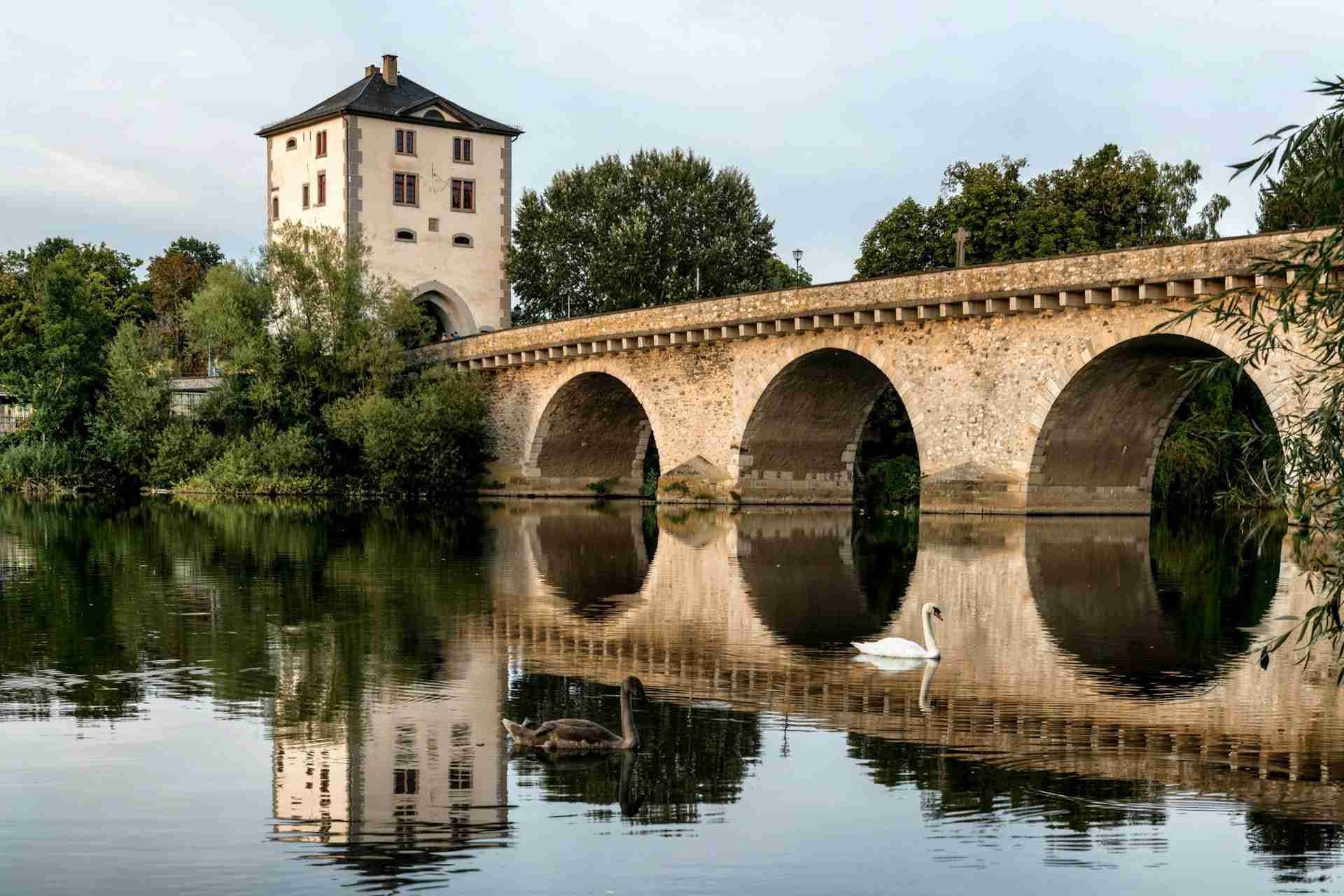
Spanning the slow-moving waters of the Lahn River, the Alte Lahnbrücke in Limburg is a centuries-old stone arch bridge that continues to shape the city's visual identity. Built in the early 14th century, its weathered masonry, moss-lined parapets, and perfectly curved arches offer photographers an enduring subject of rhythm, contrast, and historic weight. The bridge links the medieval Altstadt with the southern part of the city, all beneath the towering presence of Limburg Cathedral rising on the hill above. The combination of water, reflection, and layered architecture makes this one of the most photogenic river crossings in Germany. Whether you are drawn to structured compositions or patient long exposures, the Alte Lahnbrücke offers a scene that rewards thoughtful timing and strong framing.
Best Photography Opportunities
• Bridge Reflections from the Riverbank
From either bank of the Lahn River, the Alte Lahnbrücke offers clean lines and rhythmic arches that are ideal for symmetry-driven compositions. On calm days, the bridge reflects clearly in the water, doubling the visual impact and creating strong horizontal balance. Use a tripod and medium focal length to avoid distortion while maintaining depth across the arches. Morning light from the east gently illuminates the stonework, while golden hour adds warmth and contrast to the bridge's surface. Overcast conditions work surprisingly well here, especially if you aim for moodier, more tonal black and white conversions.
• Framing Limburg Cathedral Above the Bridge
One of the most iconic views in Limburg is the sight of Limburg Cathedral perched on the hill directly behind the bridge. Shooting from the southeast riverbank lets you compose the bridge in the foreground and the cathedral rising dramatically behind it. Use a wide-angle lens to include the full arch line and the cathedral's intricate silhouette. This shot works well during early morning blue hour or late golden hour when the light warms the stone and adds dimension to both architectural subjects. A polarizer can help manage reflections and deepen the sky, especially on clear days.
• Long Exposures from the Lower Path
There is a lower pedestrian trail along the river that provides a unique vantage point beneath and beside the bridge's arches. This is a great location for long exposure work. By smoothing the water and softening cloud movement, you can create clean, painterly scenes that contrast with the sharp stonework. Use a 6-stop or 10-stop ND filter to control shutter speed and wait for passing birds or boats to add subtle movement. The sound of water and lack of foot traffic in this area also make it a quiet space for patient composition and fine-tuning.
• Street-Level Perspective on the Bridge
Walking across the bridge itself offers opportunities for tighter, textural compositions. The worn cobblestones, old lamp posts, and low stone walls create natural leading lines. Using a 35mm or 50mm lens, you can shoot toward the cathedral or isolate details like the old street lamps or people walking along the bridge. Early morning is best for this perspective, before traffic increases. In foggy conditions, this view becomes more graphic, with silhouettes forming against the mist and stronger contrast along the lines of the bridge.
• Black and White Architectural Studies
The repeating arches, rough textures, and high-contrast light of the Alte Lahnbrücke make it a prime subject for black and white photography. Shooting in monochrome allows you to focus on the structure's shape and age without the distraction of color. Look for strong light and shadow interplay, particularly on clear afternoons when sunlight hits the bridge at a low angle. Converting in post with a focus on midtones and edge contrast helps draw out the stone's rough character and historic feel.
Best Time to Visit
The Alte Lahnbrücke can be photographed year-round, but the surrounding environment shifts with the seasons and changes how the bridge interacts with light and landscape. Spring brings new foliage along the riverbanks and softer reflections. Morning light during this season is clean and diffused, making it easier to balance exposure across both the bridge and cathedral.
Summer offers the most dramatic light, especially in the late afternoon when the sun drops behind the western skyline and casts long shadows across the arches. However, this is also peak tourist season. Weekday mornings and golden hour sessions offer the best light with fewer distractions. Summer storms can also roll in from the west, adding fast-changing cloud drama behind the cathedral that works well for wide-angle compositions.
Autumn transforms the riverside trees into warm yellows and oranges, adding strong color contrast against the gray stone of the bridge. Reflections in the Lahn are particularly rich at this time, especially during calm, windless mornings. If you are working with color, autumn is one of the most expressive times to shoot this location.
Winter often reduces the scene to its structure. Trees drop their leaves and overcast skies are common, creating a cleaner palette for minimalist compositions. If snow or frost arrives, the bridge becomes a strong contrast against white riverbanks and pale skies. Low sun angles in winter help extend golden hour conditions, giving more time to work with gentle light and long shadows.
Fog can roll through at any time of year, especially in spring and autumn, and adds another layer of interest. When this happens, both the bridge and cathedral appear as silhouettes, ideal for black and white or soft color toning.
How to Get There
Limburg an der Lahn is located in western Hesse and is easily accessible by both car and train. The town lies roughly halfway between Cologne and Frankfurt. For those traveling by train, the Limburg (Lahn) regional station is a ten-minute walk from the Alte Lahnbrücke, while Limburg Süd (the ICE station) is slightly farther and better reached by local transit or taxi.
If arriving by car, parking is available on both sides of the river. Look for public lots near the Altstadt, particularly the "Parkplatz Altstadt Süd" or along Ste.-Foy-Straße. From there, the bridge is clearly signposted and within easy walking distance. The bridge itself is open to vehicles and pedestrians, though photography is best done from the riverbanks or pedestrian paths to the side.
There are no fees or permits required to photograph the bridge or surrounding area. Public access is available year-round. The river paths and lower trails can be muddy or slippery after rain, so wear appropriate footwear if you plan to shoot from ground level near the water. Tripod use is generally not a problem, though be mindful of cyclists and walkers when setting up on narrower sections of path.
Recommended Photography Gear
To photograph the Alte Lahnbrücke with flexibility and precision, you will want to pack a well-balanced kit that handles both structure and light variation. A full-frame camera body with good dynamic range will help you maintain detail in both shadows under the bridge and highlights on water or cathedral facades. A 24 to 70mm lens covers most of the scene, whether you are working from the riverbanks or walking across the bridge itself.
A wide-angle lens in the 16 to 35mm range is helpful when shooting from tight spots near the water, allowing you to fit the full arch structure into the frame. For cathedral and bridge layering, a 70 to 200mm or similar telephoto lets you compress distance and isolate subjects against background elements like river trees or dramatic skies.
A solid tripod is important for long exposures and low-light sessions, especially when working with reflections. Use a tripod with adjustable leg angles to manage uneven ground near the river. Neutral density filters are essential if you want to smooth water or extend shutter speeds during the day. A polarizing filter helps reduce glare and enhance color, especially on the water's surface.
Pack a lens cloth or microfiber towel for keeping your gear dry if mist or rain moves in. A remote shutter release or interval timer adds precision to long exposure work. Extra batteries are helpful in cold weather, and a weather-sealed backpack keeps gear safe along the trail. Lightweight waterproof footwear is useful if you plan to explore lower riverbank areas for alternate perspectives.
Nearby Photography Locations
• Limburg Cathedral (Dom zu Limburg)
Just above the bridge on the northern hilltop, Limburg Cathedral is a striking example of late Romanesque architecture with vibrant color and rhythm. From close up, you can photograph intricate stonework and arches. From a distance, it frames perfectly above the bridge, especially at sunrise or with fog in the valley.
• Limburg Altstadt (Old Town)
The half-timbered houses and cobbled alleys of Limburg's Altstadt are excellent for street and architectural photography. Many buildings lean slightly from age, offering interesting lines and historic texture. Look for details such as signage, windows, and archways during soft light hours for the best results.
• Lahn River Path (Lahnuferweg)
Stretching along both banks, this walking path provides ever-changing views of the bridge, cathedral, and riverscape. It is ideal for long exposures, foggy morning photography, and wide landscape scenes. Sections of the trail are tree-lined, making them particularly good in autumn.
• Schaumburg Castle Ruins
About 25 minutes by car from Limburg, this small hilltop ruin offers expansive views over the Lahn Valley and makes a great sunset or panorama location. The old walls and exposed brickwork contrast well with surrounding forest and river curves.
A short drive upriver, this quieter section of the Lahn offers rural landscape photography, vineyard views, and the dramatic setting of the abbey above the river. Great for golden hour or pastoral scenes with layered depth.
The Alte Lahnbrücke is more than a historical crossing. It is a structure of rhythm, reflection, and patient geometry, sitting quietly beneath the spires of Limburg and the slow current of the Lahn. With careful timing and a sharp eye, this bridge becomes not just a subject but a compositional anchor for everything the city has to offer.
Comments
Loading comments…