
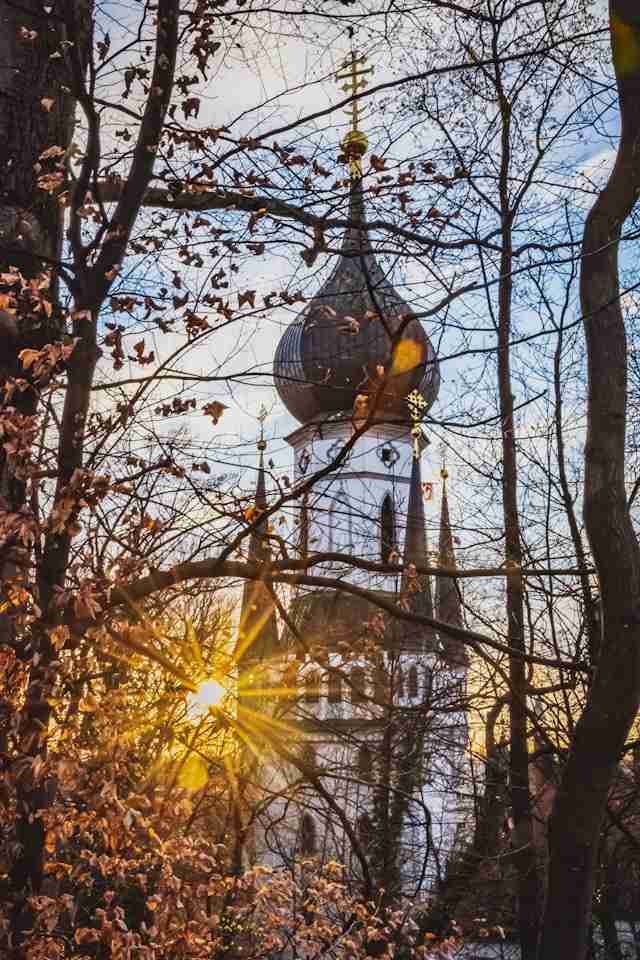
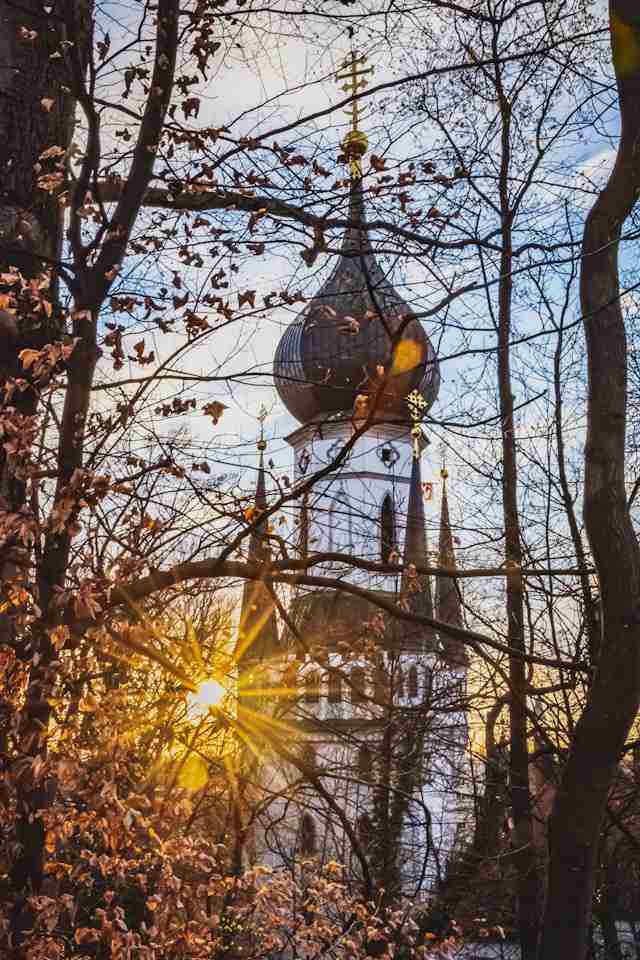
Tucked into a quiet corner of Munich's Altstadt, the Archiconvent der Templer is a site of surprising photographic depth. Once the urban residence of the Knights Templar, this architectural compound blends solemn religious geometry with subtle Gothic and Baroque influences. Unlike Munich's grander cathedrals or plazas, the Archiconvent offers an understated space that excels in details: aged stonework, weathered wooden doors, patterned window grilles, and inner courtyards where light and shadow play off centuries-old surfaces. Photographers drawn to architectural rhythm, intimate framing, and quiet storytelling will find this location especially rewarding during soft light conditions or when the interior spaces open for access. The setting is best approached with patience and an eye for composition that values shape, repetition, and texture.
Best Photography Opportunities
• Architectural Symmetry and Stone Detail
The Archiconvent's façades are restrained but elegant, offering repeating window patterns, archways, and textured limestone walls. Shoot during morning or late afternoon when directional light adds dimensionality to the stonework. A tilt-shift lens or careful correction in post-production helps maintain vertical accuracy if working with tighter architectural crops. A 24 to 70mm lens gives enough flexibility to frame full elevations or abstract in on weathered masonry. Overcast skies help soften shadow transitions and are ideal for bringing out subtle wall textures and aging details.
• Courtyard Light and Interior Framing
When accessible, the convent's small interior courtyards provide excellent opportunities to explore light falloff and layered compositions. Morning sun tends to filter in from above the walls, casting angled shadows and highlighting column bases and wrought iron details. Frame through archways or over stone railings to create depth. A 35mm prime or moderate zoom allows you to work in tight quarters without introducing distortion. Bring a fast lens, as light levels can drop quickly away from the courtyard center.
• Doors, Gates, and Religious Motifs
Scattered across the exterior are finely crafted doors and gatework that hold photographic value in their own right. From aged wood with visible grain and patina to forged iron hinges and handles, these surfaces respond well to side lighting and close-up detail work. A macro or mid-telephoto lens (85mm or longer) can help isolate textures and worn surfaces. Focus stacking can also be used when photographing intricate carvings or recessed religious symbols that require a broader depth of field.
• Black and White Studies of Form and Contrast
The stone architecture and subdued light make the Archiconvent an excellent candidate for monochrome photography. Focus on the geometry of arches, stairwells, and inner walls where the contrast between light and dark defines structure. Overcast days enhance tonal range, allowing shadows to fall smoothly. Use a tripod to slow your process and refine compositions, particularly when working with slower shutter speeds in the shade. The lack of bright color lets shape and contrast take priority in the frame.
• Seasonal Changes and Subtle Color
Though not a garden location, seasonal variation is visible in the creeping ivy, window plantings, and shifts in ambient light color. Autumn introduces warmer stone tones and the occasional leaf drift in inner corners. Winter provides stark contrast and the possibility of frost or snow catching on architectural edges. A standard zoom lens will allow you to respond quickly to changing conditions. These quieter visual cues can add context and texture without overpowering the structure itself.
Best Time to Visit
The Archiconvent is best photographed in the early morning or late afternoon, when light angles across its facades and courtyards. Morning light is especially good for catching the eastern walls in soft tones while the streets are still empty. During peak daylight, the surrounding buildings can create harsh contrast or deep shadows that are harder to manage.
Overcast conditions work well if you are focused on texture and surface detail, especially for monochrome or macro studies. These skies reduce dynamic range demands and help preserve the fine tonal transitions on older stonework. Rainy conditions also enhance saturation and add sheen to the walls and paving stones, but be prepared for slippery surfaces and reduced access.
The location is quietest outside of tourist peak hours, particularly early in the day or midweek. Spring and autumn are ideal for color variation, and cooler months offer better visibility for architectural lines when vines or greenery recede. Winter visits can be especially striking if snow outlines the relief elements of the walls, though access may be more limited.
How to Get There
The Archiconvent der Templer is located in Munich's Old Town (Altstadt), just a short walk from Marienplatz. From the city center, it is easiest to reach the site on foot via the narrow side streets branching off Sendlinger Straße or Hackenstraße. Munich's extensive public transport system also makes it easily accessible by U-Bahn or S-Bahn, with the closest stop being Marienplatz Station.
There is no formal entrance fee, and the exterior can be photographed from public walkways at any time. Interior access to the courtyard or chapel space may vary depending on time of day and religious functions, so it is worth checking the posted schedule or contacting local caretakers in advance. Photography is permitted from outside, but be respectful when working near entrances or religious signage.
Tripods are best used early in the morning or late in the day to avoid obstructing foot traffic. The area around the convent is cobbled and uneven in places, so sturdy footwear helps when setting up low-angle shots or exploring side alleys for alternate viewpoints.
Recommended Photography Gear
Photographing the Archiconvent requires a compact, responsive setup that excels in low to moderate light and emphasizes detail over range. A full-frame or APS-C mirrorless camera is ideal for its dynamic range and low-light performance. Pair it with a 24 to 70mm zoom lens for general coverage of façades, doors, and architectural angles. For tighter detail work or framing through gates and arches, a 70 to 200mm lens offers valuable compression and subject isolation.
A 35mm or 50mm fast prime lens is especially useful for interior courtyards or dim corridors, where hand-held shooting at wider apertures helps maintain sharpness without raising ISO too far. For texture and small relief work, consider a dedicated macro lens or extension tubes to enhance close focus capabilities.
A sturdy but lightweight tripod improves sharpness and stability when working in shaded areas or composing long exposures in low light. Bring a remote trigger or use the camera's timer mode for precise alignment. Filters are largely unnecessary here, but a circular polarizer may help control glare on metal surfaces or windows.
Additional items include a lens cloth, as older masonry may create dust in breezy conditions, and a small LED panel if you want to bring out shadow detail in door recesses without overexposing the scene. A notebook or voice recorder can be helpful for logging locations and times when returning for specific light.
Nearby Photography Locations
Just around the corner from the Archiconvent, this small but opulent Baroque church is a masterpiece of interior ornamentation. Photograph it early to avoid crowds, and bring a fast wide-angle lens for working in low light with limited space.
This bustling outdoor market offers lively street photography opportunities and dynamic color. Visit in the morning when vendors are setting up for cleaner compositions and diffused light. It's a strong contrast to the stillness of the Archiconvent.
This historic city gate offers bold medieval architecture and strong geometry, especially in raking side light. It's especially striking when framed with passing trams or cyclists for motion contrast.
Climb the tower for one of the best panoramic views of Munich's rooftops and church spires. This perspective is particularly effective at golden hour or during clear winter days with high visibility toward the Alps.
Located in Marienplatz, this grand neo-Gothic building offers intricate façade details and strong vertical compositions. Its spires and balconies are ideal for both wide shots and tighter architectural studies with a telephoto lens.
The Archiconvent der Templer may not be the loudest or most photographed site in Munich, but its quiet architectural rhythm, historical presence, and subdued palette make it a rewarding stop for photographers seeking something quieter and more deliberate. With the right light and attention to detail, even its smallest corners can become the center of the frame.
Comments
Loading comments…