
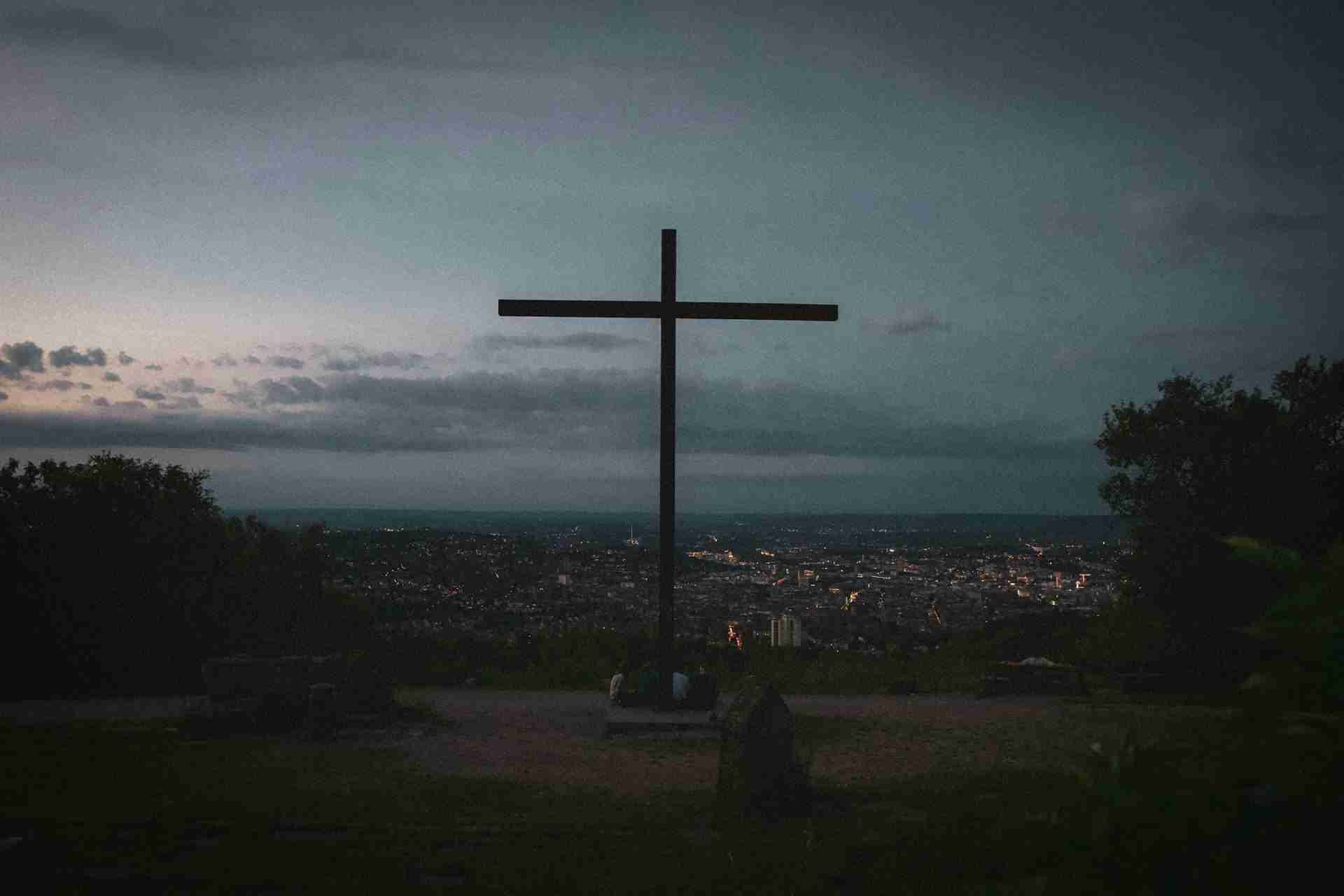
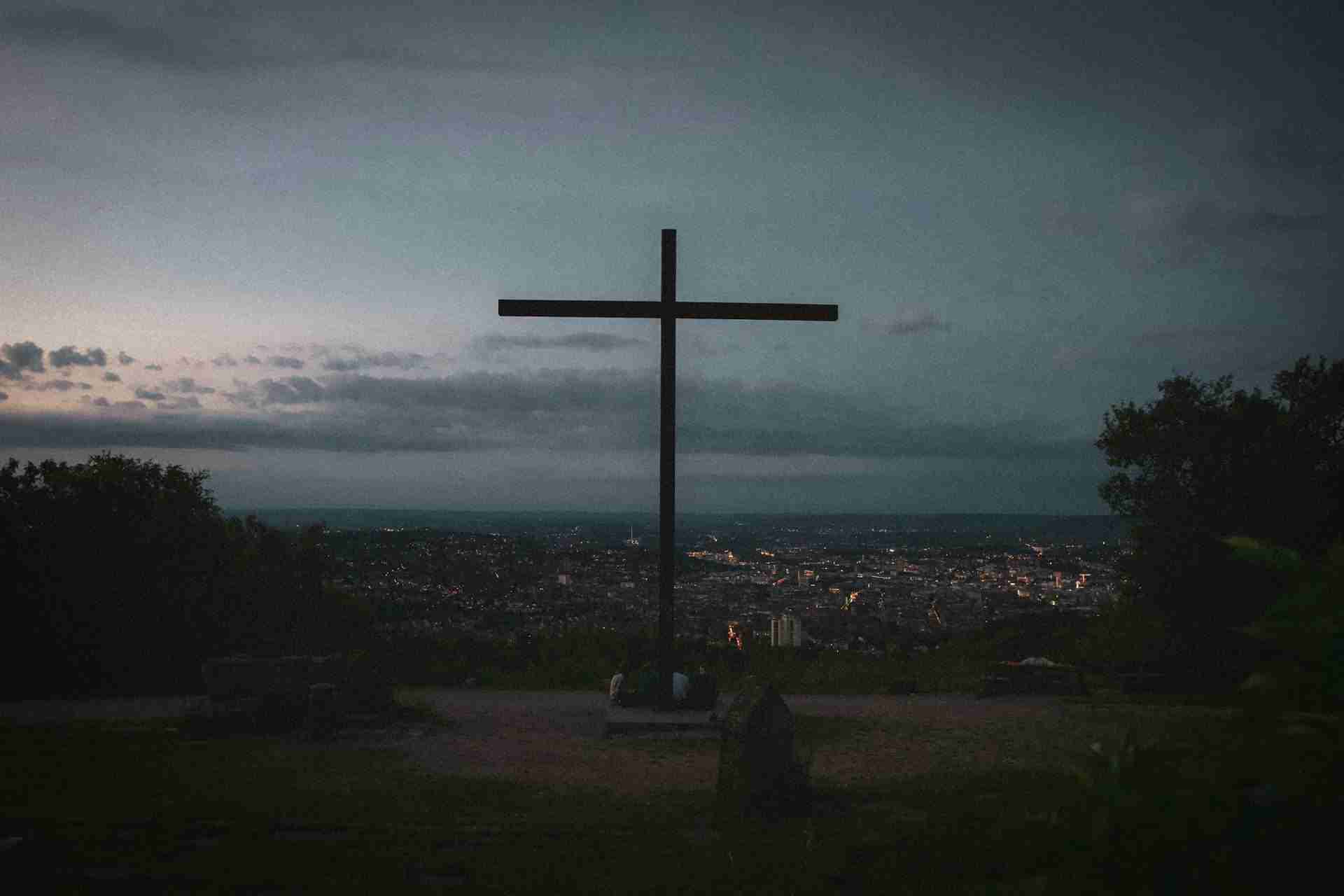
Birkenkopf, known locally as "Monte Scherbelino," is a hill on the western edge of Stuttgart built from the rubble of the city's World War II destruction. Between 1953 and 1957, more than 15 million cubic meters of debris were brought here, raising the hill to nearly 511 meters above sea level. What was once a modest natural rise is now Stuttgart's highest point, topped with fractured building stones and carved remnants of destroyed facades. A cross stands at the summit, and from this vantage point, you get one of the most complete panoramic views of the Stuttgart basin and surrounding hills. The site is quiet and reflective, offering a rare combination of landscape photography, urban skyline work, and documentary storytelling through the remains of war.
Best Photography Opportunities
• Panoramic Views of Stuttgart
From the summit, the view stretches across the entire city bowl with the Neckar Valley, Swabian hills, and modern skyline all visible from a single point. A wide lens helps take in the sweep of the landscape, while a telephoto lets you layer distant buildings and pull out specific architectural elements. Sunrise and sunset give you the best light, with golden tones reaching across the hills and subtle backlight forming over the rooftops. On clear days, the horizon feels endless, while overcast or foggy conditions compress the scene and add a sense of isolation that changes the mood entirely.
• Rubble and Architectural Fragments
The broken stone at the summit is more than debris; it includes collapsed columns, partial carvings, and pieces of Stuttgart's once grand buildings. These materials create strong foregrounds for wide shots or can be isolated as their own subjects. Use a short telephoto or standard prime to work with shallow depth of field or tight textures. These stones carry historic weight, and working with them invites a more documentary or interpretive approach. Look for inscriptions or decorative detail that survived the blast and burn of war. Morning side light is ideal for casting definition across the rough surfaces.
• Cross and Memorial Framing
The summit cross marks Birkenkopf as both a city lookout and a place of memory. It provides a vertical anchor for composition, especially when shooting with the city in the background. You can frame it in silhouette during sunrise or use it as a subject against stormy skies for more dramatic atmosphere. Because the space is open, it's easy to isolate the cross or include it in layered compositions with people, rubble, or distant hills. Blue hour shots with the last ambient glow can work well here if conditions are calm and skies stay open.
• People and Scale in the Landscape
Birkenkopf is popular with locals, but rarely crowded. Including people in your shots helps convey the scale of the rubble pile and the quiet tone of the location. A wide lens works best when positioning figures against the sky or city below. You can also shoot from the perimeter trails to catch hikers approaching the summit or pausing at the edge of the overlook. This is a good way to shift from landscape only shooting to more narrative frames that capture use and memory in the space.
• Seasonal Changes
Because of its elevation and openness, Birkenkopf reflects the seasonal changes around Stuttgart more strongly than some of the lower city parks. In spring and summer, the surrounding trees fill in and soften the perimeter. Autumn brings color into the lower trails, while winter can leave the summit stark and bare. Each season brings a slightly different light quality; warm and hazy in July, crisp and direct in October, or diffused and moody in February. These changes keep the site photographically fresh across the year.
Best Time to Visit
Birkenkopf is open year round and can be photographed effectively in all seasons. Early morning is the best time if you want solitude, especially during the week. The summit is east facing, so sunrise brings warm, directional light over the city and creates excellent conditions for wide shots or long shadows across the rubble. Late afternoon and early evening can also work, though you'll be backlit from most angles unless you shoot with the sun behind the hill.
Autumn and winter tend to bring clearer skies and stronger contrast, while spring offers greener surroundings and more active wildlife along the trails. Rainy or foggy mornings are good for moody compositions, especially if the city is hidden and the rubble becomes the focus. The light up here shifts quickly, so you can often get a full range of conditions in one visit.
How to Get There
Birkenkopf is located on the western edge of Stuttgart, just above the districts of Kräherwald and Rotebühl. The easiest way to reach it is by public transport to the western part of the city, followed by a short uphill walk. You can also drive and park at one of the nearby parking lots along the road or use a local trailhead from Stuttgart West. A footpath leads from the base to the summit in about ten to fifteen minutes, depending on your pace. The trail is well maintained and not technically difficult. There are no fees, gates, or formal facilities on site, and the summit is accessible at all times.
Recommended Photography Gear
A wide angle lens is essential for capturing the scale of the landscape and city view from the summit. A 24 to 70 millimeter zoom or a standard prime is useful for working with rubble textures, human scale, and layered compositions. A longer telephoto in the 100 to 200 millimeter range allows you to compress distant buildings, pick out skyline features, or isolate detail in the debris.
A tripod is helpful for early morning or blue hour work, though it's not required for most compositions during the day. A polarizer can help control glare off the stone and deepen the sky on clear days. Weather can shift quickly on the hill, so pack a lens cloth and protection for your gear in light rain. Footwear with grip is useful, especially if you plan to explore side paths or shoot after a storm.
Nearby Photography Locations
Visible from Birkenkopf and accessible by transit, the Fernsehturm offers elevated views in every direction. Interior shooting is limited, but the observation deck gives you a different perspective on Stuttgart's landscape and city layout.
A short drive or transit ride from the city center, this park offers sculptural gardens, long sightlines, and a modern viewing tower that's great for framing urban shots. Best in spring and early summer when color is strongest.
Located west of Birkenkopf, this 18th century palace has sweeping architecture and long avenues that work well for symmetry and environmental portraits. Early morning light is best for soft shadows and clear detail on the building's surface.
• Feuersee and Johanneskirche
Back in central Stuttgart, this small urban lake and neo-Gothic church reflect beautifully in calm water. It's ideal for twilight, long exposures, and photographing architectural form against a quiet setting.
• Bopser Hill Overlook
Another elevated viewpoint, this one offers views toward the city's eastern neighborhoods. It's less developed than Birkenkopf but gives you a cleaner skyline profile in late afternoon or early evening light.
Birkenkopf offers an accessible city view with deep historical presence and visual storytelling built into the landscape itself. Whether you are working with quiet sunrise light, searching for texture in the broken stones, or just looking to frame the skyline in a different way, it's a site that asks you to look closely and shoot with care.
Comments
Loading comments…