
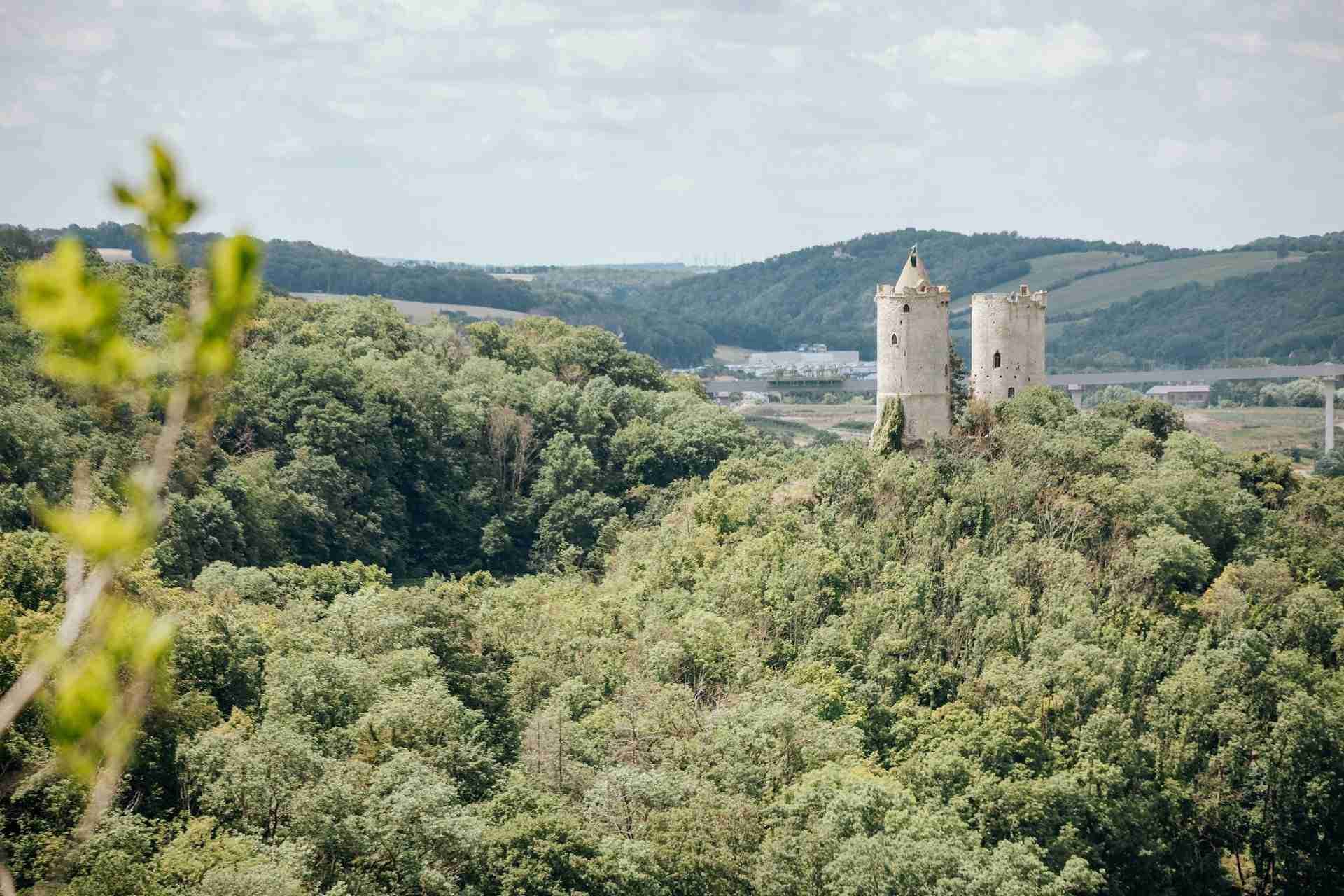
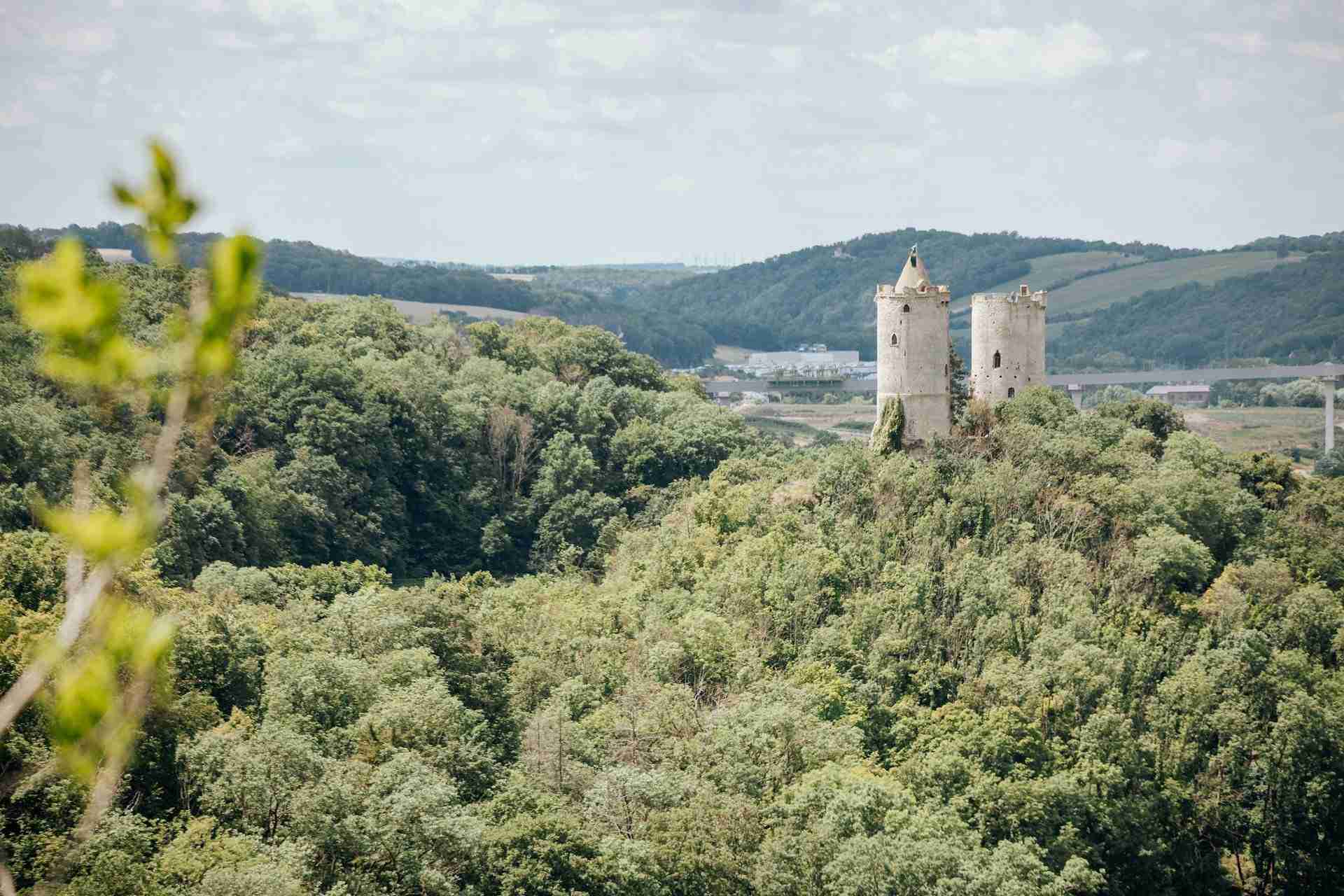
Rising above the Saale River valley in the Saxony-Anhalt region, Burg Saaleck is a quintessential hilltop ruin offering photographers a striking mix of historical stonework and sweeping natural views. Originally built in the 12th century as part of the regional defensive network, the castle stands in quiet contrast to its better-known neighbor, Rudelsburg, just across the valley. With its cylindrical towers and partially intact curtain walls, Burg Saaleck presents a rich interplay between architectural decay and the layered textures of the surrounding landscape. Whether shrouded in early morning mist or lit by the low sun of late afternoon, the castle exudes a stillness that invites careful, deliberate photography—especially for those with a love of history, composition, and shifting atmospheric light.
Best Photography Opportunities
• Golden Hour Silhouettes of the Towers
: The two round towers of Burg Saaleck are its most iconic features, and they photograph beautifully as bold silhouettes against the sky at sunset. From vantage points along the opposite ridge or down the valley trail, use a telephoto lens (70–200mm) to compress distance and emphasize the geometry of the towers as they cut into the sky. As the sun dips lower, warm light backlights the ridge, and the towers become abstract forms—ideal for minimalist compositions or black-and-white interpretations that highlight shape over texture.
• Interior Ruins and Texture Studies
: Within the castle walls, the rough-hewn stone, crumbled masonry, and ivy-clad niches provide a wealth of compositional options. A wide-angle lens (16–35mm) allows you to frame the curve of the towers from inside the courtyard or shoot through broken windows and archways that create natural framing devices. Pay attention to light falling across the uneven surfaces—especially in the morning when the eastern sun breaks through gaps in the walls. These scenes reward close-up work, as moss, rusted iron, and worn stone textures emerge under oblique light.
• Panoramic Views Over the Saale Valley
: From the outer wall or hillside paths, sweeping views open up across the Saale River and toward Rudelsburg. Use a standard zoom (24–70mm) to balance the foreground wall or battlements with the receding hills, vineyards, and river curves. Foggy mornings are especially atmospheric, with layers of mist hanging in the lowlands and catching the first light—perfect for creating depth with foreground silhouettes and long focal lengths. Consider stitching multiple frames for a panoramic that captures the full sweep of the valley and its historic context.
• Night Photography and Astrophotography
: On clear nights, the remote location and low ambient light make Burg Saaleck an excellent site for capturing stars above ancient architecture. Set up a tripod near the base of the main tower and aim upward for dramatic low-angle frames that incorporate constellations or the Milky Way. A fast wide-angle lens and long exposures (20–30 seconds at f/2.8 or wider) will highlight the castle's form in soft silhouette against the night sky. If visiting during a full moon, use it as a soft key light to illuminate stone textures and foreground detail.
• Drone Perspectives from the Hillside or Valley Floor
: While ground-based shots reveal the intimacy of the ruin, drone photography opens up the site's full setting—its elevated position, structural footprint, and orientation within the landscape. Fly at sunrise to capture the long shadows cast across the ridgeline and the soft morning mist curling around the tower bases. Use a wide but not distorted perspective (around 24–35mm equivalent) to preserve proportions and emphasize the contrast between the man-made structure and the organic folds of the valley.
Best Time to Visit
Burg Saaleck is most photogenic in spring and autumn, when atmospheric conditions are more dynamic and light angles enhance texture and color. In spring, fresh green foliage creeps along the walls and trees bloom in the valley below, adding life and contrast to the muted stone. Autumn brings warm tones and patchy mist that settles into the Saale valley, transforming early morning sessions into layered, moody compositions.
Summer offers the longest shooting hours and clear conditions, though midday sun can flatten detail on the stonework. Visit in early morning or late evening for optimal directional light. Winter can be stark but visually rewarding, with skeletal trees revealing more of the valley and potential snow highlighting architectural lines. However, access may be limited due to weather or reduced trail maintenance.
Sunrise and sunset offer the most compelling light. Early morning mist is common, especially in the cooler months, while golden-hour sun from the west casts dramatic side light across the valley and towers. Plan for a mid-to-late afternoon arrival to scout the best compositions and be in place as the light shifts.
How to Get There
Burg Saaleck is located near the village of Saaleck, just west of Naumburg in Saxony-Anhalt, Germany. From Naumburg, take the B87 west toward Bad Kösen and follow signage toward Saaleck village. From there, a footpath leads up the hill to the castle, with limited signage but well-trodden tracks. The trail takes approximately 15–20 minutes and involves a moderate incline through woodland.
Parking is available in the village, typically near the main street or along the lower trailhead. Access to the castle grounds is unrestricted during daylight hours, and there is no entrance fee. The ruins are partially fenced for safety, but the main structures are accessible, and drone flights are possible with appropriate consideration for airspace and privacy.
The path can become muddy or slippery in wet weather, so sturdy hiking shoes are recommended. Bring water and snacks, especially if visiting for extended shooting sessions, as there are no services or vendors on site. The best views require some exploration of the surrounding hillside trails—give yourself time to wander and find angles beyond the obvious.
Recommended Gear and Shooting Tips
Bring a wide-angle lens (16–35mm) for interior spaces and compositional variety around the towers, a standard zoom (24–70mm) for landscapes and detail shots, and a telephoto (70–200mm) for compressing valley views or isolating distant features. A drone adds value if you're aiming to show the full relationship between castle and landscape.
A lightweight tripod is useful for both low-light and long-exposure photography, particularly at dawn or dusk. Use a polarizer to enhance sky contrast or reduce haze in landscape shots. ND filters can help with long exposures of drifting clouds or twilight conditions.
Dress for the hillside terrain—layers, boots, and gloves in cooler months—and carry a microfiber cloth to manage lens fog or moisture during misty mornings. Scout potential compositions during the climb and plan your position according to where the light will fall during your shooting window.
Pay close attention to the edges of your frame when photographing ruins—tree limbs, crumbling stone, and horizon lines can all impact balance and symmetry. Shoot a mix of wide establishing shots, architectural details, and context-rich landscapes to tell the full visual story of the site.
Nearby Photography Locations
: Located just across the valley, Rudelsburg offers a more restored counterpart to Saaleck, with turrets, parapets, and scenic views over the Saale River. The view from its battlements back toward Burg Saaleck is especially strong at sunset.
• Naumburg Cathedral (Naumburger Dom)
: A UNESCO World Heritage Site, the cathedral is a masterpiece of Romanesque and Gothic architecture, with elaborate stone carvings, stained glass, and cloister walks perfect for detail work and moody interior photography.
• Bad Kösen and the Saale Riverbank
: This riverside spa town offers bridges, waterfront reflections, and heritage architecture along the river path. Early morning or late afternoon light brings out warm tones in both the water and the buildings.
• Kloster Pforta
: A historic monastery turned boarding school just east of Saaleck, known for its medieval gates, vine-covered walls, and quiet, shaded gardens—ideal for contemplative compositions and texture studies.
: This town south of Naumburg is famed for its vineyards and the photogenic architecture of its old town and production halls. Autumn is the best time to capture vineyard textures and golden light across the hills.
Burg Saaleck is a place where landscape and history converge—a solitary outpost perched between river and ridge, ruin and renewal. For the photographer, it offers more than views; it provides a quiet stage for shadow, shape, and sky to interact with one of Germany's most atmospheric hilltop castles.
Comments
Loading comments…