
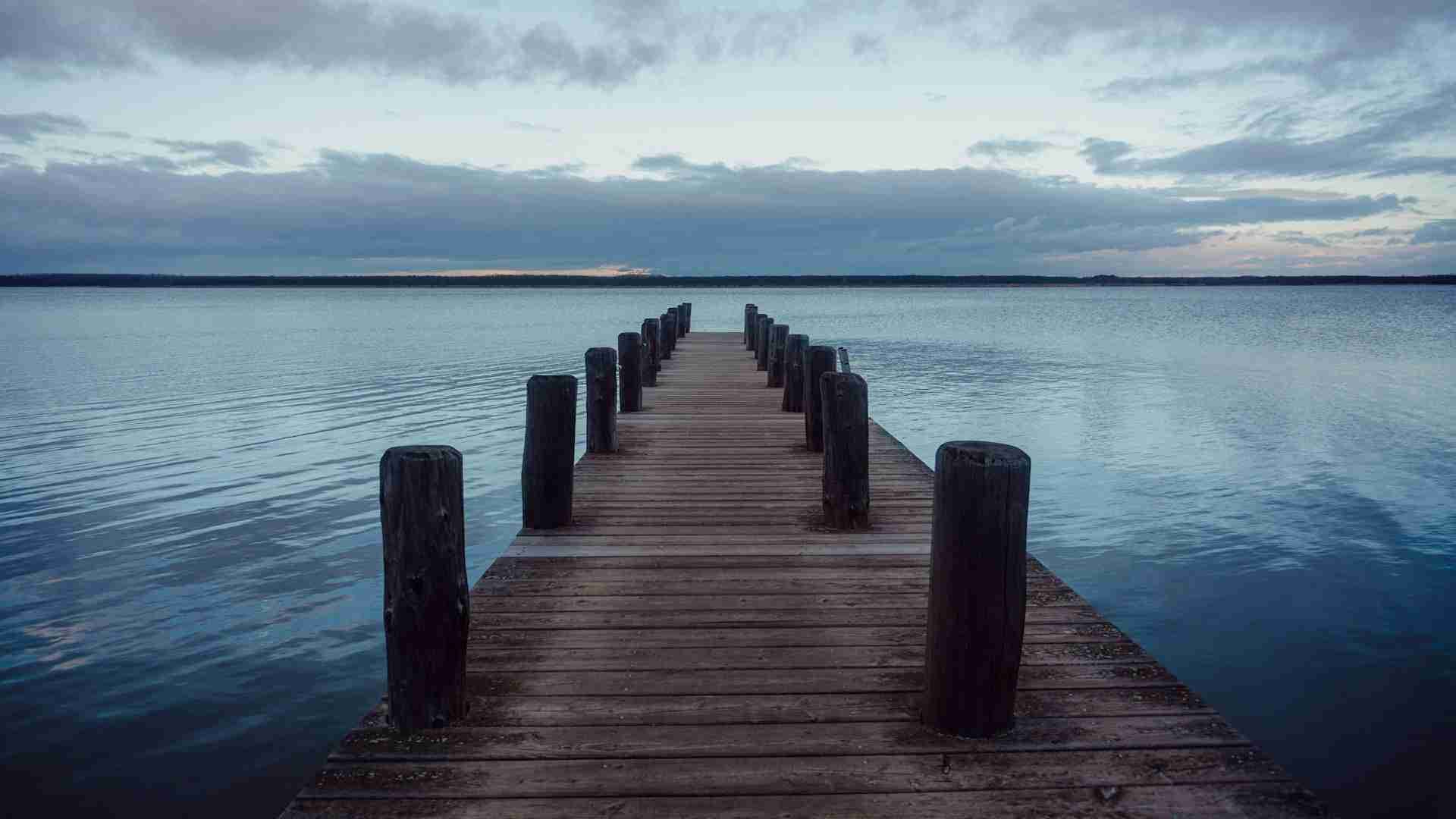
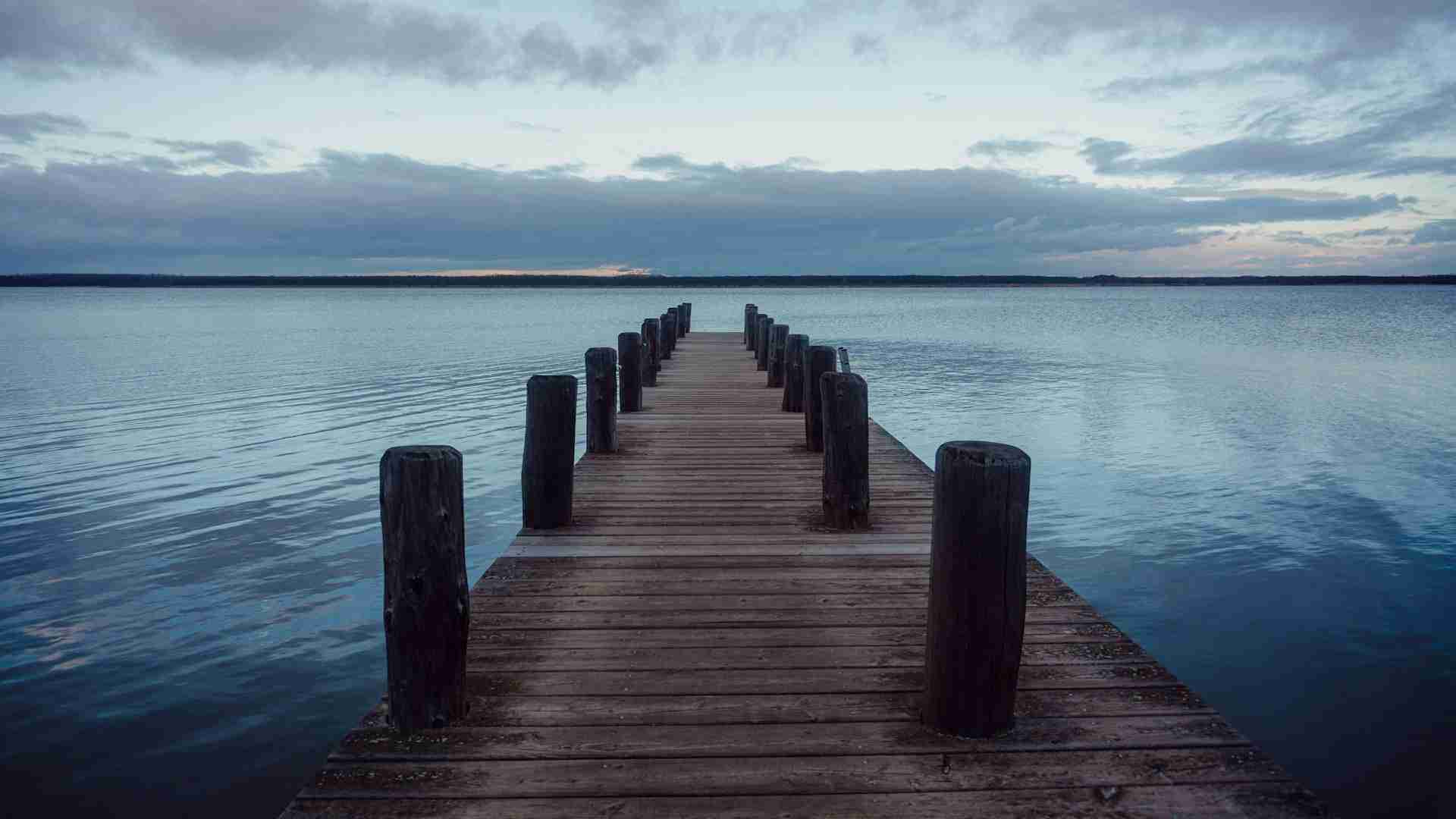
In the Leipzig district of Saxony-Anhalt, the tranquil Wallendorfer See and its distinctive wooden pier known as the Burgliebenauer Badesteg offer photographers a quiet yet rewarding place to work. This artificial lake, created from a former lignite mine, has become a haven for nature lovers, swimmers, and landscape photographers alike. The pier juts cleanly into the calm water, forming a visual anchor that leads the eye toward the horizon, especially at dawn or dusk. Surrounded by reed beds, distant trees, and expansive skies, the lake presents a minimalist environment shaped by the contrast of reclaimed land and natural regeneration. Its symmetry, stillness, and reflective quality make it especially suited for photographers who appreciate meditative compositions and subtle tonal changes.
Best Photography Opportunities
• Long Exposure Reflections at Sunrise
Sunrise over Wallendorfer See is one of the most visually consistent and peaceful times to photograph. The lake's surface often remains undisturbed during the early hours, allowing for perfect mirror-like reflections of the sky and pier. Set up facing east from the edge of the Badesteg to capture the boardwalk as a leading line into the frame. A tripod and neutral density filter will allow you to extend exposure times and soften any ripples in the water, turning the entire lake into a muted canvas of pastel light. The longer the shutter, the more abstract the reflection becomes, which can shift the mood from representational to nearly dreamlike.
• Symmetry and Minimalism from the Center of the Pier
Walking to the center of the Burgliebenauer Badesteg opens up one of the location's most effective compositions. Here, symmetry dominates, with the pier rails guiding the eye straight to the vanishing point. Shoot with a wide-angle lens directly down the middle to emphasize this effect, adjusting your height to control how much sky versus water appears in the frame. Overcast skies work surprisingly well here, allowing the soft greys to blend with the muted blue tones of the lake, making the line of the pier all the more prominent. When the water is perfectly calm, the reflection creates a near-symmetrical vertical axis that reads more like a graphic design than a landscape.
• Abstract Studies of Water and Wood Grain
For those who enjoy isolating textures and small visual moments, the pier's surface provides interesting opportunities. The weathered planks, streaked with water stains, create subtle patterns and lines that are ideal for abstract photography. Use a macro or short telephoto lens to focus on the contrast between the wood and its reflection, or capture droplets and shadows in early morning light. These small studies often serve as a counterpoint to the wide scenes and add emotional rhythm to a broader photographic series. Overcast conditions are preferable for this kind of work, as they eliminate distracting highlights and keep focus on texture and tone.
• Fog and Flat Light in the Off Season
In late autumn and early winter, Wallendorfer See often sees mist and fog drift in over the surface, particularly in the early morning. These conditions soften the landscape and simplify the composition, making it a perfect setting for minimalist work. Fog obscures the far shore and reduces visual noise, letting the pier become the primary subject. Using a longer lens, you can crop in on distant reed beds or floating birds that emerge quietly from the haze. These images benefit from careful exposure control to preserve highlight detail and maintain tonal subtlety across the frame.
• Golden Hour and Backlit Reeds Along the Shoreline
Just off the edge of the pier, natural reed beds line portions of the shoreline, especially toward the southern bank. During golden hour, backlight shines directly through these plants, creating glowing outlines and rich amber tones that contrast beautifully with the cool water. Position yourself low to the ground with a telephoto lens to compress layers and capture overlapping lines. This light is fleeting but powerful, and works particularly well when there is a slight breeze to give motion and energy to the frame. These scenes pair well with wider compositions of the pier and lake, offering a more organic counterpoint to the geometric structure of the boardwalk.
Best Time to Visit
Wallendorfer See is open and photogenic year-round, but conditions and light quality vary considerably by season. The best times to visit are early spring and late autumn, when fog is more common and the air remains still enough to keep the lake surface reflective. These transitional months also bring more varied skies, which add mood and depth to wide compositions.
In summer, mornings are clear and warm, often with high sun by midday. This season is best suited for early sunrise sessions, as the pier becomes busier later in the day with swimmers and walkers. Light at this hour is soft, warm, and low, ideal for capturing long exposures and crisp pier symmetry. Sunset can also work, particularly when clouds form and reflect the western light.
Winter introduces the potential for icy textures along the pier, but access may be limited depending on snow and safety conditions. When accessible, the frozen lake and pale skies offer minimalist compositions with a stark emotional tone. Wind is usually light throughout the year, but can pick up in late afternoon. For mirror-like reflections, aim for early morning shoots with calm weather.
Cloudy and foggy days are especially productive for photographers interested in softness and tonal consistency, while clear days offer more contrast and defined edges. As always, check local weather and sunrise forecasts to plan your visit around light and atmosphere rather than just convenience.
How to Get There
Wallendorfer See and the Burgliebenauer Badesteg are located just southwest of Leipzig, near the village of Burgliebenau. From Leipzig city center, the drive takes approximately thirty minutes via the A38 highway and local roads through Schkopau. Parking is available near the recreational access points at the lake's northern shore, including a dedicated lot for visitors to the Badesteg. The Burgliebenau Parkplatz does have a parking fee that needs to be paid online or using a mobile phone.
The wooden pier is accessible by foot and is part of a network of walking and cycling trails that surround the lake. Public transportation is possible but requires a combination of train and bus connections to the nearby villages, followed by a walk or bike ride. For those arriving by bike, paved paths make it a smooth and scenic approach from the surrounding areas.
There are no entry fees to access the pier or the shoreline. Tripods are allowed, and the location is generally quiet during early mornings and off-season months. While it is a public swimming area in warmer weather, photographers will find ample space to work undisturbed during shoulder seasons. There are no permanent facilities at the pier itself, so bring water and supplies if you plan to stay for sunrise or sunset.
Recommended Photography Gear
A tripod is essential for long exposures and stable compositions, especially when working with mirror-like reflections or shooting in low light. A wide-angle lens in the 16 to 35 millimeter range is perfect for compositions that feature the full length of the pier and the surrounding water. A 24 to 70 millimeter zoom offers more framing flexibility, particularly when composing from the center of the walkway or shooting from shore with foreground elements.
A telephoto lens between 70 and 200 millimeters is useful for compressing layers of reeds, isolating birds or distant subjects, and flattening foggy scenes. If you plan to focus on detail work or abstract studies, a macro or short telephoto lens helps render textures on the wooden planks and water surface with sharp clarity.
Bring a polarizing filter to control glare off the water and enhance reflections, especially on bright days. A neutral density filter is recommended if you are planning to shoot long exposures in daylight, which is common at this location given its reliance on smooth water and subtle movement. Remote shutter releases and spare batteries are helpful, especially when shooting in cold conditions or before sunrise.
Footwear with good grip is useful on the often damp pier, and a microfiber cloth will help manage condensation on lenses in foggy weather. Pack light but be prepared to walk, as the best views may require a short approach on foot or bike.
Nearby Photography Locations
Located north of Wallendorfer See, this larger body of water has more varied shoreline access and wider views across the lake. It is ideal for capturing sunrises or watersport silhouettes in golden light.
Closer to Leipzig, this lake offers broader recreational infrastructure and a different perspective on reclaimed mining landscapes. The observation towers and long beaches make it a good location for elevated and panoramic shots.
Southwest of Wallendorfer See, this newer lake has extensive boardwalks, shallow water inlets, and open skies. Its wide, undeveloped edges make it suitable for minimalist compositions and abstract shoreline studies.
This section of the Saale River offers calm water, riverside paths, and old stone infrastructure that contrast well with the modern clean lines of Wallendorfer See. Fog and early light are particularly effective here.
The network of trails connecting the various artificial lakes around Leipzig allows for scenic cycling and walking routes, with rolling hills, forest clearings, and industrial remnants. These routes are great for documentary landscape work.
Burgliebenauer Badesteg and Wallendorfer See offer a place of quiet precision and visual calm, where light and water create gentle rhythms and strong compositional lines. Whether your goal is still reflection, long exposure, or pure abstraction, this lakeside location rewards slow observation and subtle framing.
Comments
Loading comments…