
Cochem Castle: Hillside Views and River Scenes in Germany's Moselle Valley
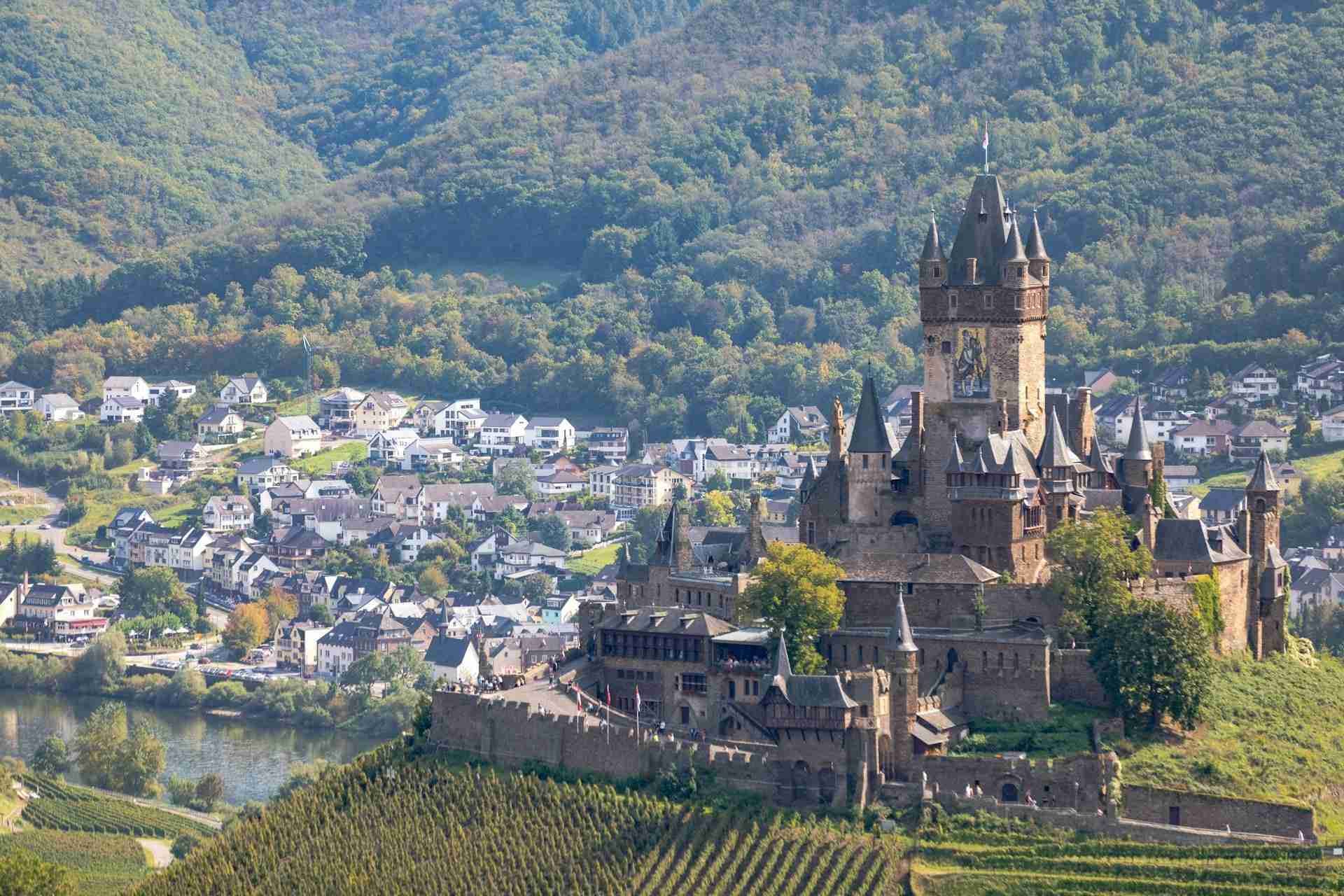
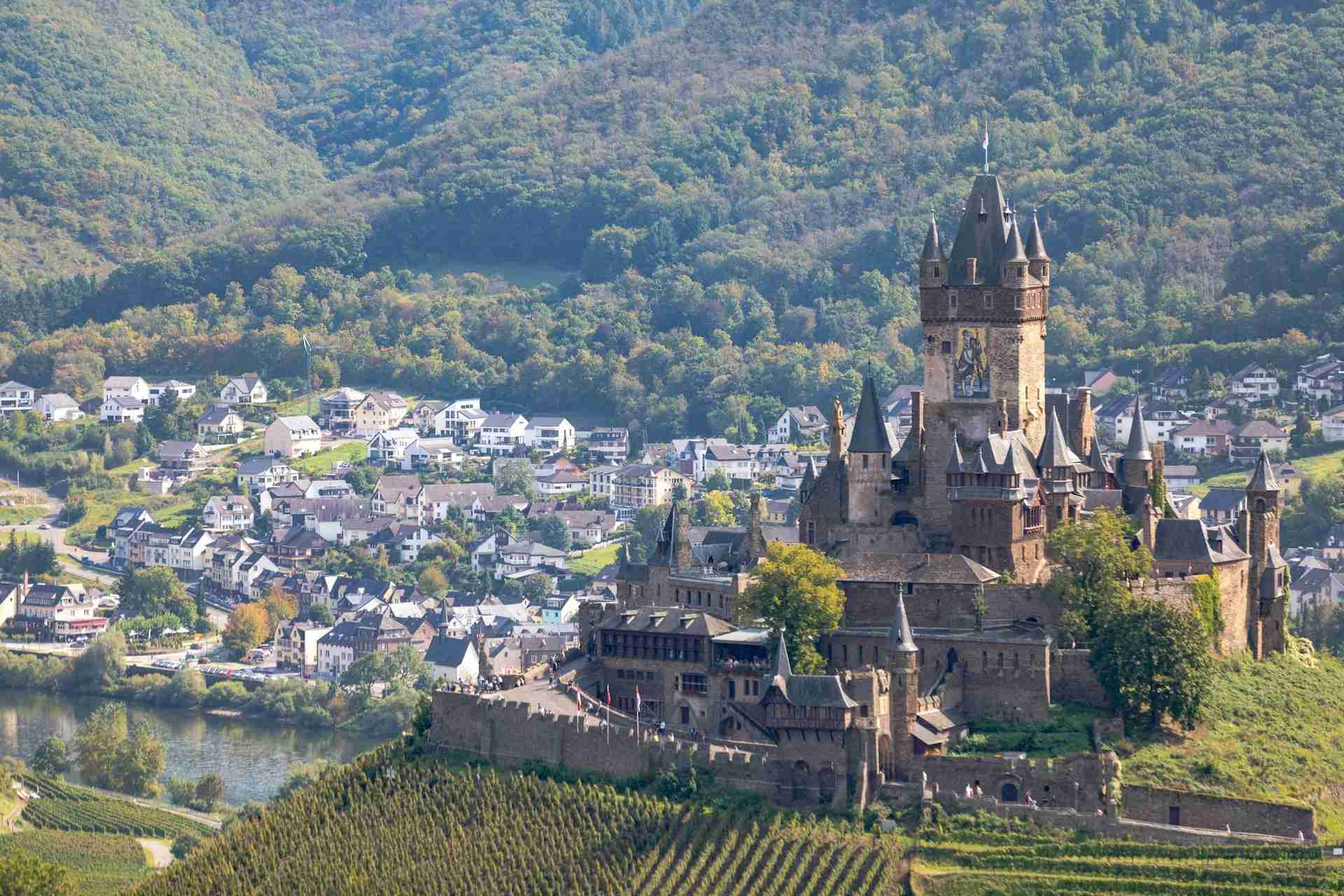
Perched high above the town of Cochem, Cochem Castle (Reichsburg Cochem) commands attention with its romantic towers and storybook silhouette. Set against the lush hillsides of the Moselle Valley and overlooking the river below, this 1,000-year-old hilltop fortress offers one of Germany's most photogenic castle settings. The mix of historical architecture, vineyards, and the winding Moselle River makes it an ideal location for photographers interested in capturing layered landscapes, atmospheric views, and architectural details. Whether surrounded by morning mist or lit by golden hour sunlight, Cochem Castle offers a compelling subject year-round.
Best Photography Opportunities
• Castle from the Town of Cochem
: One of the most popular perspectives is from the riverfront in town, looking up toward the castle perched on its hill. Use a telephoto lens to compress the distance and bring out the dramatic contrast between the steep hillside, the clustered buildings of Cochem, and the castle itself. Sunrise or blue hour adds warmth and mood, especially when the castle is illuminated. Include the riverwalk or a passing boat in the frame for a layered composition that tells a story of the town's life below the fortress. Reflection shots in the water are possible on still days, so explore vantage points near the pedestrian bridges for symmetry.
• Moselle River Overlook from Pinnerkreuz
: This scenic viewpoint above the castle can be reached by hiking trails or a chairlift. It offers a sweeping panoramic view of the castle, town, and the meandering Moselle River. Late afternoon light casts rich tones across the vineyards and rooftops. A wide-angle lens is ideal for capturing the entire bend of the river with the castle framed at its edge. Use the natural curve of the Moselle to guide the eye through your composition. If conditions are clear, bring a polarizer to reduce haze and deepen the contrast between the river and the surrounding hills.
• Close-Up Architectural Details Within the Castle Grounds
: If you take a tour of the castle, you'll have the chance to photograph turrets, stonework, and decorative features up close. The mixture of medieval and Gothic revival styles creates rich texture and strong shadows. Use a fast prime or zoom lens to capture intricate carvings, arched doorways, and interior courtyard compositions. The inner courtyard provides interesting angles where light filters through arched windows and casts patterns on cobblestone paths. Explore the smaller staircases, gates, and crests for compositions that emphasize craftsmanship and history.
• Vineyards and Castle from the Opposite Riverbank
: Walking across the bridge or exploring the trails opposite the river gives you a fuller view of the castle nestled into its landscape. Sunrise and sunset are both excellent for this view, and foggy mornings can add mystery to the scene. Include vineyard rows or wildflowers in the foreground to enhance the sense of depth. These trails offer a higher vantage point, letting you isolate the castle with compressed layers of vines, rooftops, and riverbank. Bring a longer lens for this side to emphasize the vertical lines of the castle rising out of the lush terrain.
• Castle Silhouette at Night
: The castle is dramatically lit after dark, creating a strong silhouette against the sky. Use a tripod and a long exposure to capture the illuminated structure with star trails or soft clouds. Including the river or reflections from the town below adds context and light contrast to your shot. Look for foreground elements like lamp posts, railing, or silhouetted trees to frame the composition. Adjust white balance for a warmer feel or allow the castle's lighting to dictate a cooler nightscape ambiance. Blue hour, just before full darkness, often provides a more balanced dynamic range with ambient twilight in the sky.
Best Time to Visit
Cochem Castle is photogenic throughout the year, but the best seasons for photography are spring through autumn. In spring, the surrounding vineyards begin to green, and the soft light of morning and evening brings out rich tones in the stonework and hills. Summer offers the most accessible conditions with long daylight hours and clear views from various lookouts, though midday light can be harsh, focus on early and late hours for the best results.
Autumn is particularly rewarding for color photography. The hills around the castle burst into shades of red, orange, and gold, and the lower sun angle casts longer shadows that give structure and contrast to both landscape and architecture. Fog often rolls in along the river valley during this season, adding depth and mood.
Winter photography can be more challenging due to limited daylight and weather, but occasional snowfall turns the scene into a fairytale setting. The castle remains lit at night, and clear winter evenings offer excellent visibility. Blue hour is particularly effective for highlighting the structure's lighting against the crisp winter sky.
Early morning is often the best time for peaceful conditions and softer light. Sunset provides golden illumination and interesting shadow play across the hillside. Fog, especially in the autumn months, adds atmosphere to wide compositions.
How to Get There
Cochem Castle is located in the town of Cochem in Germany's Moselle Valley, accessible by train, car, or river cruise. From the town center, it's a short but steep walk up to the castle, with signs marking the route. Alternatively, a shuttle or chairlift can assist with the climb during peak visitor months.
There is an entrance fee to visit the castle grounds and take the guided interior tour, but views from nearby paths and overlooks are freely accessible. Parking is available in the town near the base of the hill, and public restrooms and cafés can be found throughout the town center.
For panoramic shots, walk or drive to viewpoints such as Pinnerkreuz or the opposite side of the river. Many of the best landscape compositions don't require entering the castle itself, though touring the grounds gives access to more intimate architectural shots.
Recommended Gear for Castle and Landscape Photography
A wide-angle lens (16–35mm) is ideal for capturing the castle within the broader landscape, particularly from higher elevations or riverbanks where space allows for sweeping compositions. This lens also works well for photographing the inner courtyards and rooms when touring the castle, especially in tighter spaces with dramatic ceilings and Gothic arches.
A telephoto lens (70–200mm or longer) is essential for compressing scenic views from town or distant hillsides. It allows photographers to isolate details like spires, windows, or flag-topped towers while maintaining a strong visual impact. A super-telephoto can be helpful for capturing details in fog or for emphasizing the castle's height in layered scenes.
A mid-range zoom (24–70mm) provides flexibility for shooting in the town center, around the base of the castle, and on scenic overlooks. It's perfect for general walkaround use, especially in changing light where you might need to adapt quickly to different framing opportunities.
A sturdy tripod is critical for long exposures, especially when shooting at night or during low-light conditions at dawn and dusk. A remote shutter or delayed timer will help avoid camera shake when capturing illuminated nighttime views or star trails above the castle.
A polarizing filter enhances skies and removes reflections from the river and castle windows, improving contrast and color saturation. A neutral density filter can be useful for daytime long exposures, allowing you to blur moving clouds or soften the water surface for a more ethereal look.
Bring a lens hood and microfiber cloth to deal with glare or mist, particularly in humid or foggy conditions. Weather-sealed gear is a plus in this region, where conditions can change rapidly and light rain is common even in the summer. A lightweight rain cover or poncho for your camera and yourself helps keep you shooting through variable weather.
Good walking shoes are recommended, especially for climbing trails like the Pinnerkreuz or walking the cobbled paths up to the castle. A comfortable, well-padded camera bag with quick-access compartments will help you stay agile while moving between locations or navigating narrow streets.
Nearby Photography Locations
: A short drive upriver, this area offers dramatic switchback views of the Moselle and steep vineyard slopes. It's one of the steepest vineyard areas in Europe and provides elevated perspectives ideal for sweeping panoramic shots, especially at sunrise or sunset.
: Known as the "Sleeping Beauty of the Moselle," this small town has cobblestone alleys, half-timbered houses, and a castle ruin above. The quiet streets and historic architecture are perfect for capturing charming village scenes, particularly during golden hour when the town glows with warm light.
• Eltz Castle
: About an hour's drive from Cochem, Burg Eltz is one of Germany's most well-preserved medieval castles. It sits in a forested valley and is a favorite for fairytale-style landscape shots. Misty mornings often create a moody atmosphere, and the long trail leading to the castle is excellent for establishing perspective.
Taking a boat tour offers a different perspective on the region's towns and hillsides. Look for moments when castles appear above vineyards or bridges cross shimmering water. The ever-changing angle and motion from the boat allow for dynamic compositions that you won't get from land.
• Marienburg Castle and Zell Mosel
: These lesser-known spots along the Moselle provide quieter vantage points with rich history, river curves, and surrounding forest to round out a landscape-focused shoot. The elevated location of Marienburg offers a commanding view of the river loop near Zell, especially striking when early morning mist drifts through the valley.
Comments
Loading comments…