
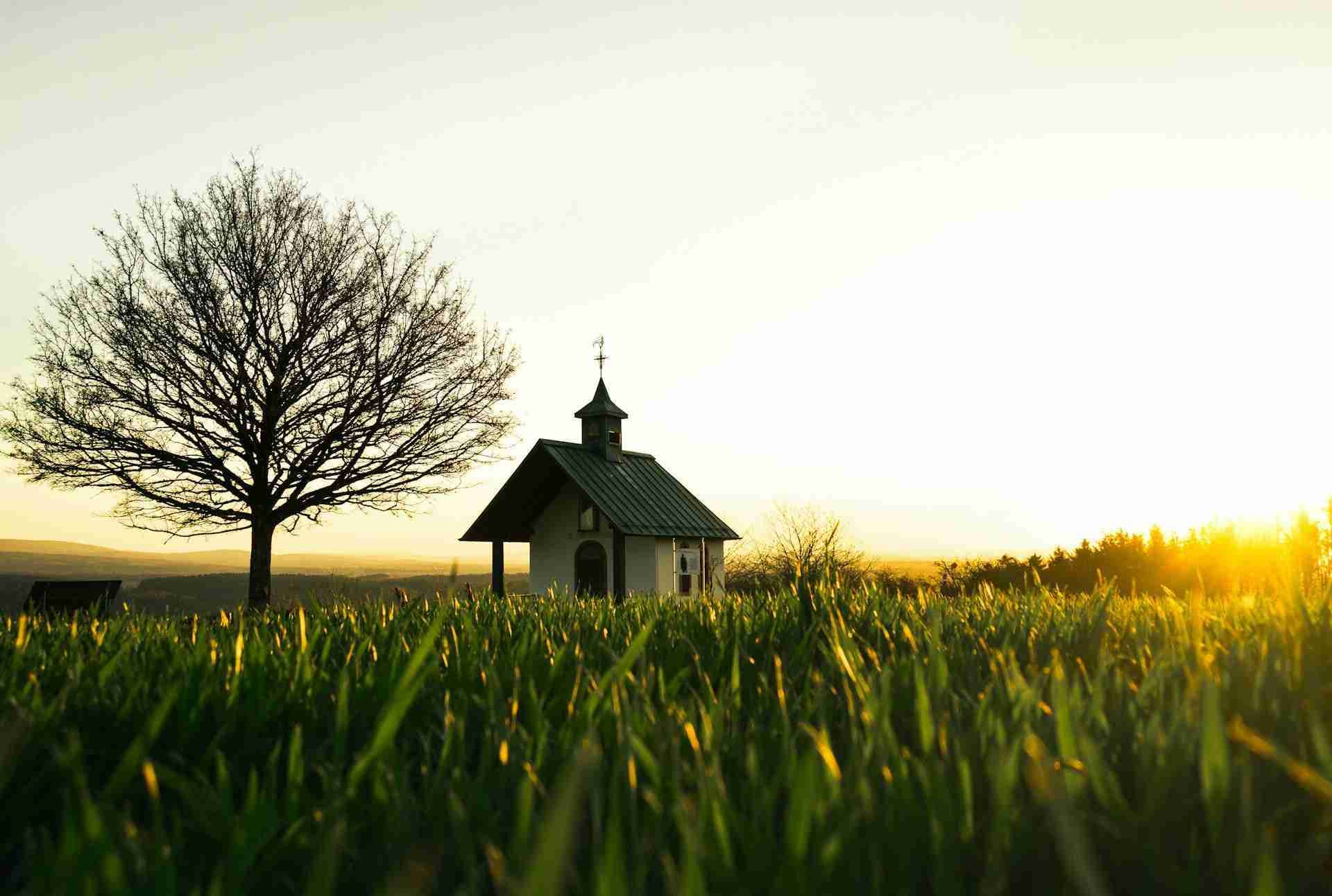
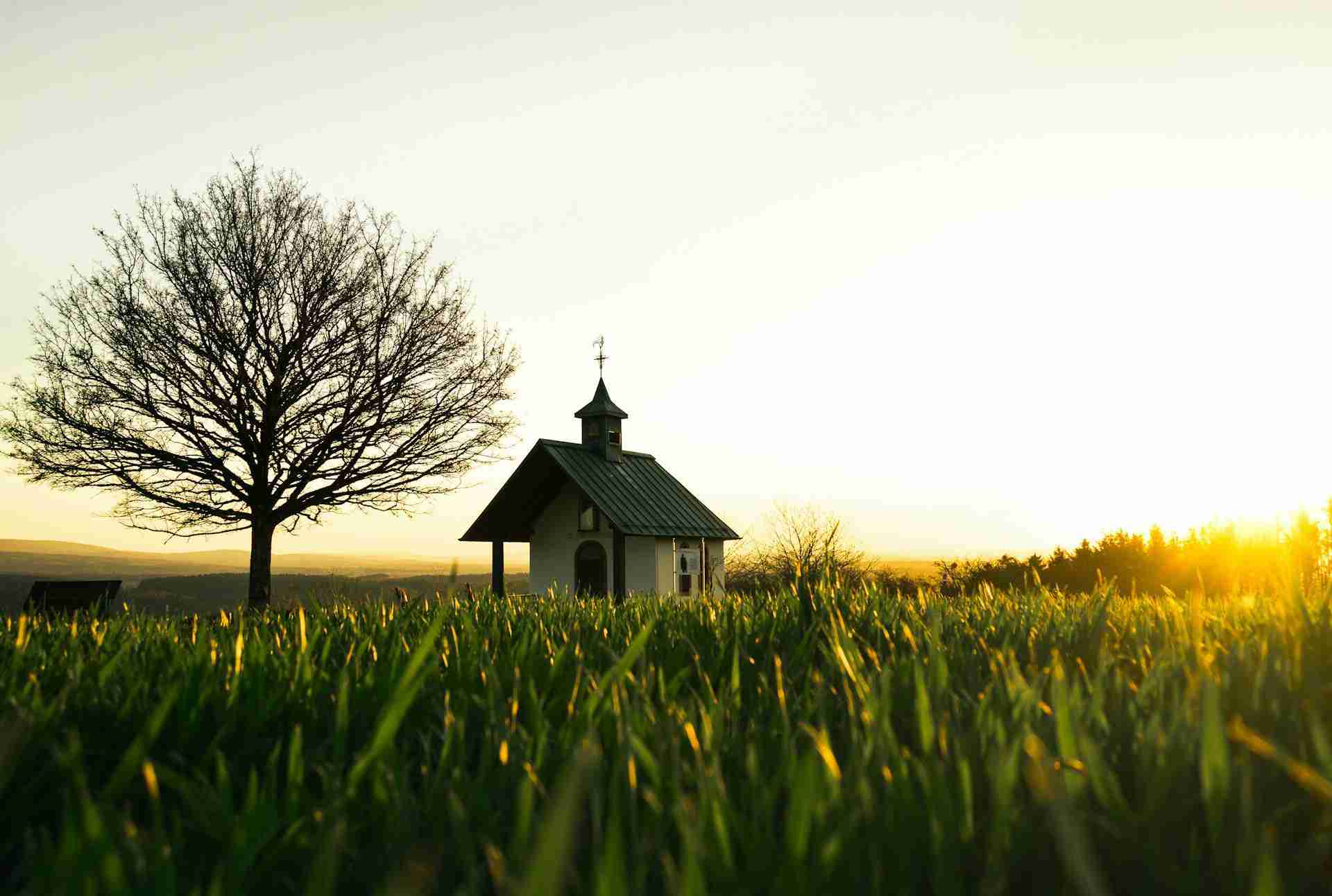
Set among open fields and rolling highland terrain near the German-Luxembourg border, Donatuskapelle offers a peaceful, well-balanced setting for photographers who work best with quiet structures, soft light, and expansive sky. This small chapel, surrounded by farmland and accessible only on foot or bike, stands out not for its size but for its placement. It sits on a gentle rise in the countryside, often framed by tilled fields, distant tree lines, and wide skies that shift dramatically with weather. The building's clean lines, whitewashed exterior, and steep slate roof offer strong contrast against the natural surroundings, while its solitude invites deliberate, composed shooting. It's a place for photographers who are looking to work slowly, build compositions with care, and respond to the subtle changes in light and season that define the rural Saarland.
Best Photography Opportunities
• Frontal Composition with Field and Sky
Approaching the chapel from the east or northeast allows for a clean frontal composition that sets the small structure against the open sky. A wide-angle lens gives enough space to include the surrounding fields or a winding path as a leading line. These shots are strongest in early morning or late afternoon when directional light hits the chapel façade and pulls detail from its textured plaster and sharp roofline. Sky plays a critical role here, so visiting on a day with partial clouds or shifting light adds a dynamic background. Using a tripod allows for careful horizon alignment and layering between earth, structure, and sky.
• Backlight and Silhouette from the Ridge
The chapel's placement on a slight rise makes it ideal for backlit silhouettes, especially at sunset. Shooting from the west, you can position the structure between yourself and the setting sun to create a strong silhouette of the cross, roofline, and bell tower against a gradient sky. A small aperture helps add a sunstar effect, and bracketing can help retain foreground detail if desired. These compositions work well on clear evenings, but broken clouds can also enhance color transitions. Keep a longer lens on hand to compress the chapel and horizon into a more minimal composition.
• Side Light on the Exterior Walls
On mornings with angled light from the east, the side walls of the chapel catch subtle warmth that brings out the rough texture in the plaster and stone. This is a strong opportunity for midrange framing that highlights structure without including too much surrounding field. A 35mm or 50mm lens works well for handheld shooting, especially when working quickly with changing light. This type of scene is especially effective in overcast conditions with soft, directional light, which avoids harsh contrast and keeps the wall details evenly lit. Including elements like fence posts, tall grass, or small trees adds grounding to the frame.
• Foreground Elements in Seasonal Change
The surrounding farmland and access paths shift dramatically with the seasons, offering unique foregrounds to build into your compositions. In spring, green shoots and wet earth create strong lines that lead into the chapel, while autumn brings warm stubble, fallen leaves, and golden hour color. These compositions benefit from a low shooting angle to exaggerate perspective. A wide lens at f/8 or higher helps keep foreground and chapel in focus while drawing attention to texture in the soil or crops. Positioning these elements carefully in frame adds narrative and keeps the structure from floating without context.
• Detail Studies of Roof, Cross, and Masonry
Though small, Donatuskapelle has enough architectural variation for a solid set of detail shots. Look for the angle where roof tiles meet the bell tower, or where the cross casts shadow onto the white wall. These scenes work best with soft overcast light that reduces glare and preserves subtle tonal variation. Use a midrange zoom or fast prime for flexibility as you walk around the structure. Shooting at eye level or slightly below can emphasize the geometry of the chapel's simple but deliberate form. These detail studies pair well with broader compositions to build a complete visual set.
Best Time to Visit
Donatuskapelle is accessible and photogenic in every season, but early spring and autumn offer the most visual interest for rural landscape work. In spring, the fields begin to green, while low sun angles stretch shadows across the foreground and soften the chapel's white exterior. Morning visits during this season offer the best clarity, and the light tends to remain workable for longer periods. Summer brings longer golden hour transitions and opportunities to shoot under high clouds or weather shifts that roll in from the west.
Autumn is ideal for color contrast, with dry fields, softer tones, and late-day warmth that plays well across the building's surfaces. The sky in this region often adds drama with layered clouds and quickly changing light near sunset. Winter offers minimal color, but this bare aesthetic can highlight the structure even more if light snow or frost defines the surrounding ground. Regardless of season, sunrise and sunset are the best times of day for low directional light and manageable contrast. Overcast conditions work well for detail shots and balanced exposures on the chapel's light-colored surfaces.
How to Get There
Donatuskapelle is located just outside the town of Losheim am See in Saarland, Germany. From the town center, follow signs toward the village of Rimlingen, where a network of well-marked hiking and biking paths lead to the chapel site. Vehicle access is limited, so the final approach must be done on foot or by bike. The walk is easy and takes less than twenty minutes along gravel or dirt paths that are maintained year-round. The route passes through farmland and small groves, offering additional opportunities for photography before even reaching the site.
There is no fee to visit, and the chapel is always accessible from the exterior. Interior access is not available to the public, but the grounds around the building are open and provide full 360-degree movement for composition. The terrain is mostly flat with a gentle slope near the building itself. Sunrise and sunset visits are easy to manage, but bring a headlamp or small flashlight if planning to shoot into twilight. Tripods are permitted and unobtrusive to other visitors. As always in rural areas, be respectful of nearby fields and do not leave marked paths.
Recommended Photography Gear
For working at Donatuskapelle, a light and versatile kit is more useful than a heavy setup. A wide-angle lens between 16 and 35 millimeters will allow you to compose the chapel within the larger landscape, especially when working with big skies or leading lines in the field. A 24 to 70 millimeter lens is ideal for midrange work, including angled perspectives of the chapel walls and seasonal vegetation. A small telephoto up to 200 millimeters can compress distant trees or isolate details like the chapel cross against the sky.
A tripod is useful for early and late light, especially when shooting long exposures or bracketed sets for dynamic range. A circular polarizer helps reduce reflection on the white walls and adds depth to the sky. A lens cloth and weather protection are worth bringing in shoulder seasons when mist, wind, or rain can come through quickly. A small reflector or LED panel can help in controlled light for detail shots, especially on shadowed corners or under heavy cloud. Comfortable walking shoes and a small backpack are all you need to explore the surrounding area without hassle.
Nearby Photography Locations
Just a few kilometers from the chapel, this reservoir offers calm water reflections and forest-lined paths that photograph well in soft light or fog. Early morning is best for mirror-like surface conditions, while sunset adds color to the surrounding hills. A telephoto lens is helpful for compressing the shoreline with trees or distant walkers.
This unique wolf sanctuary is located near Merzig and provides rare chances to photograph wolves in large, natural enclosures. Telephoto lenses are essential, and soft, overcast days offer the best conditions for detail and contrast in fur. The surrounding woodland also provides quiet paths and forest compositions.
A well-known overlook above a tight bend in the Saar River, this spot offers wide river valley views, particularly strong at sunrise when fog often collects below. A wide lens is useful for the full sweep of the landscape, and drone work is possible within regulated zones for overhead compositions of the river bend.
This historic town features half-timbered buildings, a hillside waterfall flowing through the center, and narrow cobbled streets perfect for architectural compositions. It works well in both golden hour and blue hour light, and the built-in elevation allows for strong perspective lines from above or below.
A quiet and well-maintained garden near the Saarschleife area, this location offers a controlled landscape with strong design lines, color variation, and good macro opportunities. It is best visited in spring bloom or autumn color, and works well for minimalist compositions that contrast with the rural openness of the Donatuskapelle site.
Donatuskapelle is the kind of location that lends itself to return visits. The structure is simple, but the surrounding land, light, and sky keep changing. With no crowds and little interruption, it becomes a place where photographers can work at their own pace, experiment with scale, and refine their approach with every new season.
Comments
Loading comments…