
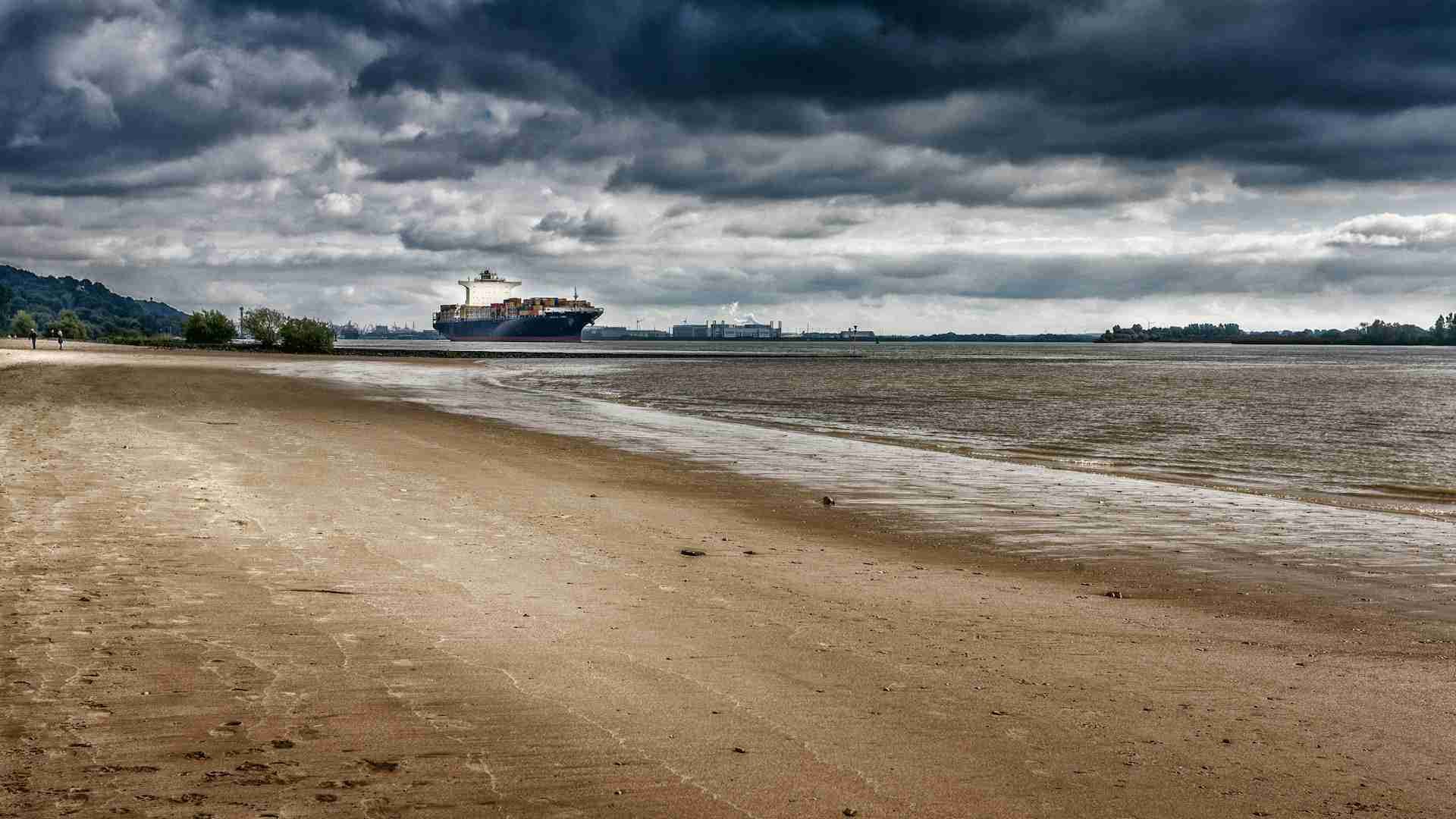
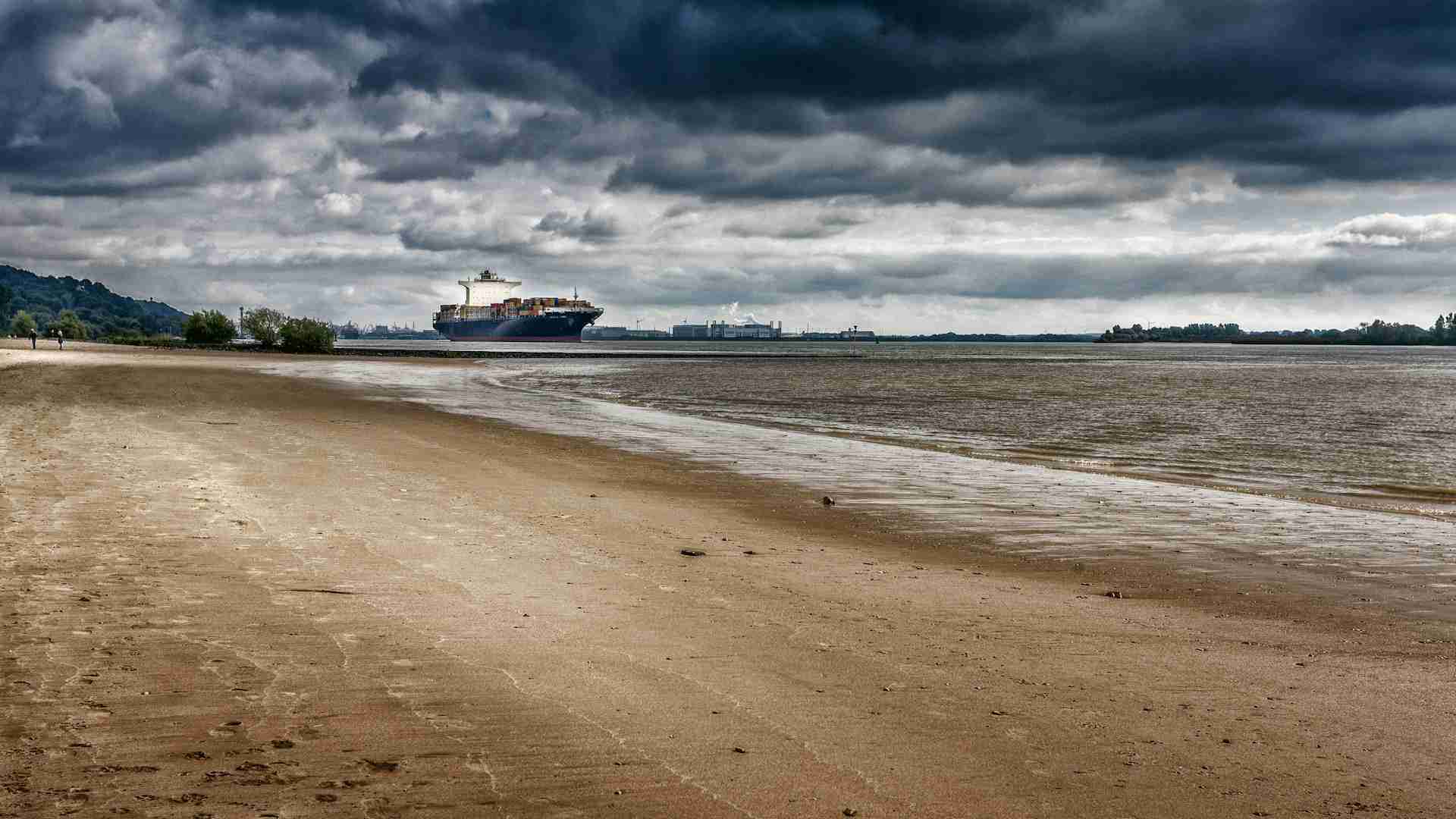
There's something quietly powerful about Falkensteiner Ufer, where the wide sweep of the Elbe River becomes a stage for enormous ships to glide past sandy shores and forested paths. This peaceful corner of Hamburg offers a rare balance of natural calm and industrial scale, making it a compelling location for photographers who appreciate contrast and motion. Whether you're drawn to the rhythm of tides, the glow of late sun on water, or the geometry of trees against sky, Falkensteiner Ufer delivers a surprisingly varied set of compositions in one compact area. It's the kind of place where you can spend hours adjusting your frame as light and landscape shift around you.
Best Photography Opportunities
The Tidal Flats
When the tide drops, Falkensteiner Ufer reveals a wide expanse of rippled sand and shallow pools that catch light in ever changing ways. These reflective patches create strong opportunities for symmetry and lead the viewer deeper into the frame. Shooting from a low angle can exaggerate the patterns left behind by the retreating water which works well for photographers who enjoy detailed foregrounds. This area is also well suited for long exposures because the slow movement of returning water produces soft layers that contrast nicely with the stillness of the sand. The flats are never the same from one day to the next which encourages experimentation and repeat visits.
Passing Container Ships
The river is a major shipping route and the massive vessels that travel through it feel astonishingly close to the shore. This presents a rare chance to photograph working ships in a natural setting without needing to be on the water. A telephoto lens helps isolate parts of the ship such as patterns of containers or the shape of the bow as it cuts through the water. Wider compositions also work well when you want to show the scale of the vessel against the beach or trees. Patience is often rewarded because each ship brings fresh colors, shapes, and motion that shift your creative approach.
Sunset Across the Elbe
Evening light is one of the highlights of this location because the sun drops behind the river and paints the entire scene with warm tones. The combination of water, sky, and sand creates a smooth transition of color that works beautifully for both wide and tight compositions. Reflections on wet sand can become strong foreground elements while ships passing during this time create interesting silhouettes. Arriving early helps you scout for anchors in the frame such as driftwood, benches, or patches of grass that add structure to the shot. As the light fades, longer exposures become especially effective and smooth the water into a gentle surface.
Forest Trails and Natural Framing
Behind the beach is a network of forest paths that offer a quieter and more intimate shooting environment. Overhanging branches create natural frames for glimpses of the water and can help guide the viewer's eye across the image. These wooded sections are especially useful during midday when the sun is bright because the canopy softens strong highlights. The trails also offer chances for storytelling images that blend people, nature, and glimpses of the river. Because the terrain shifts from open beach to dense forest, this area provides helpful variety when you want to change your creative focus without moving far.
Minimalist Beach Details
Large stretches of the shoreline contain only a few scattered objects which makes Falkensteiner Ufer a great place for minimalist photography. A single post in the sand, a washed up log, or a quiet bench can become the subject of a clean and thoughtful composition. Overcast mornings are especially useful because soft light preserves subtle textures without harsh shadows. Longer focal lengths allow you to simplify the scene even further by removing distractions along the horizon. These simple setups are surprisingly expressive and work well when the weather is subdued or when you want a calmer shooting session.
Best Time to Visit
Falkensteiner Ufer offers distinct photographic qualities throughout the year and each season has its own strengths. Spring brings hints of green to the trees and cooler air that sometimes forms light river mist in the early hours. This softens the backdrop and makes long telephoto shots across the water more appealing. Late spring and early summer provide consistent warm light with long evenings that gradually shift in color, giving you ample time to set up and experiment.
Summer is the most active time on the river with frequent ship traffic and vibrant light that reflects strongly off the water. Sunset sessions can last longer than you expect because the sun takes its time dropping behind the far bank. The warm tones across the sand and wet shoreline are particularly effective for both wide and detailed compositions. Autumn changes the scenery by thinning the leaves and opening more lines of sight through the trees which creates cleaner compositions along the trails. It is also a good season for cooler air and softer light which often lasts well beyond the first hour after sunrise.
Winter can be surprisingly rewarding for photographers who do not mind the cold. The low sun angle lasts through most of the day which means long shadows and glowing highlights are available far more often than in summer. Frost or occasional snow on the beach adds new layers of texture while fog drifting along the river brings a calm mood that works well for minimalist scenes. Short days do require more planning, but the quality of light often makes the effort worthwhile.
Regardless of season, the tides play a major role. Low tide reveals the most dramatic foreground material including ripples, patterns, and reflective pools. High tide pushes the water closer to the trees and can create tighter, more abstract compositions when you want to focus more on texture and movement. Checking tide charts ahead of time helps you match your creative goals to the landscape.
How to Get There
How to Get There
Falkensteiner Ufer is located in Hamburg's Blankenese district and is easily accessible by both car and public transportation. The main road, also called Falkensteiner Ufer, runs parallel to the shoreline and offers several access points directly down to the beach. For drivers, there are parking areas along this road or nearby streets, though availability can be limited on weekends and during warm weather. From the car, it's only a short walk across a grassy embankment or down maintained footpaths to reach the sand.
If you're arriving by public transit, take the S1 train to Blankenese station and connect to bus line 189 or 286, both of which stop within walking distance of the waterfront. From there, you can follow the road to the nearest beach access point. The entire area is walkable and relatively flat, which makes it easy to carry gear without a long hike. There are no fees to access the beach or surrounding areas, and personal photography is unrestricted. The location is also bike friendly and connects to regional cycling routes along the Elbe River, making it a great destination for photographers exploring on two wheels.
Recommended Photography Gear
A flexible kit works best at Falkensteiner Ufer because the scenery changes quickly with light and tide. A general purpose zoom such as a 24 to 70 millimeter lens is useful for most of the beach, forest paths, and transitional spaces where you want both landscape and documentary style options. Complementing this with a wide lens like a 14 to 24 or 16 to 35 millimeter model helps exaggerate foreground textures on the tidal flats or emphasize sweeping skies at sunset. A telephoto lens in the 70 to 200 or 100 to 400 millimeter range is extremely valuable for photographing ships and isolating distant details across the water.
A sturdy tripod is essential for long exposure work, especially when shooting smooth water at high tide or capturing low light conditions near sunrise and sunset. Using a remote trigger or built in timer will help reduce camera shake during these longer exposures. Neutral density filters allow you to lengthen your shutter speed during brighter parts of the day which creates smooth water surfaces and streaked clouds that work nicely with the industrial subjects of the shipping lane. A circular polarizer is helpful for reducing glare on the water and enhancing mid day cloud contrast.
Nearby Photography Locations
This hillside neighborhood offers a layered blend of narrow paths, stairways, and bright homes facing the river. The constant change in elevation creates interesting vantage points that reveal new compositions with every turn. Early morning light is especially flattering and helps bring out small architectural details and glimpses of the Elbe.
A short distance upriver, this red and white lighthouse stands against a mix of forest and open water. It works well as a main subject in both wide and close compositions, especially when changing light adds depth to the surrounding landscape. The quieter shoreline nearby offers calmer scenes to contrast with the busier stretches of Falkensteiner Ufer.
This large park provides broad meadows, mature trees, and historic structures that feel completely different from the riverfront environment. It is a good location for soft morning light or long shadow work in the afternoon. The openness of the park allows you to build images around natural curves and gentle slopes.
This area blends beach access with the working harbor, allowing you to photograph museum ships, tugboats, and cranes from comfortable vantage points along the sand. The variety of subjects makes it easy to switch between wide industrial scenes and closer studies of maritime details. Warm side light in late afternoon brings out texture in the older vessels.
This elevated park provides broad views across the Elbe and Hamburg's port which makes it an excellent choice for cityscapes. The height allows you to capture patterns of cranes, ships, and water traffic in a single frame. Twilight is especially productive when the lights of the harbor begin to appear and contrast with the fading sky.
Falkensteiner Ufer offers an engaging mix of simplicity, movement, and changing conditions that keep photographers returning throughout the year. Whether you enjoy minimalist studies of sand and water, energetic compositions built around busy ship traffic, or quiet scenes framed by forest paths, this location offers enough variety to support both quick visits and long explorations.
Comments
Loading comments…