
Golden Bridge at Hofgarten: Capturing Refined Elegance in Düsseldorf's Historic Park
The Golden Bridge in Düsseldorf's Hofgarten offers a subtle yet elegant photographic subject nestled in one of the city's most historic green spaces. This refined pedestrian bridge, with its graceful curves and gilded detailing, crosses a quiet canal surrounded by tree-lined paths and manicured gardens. As Germany's oldest public park, Hofgarten combines classical landscaping with natural charm, and the Golden Bridge serves as a beautiful architectural accent within this urban oasis. Whether you're shooting reflections, seasonal foliage, or architectural detail, this location rewards a patient and thoughtful approach to composition.
Best Photography Opportunities
• Bridge Reflections Over Still Water
: Position yourself along the canal at a low angle to capture the entire span of the bridge mirrored in the calm surface of the water. This approach works particularly well early in the morning before the wind picks up or park visitors create ripples. Try placing the bridge centrally for a symmetrical composition, or experiment with off-center framing to highlight surrounding elements like tree branches or benches. A polarizer can help manage reflections and reduce glare, while a tripod ensures sharpness if you're working in lower light. Seasonal shifts, such as autumn leaves or spring blossoms, add color and variation to this classic shot.
• Wide Contextual Scene from the Southern Path
: Take a few steps back from the main walking path to incorporate more of the park's atmosphere around the bridge. Using a wide-angle lens allows you to show the full arch of the bridge while including the tree canopy, grassy slopes, and any visitors passing by. This view is especially effective in golden hour light, when the sun glows through the leaves and adds warmth to the entire scene. Including people in the distance can add storytelling elements—families walking, cyclists, or couples crossing the bridge—which contribute to the scene's lived-in feeling without distracting from the composition.
• Architectural Details and Ironwork Close-Ups
: Focus your lens on the decorative features of the Golden Bridge to highlight craftsmanship that may be missed in wider shots. Gilded accents, ornate railing patterns, and the curve of the handrails all offer excellent subjects for tight framing. These details shine in diffused morning or late afternoon light, when shadows are soft and surface textures stand out. Try isolating small elements, like a single gilded scroll, with a shallow depth of field to create intimate, focused compositions. These images pair well with wider shots to form a complete narrative of the location.
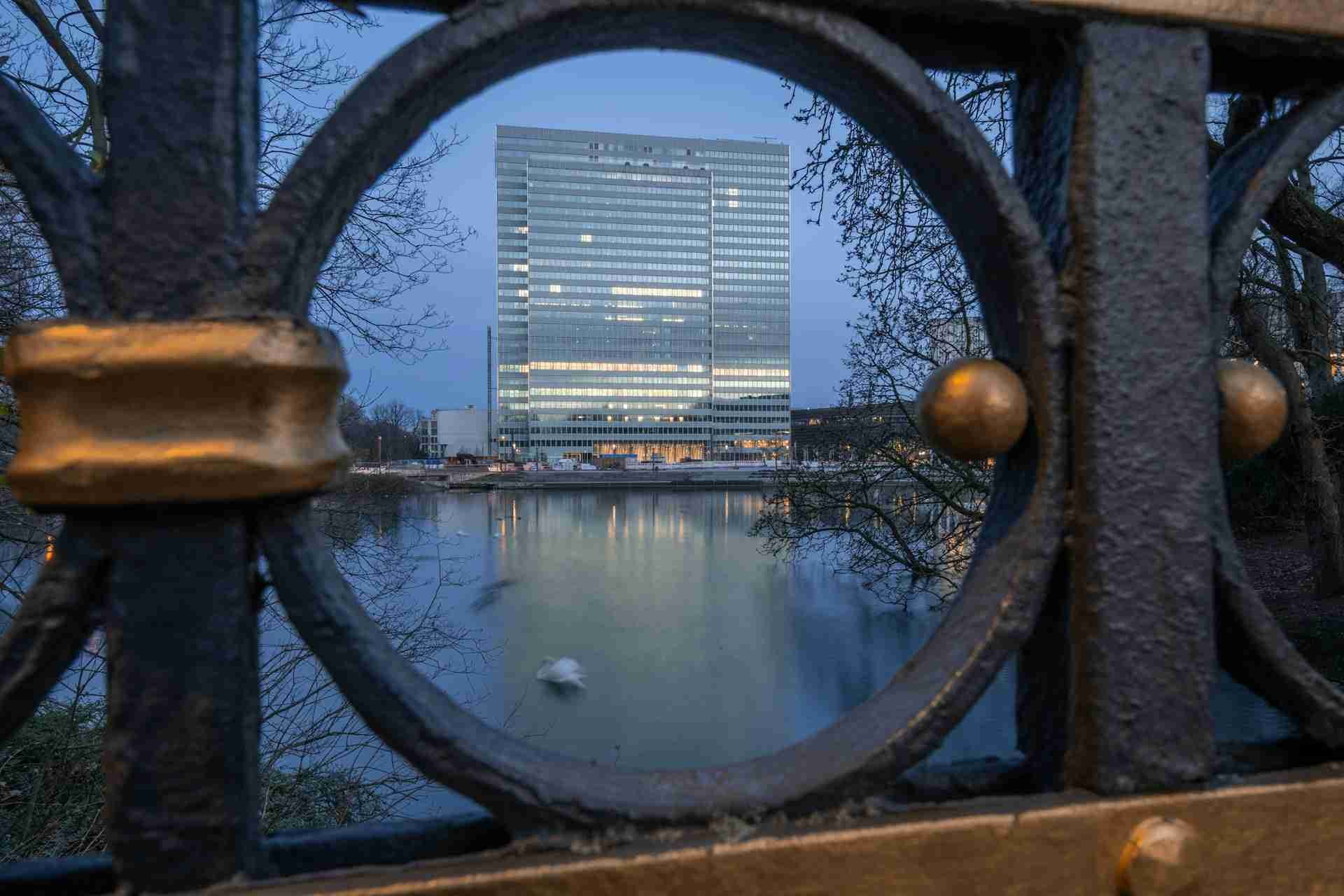
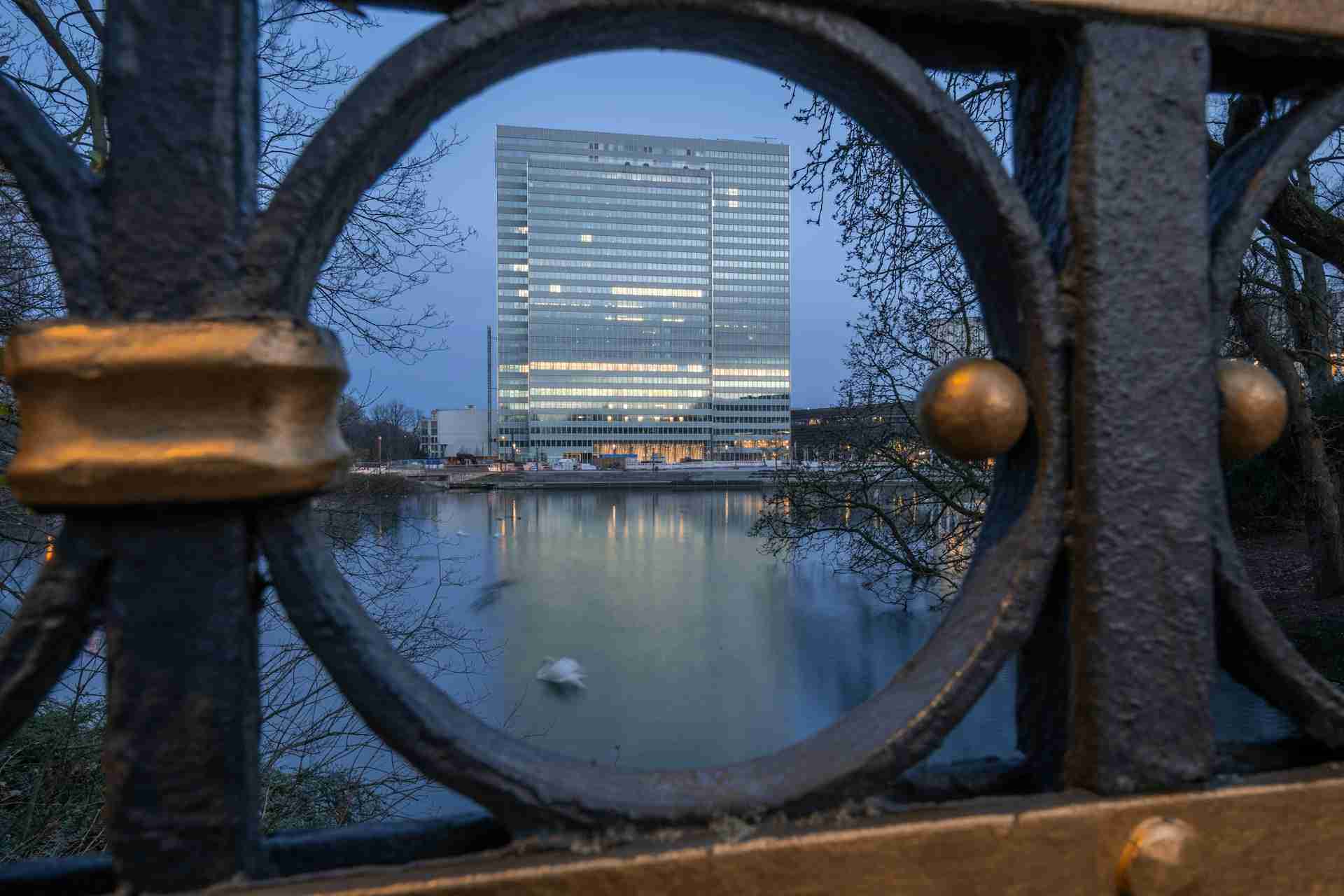
• Seasonal Framing Through Foliage
: Move around the edges of the bridge area to find overhanging trees or bushes that can act as a natural frame. Shooting through leaves or branches softens the edges of your composition and draws attention to the bridge as the central subject. This technique is particularly effective in spring and autumn, when vibrant colors and textures enrich the image. Try different focal lengths to vary the depth of your frame; using a longer lens to compress foreground foliage or a wider lens to exaggerate the perspective and create a tunnel-like effect. This approach adds both depth and context to your photos.
• Evening Blue Hour and Ambient Light
: Return to the Golden Bridge just after sunset to capture the soft transition between natural and artificial light. The surrounding park lights reflect gently on the canal, and the golden tones of the bridge become more pronounced against the cool evening sky. Using a tripod is key for longer exposures, which allow you to smooth water and capture subtle reflections. Including a few silhouetted trees or a dimly lit path adds mood and anchors the bridge within the wider nighttime scene. The lack of crowds at this hour also means you can take your time composing and fine-tuning your settings. As daylight fades, the park's ambient lighting begins to reflect in the canal and on the bridge. A tripod and slow shutter speed let you capture this subtle illumination while preserving detail in the shadows. The warmth of the bridge's tones contrasts nicely with the cooler hues of dusk. This is a quiet time in the park, allowing for long exposures without foot traffic interrupting the scene.
Best Time to Visit
Golden hour, shortly after sunrise or just before sunset, is the best time to photograph the Golden Bridge. During these periods, warm, directional light emphasizes the gold detailing and casts gentle shadows that add depth to your images. In the early morning, the park tends to be quiet and the canal still, making it ideal for capturing mirror-like reflections without disturbance. The golden light also brings out the warm tones of the stone and surrounding foliage, especially in spring and autumn.
Autumn is the most visually rewarding season, as the trees lining the canal turn vibrant shades of red, orange, and yellow, echoing the tones of the bridge and adding richness to every composition. Spring follows closely behind, with blooming flowers, new leaves, and soft light that adds a sense of renewal to the scene. Summer offers dappled light under full foliage and vibrant greens, while winter introduces a minimalist palette of muted browns and greys, with occasional snow creating a quiet, serene atmosphere.
Overcast conditions are useful for detail shots of the ironwork and surrounding textures, as the diffuse light avoids harsh highlights and shadows. Avoid midday sun, especially on clear days, as the overhead light can flatten the scene and reduce detail in both shadows and highlights. Blue hour offers a different mood entirely, as the artificial lighting within the park starts to reflect off the canal and bridge, creating a calm, inviting glow.
How to Get There
The Golden Bridge is located in Hofgarten, Düsseldorf's historic central park, just a short walk north from the Altstadt (Old Town). The nearest public transit stop is Heinrich-Heine-Allee, served by several U-Bahn and tram lines. From there, it's a five-minute walk into the park along landscaped paths.
There is no cost to enter the park, and it is open year-round. The paths are well-maintained and accessible, making it easy to explore the area on foot. For those arriving by car, parking garages are available nearby, particularly along Kö-Bogen and at Grabbeplatz. Once inside the park, signs and maps will guide you easily toward the bridge.
Recommended Gear for Photographing the Bridge and Park
Bring a versatile wide-to-mid zoom lens (24–70mm) for covering a range of compositions, from full-bridge scenes to intimate portraits of architectural details. A telephoto lens (70–200mm) is helpful for compressing layers of foliage and isolating the bridge from a distance, especially through tree-lined paths or during peak foliage season. For detail shots, a short telephoto or macro lens (85mm–105mm) will help capture textures like ornate ironwork, weathered stone, and delicate leaves.
A sturdy tripod is essential, particularly for shooting during low-light hours such as early morning, late afternoon, or blue hour. It allows for slower shutter speeds without sacrificing sharpness and is also useful for long exposure shots that smooth the water surface or add motion blur to passing parkgoers. A polarizing filter will help reduce glare on the canal and deepen colors in the sky, trees, and water, while a neutral density filter can enable longer exposures even in brighter conditions.
Protect your gear with rain covers or plastic sleeves, especially if visiting in fall or winter when weather conditions can shift suddenly. A lens cloth is useful for clearing moisture or pollen off your lens elements. Wear comfortable walking shoes and pack lightly, a small daypack with essentials will allow you to move freely around the park, repositioning quickly as light changes.
Nearby Photography Locations
: Just a few blocks from Hofgarten, this elegant boulevard with a central waterway is lined with trees, bridges, and classic buildings—perfect for urban reflections and street scenes. At sunrise or after rainfall, the mirrored surface of the canal and symmetrical layout provide strong compositional opportunities.
: Located at the northern edge of Hofgarten, this former palace with formal gardens and symmetrical architecture provides a regal backdrop, especially beautiful in spring bloom. The building's crisp lines and manicured landscaping contrast well with the organic shapes of the surrounding park.
: This round concert hall with a distinctive dome sits just west of Hofgarten. Its unique architecture and riverfront location offer striking perspectives, especially at sunset. Try photographing it from the opposite bank of the Rhine to frame it against the skyline.
: The Rhine promenade is ideal for long, open views of the river, modern skyline shots, and capturing pedestrian activity along the water. Sunset and early evening are particularly atmospheric here. The changing light and river traffic offer dynamic compositions that feel different with each visit.
: Just south of the park, the Altstadt offers narrow streets, historic buildings, and vibrant street life—ideal for transitioning from quiet landscape to energetic urban photography. Lantern-lit alleys and old churches make this area perfect for blue hour street scenes and handheld night photography.Just south of the park, the Altstadt offers narrow streets, historic buildings, and vibrant street life—ideal for transitioning from quiet landscape to energetic urban photography.
Comments
Loading comments…