
Herrenhäuser Gärten: Classical Symmetry and Floral Beauty in Hanover
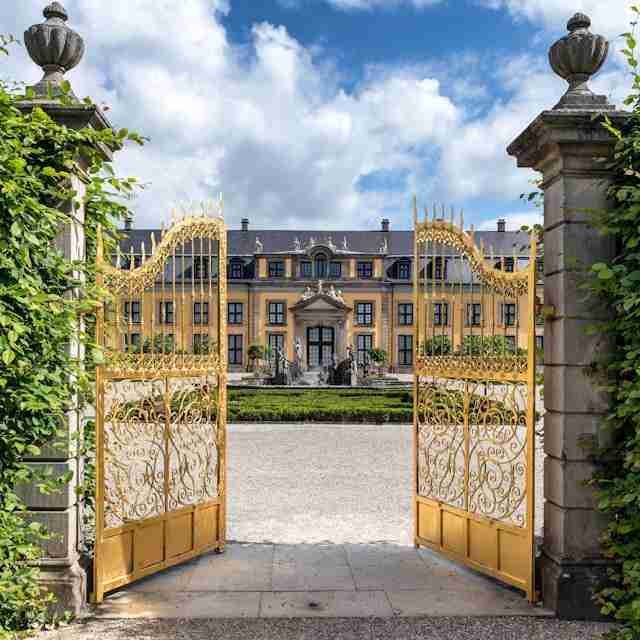
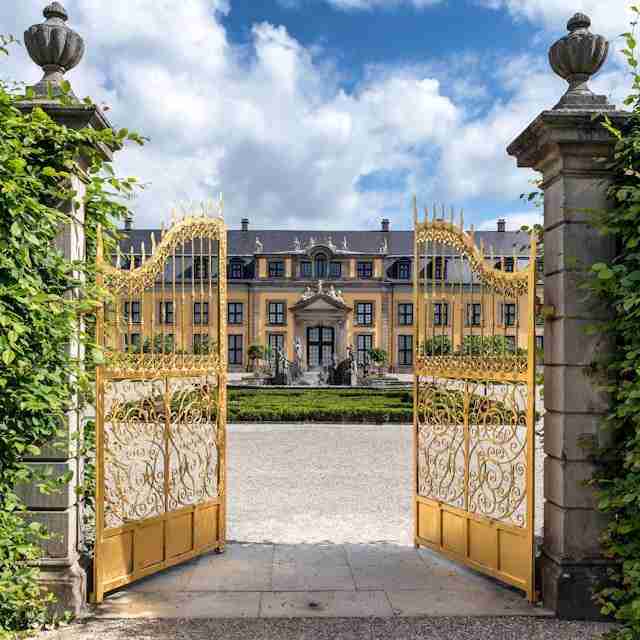
Herrenhäuser Gärten in Hanover is one of Europe's most distinguished baroque garden complexes, offering photographers a refined blend of architectural symmetry, ornamental landscaping, and seasonal floral displays. Originally designed in the 17th century by the Electress Sophia of Hanover, the gardens reflect a meticulous sense of order and grandeur, with long views, sculpted hedges, fountains, and statues set within a geometric layout. Whether you're interested in capturing formal compositions, macro flower shots, or elegant garden architecture, this location offers endless inspiration in every season.
Best Photography Opportunities
• The Great Garden's Central Axis
: The heart of Herrenhausen is its long, central axis flanked by gravel paths, manicured lawns, and reflective pools. A wide-angle lens captures the strict symmetry and sense of perspective that define the baroque style. Try photographing at sunrise or golden hour when soft light enhances the structure and color. For more dynamic compositions, include one of the stone sculptures or fountains in the foreground. The mirror-like pools are especially effective for reflections of the ornate pavilions or dramatic skies, and during autumn, falling leaves create beautiful color accents along the paths.
• The Grotto by Niki de Saint Phalle
: A vivid contrast to the classical surroundings, this modern mosaic installation provides bright colors and textured surfaces for creative photography. Use a standard or wide-angle lens to frame the intricate tile work and mirrored walls. This spot is ideal on cloudy days when diffused light brings out the color without harsh reflections. Try positioning yourself at angles to create abstract compositions or using reflections within the mirrors for playful, layered effects. Close-ups of individual tiles, mosaics, or mirrored surfaces can offer colorful, contemporary images distinct from the rest of the gardens.
• Formal Flowerbeds and Parterre Gardens
: During spring and summer, these areas bloom with color-coordinated displays arranged in geometric patterns. Get low to the ground with a macro lens for close-ups of petals and pollinators, or step back to frame entire beds from elevated spots along the garden walls. Patterns are key here, look for repeating lines and color blocks to structure your compositions. Flower beds are rotated seasonally, so return visits often reveal new color themes and arrangements. Use natural leading lines from hedges or pathways to guide the viewer's eye through the frame and consider shooting during golden hour when the flowers are backlit.
• Fountains and Water Features
: The Great Cascade and smaller fountains scattered throughout the grounds offer strong visual focal points. Use a tripod and neutral density filter for long exposures to blur the water into silky motion, or shoot at high shutter speed to freeze individual droplets in mid-air. These spots are especially engaging at midday when the light reflects off the spray. Include nearby statues or garden elements in the composition to anchor the scene. Reflections in the pools work particularly well after rain, and combining human figures, like a visitor pausing beside a fountain, can add a sense of scale and narrative to your shots.
• Orangery and Garden Pavilion Architecture
: The neoclassical buildings and pavilions scattered across the gardens provide strong vertical and horizontal lines to anchor your compositions. Use a tilt-shift or perspective correction lens if available to maintain architectural integrity. Early evening light enhances the warm tones of the stone and helps balance the contrast between building and sky. Look for symmetry in the structures and experiment with wide frames that include both architecture and surrounding hedges or statuary. During events or seasonal displays, these spaces are often decorated, adding further interest for contextual detail shots.
Best Time to Visit
The gardens are open year-round, but spring through early autumn offers the most visually rich conditions. In spring, tulips, daffodils, and blossoming trees fill the grounds with vibrant color and soft textures. This is a great time for both macro and wide shots, as new growth adds dimension to the structured layouts.
Summer brings the gardens to their peak, with all flowerbeds in full bloom, fountains running, and longer daylight hours that allow extended shooting sessions. The golden hour before sunset is especially flattering, as the low-angle light casts soft shadows and enhances the hues of both flowers and architecture.
Autumn introduces warmer tones to the foliage, and the contrast between neatly trimmed hedges and falling leaves can create striking images. Fewer visitors make for less obstructed compositions. Even in winter, the symmetrical design and permanent architectural features lend themselves well to black-and-white photography or moodier overcast scenes.
Early morning visits offer quiet paths and soft light for balanced exposures, while blue hour and nighttime fountain shows (held seasonally) provide additional creative opportunities.
How to Get There
Herrenhäuser Gärten is located just northwest of Hanover's city center and is easily accessible by public transportation. The U-Bahn (light rail) lines U4 and U5 stop at "Herrenhäuser Gärten," directly across from the main entrance. For those driving, there are paid parking lots nearby along Herrenhäuser Straße.
Entry requires a fee, which includes access to the Great Garden, the Berggarten, and several museums located within the grounds. Tickets can be purchased at the entrance or online. The paths throughout the garden are well maintained and suitable for wheeled gear or those with limited mobility.
Maps are available on-site to guide you through the garden's different zones, and benches placed throughout offer good spots to rest or set up your gear for slower, contemplative shots.
Recommended Gear for Garden and Architectural Photography
A wide-angle lens (16–35mm) is perfect for capturing the sweeping views and formal layouts that define the baroque garden style. Use it to frame the central axis, pavilions, or interior garden alleys. A mid-range zoom (24–70mm) is excellent for versatility, allowing you to adapt quickly between floral close-ups and architectural frames.
Macro lenses (100mm or similar) are essential during spring and summer for photographing individual blossoms, insects, and water droplets. A polarizing filter helps manage glare from flower petals and reflective surfaces like fountains and pools. A tripod is highly recommended, especially for macro work or early morning low-light situations.
A neutral density filter is useful for capturing motion in water features, particularly the Great Cascade. Bring a lens cloth to manage condensation or spray from active fountains. Lightweight footwear and a comfortable camera bag will make it easy to move through the expansive grounds without fatigue.
Nearby Photography Locations
• Georgengarten and Welfenschloss
: Just a short walk from Herrenhausen, Georgengarten offers more informal landscaping and a romantic park setting. The nearby university buildings add elegant Gothic Revival architecture to expand your urban photography options.
: Located in Hanover's city center, this ornate building with its green dome and reflective pond is perfect for symmetrical compositions, especially during sunrise or sunset. The interior also offers impressive staircases and grand halls worth exploring if open to the public.
: One of Europe's largest urban forests, this peaceful woodland offers excellent opportunities for nature photography, especially in autumn when the canopy glows with golden tones. The winding trails and quiet clearings provide an immersive natural contrast to the formal structure of Herrenhausen.
: A popular leisure area with long walking paths, boat traffic, and city skyline views. The water's stillness at twilight is ideal for long exposures, and the surrounding cafes and promenades add life to the scene.
• Hanover Zoo's Themed Landscapes
: For photographers interested in wildlife or curated natural scenes, the zoo offers diverse settings like savannas, rainforests, and themed village backdrops. Carefully composed images can mimic travel photography, especially with the immersive design of each habitat.
Comments
Loading comments…