
Capturing the Serenity of Hiroshimapark in Kiel: A Photographer's Guide
Hiroshimapark in Kiel, Germany, is a peaceful urban oasis that blends natural beauty with historical significance. Named to commemorate the victims of the Hiroshima bombing, the park serves as a symbol of peace and reconciliation. Located near Kiel's city center, it offers a tranquil retreat with serene ponds, elegant trees, and well-maintained walking paths. The park's diverse scenery, from the calm reflections of the water to the changing seasons, provides photographers with endless creative possibilities. Whether capturing the morning mist, autumn foliage, or urban contrasts, Hiroshimapark is a must-visit for landscape and nature photographers in Kiel.
Best Photography Opportunities
• Reflections on the Park's Pond
– The central pond provides stunning mirror-like reflections of the trees and sky, particularly during calm mornings or at sunset. Using a polarizing filter can help manage glare and enhance the clarity of reflections, creating a balanced and harmonious composition. Adjusting composition to include overhanging branches or floating leaves can add depth and additional interest to the scene.
• Cherry Blossoms in Spring
– During the spring months, Hiroshimapark transforms with delicate pink cherry blossoms that add a vibrant, romantic quality to the landscape. Framing the blossoms against the blue sky or capturing falling petals in the wind can create soft, dreamlike compositions. Shooting at different times of the day, from soft morning light to golden-hour warmth, can bring out varying moods in the delicate flowers.
• Autumn Colors and Seasonal Changes
– The park's trees display warm hues of red, orange, and gold in the autumn, making it an ideal setting for capturing seasonal transitions. A wide-angle shot showcasing the colorful canopy reflected in the pond can make for a breathtaking composition. Incorporating a winding pathway or a solitary bench beneath the foliage can add a storytelling element to the shot.
• Urban and Nature Contrast
– The proximity of modern buildings around the park allows for unique compositions that juxtapose nature and urban life. Framing the city skyline with tree branches or shooting from a low perspective near the water creates a dynamic contrast between the two elements. Experimenting with reflections in puddles or glass surfaces can further enhance the city-versus-nature theme.
• Wildlife and Bird Photography
– Ducks, swans, and other bird species frequent the pond, providing excellent opportunities for wildlife photography. A telephoto lens can help capture birds in motion, while a shallow depth of field can create artistic, softly blurred backgrounds. Capturing birds interacting with the water, such as taking flight or dipping for food, adds dynamic movement to the frame.
• Drone and Aerial Photography
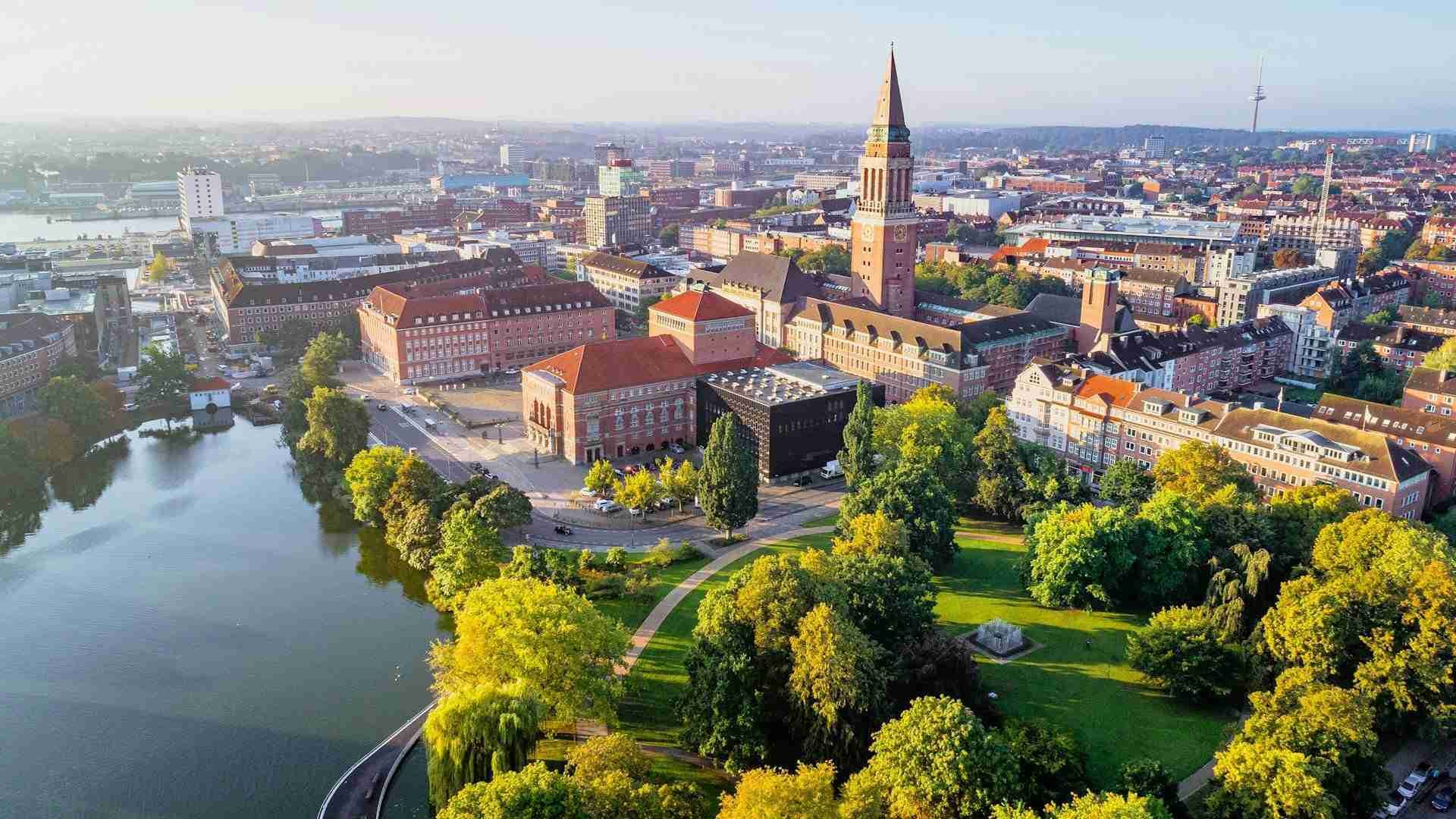
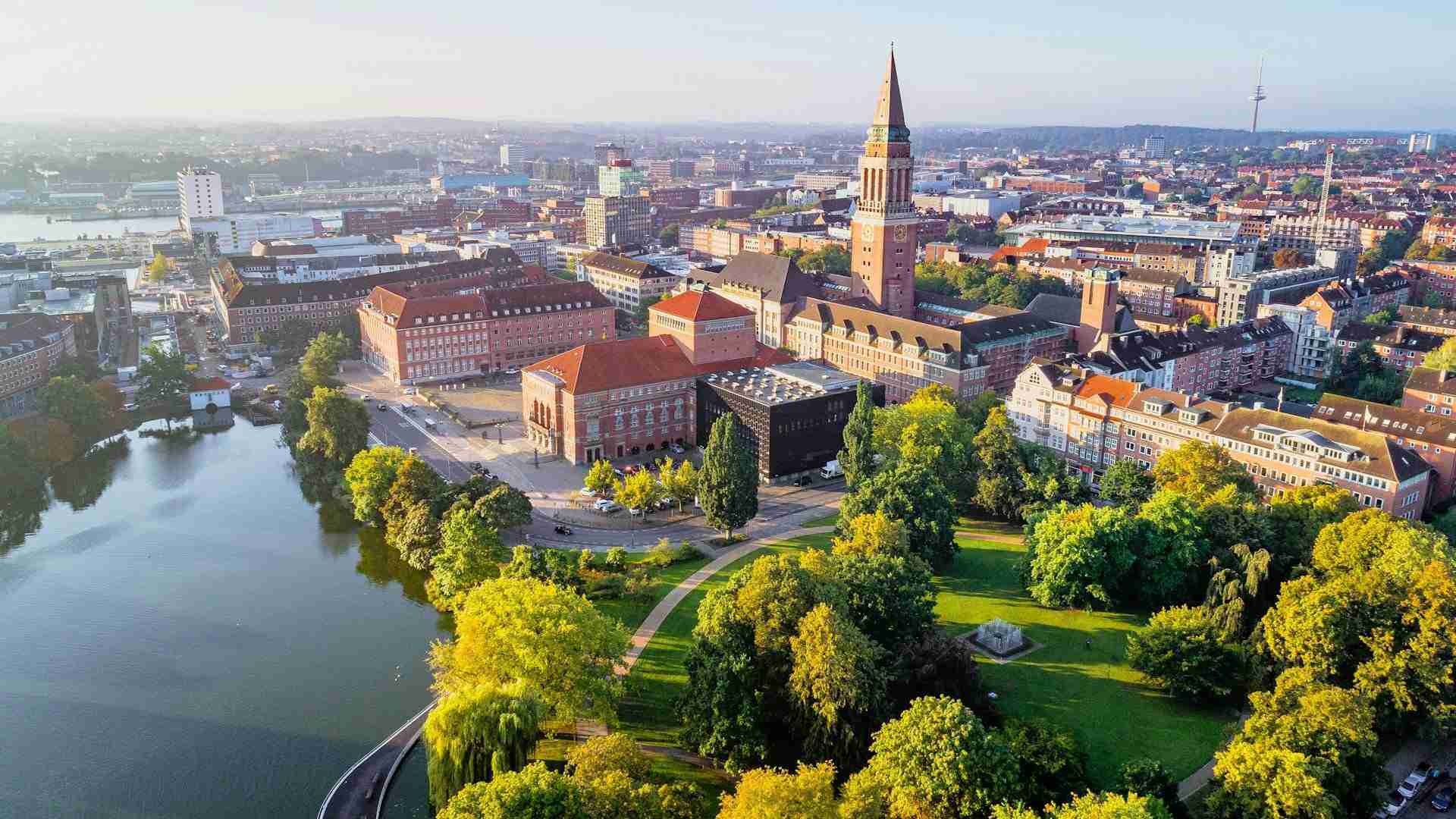
– Capturing Hiroshimapark from above offers a fresh perspective, showcasing the symmetry of the pathways, the placement of the pond, and the contrast between urban and natural elements. Aerial views during autumn reveal a stunning patchwork of colors, while a sunrise drone shot can highlight the morning mist drifting across the park, adding depth and atmosphere to the scene. Adjusting altitude and angles can emphasize leading lines, such as pathways guiding the eye toward key focal points.
Best Time to Visit
The best time to photograph Hiroshimapark varies depending on the season. Spring offers cherry blossoms and fresh greenery, summer provides rich foliage and active wildlife, autumn brings dramatic color changes, and winter offers a minimalist, sometimes snow-covered landscape. Mornings are ideal for soft light and fewer visitors, while late afternoons create warm, golden reflections on the water. Overcast days can add a moody, diffused quality to images, making them perfect for capturing subtle details and textures. Visiting just after rainfall can enhance reflections and deepen the saturation of colors, making foliage appear more vibrant and skies more dramatic.
During the summer months, longer daylight hours offer extended shooting opportunities, though midday light can be harsh, requiring shade or reflective surfaces for balanced exposures. In autumn, early morning fog can create mystical, atmospheric compositions, particularly when the mist hovers over the pond. Winter photography benefits from crisp, clear skies and occasional frost-covered landscapes that add a serene, almost monochromatic aesthetic. Regardless of the time of year, each season provides distinct photographic moods, making Hiroshimapark a location worth revisiting for fresh perspectives.
How to Get There
Hiroshimapark is centrally located in Kiel, making it easily accessible by public transport, bicycle, or on foot. The park is within walking distance from Kiel Hauptbahnhof (Central Station), and several bus routes stop nearby. Parking is available in the surrounding streets for those arriving by car. There is no entrance fee, and the park is open year-round, allowing for flexible photography visits.
Exploring Kiel
Kiel, a vibrant port city on Germany's Baltic coast, offers a fascinating blend of maritime heritage, modern urban life, and natural beauty. The city is best known for its shipbuilding history and deep connection to the sea, which can be felt throughout its bustling harbors, historic docks, and lively waterfront areas. Strolling through Kiel's city center reveals a mix of contemporary architecture and historical sites, where modern buildings stand alongside remnants of the city's storied past. The city's markets and pedestrian streets provide excellent opportunities for capturing candid street photography, with locals and visitors moving through lively cafés, shops, and cultural landmarks. Throughout the year, Kiel hosts a variety of events, from bustling Christmas markets to Kiel Week, one of the world's largest sailing festivals, which brings an exciting energy to the city's atmosphere. Exploring beyond the park allows photographers to experience Kiel's dynamic contrasts, from its peaceful green spaces to its thriving maritime industry, all of which contribute to its unique visual character.
Nearby Photography Locations
– The waterfront along the fjord provides stunning views of ships, sailing boats, and reflections on the water, particularly at sunrise and sunset. Shooting long exposures during twilight can create smooth, ethereal water textures that contrast with the crisp silhouettes of the vessels.
– This historic site, partially reconstructed, offers a blend of classic and modern architecture, making it an interesting subject for architectural photography. Capturing the interplay of old and new from different angles can highlight the evolving nature of Kiel's architectural history.
– A beautifully landscaped park with diverse plant life, scenic pathways, and elevated viewpoints overlooking the fjord. Framing shots with blooming flowers or using tree branches to create natural vignettes can add depth and texture to compositions.
– A lively waterfront area where photographers can capture people, boats, and the dynamic energy of Kiel's maritime culture. Incorporating elements such as seagulls in flight or docked boats in the foreground can add movement and scale to compositions.
– Another green space in Kiel, Schrevenpark offers picturesque walking paths, open fields, and a large pond ideal for tranquil nature photography. Capturing early morning mist rising from the water or golden-hour light filtering through the trees can enhance the peaceful atmosphere of the park.
Comments
Loading comments…