
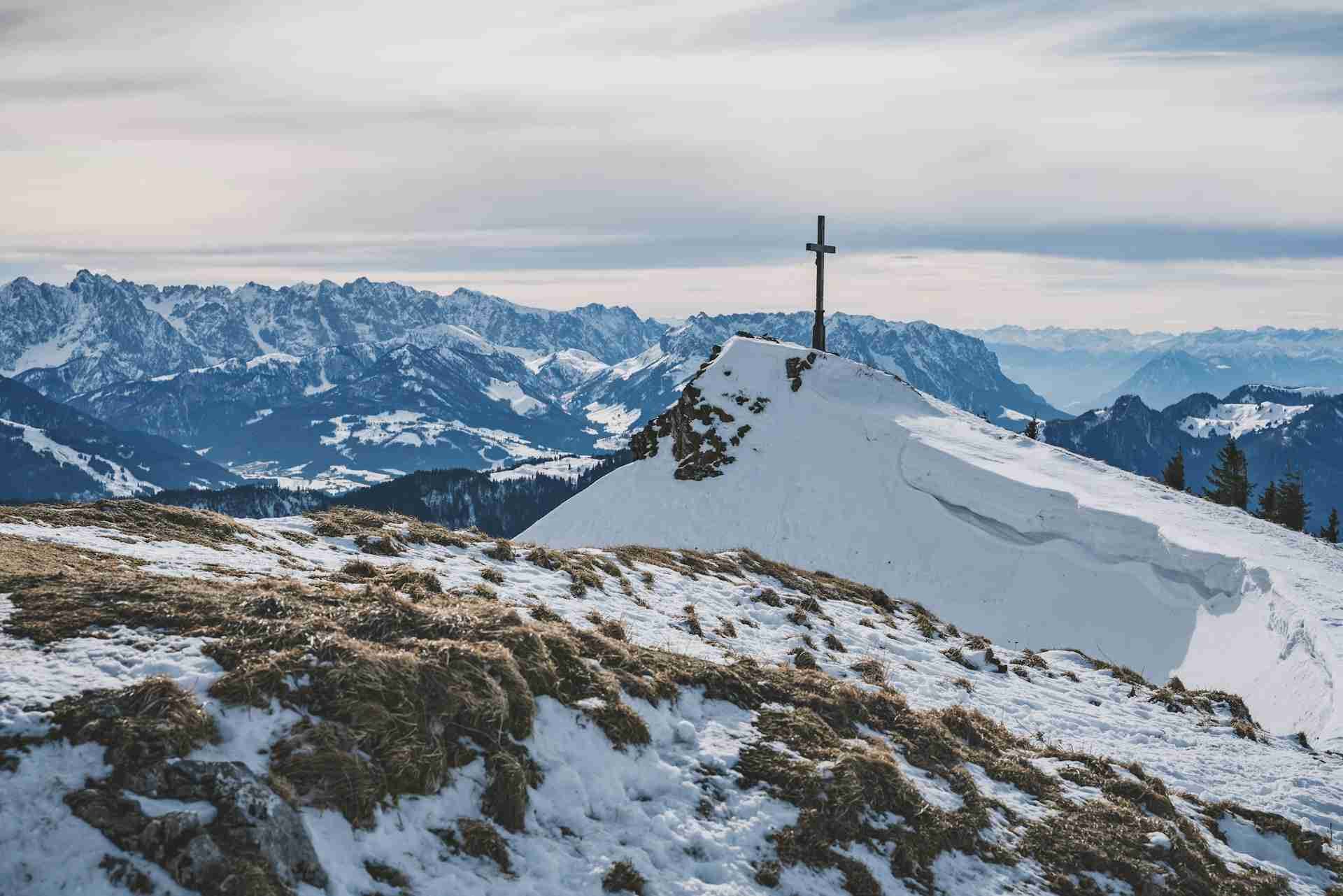
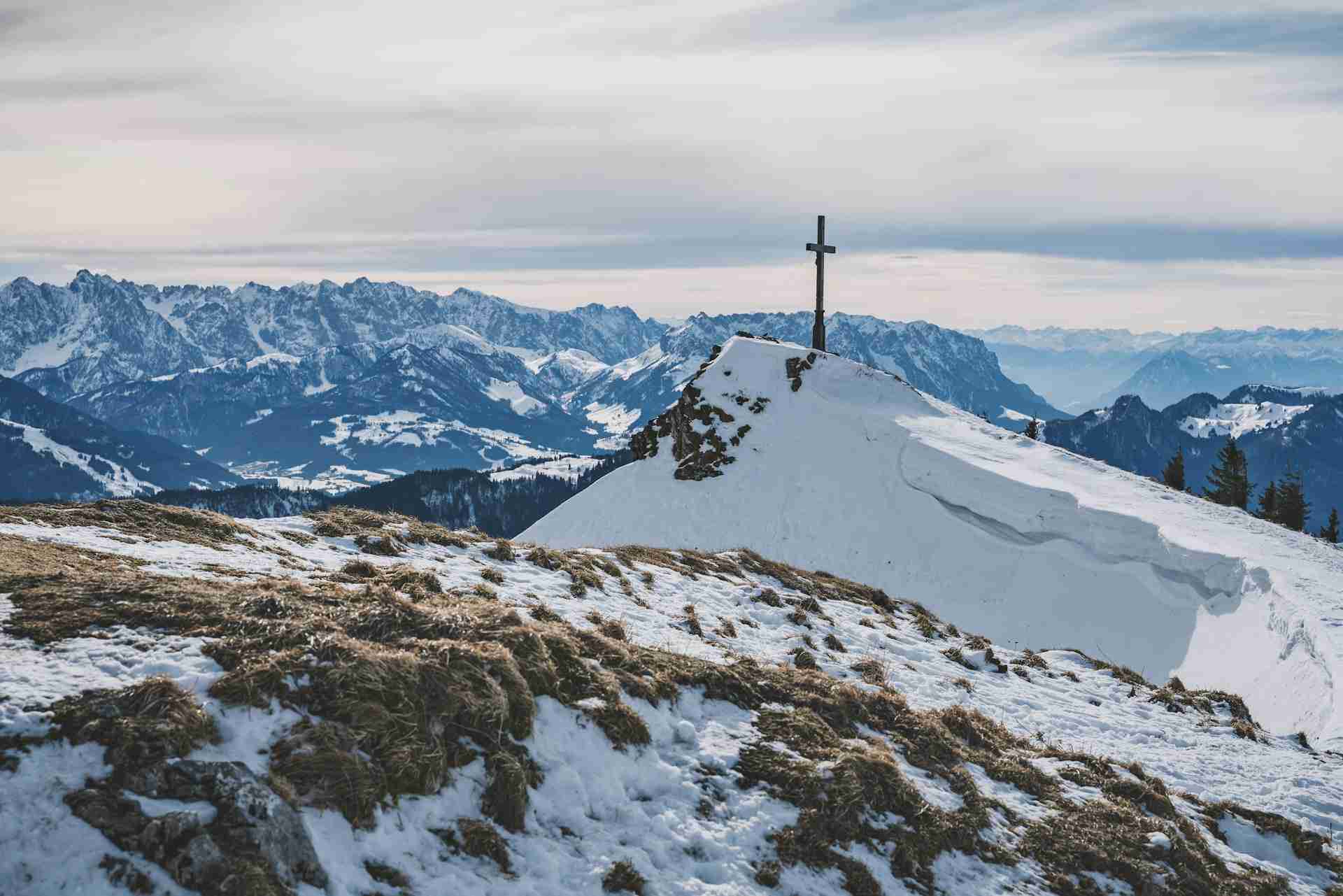
Hochgern rises to 1,748 meters in the Chiemgau Alps, offering commanding views over Bavaria's rolling hills, the Chiemsee, and distant alpine peaks. Its broad summit and varied approaches make it a versatile mountain for both landscape and detail photography. From the top, the panorama stretches across lakes, valleys, and neighboring peaks, providing a mix of pastoral and rugged elements in one frame. The lower slopes are dotted with alpine pastures and traditional huts, while higher up the landscape opens to rocky ridges and sweeping skies. Whether photographed in the soft light of dawn, under bright midday skies, or in the warm tones of evening, Hochgern offers a rich variety of subjects for the patient and prepared photographer.
Best Photography Opportunities
• Summit Panorama
: From the Hochgern summit, you can capture an uninterrupted 360-degree view that includes Chiemsee to the north and the snow-covered peaks of Austria to the south. A wide-angle lens is essential here to take in the full scope of the view. Sunrise often bathes the valleys in mist, creating layers of light and shadow, while sunset produces warm hues over the lake and surrounding mountains. Including parts of the summit cross or cairns in the frame can provide scale and context. Clear autumn mornings are especially rewarding for distant clarity, while summer evenings can offer dramatic skies after passing storms.
• View over Chiemsee from Upper Slopes
: Midway up the mountain, several open meadows and rocky clearings give clear sightlines to Chiemsee. From here, you can frame the lake with the foreground of alpine grasses or the silhouette of scattered trees. A mid-range zoom lens allows you to balance lake detail with the surrounding ridgelines. Early morning light reflects off the water for a bright focal point, while late afternoon turns the lake a deep blue. On hazy summer days, backlighting can give the scene a soft, painterly quality.
• Alpine Pastures and Mountain Huts
: The ascent passes several alpine meadows with traditional wooden huts, each surrounded by grazing cattle in summer. These pastoral scenes offer a softer, more intimate counterpoint to the sweeping summit views. A telephoto lens works well to compress the layers of meadow, forest, and mountains behind. Shooting in the golden hours adds warmth to the wooden structures and soft highlights to the surrounding grass. In autumn, the changing vegetation provides rich golds and reds that stand out against the weathered wood.
• Wildflower Foregrounds in Summer
: During June and July, the meadows come alive with alpine flowers, adding color and texture to your foregrounds. Using a wide-angle lens and placing flowers close to the camera can create depth and lead the viewer's eye toward the distant peaks. Side lighting brings out the form and texture of individual blossoms, while overcast light ensures even saturation without harsh contrast. Including small paths or fences can help guide composition and provide a sense of scale.
• Winter Ascent Scenes
: For those visiting in winter with the proper equipment, the snow-covered slopes of Hochgern offer crisp, high-contrast images. The summit views remain expansive, but the snow smooths out the terrain, creating clean shapes and minimalistic compositions. A telephoto lens can pick out wind patterns in the snow or frost-covered trees on the lower slopes. Low winter sun adds long shadows that highlight the contours of the mountain. Shooting in these conditions requires careful exposure to retain detail in both the bright snow and the darker surrounding forests.
Best Time to Visit
Hochgern can be visited in every season, each offering its own photographic rewards. Summer brings the most accessible conditions, with long daylight hours, open trails, and vibrant meadows. Early mornings often feature valley fog that clears as the sun rises, revealing layered landscapes. Autumn is quieter and offers warm color palettes with excellent visibility due to cooler air. Winter transforms the scene entirely, with snow and frost creating a minimal and peaceful environment.
Spring can be particularly beautiful as snowmelt feeds streams and patches of green emerge through the lingering white. Sunrise and sunset both work well from the summit, though early starts or late finishes require careful planning for the descent. Midday can still be rewarding for Chiemsee shots when the sun reflects directly off the water. Overcast days work well for close-up nature and texture studies, while clear days favor wide vistas.
How to Get There
The most common starting point for Hochgern is the village of Unterwössen. From here, trails lead up through forested sections, alpine pastures, and rocky upper slopes to the summit. The ascent is moderately challenging and requires good fitness, with a climb of roughly 1,200 meters in elevation. Parking is available in Unterwössen, and clear trail signage marks the route toward the Hochgernhaus and onward to the peak.
Another approach begins from Marquartstein, passing through the Hochgernhaus before the final push to the summit. Both routes offer varied scenery and multiple photo opportunities along the way. In winter, the route can be icy and requires proper winter hiking or mountaineering gear. There are no cable cars to the summit, so all visits involve a hike.
Recommended Photography Gear
A wide-angle lens between 16 and 35 millimeters is useful for capturing sweeping summit views and layered landscapes. A 24 to 70 millimeter zoom offers flexibility for mid-range scenes, including lake views and ridgeline compositions. A 70 to 200 millimeter telephoto lens is valuable for isolating details such as huts, wildlife, or patterns in the landscape.
A lightweight but sturdy tripod is helpful for sunrise and sunset work. A polarizing filter enhances sky contrast and reduces glare on Chiemsee, especially in midday light. In summer, a macro lens can be used for flower and insect photography in the meadows. For winter photography, extra batteries are important due to cold temperatures, and weather protection for gear is advised. Good hiking shoes and layered clothing are essential year-round.
Nearby Photography Locations
• Chiemsee
: Known as the "Bavarian Sea," this large lake offers expansive water views with mountain backdrops. The shoreline provides multiple vantage points for sunrise and sunset photography.
: Another peak in the Chiemgau Alps, reachable by a shorter hike, offering excellent views back toward Hochgern and over the valley. The summit area has open rock platforms that work well for panoramic shots.
• Kendlmühlfilzen
: A protected raised bog area near the Chiemsee, with wooden walkways and unique vegetation. This location is ideal for quieter nature photography in soft light.
A charming alpine village with traditional architecture and surrounding meadows. Seasonal events and decorations can add character to documentary-style images.
: A more rugged peak with dramatic rock formations and extensive views over the Bavarian and Austrian Alps. It can be reached by cable car, making it an accessible complement to the hike up Hochgern.
Hochgern offers a rewarding blend of expansive alpine panoramas, pastoral lower slopes, and seasonal variety that makes it worth returning to in different times of year. From the reflective calm of Chiemsee in the distance to the wildflowers beneath your feet, the mountain gives photographers a rich palette of scenes to work with.
Comments
Loading comments…